Yushu: Source of Three Rivers & Holy Land of Khampa Culture
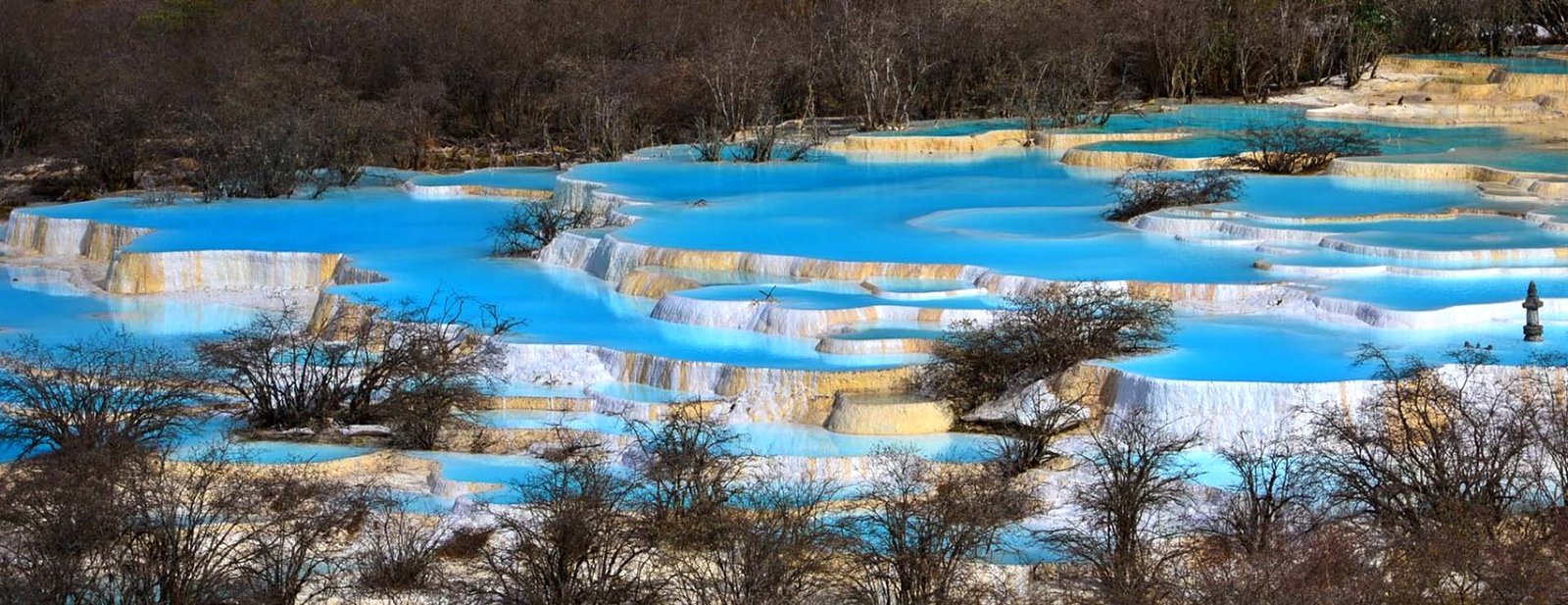
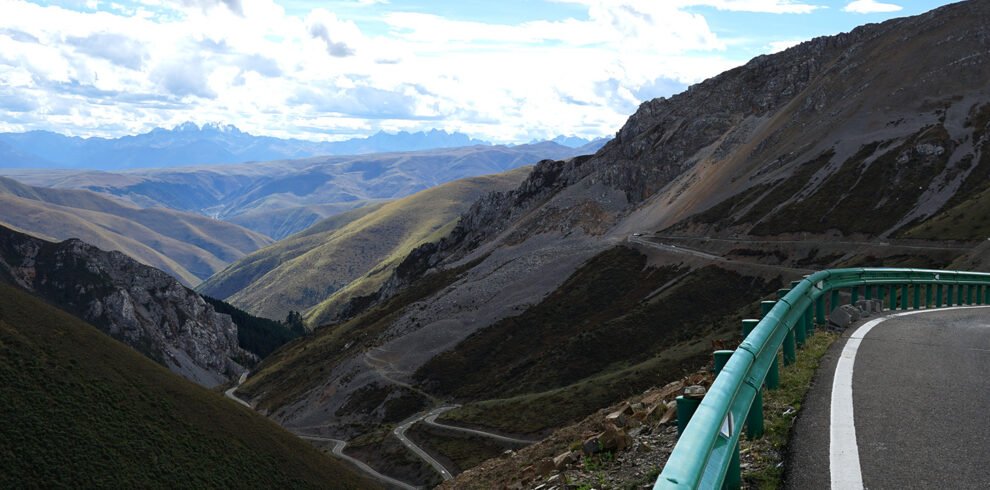
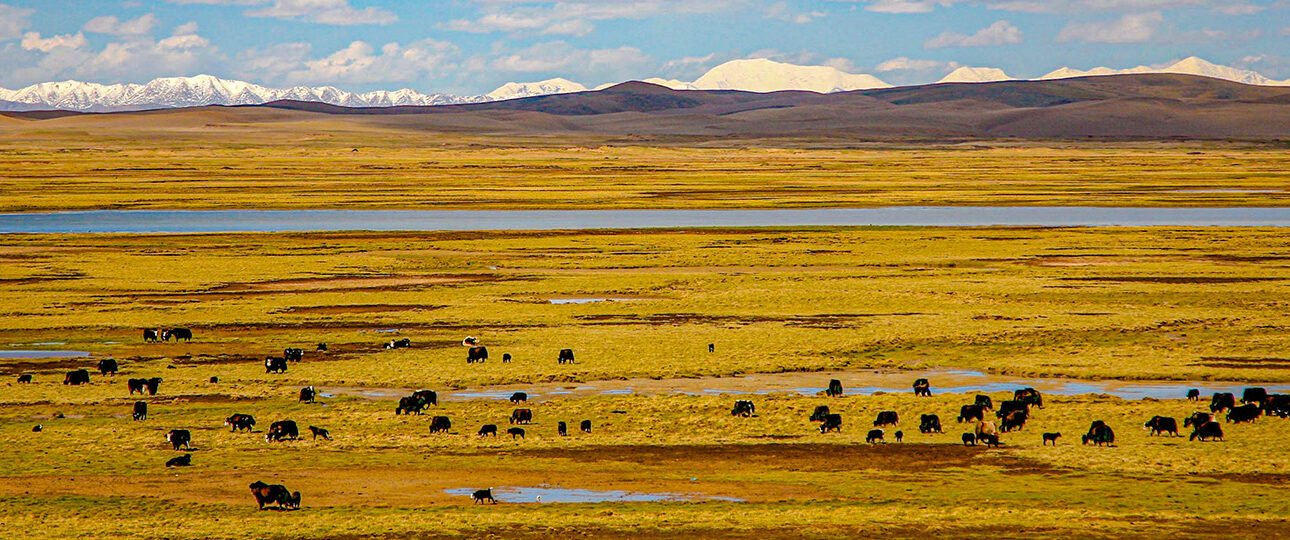
Known as “Yüxü” in Tibetan, meaning “a place of wealth and beauty,” Yushu Tibetan Autonomous Prefecture is nestled in southern Qinghai Province, at the core of the Three-River-Source National Park. With an average elevation exceeding 4,000 meters, it is the birthplace of the Yangtze, Yellow, and Lancang Rivers—earning it the title “Water Tower of China.” As a pivotal hub of Khampa culture and a rising international eco-tourism destination, Yushu blends pristine alpine ecosystems, time-honoured Tibetan Buddhism heritage, vibrant folk customs, and unique extreme sports, offering a spiritual and adventurous journey in the heart of the Qinghai-Tibet Plateau.
1. Core Highlights: Natural Wonders & Cultural Treasures
Yushu’s allure lies in its unparalleled ecological value and profound cultural connotations, where snow-capped peaks nurture rivers, and faith shapes civilisations.
Breathtaking Ecological Landscapes
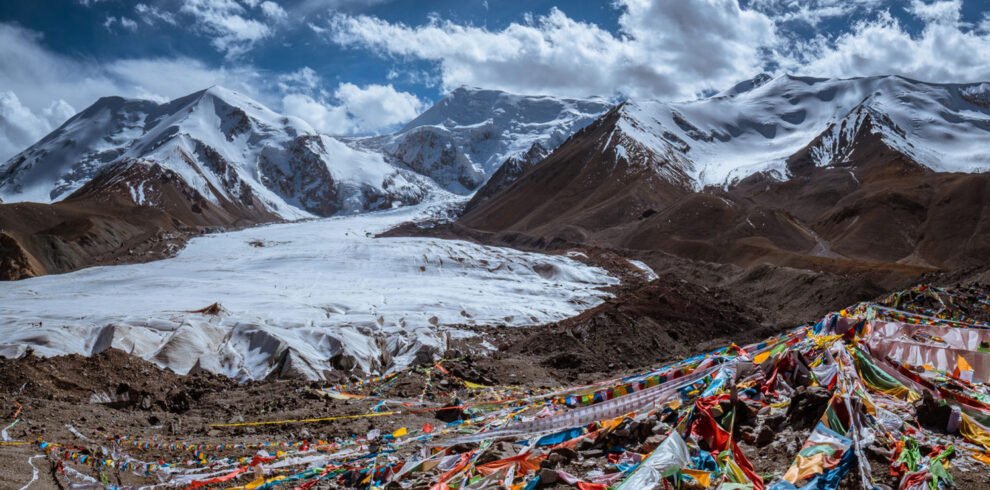
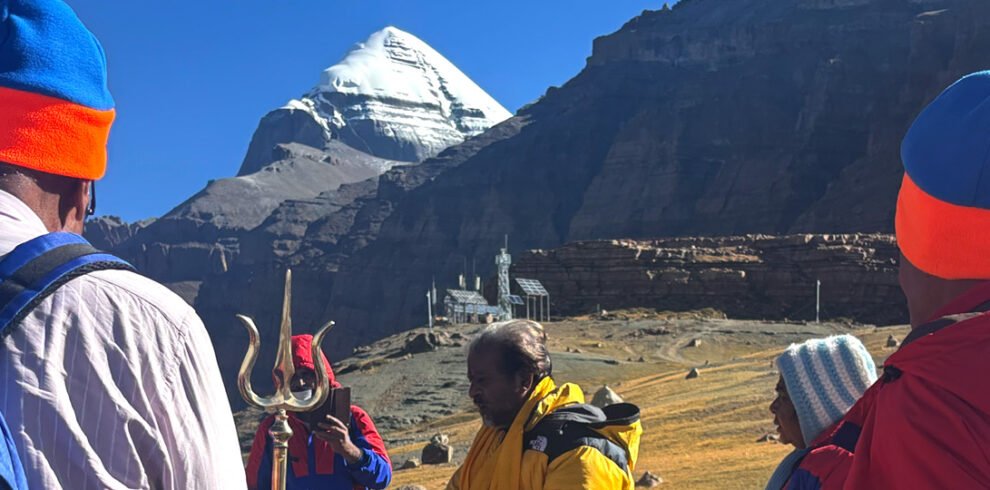
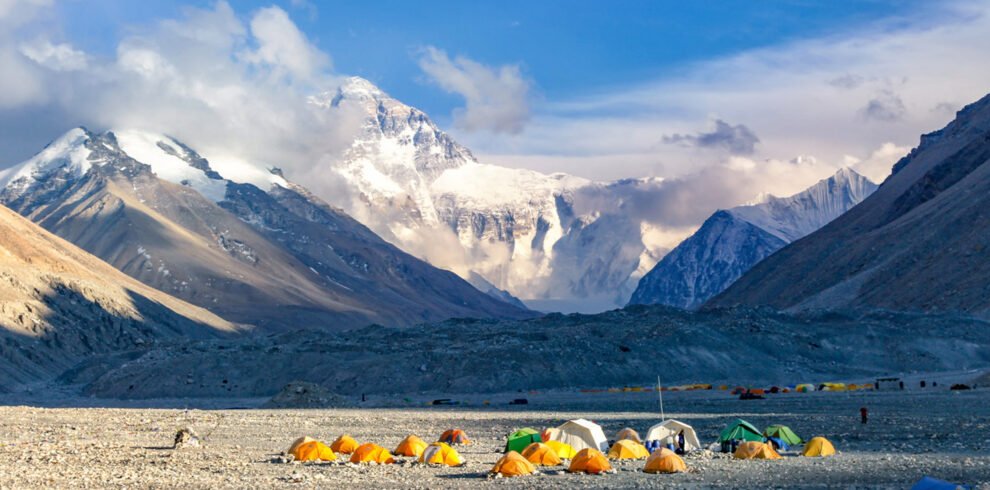
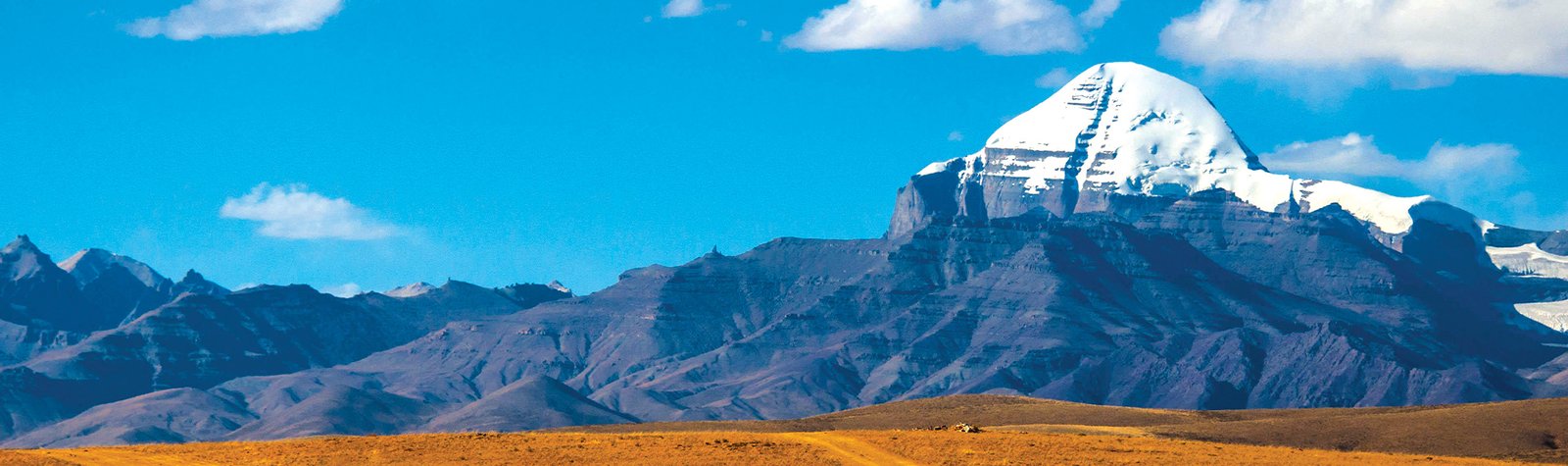
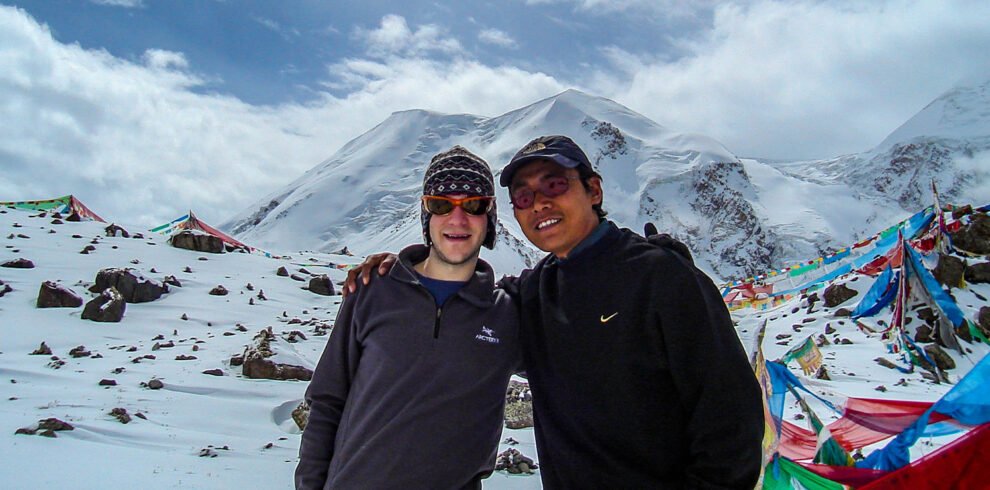
- Yuzhu Peak: As the highest peak in the eastern Kunlun Mountains (6,178 meters), it is hailed as the “First Snow Mountain for Amateurs” and known as “Little Everest.” With gentle south slopes and clear routes, it has become the preferred 6,000-meter-class peak for beginner mountaineers. The newly built Yuzhu Peak International Mountaineering Town integrates mountaineering training, ecological sightseeing, and vacation, offering professional services for outdoor enthusiasts, making it a shining star on National Highway 109.
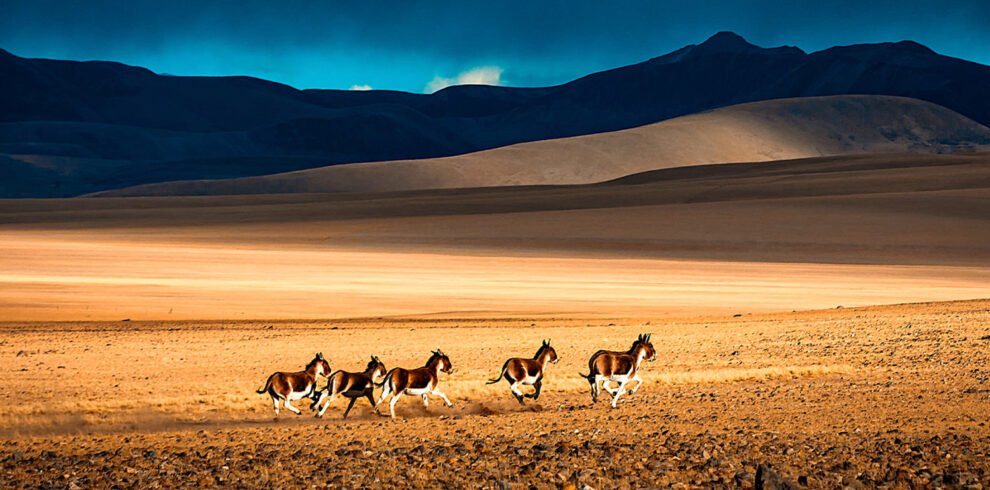
- Three-River-Source National Park: As the core of China’s first national park with a focus on ecosystem protection, it preserves intact alpine meadows, glaciers, and wetland ecosystems. Longbao Nature Reserve, a key part of the park, is a globally important habitat for black-necked cranes, where visitors can witness these rare migratory birds dancing on the wetlands amid snow-capped backdrops.
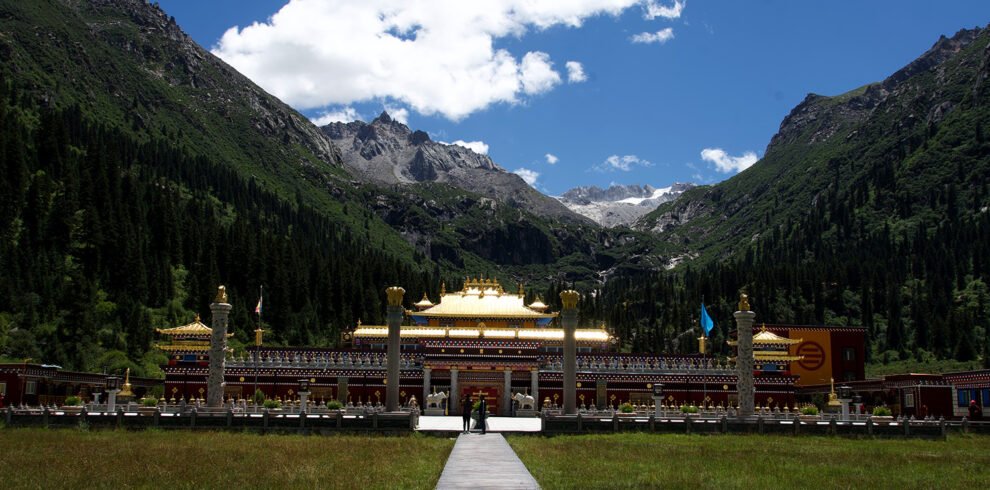
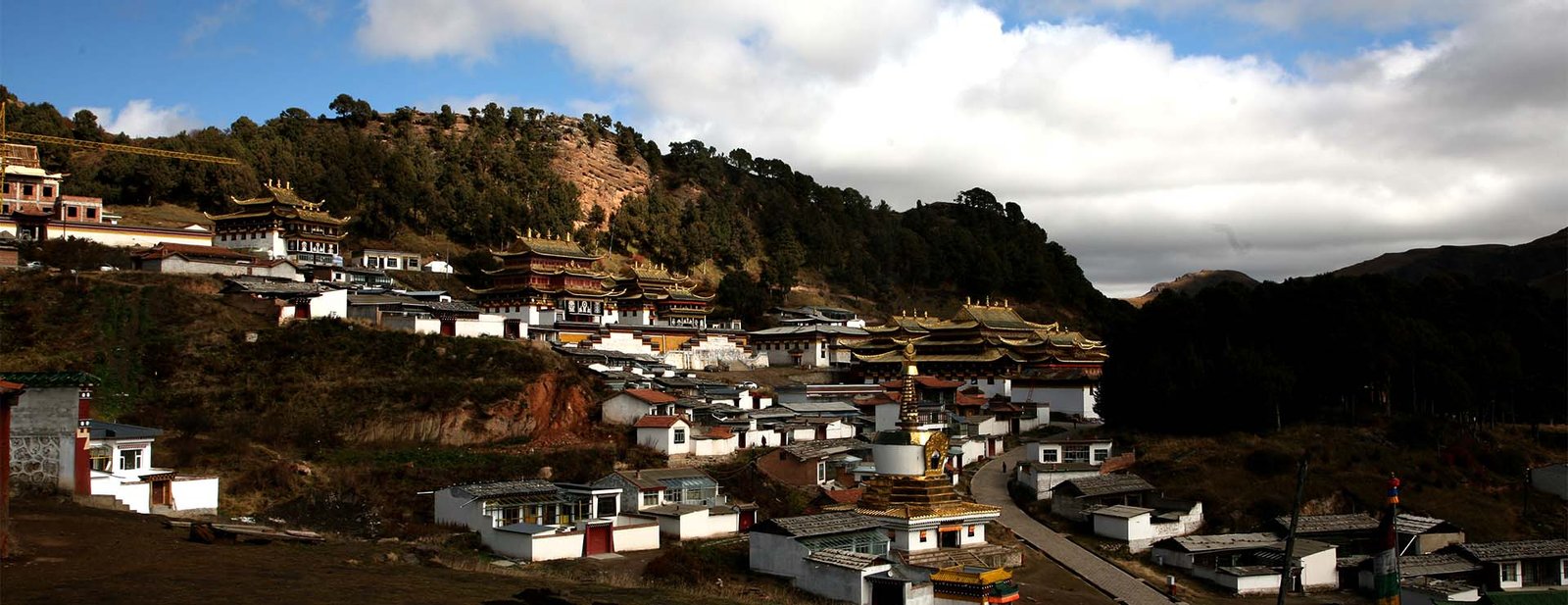
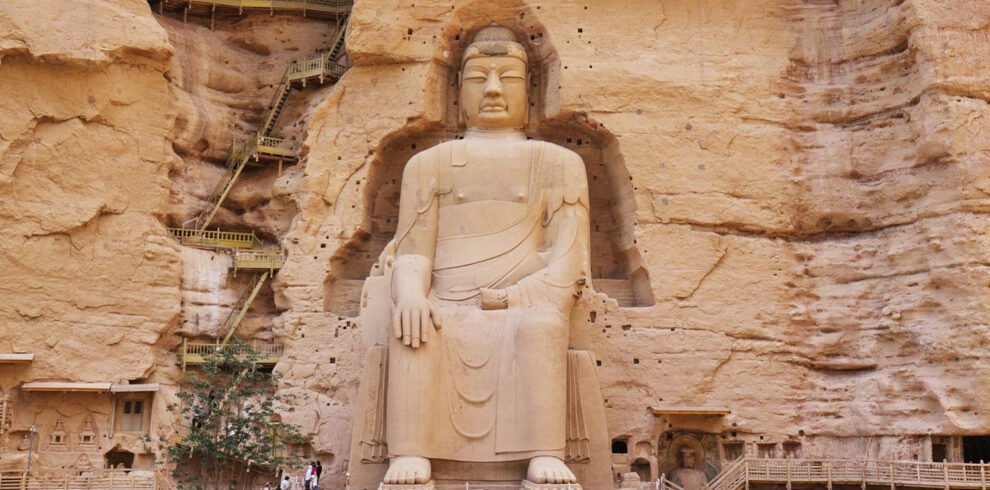
- Nangqian’s Hidden Gems: Known as the “Pearl of Southern Qinghai,” Nangqian boasts the ancient Baijia Salt Field, with a nearly 1,000-year history of traditional sun-drying salt production, retaining primitive techniques. The Gar Canyon, nestled in primaeval forests, features towering cliffs, serene Laco Lake, and the magnificent Gar Monastery, blending natural scenery with religious charm as the “First Grand Canyon of the Lancang River.”
Profound Khampa Culture & Unique Experiences
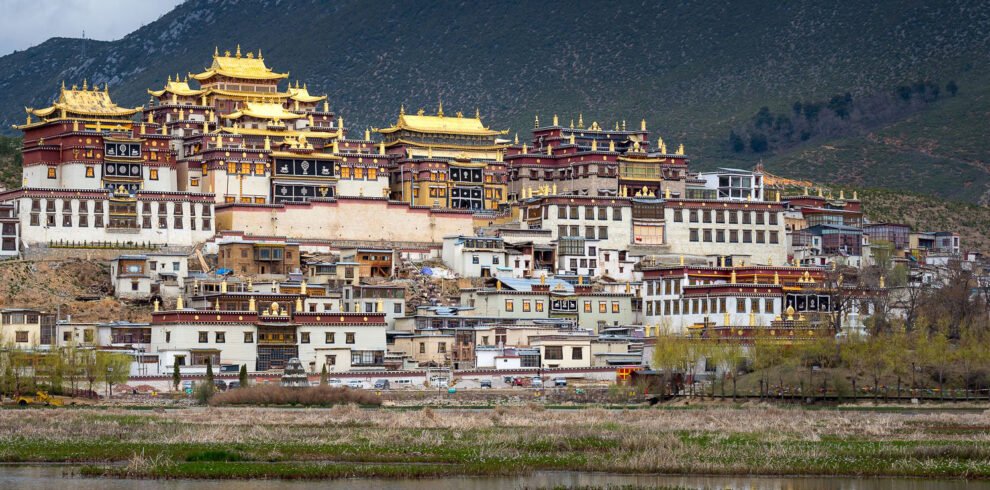
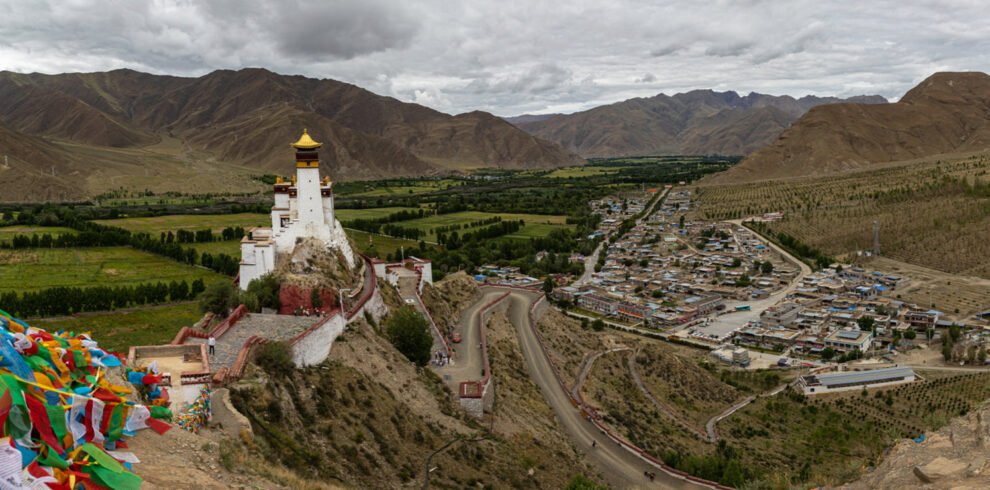
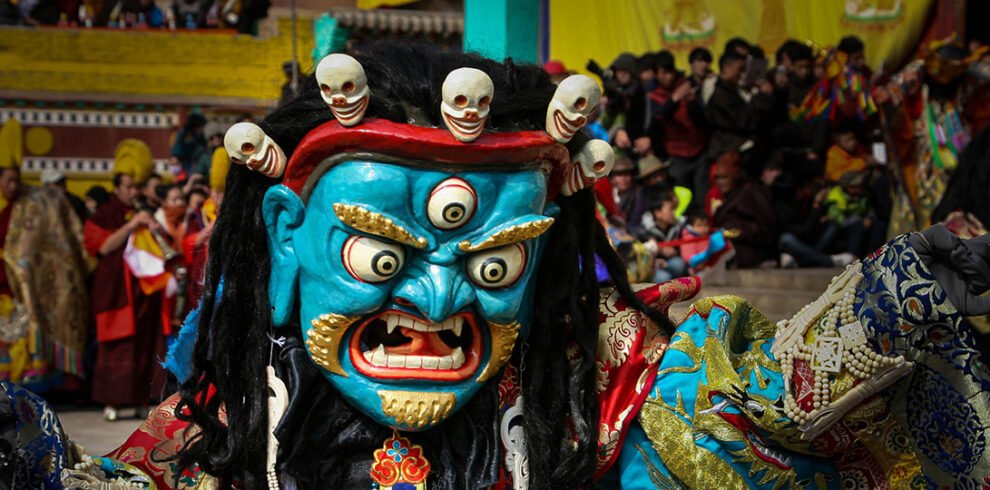
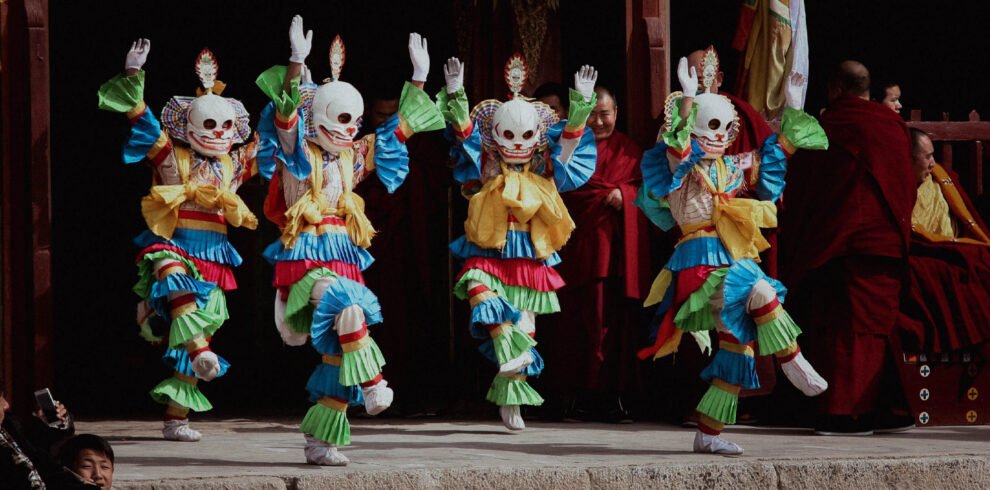
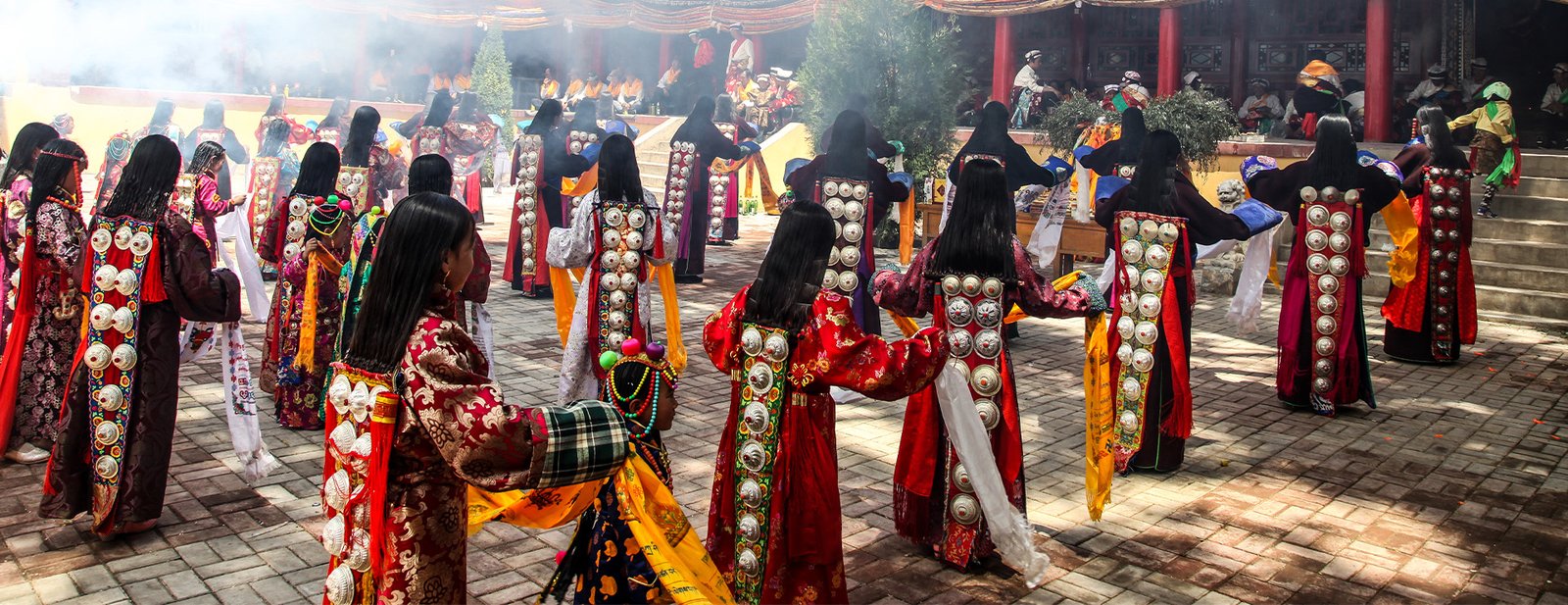
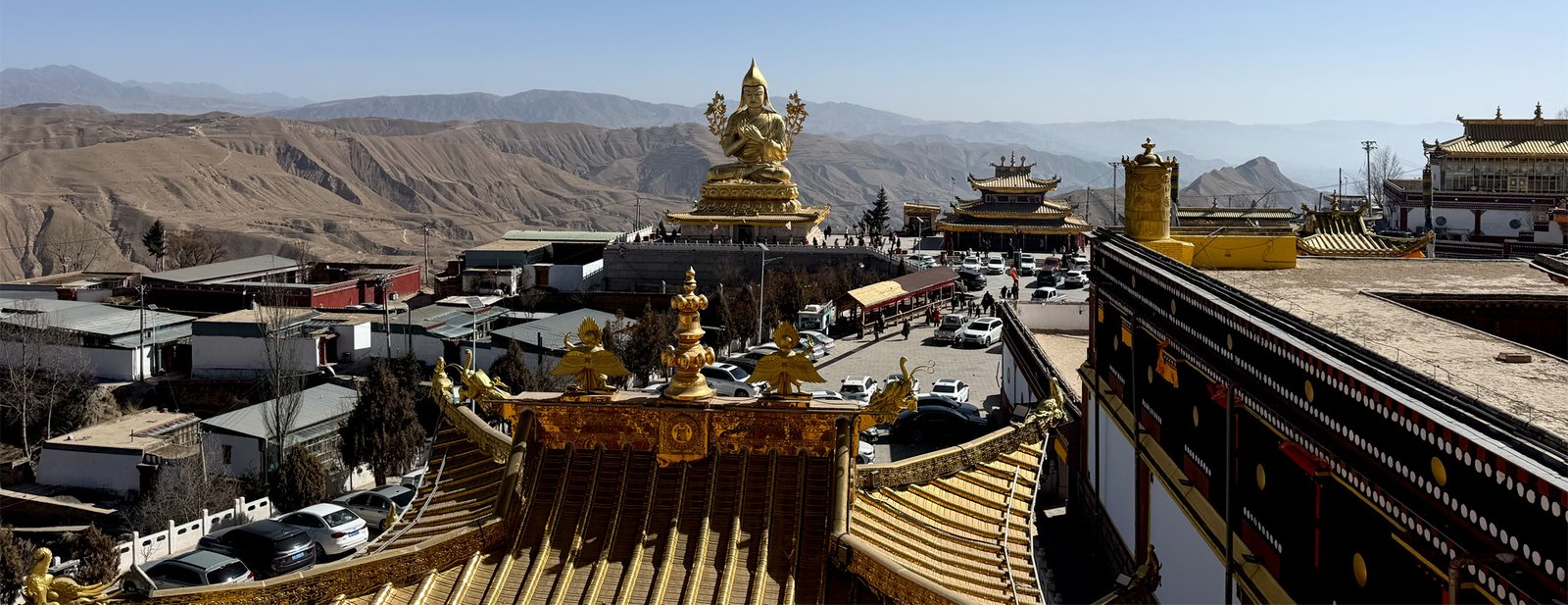
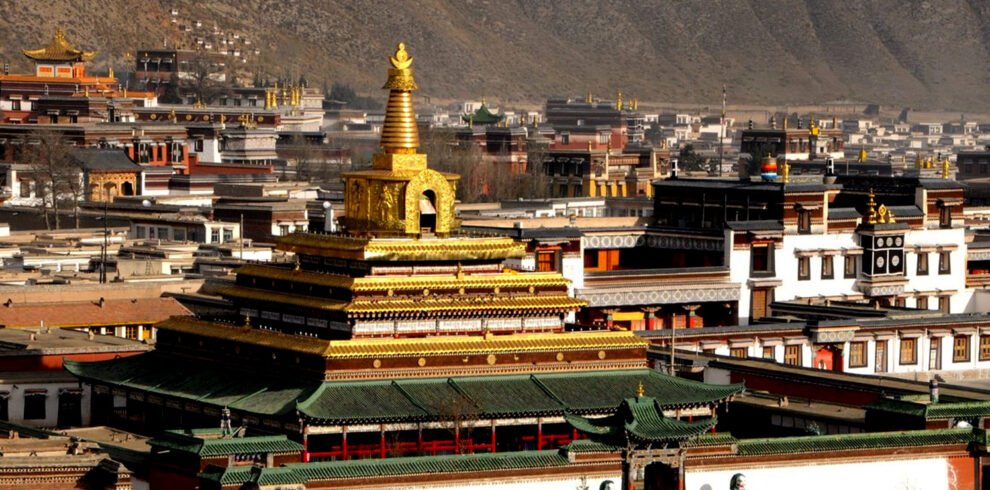
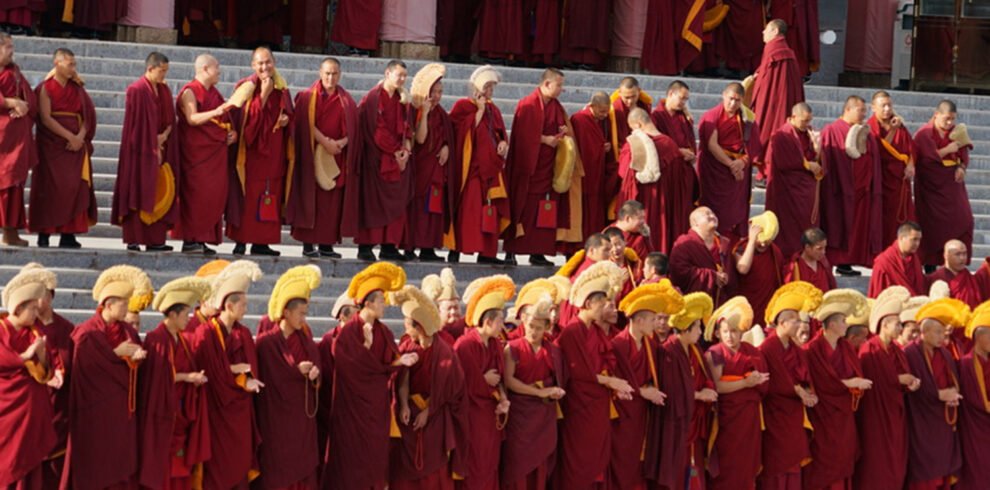
- Jiegu Monastery & Jia Na Mani Stone (Manitou Stone Pile): Jiegu Monastery, a major Sakya Sect temple in Qinghai, stands proudly on a hill in Jiegu Town. It is renowned for the world’s largest mani stone pile—Jia Na Mani Pile, with over 2.5 billion mani stones carved with six-syllable mantras, forming a magnificent stone city. The monastery also houses precious cultural relics such as thangkas gifted by Phags-pa and ritual tools used by King Gesar, while its first Living Buddha created over 100 types of “Duoding Qiu Zhuo” dances, laying the foundation for Yushu’s reputation as the “Hometown of Khampa Song and Dance.”
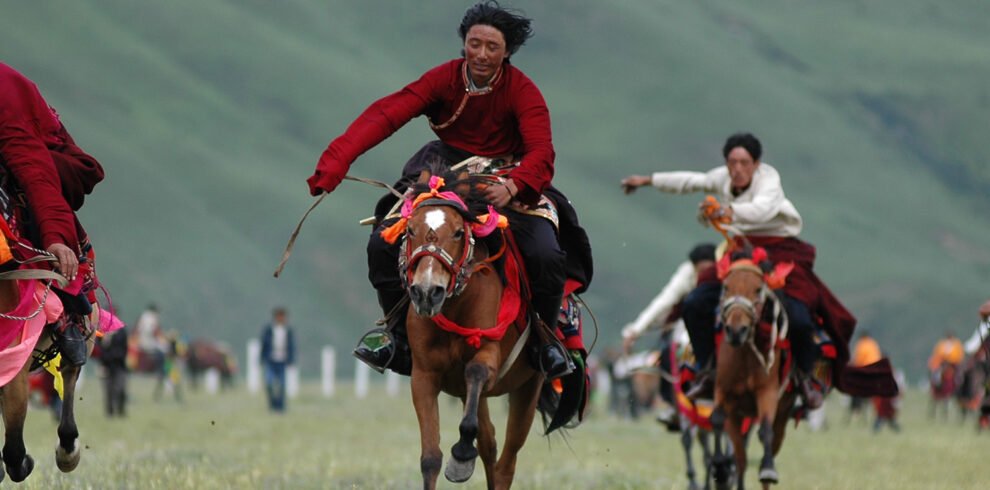
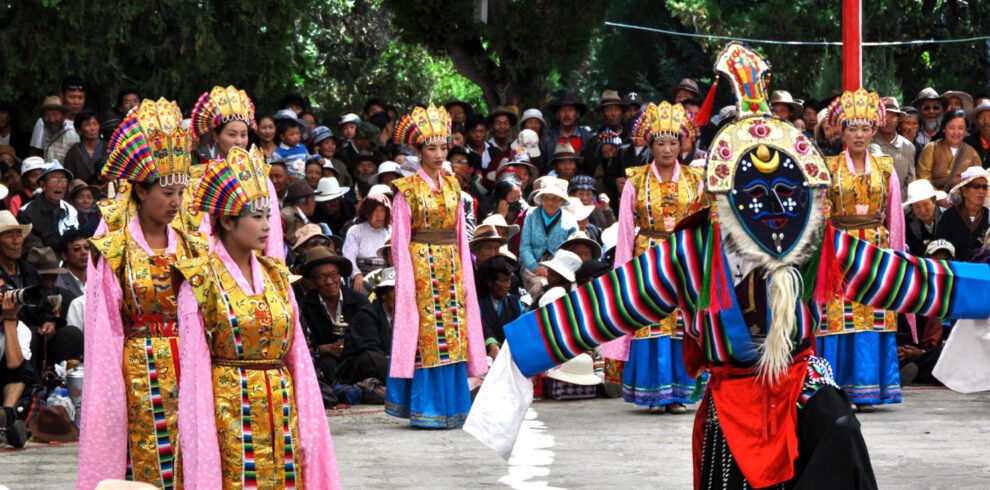
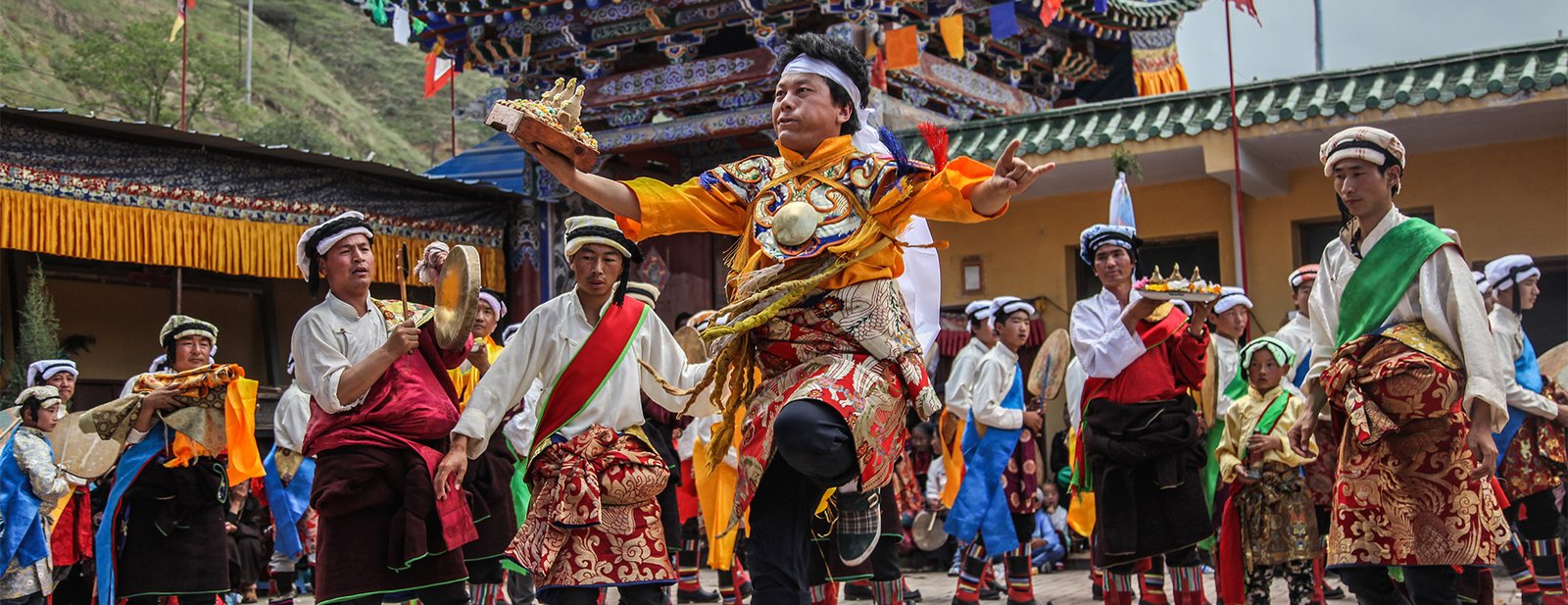
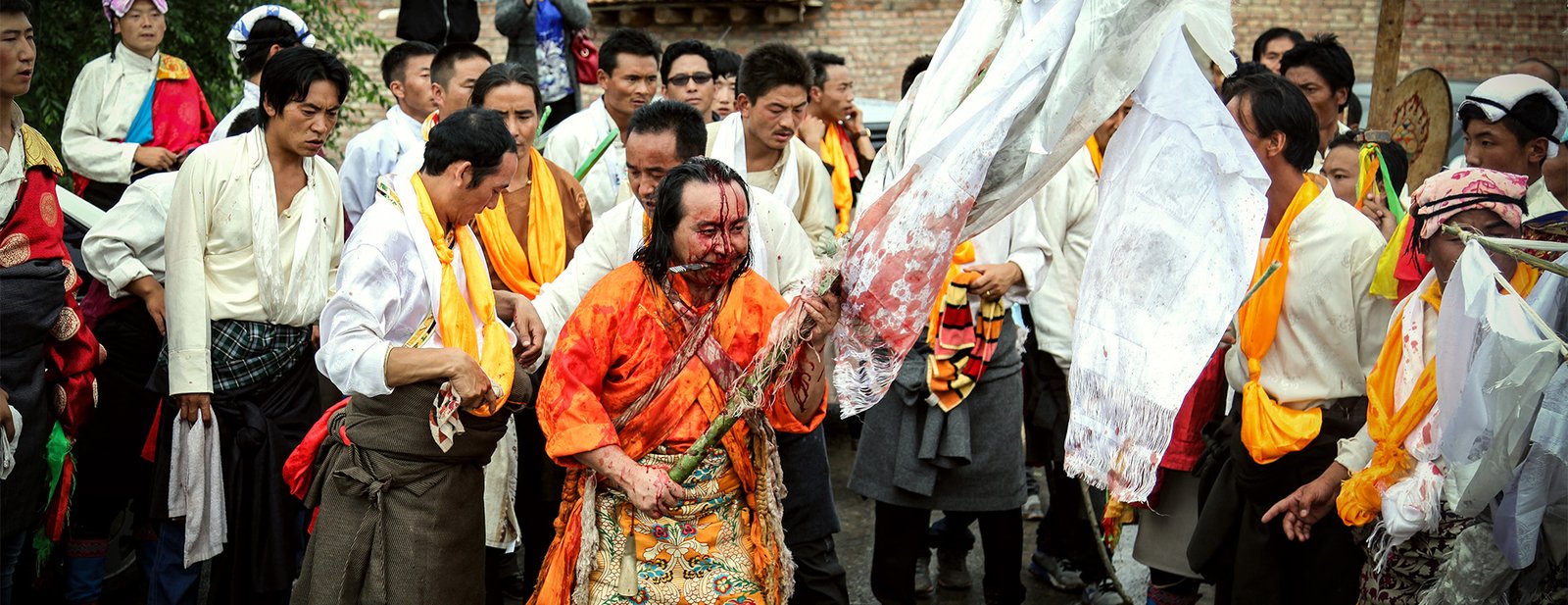
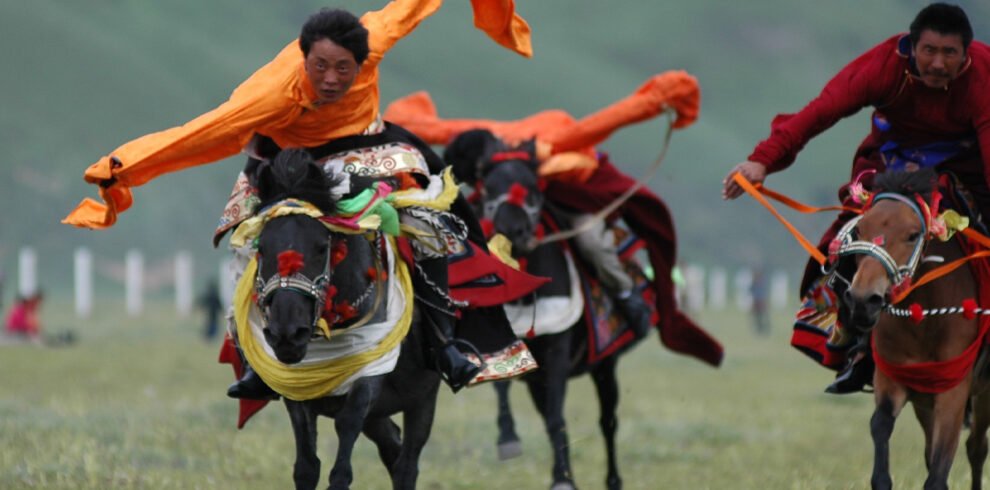
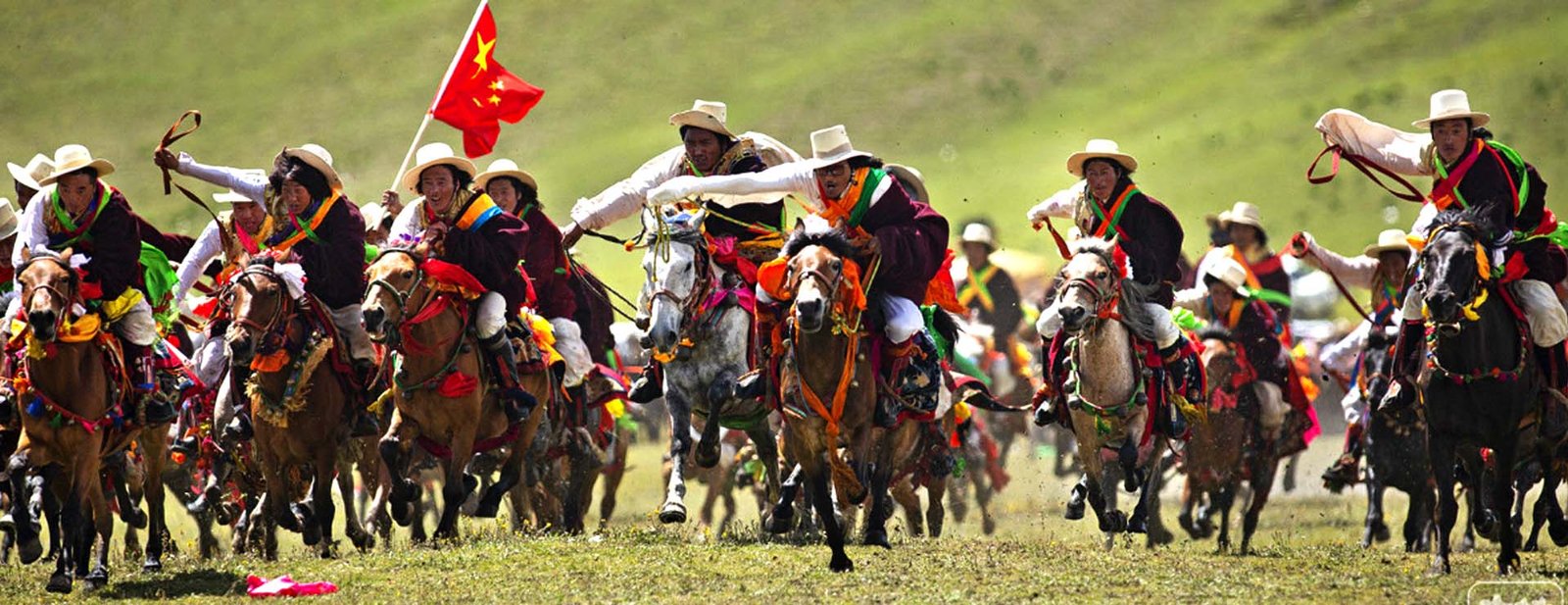
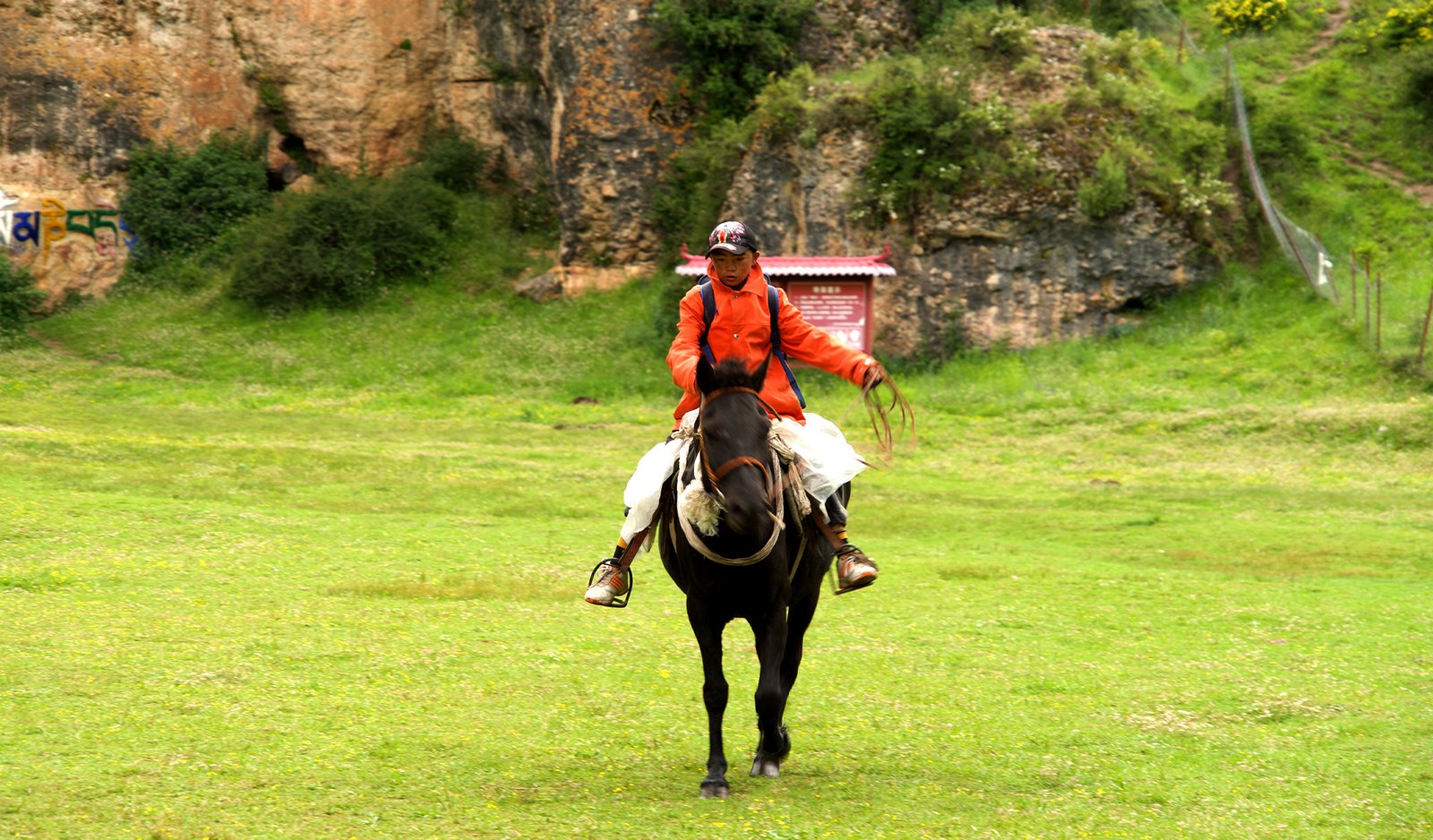
- Yushu Horse Racing Festival: A grand Khampa cultural event held annually in July, featuring thrilling horse races, vibrant ethnic costume parades, and soulful folk singing and dancing. It is a vivid showcase of nomadic traditions, where locals gather to celebrate with feasts and rituals, embodying the bold spirit of the Khampa people.
- Plateau Rafting & Cultural Integration: Yushu is China’s first city to host the Rafting World Cup at an altitude of over 4,000 meters. The Tongtian and Batang Rivers offer safe yet exciting rafting experiences, with a professional plateau rafting training base. Additionally, Nangqian County is cultivating five wellness IPs—salt bathing, meditation, hot springs, song and dance, and pottery—blending traditional culture with modern travel needs.
- Post-Earthquake Rejuvenation: Rebuilt after the 2010 earthquake, Jiegu Town showcases a new look while preserving traditional Tibetan architecture. The town’s wide streets, distinctive courtyards, and gratitude-themed landmarks tell a story of resilience and renewal, adding a unique humanistic touch to the journey.
2. Unique Travel Characteristics
- Unmatched Ecological Status: As the source of three major rivers, Yushu offers a rare chance to witness the origin of China’s water systems, with pristine ecosystems and rich biodiversity, making it a paradise for eco-tourism and scientific research.
- World-Class Cultural Landmark: The Jia Na Mani Pile, with its billions of mani stones, is a one-of-a-kind religious and cultural wonder, attracting devout pilgrims and culture lovers worldwide.
- Extreme Sports Paradise: Yuzhu Peak caters to mountaineers, while high-altitude rafting offers a unique adventure, blending outdoor excitement with plateau scenery—ideal for thrill-seekers.
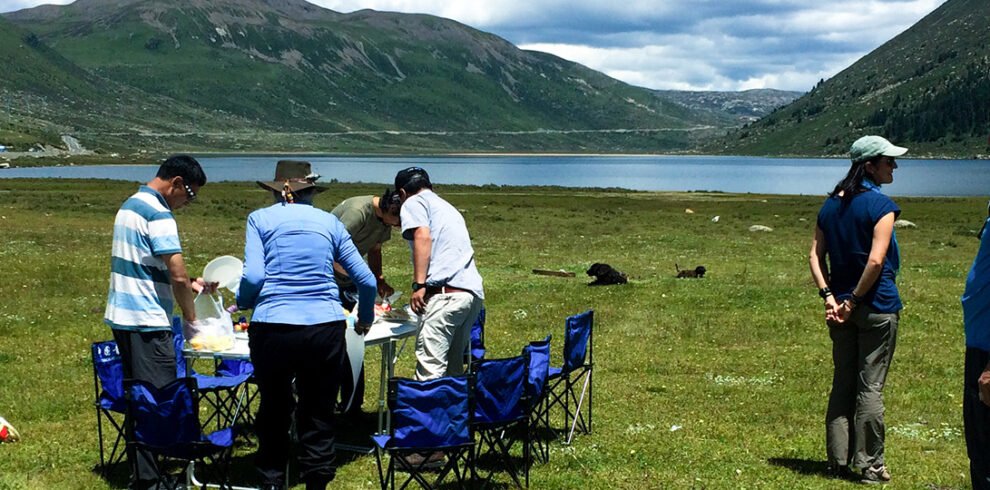
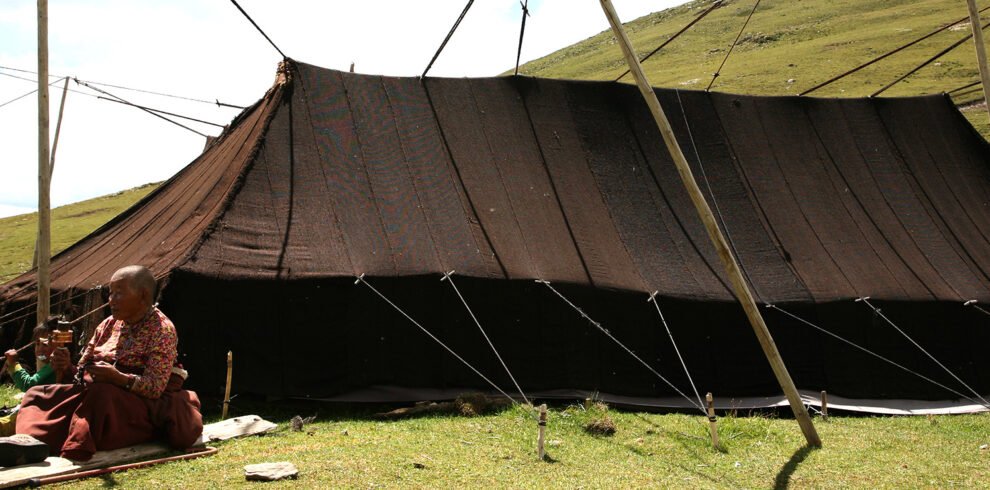
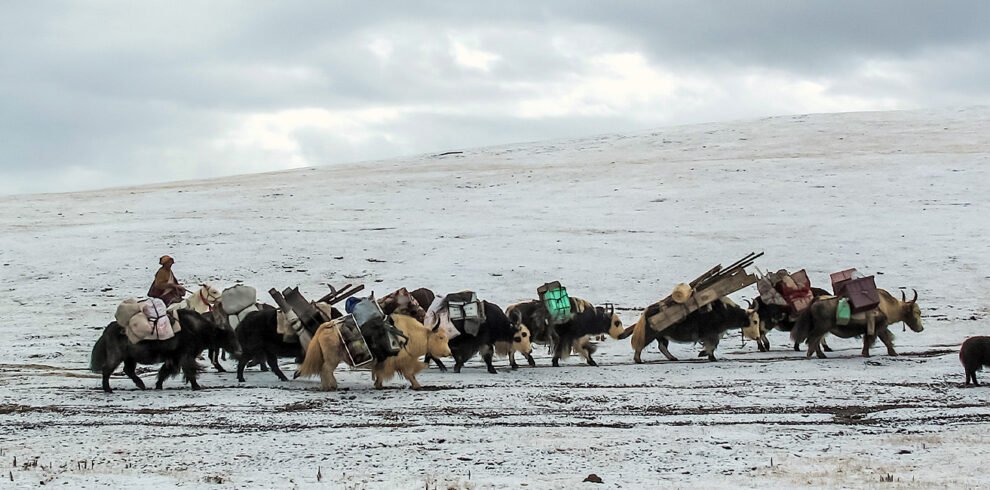
- Authentic Khampa Vibe: Less commercialised than other Tibetan areas, Yushu retains pure Khampa traditions, from folk dances to nomadic lifestyles, offering an immersive cultural experience.
3. Essential Travel Tips
- Altitude Adaptation: Average elevation over 4,000 meters—acclimatise in Xining or Jiegu Town slowly, avoid strenuous activity upon arrival, and carry portable oxygen and altitude sickness remedies.
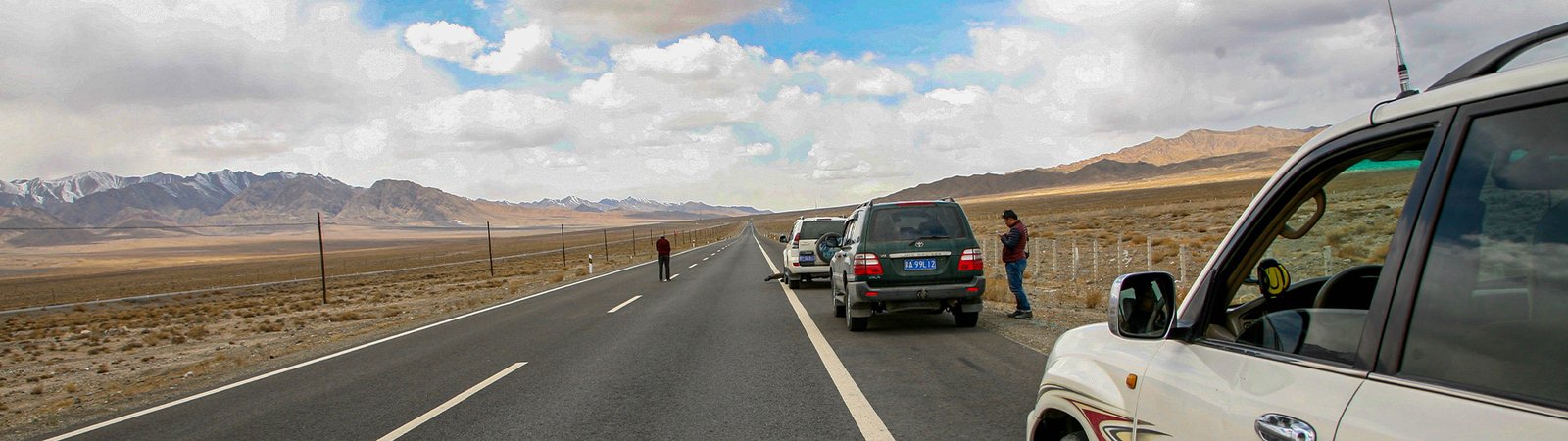
- Transportation: Xining is the main gateway—a 12-14-hour drive by car/bus, or a 1-hour flight to Yushu Batang Airport. Self-driving (4WD recommended) is ideal for exploring remote areas like Yuzhu Peak and Nangqian.
- Best Time to Visit: July for the Horse Racing Festival; May-October for pleasant weather and lush ecological scenery; winter (Nov-Mar) is suitable for mountaineering enthusiasts (Yuzhu Peak’s dry season).
- Cultural Respect: Circumambulate sacred sites (mani piles, monasteries) clockwise; ask permission before photographing monks or pilgrims; avoid stepping on prayer flags or mani stones.
- Local Delicacies: Savour Khampa specialities like air-dried yak meat, highland barley wine, butter tea, and Tibetan pastries. Don’t miss Nangqian’s red salt products and locally brewed barley beer.