Yading: The Last Shangri-La of Sacred Mountains & Holy Lakes
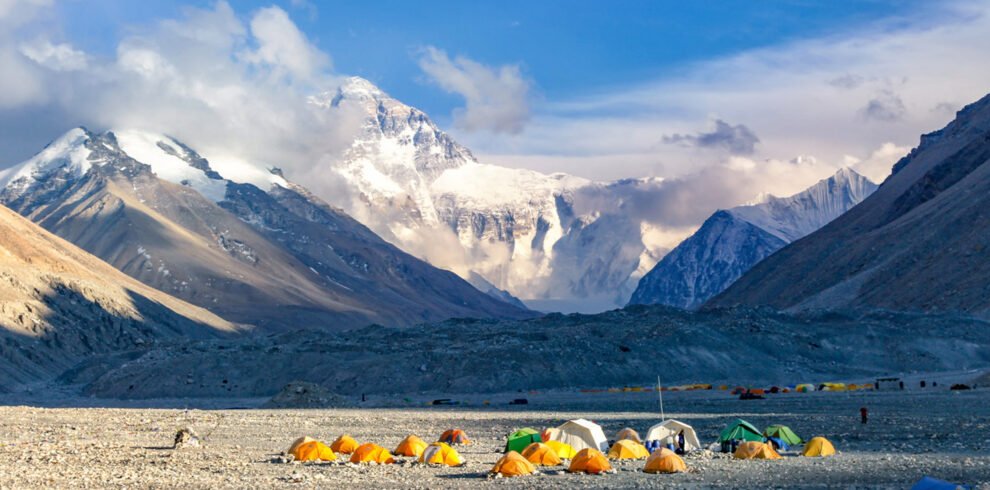
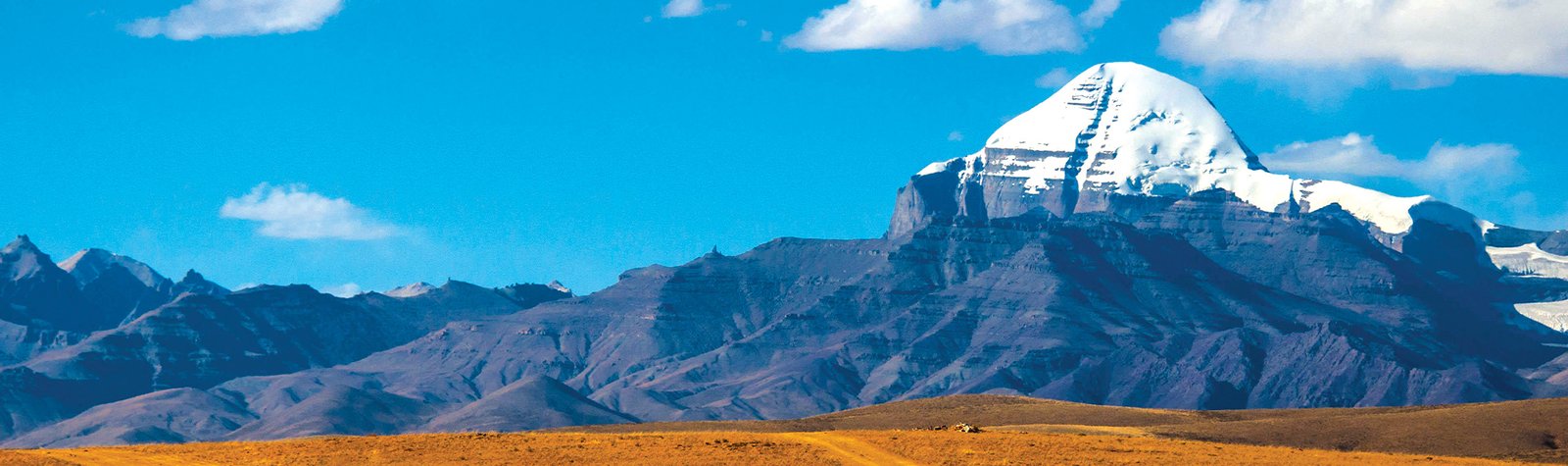
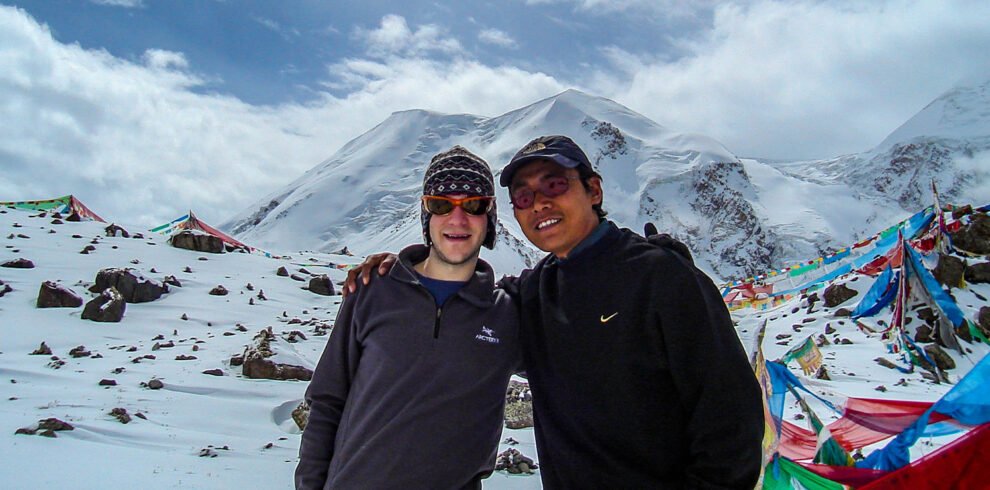
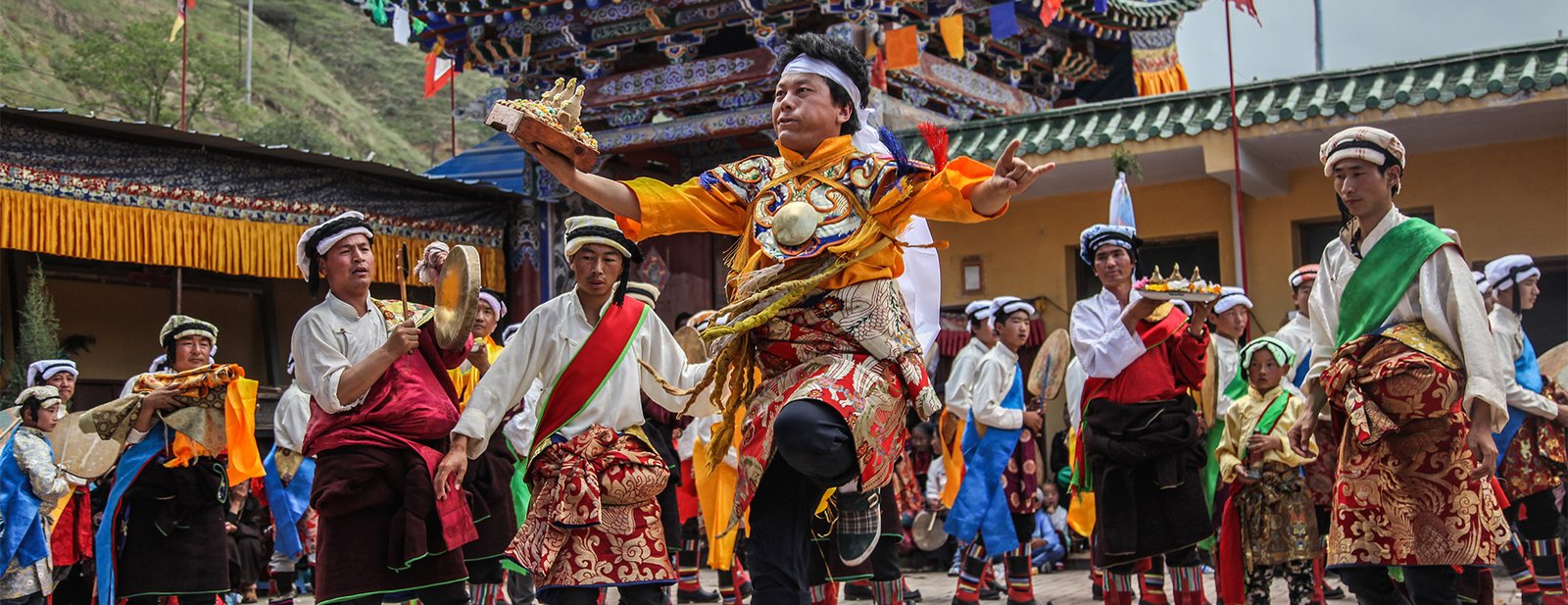
Known as “Sunny Land” in Tibetan, Yading is a 5A-level scenic area nestled in Daocheng County, Garzê Tibetan Autonomous Prefecture, Sichuan. Perched on the southeastern edge of the Qinghai-Tibet Plateau with an average elevation of 4,000 meters, it is hailed as “the Last Shangri-La” for its unspoiled alpine landscapes and profound religious significance. Centred on the three sacred snow-capped mountains of Nianqing Gongga Risong Gongbu, Yading blends crystal-clear holy lakes, lush meadows, ancient temples, and pure Khampa culture, offering a spiritual and visual feast for travelers seeking pristine wilderness.
1. Core Highlights: Sacred Landscapes & Cultural Treasures
Yading’s allure lies in its harmonious coexistence of majestic natural wonders and time-honoured Tibetan Buddhist traditions, with every landscape carrying sacred implications.
The Three Sacred Mountains: Pillars of Divinity
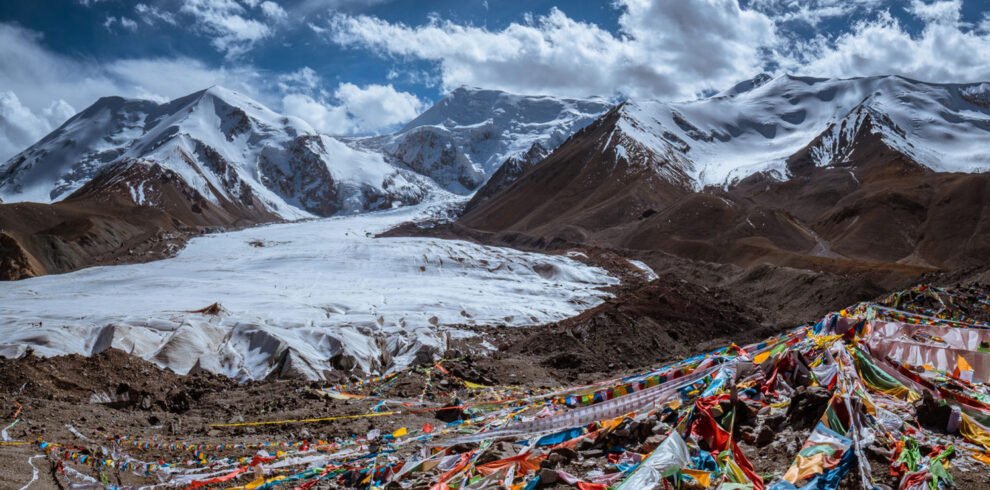
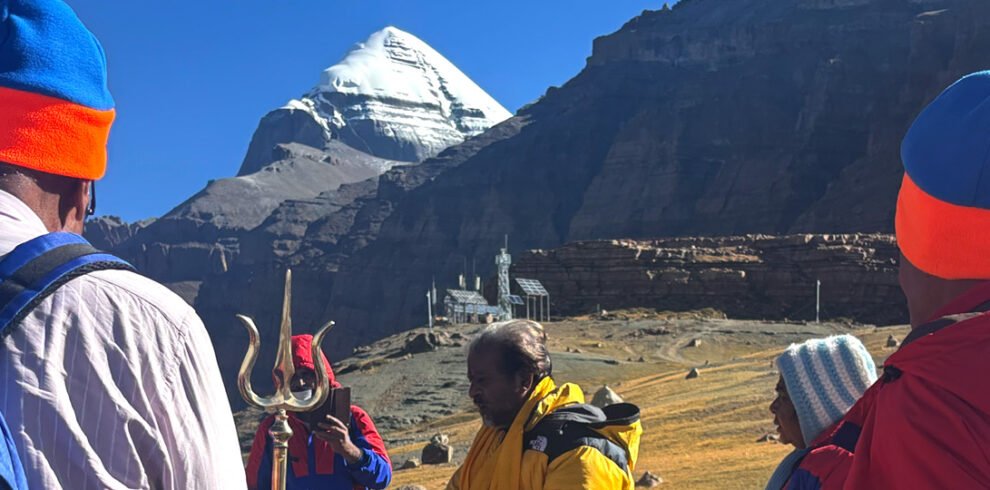
Arranged in a triangle, the three sacred mountains are revered as the embodiment of three Buddhist protectors, consecrated by Padmasambhava in the 8th century and ranked 11th among the world’s 24 Buddhist holy lands.
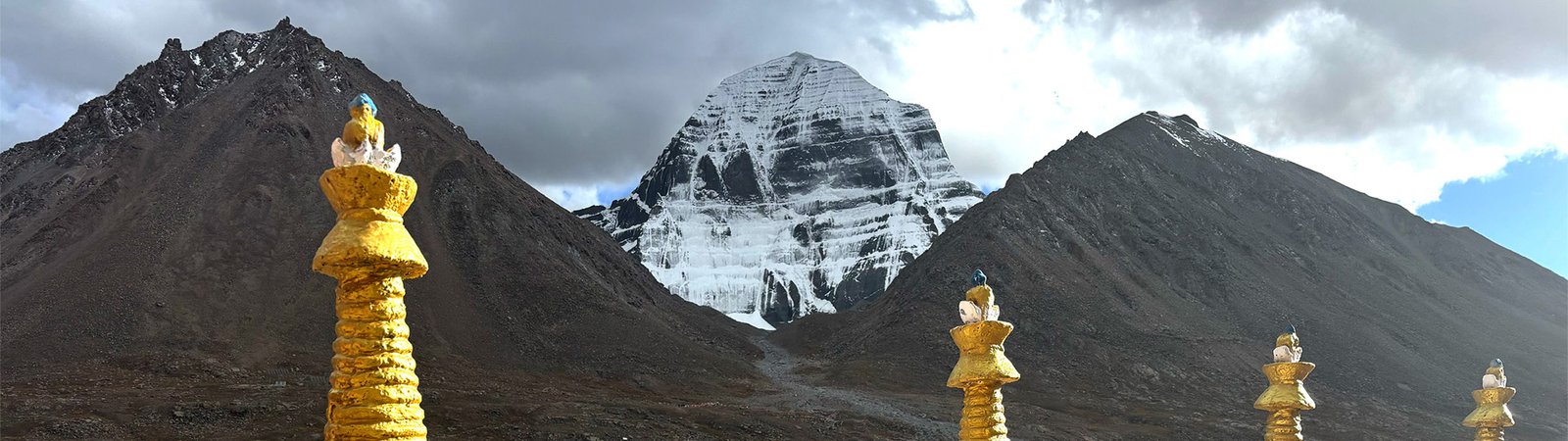
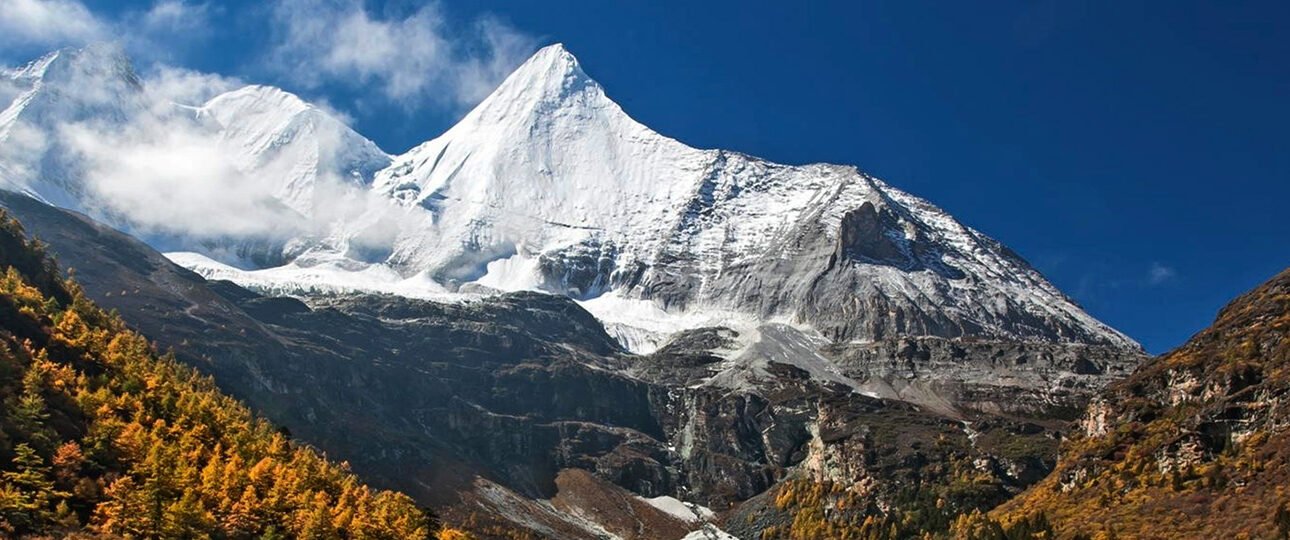
- Xiannairi: Meaning “Avalokiteshvara (Goddess of Mercy)” in Tibetan, this 6,032-meter peak is the highest of the three and the fifth-highest mountain in Sichuan. Its snow-capped summit is perpetually covered in snow, and legend has it that surrounding peaks and ice formations are manifestations of Buddhist deities, guarding the land and redeeming sinners with celestial sounds.
- Yangmaiyong: Symbolising “Manjushri (Bodhisattva of Wisdom)” and standing at 5,958 meters, this southern peak resembles a wisdom sword pointing to the sky, exuding purity and solemnity. It is regarded as the most graceful of the three sacred mountains.
- Xianuoduoji: Representing “Vajrapani (Bodhisattva of Power)” at 5,958 meters, this eastern peak has a sharp, pyramid-like shape, embodying courage and fortitude. It is worshipped as a deity that eliminates evil and protects the faithful.
The Three Holy Lakes: Jewels of the Plateau
Fed by glacial meltwater from the sacred mountains, the three lakes are cherished for their clarity and spiritual significance, each with unique characteristics.
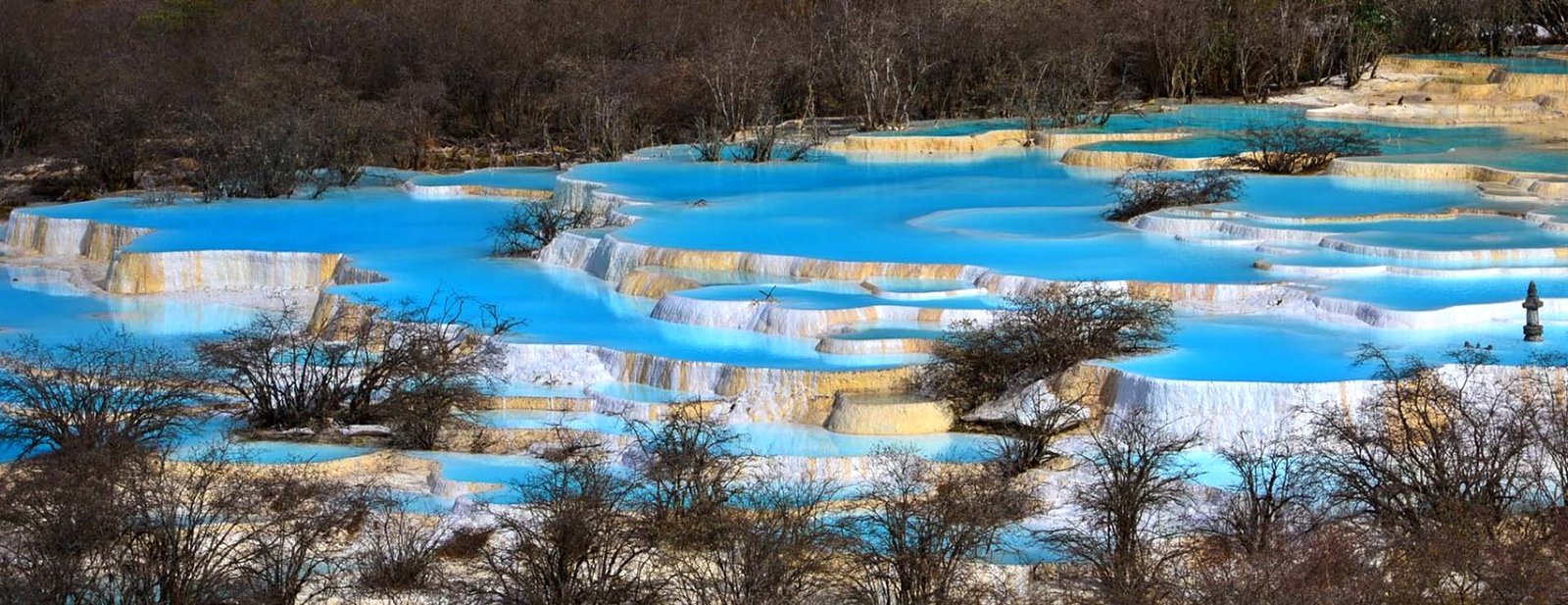
- Milk Sea (Orong Co): As the primary holy lake, it boasts translucent pale blue waters surrounded by white gravel, hence its name. Nestled at the foot of Yangmaiyong, it offers a stunning contrast between turquoise water, snow-capped peaks, and golden meadows in autumn.
- Five-Colour Sea (Danzeng Co): Located at 4,600 meters between Xiannairi and Yangmaiyong, this circular lake is renowned for its ever-changing hues, shifting with light and seasons. Revered alongside Tibet’s Yamdrok Lake, it is believed to reveal past and future lives to the devout and guide monks in finding reincarnated lamas.
- Pearl Sea (Zhuoma La Co): At 4,100 meters, this is the lowest and most accessible holy lake, formed by meltwater from Xiannairi. Its crystal-clear waters perfectly reflect Xiannairi’s peak, making it the backdrop for most of Yading’s promotional photos. The lake is a relic of a larger ancient lake that once covered the area.
Other Iconic Attractions
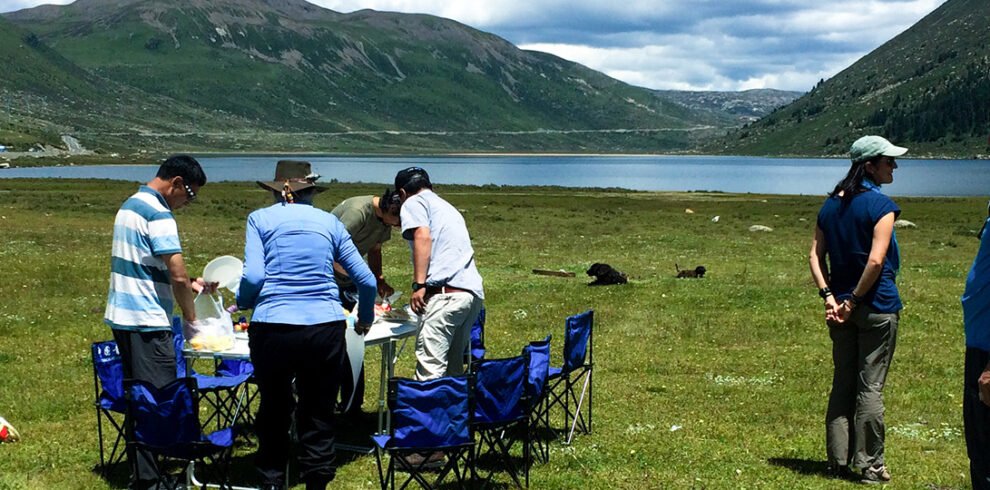
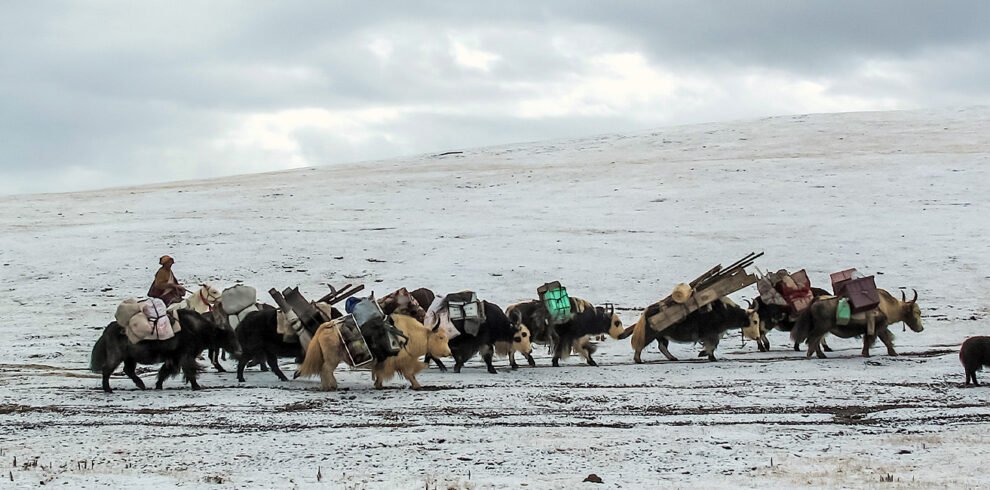
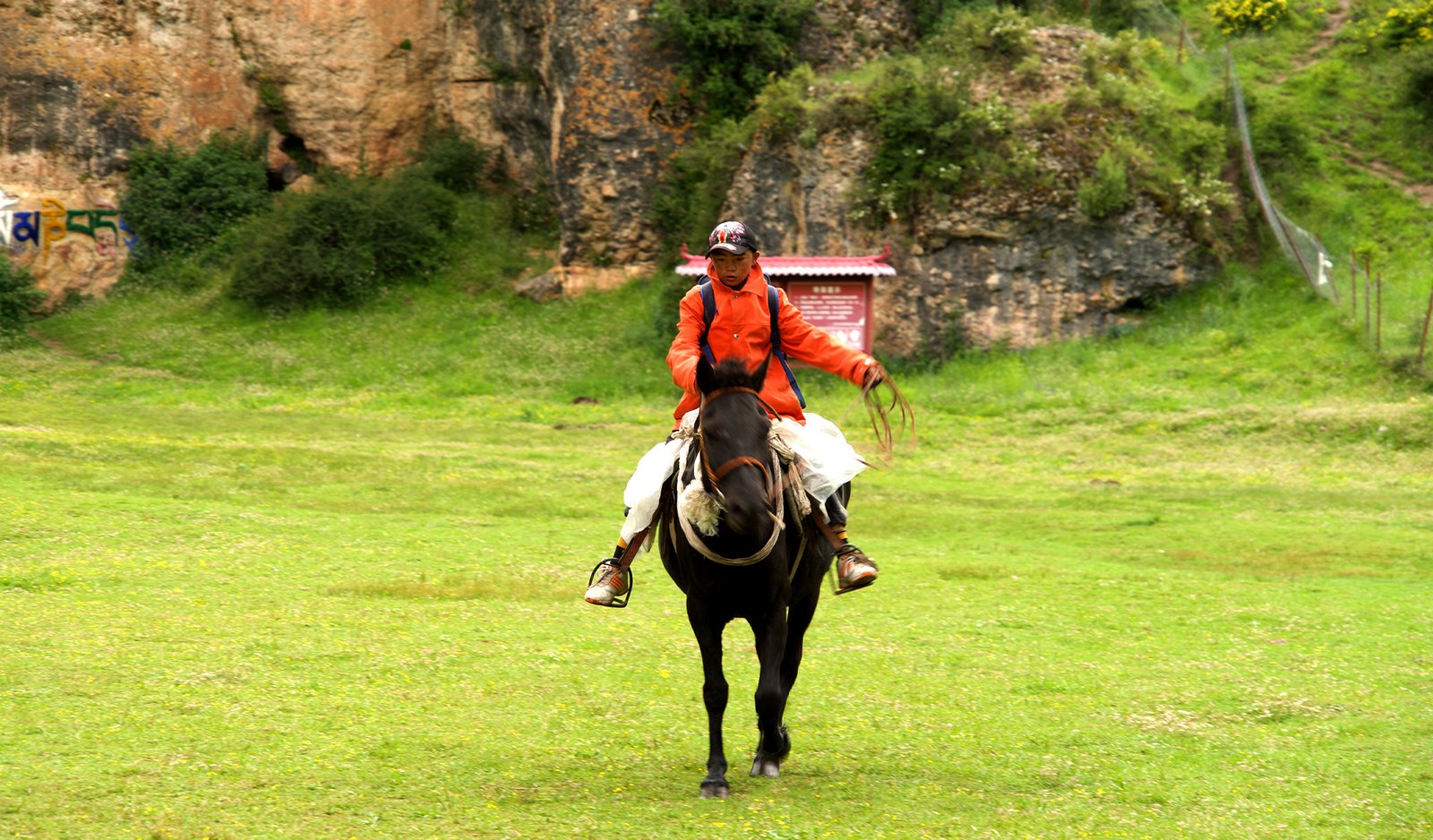
- Luorong Pasture: At 4,150 meters, this alpine meadow is surrounded by the three sacred mountains, with the Gongga River meandering through. Dotted with yaks, sheep, and wooden cottages, it is a natural pasture for local Tibetans and an ideal spot to admire the panoramic view of the sacred mountains.
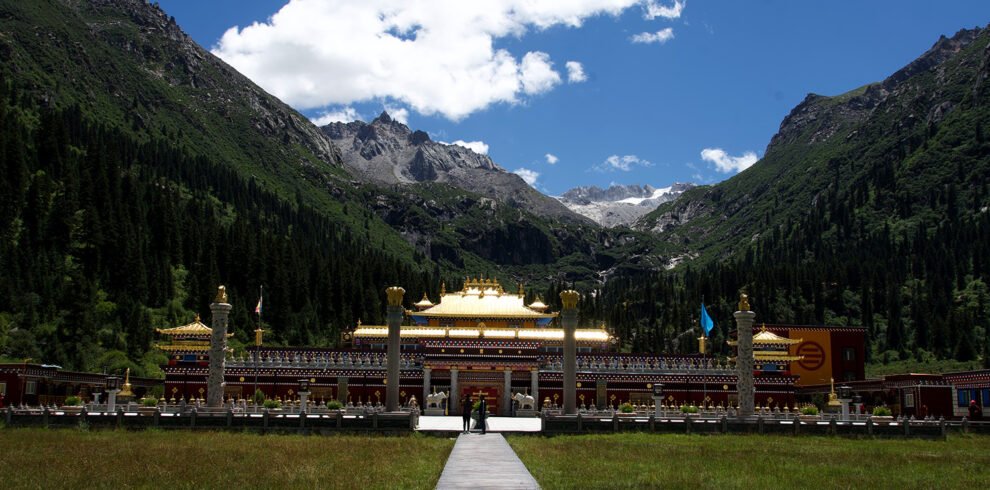
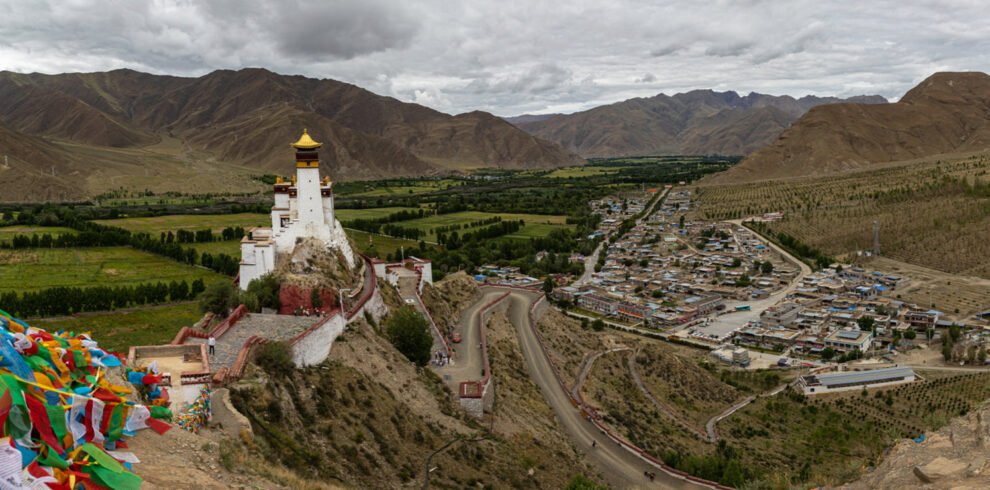
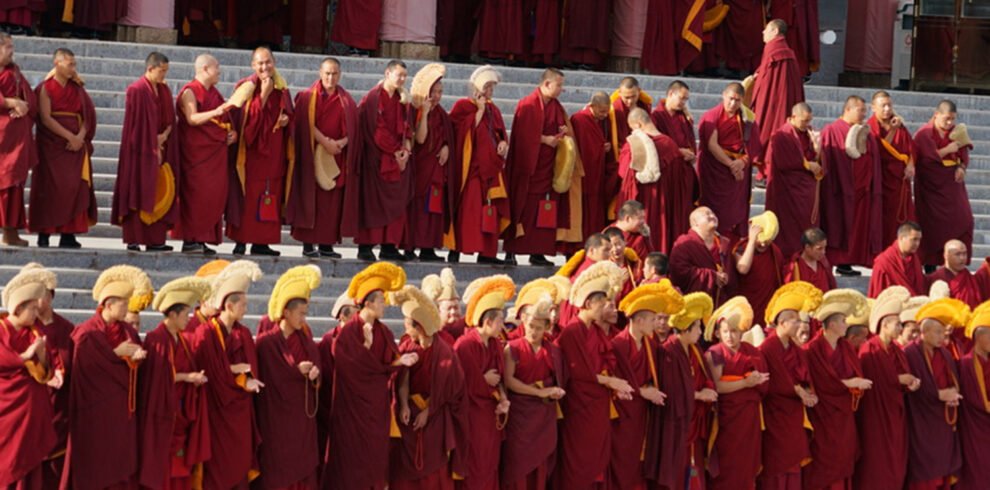
- Chonggu Monastery: Founded in the Yuan Dynasty at 3,900 meters, this ancient temple was built on reclaimed lake land. Legend holds that its founding monk cured local villagers of leprosy before passing away, and a grand mani pile stands in his memory. The monastery is a spiritual hub with a thriving community of pilgrims.
- Chonggu Meadow: A golden carpet of grass in autumn, crisscrossed by streams and framed by snow-capped peaks and poplar forests. Early mornings bring misty vistas, creating a fairy-tale atmosphere perfect for photography.
2. Unique Travel Characteristics
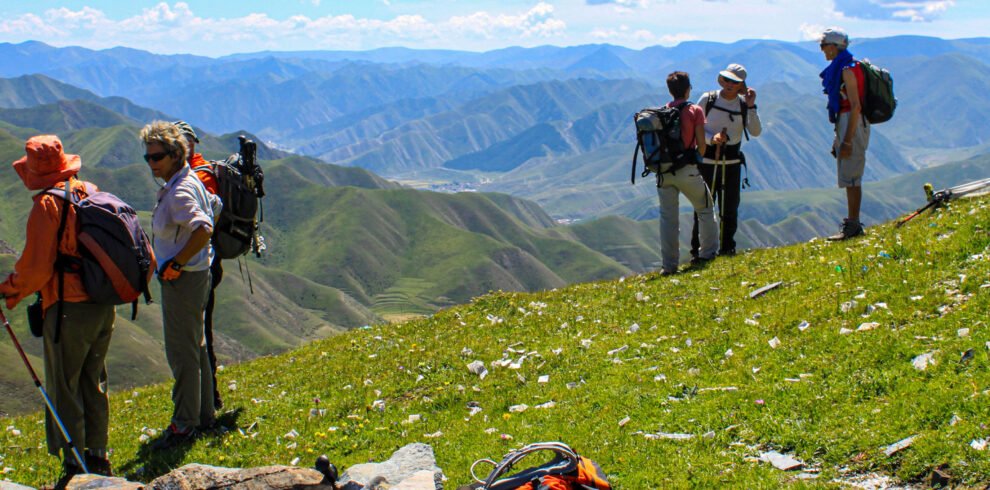
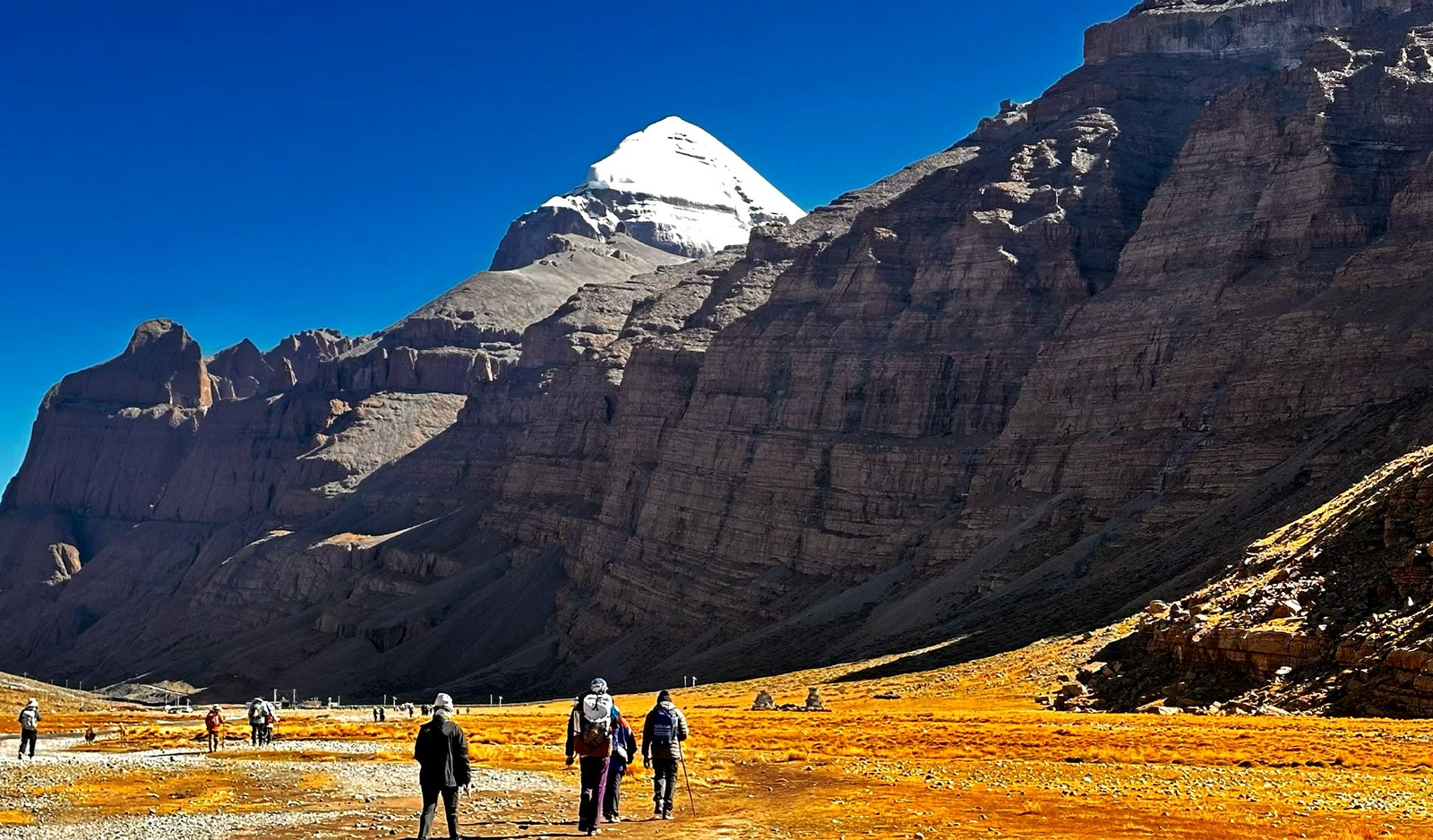
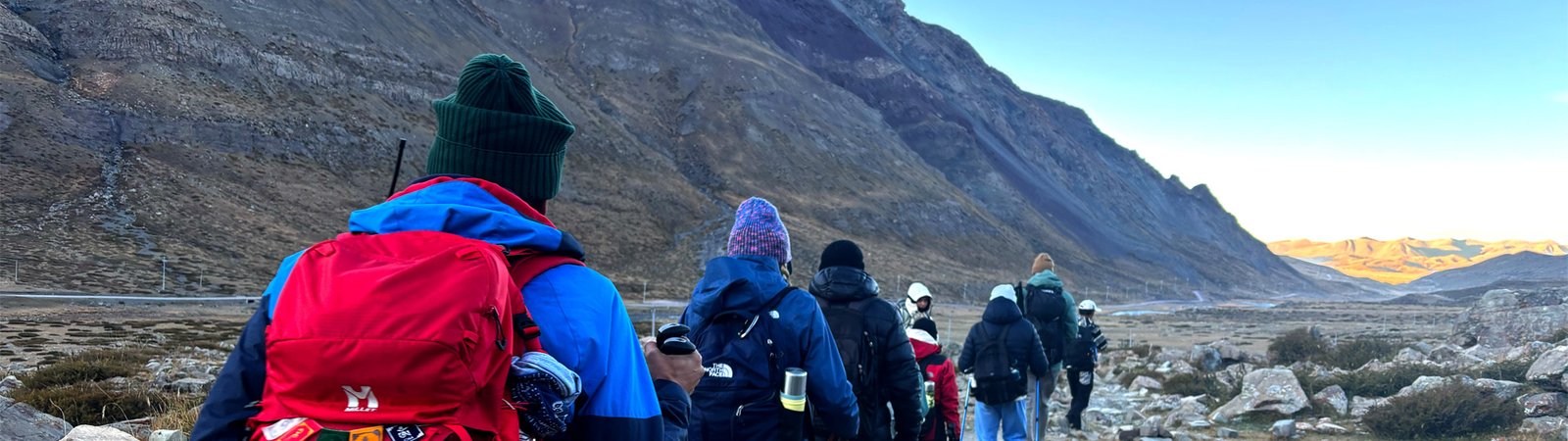
- Dual Hiking Experiences: Yading offers two distinct routes—long and short. The challenging 10-kilometre long route (5-8 hours round-trip) leads to Milk Sea and Five-Colour Sea, with a 1,000-meter altitude gain and steep gravel sections (last 1.5 km must be on foot). The gentle 2-hour short route to Pearl Sea is accessible to most visitors, showcasing Xiannairi’s beauty without extreme physical strain.
- Seasonal Splendour: Autumn (early Oct to early Nov) is the golden season, with vibrant foliage, clear skies, and perfect light for photography. Summer brings lush green meadows and wildflowers, while winter transforms the landscape into a snowy sacred realm.
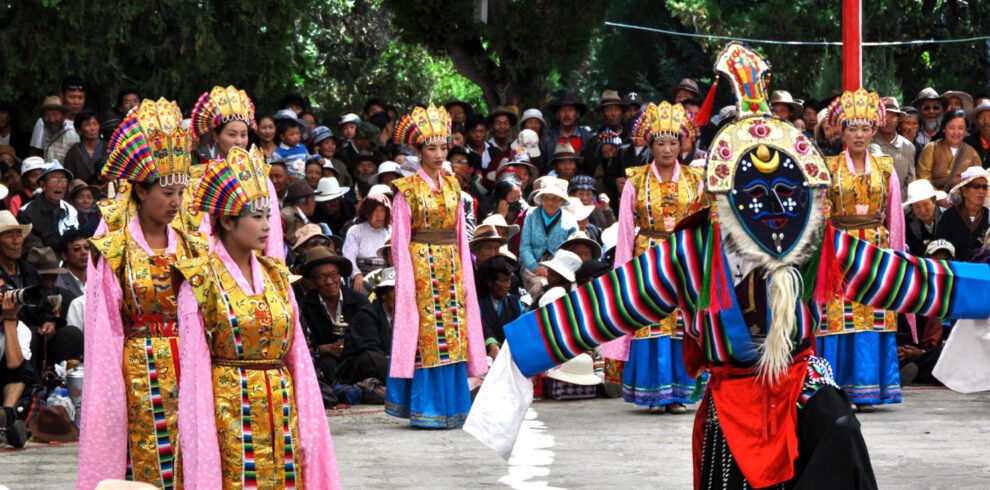
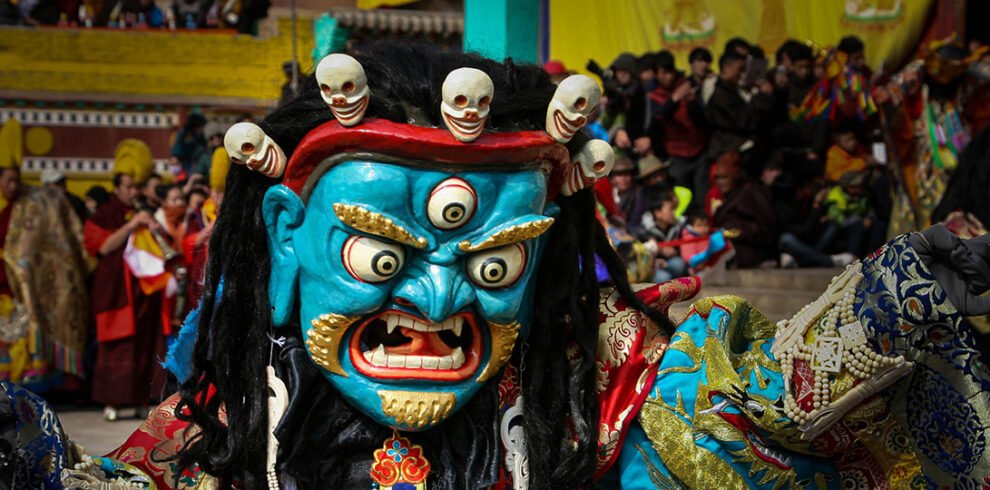
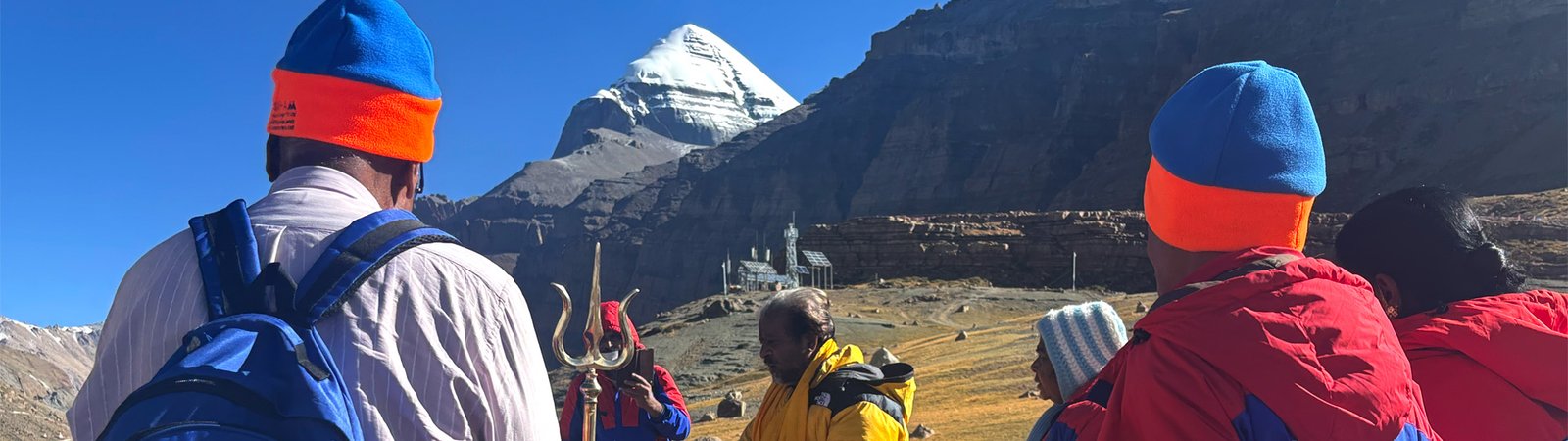
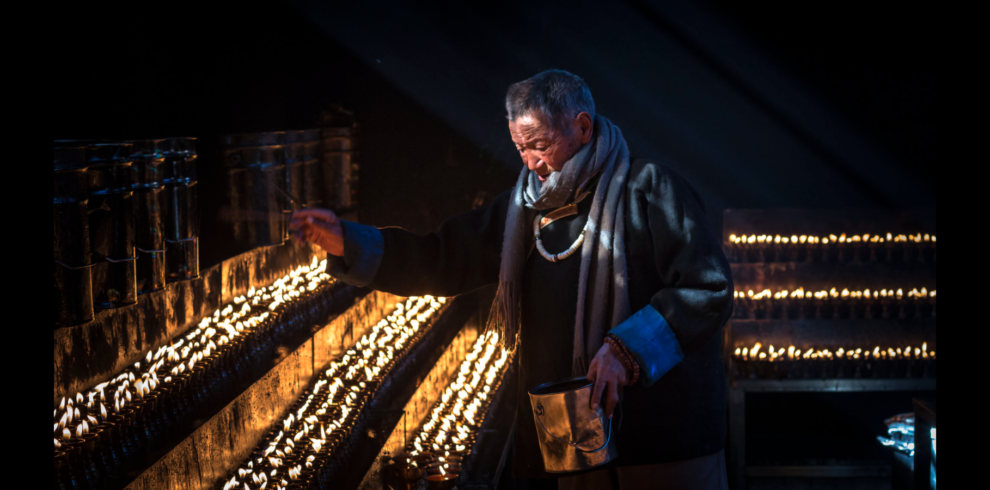
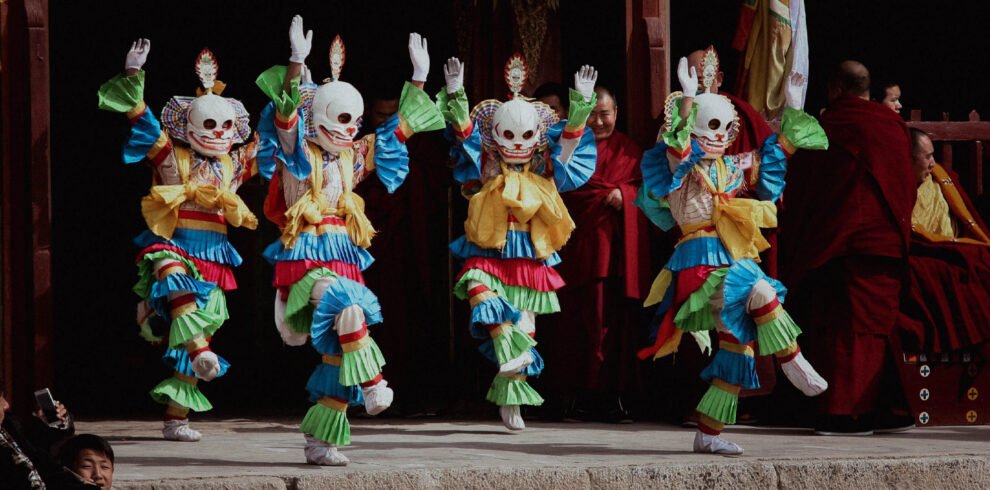
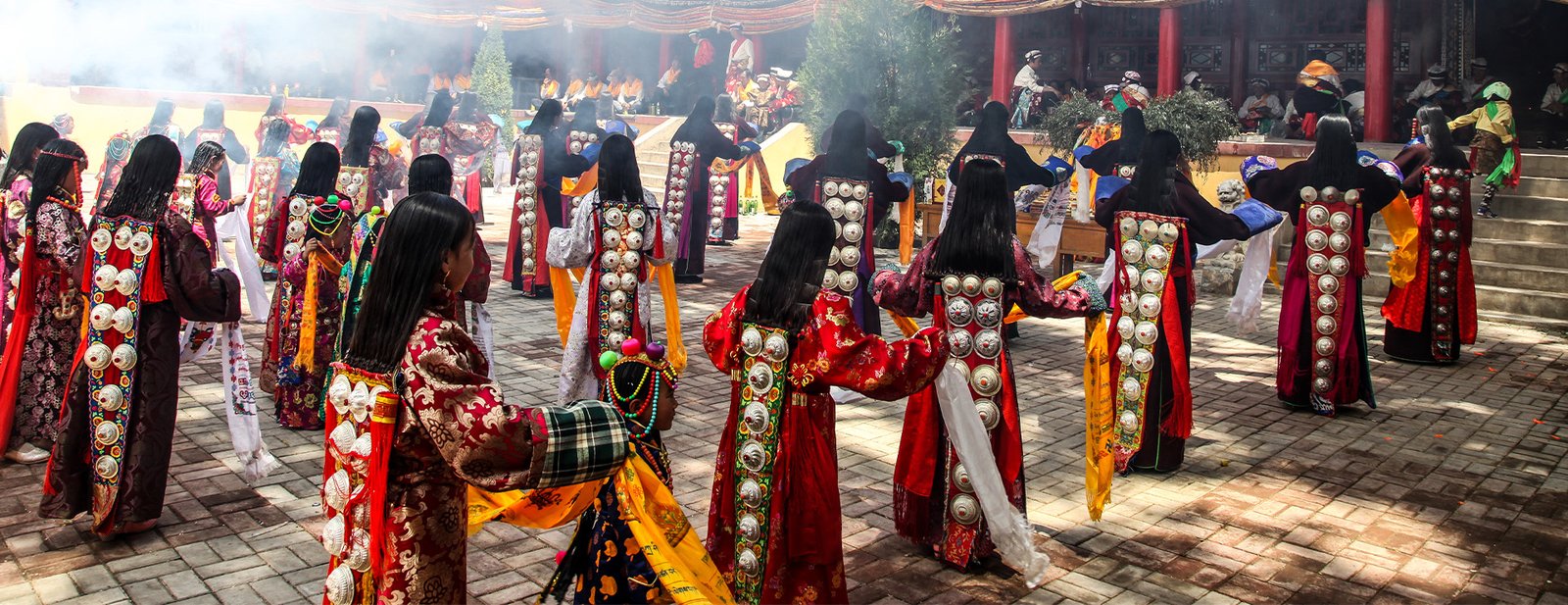
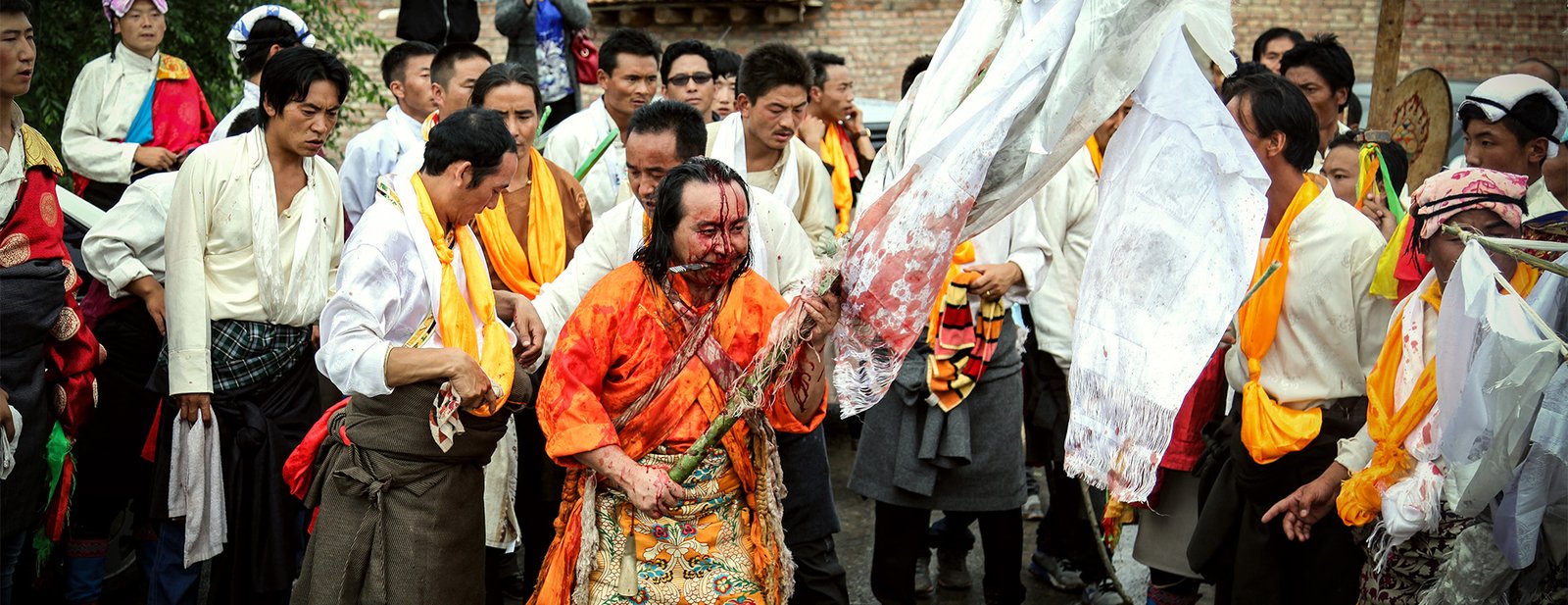
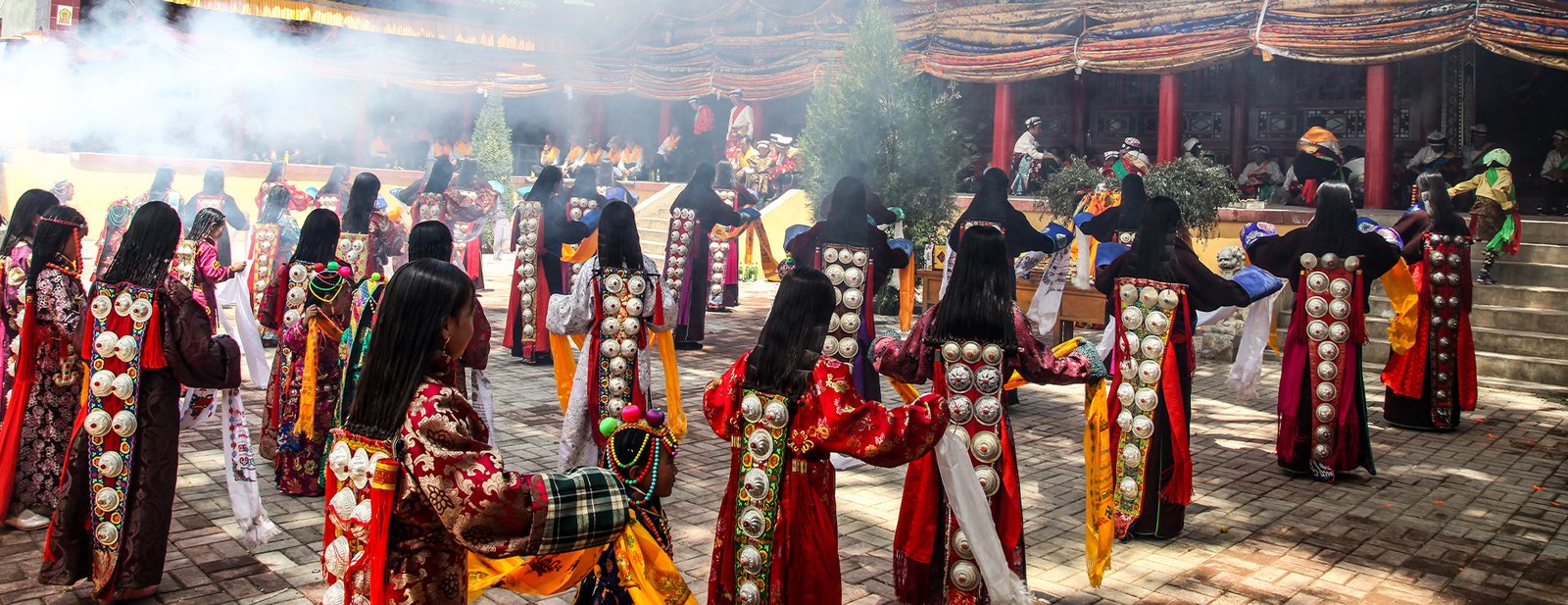
- Sacred & Primitive Charm: Less commercialised than other scenic areas, Yading retains its original wilderness and religious purity. It is a place for spiritual reflection, where travellers can witness devout pilgrims circumambulating sacred sites.
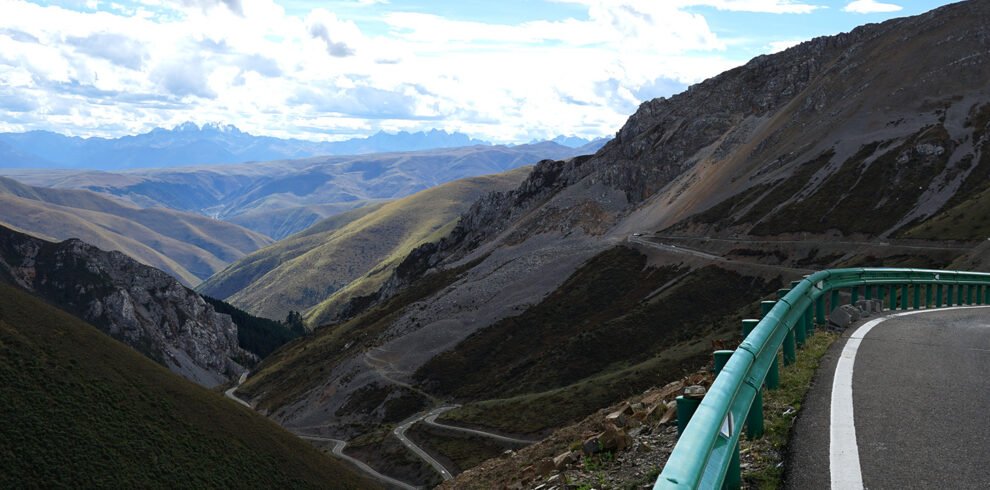
- Gateway to Western Sichuan Loop: A key stop on the Sichuan-Tibet tourism route, Yading connects to Litang, Kangding, and other iconic destinations, ideal for self-driving and multi-day plateau journeys.
3. Essential Travel Tips
- Altitude Adaptation: Most attractions exceed 4,000 meters. Acclimatise in Daocheng County (3,750 meters) first, carry portable oxygen and altitude sickness remedies, and avoid strenuous activity.
- Transportation: Fly to Daocheng Yading Airport (world’s highest civilian airport at 4,411 meters) and take an 85-yuan shuttle bus (2 hours) to Shangri-La Town. Self-driving from Chengdu takes 12 hours; 4WD is recommended for stability.
- Tickets & Logistics: Peak season (Apr 1-Nov 30) ticket: 146 yuan/person; off-season (Dec 1-Mar 31): 120 yuan/person. Discounts apply to minors, students, and seniors. Only 30 horses are available daily for the long route—book in advance via the official website.
- Hiking Prep: Start before 7 AM to avoid afternoon fog. Wear non-slip hiking shoes; rent trekking poles in the scenic area. Bring snacks and water as supplies are limited.
- Cultural Respect: Circumambulate sacred sites clockwise, ask permission before photographing monks or pilgrims, and dress modestly at temples. Respect local taboos regarding holy lakes and mountains.