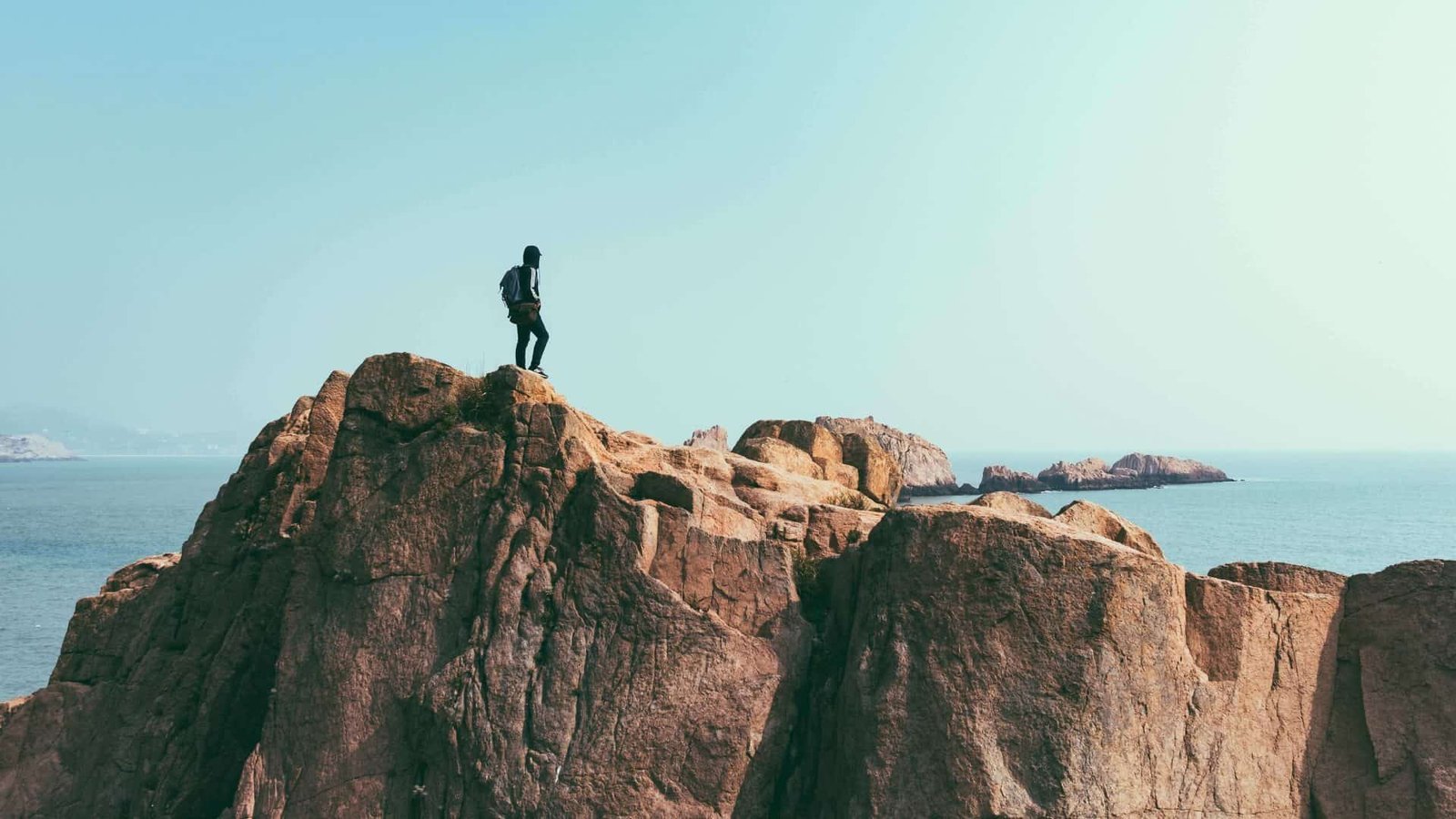
Headline: The Four-Province Tibetan Highlands Pilgrimage: A 20-Day Journey of Dual Purification Through Qinghai, Gansu, Sichuan, and Yunnan
Travel Theme: Where the Sky Meets the Soul — A Sacred Odyssey Through the Roof of the World
Tagline: From the source of the Yellow River to the snow-capped peaks of Meili, walk the path of pilgrims and discover the hidden sanctuaries of the Tibetan Highlands.
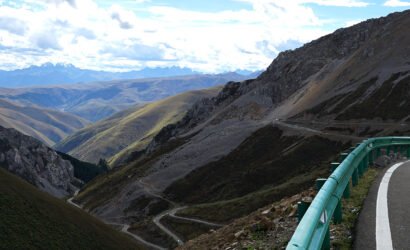
This extraordinary 20-day expedition is not merely a journey across four provinces—it is a profound pilgrimage designed for the modern seeker who yearns to reconnect with both the natural world and their inner self. Connecting the sacred landscapes of Qinghai, Gansu, Sichuan, and Yunnan, this meticulously crafted route weaves together the most iconic Tibetan Buddhist monasteries, pristine alpine lakes, vast grasslands, ancient fortified villages, and the majestic snow peaks of the Hengduan Mountains.
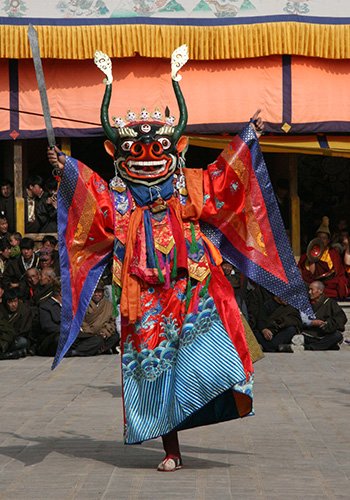
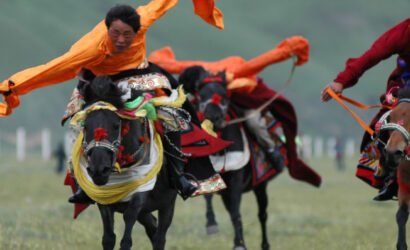
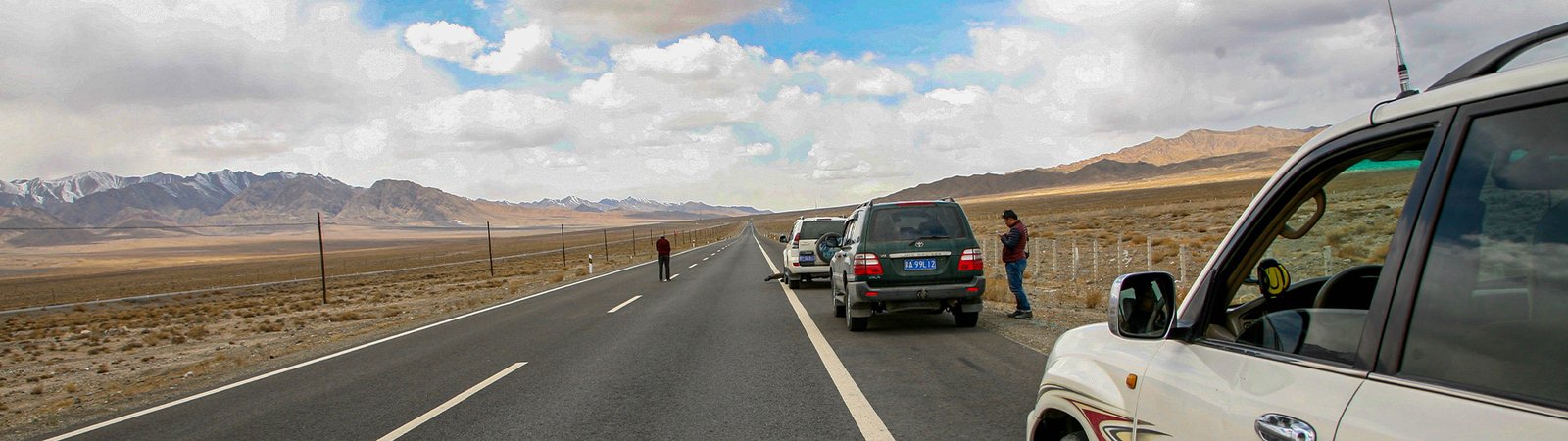
Begin at the “Roof of the World” gateway in Xining, where the golden spires of Kumbum Monastery mark the birthplace of Tsongkhapa. Trace the crystal-clear waters of the Yellow River at Guide, reflect in the mirrored surface of Chaka Salt Lake, and stand in awe before the sapphire expanse of Qinghai Lake. Cross into the sacred valleys of Gannan, where the world’s longest prayer wheel corridor at Labrang Monastery awaits. Venture deeper into Sichuan’s highlands, where the mythical villages of Danba cling to mountain slopes and the grasslands of Tagong stretch beneath the gaze of holy Yala Snow Mountain. Ascend to the “City of the Sky” Litang, then enter the hidden realm of Yading—a land of three sacred peaks revered as the embodiment of Buddhist deities. Cross into Yunnan to witness the sunrise over Meili Snow Mountain, Tibet’s most venerated peak, and descend through Shangri-La to the tranquil waters of Lugu Lake, before concluding in the spring city of Kunming.
This is a journey of dual purification: the raw, untamed beauty of the plateau cleanses the senses, while the living traditions of Tibetan Buddhism—the chanting monks, the spinning prayer wheels, the intricate art of Thangka—offer a path to inner stillness. With every step, you will shed the weight of the ordinary and embrace the extraordinary.
Overview
Travel is the movement of people between relatively distant geographical locations, and can involve travel by foot, bicycle, automobile, train, boat, bus, airplane, or other means, with or without luggage, and can be one way or round trip. Travel can also include relatively short stays between successive movements.
The origin of the word “travel” is most likely lost to history. The term “travel” may originate from the Old French word travail, which means ‘work’. According to the Merriam Webster dictionary, the first known use of the word travel was in the 14th century.
It also states that the word comes from Middle English travailen, travelen (which means to torment, labor, strive, journey) and earlier from Old French travailler (which means to work strenuously, toil). In English we still occasionally use the words “travail”, which means struggle. According to Simon Winchester in his book The Best Travelers’ Tales (2004), the words “travel” and “travail” both share an even more ancient root: a Roman instrument of torture called the tripalium (in Latin it means “three stakes”, as in to impale).