Wildlife & Nature
The Tibetan Plateau, renowned as the “Roof of the World,” is the highest and largest plateau on Earth, with an average elevation exceeding 4,500 meters. This vast elevated region features a unique and fragile ecosystem, comprising alpine meadows, glacial rivers, and towering mountain ranges that support an incredible array of wildlife and plant species, many of which are found nowhere else on the planet.
Iconic Wildlife of the Plateau
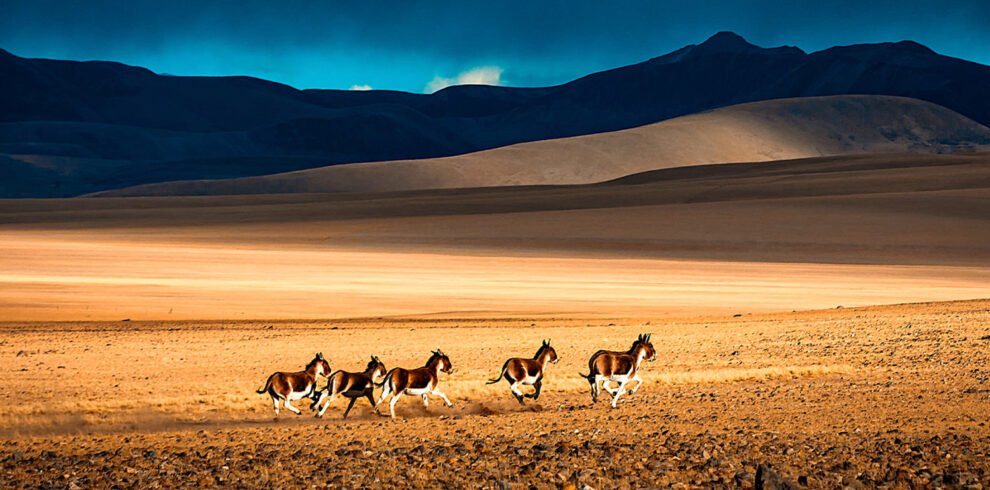
The wildlife of the Tibetan Plateau is characterized by remarkable adaptations to high-altitude, low-oxygen environments. Among the most iconic species are the Tibetan antelope (Chiru), known for its long migrations and fine underfur; the elusive snow leopard, a top predator of the rocky slopes; and the mighty wild yak, a robust animal vital to the plateau’s ecology. Other notable mammals include the Tibetan wild ass (Kiang), the Himalayan marmot, and the uniquely square-faced Tibetan fox.
The region is also a haven for birdlife, with over 650 species recorded. The Black-necked crane, a symbol of longevity in Tibetan culture, is one of the flagship species, primarily found in wetland areas.
Diverse Plant Life and “Asia’s Water Tower”
The plateau’s flora is equally diverse, hosting over 5,800 species of higher plants. The vegetation ranges from alpine grasslands and tundra to extensive primeval forests in the southeastern regions, which include species like Himalayan pine, fir, and spruce. The plateau is also rich in medicinal plants, such as the famous caterpillar fungus (Cordyceps sinensis), saffron, and snow lotus.
Ecologically, the Tibetan Plateau functions as “Asia’s Water Tower.” It is the source of many of Asia’s longest rivers, including the Yangtze, Yellow, and Mekong, with its tens of thousands of glaciers playing a critical role in sustaining water flows for hundreds of millions of people downstream.
Best Times and Places for Wildlife Viewing
For travelers hoping to experience this natural wonder, the best time to visit is during the spring (April-May) and autumn (September-October), when conditions are milder and wildlife is more active.
Excellent locations for wildlife and nature include:
• Changtang Nature Reserve: One of the best places to spot wild kiang, chiru, and Tibetan foxes.
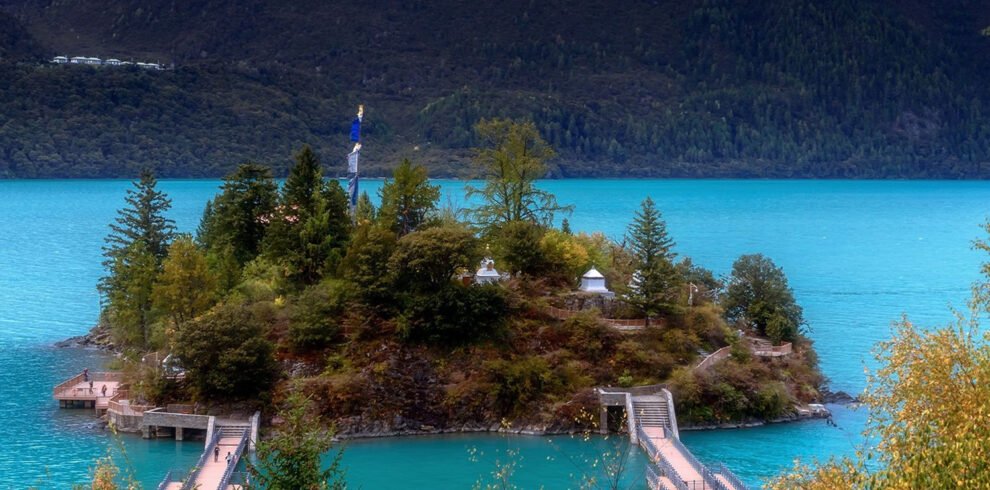
• Namtso Lake and Yamdrok Lake: Key habitats for migratory birds like the black-necked crane.
• Southeastern Tibet (Nyingchi area): Home to ancient forests, such as the World Cypress King Garden with trees over 2,000 years old.
Conservation and Responsible Travel
The plateau’s fragile ecosystem faces significant threats from climate change, habitat loss, and poaching. Conservation efforts, including the establishment of nature reserves like Changtang, are crucial.
As a visitor, practicing responsible tourism is essential. This includes following guide instructions, maintaining a safe distance from wildlife, not disturbing plants or animals, and ensuring you leave no trace of your visit to help preserve this unique environment for future generations.