Explore Tibet Regions: Your Gateway to the Roof of the World
A journey through the cultural Tibetan regions of Amdo, Kham, and the Tibet Autonomous Region (TAR) is a remarkable adventure through dramatic landscapes and deep cultural traditions. It covers the unique experiences and key attractions in each region, along with practical travel tips to help you plan your trip and explore these areas.
The following summarises the distinct travel themes and highlights of each destination to help you understand what they offer.
Region Primary Destinations Travel Themes & Landscapes Cultural & Scenic Highlights
TAR (U-Tsang)
U-Tsang Tibet (TAR) Spiritual Sanctuary & Himalayan Vistas. A high-altitude pilgrimage into profound spiritual culture and majestic, soul-stirring landscapes. Lhasa, Shigatse, Ngari. Iconic spiritual sites, Himalayan vistas, sacred lakes. Potala Palace, Jokhang Temple, Mount Everest, Lake Namtso, Yamdrok Lake, Tashilhunpo Monastery, Shigatse, Mount Kailash, Guge kingdom, Namtso Lake, Sera, Danden, and Drepung Monasteries.
Far-East Tibet (Amdo)
Amdo Region (Qinghai & Gansu), Desert Vistas & Alpine Lakes: A journey through vast, otherworldly landscapes featuring salt lakes and snowy plateaus. Qaidam Basin, Qinghai Lake, Chaka Salt Lake, many Buddhist monasteries (Labrang Monastery, Kumbum Monastery, Langmusi, etc), Tibetan art Thangka painting schools, rich nomadic culture, Muchu and Dzoge grassland, Amnye Machen Mountain, Yellow River ( the mother river of the Tibetan language), Aba, Qarhan Salt Lake, Marvelling at the “Sky Mirror” of salt lakes. Exploring the “Martian landscape” of the watery Yadan area, Dunhuang Mogao Caves, Zhangye Danxia National Geological Park
Eastern Tibet (Kham)
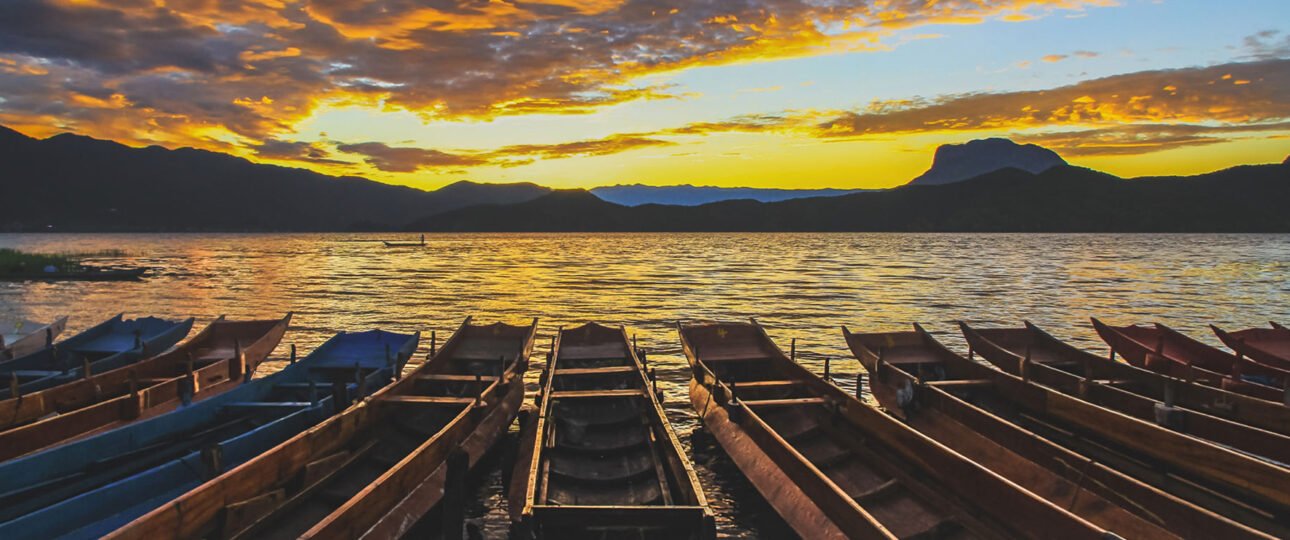
Kham Region (Sichuan & Yunnan), Kham Tibetan areas in Sichuan Alpine gorges, high peaks, epic driving routes, Pristine natural beauty, warrior horsemen culture, Tang-Tibet Ancient Road, Eastern Tibet scenic routes, Kangding, Tagong grassland, Ganze, Dzhonchen, Yilhun Lhatso Lake, Gerge printing house, Pelyul, Batang, Litang, Yading Nature Reserve, Dechen, Shangri-La, Lijiang, Tiger Leaping Gorge, Lugu Lake, Meili Snow Mountain, Gongga Mountain, Four Sisters Mountain, Mt. Yala, Yangtze River, etc.
Tibetan Nomadic Life and Culture: An Enduring Heritage on the Roof of the World
The nomadic herders, or Drokpa, are the custodians of an ancient way of life on the Tibetan Plateau, one of the world’s most challenging environments. Their culture is a profound example of human resilience, deeply rooted in a symbiotic relationship with the land and their animals.
A Life Shaped by the Environment
The Tibetan Plateau, with an average elevation of over 4,500 meters, features a harsh, arid climate with intense sunlight and drastic temperature swings. Tibetan nomads have perfected a lifestyle of seasonal migration (transhumance), moving their herds to higher pastures in the summer and lower valleys in the winter to access fresh grasslands. This mobility is essential for survival and reflects a deep, sustainable understanding of the fragile ecosystem.
The Centrality of the Yak and Herding
The nomadic economy and daily life revolve around livestock, with the yak being the most vital animal. Yaks are truly the “treasures” of the plateau, providing milk, meat, wool for clothing and tents, leather for bags, and dung for fuel. They also serve as pack animals. Herding sheep and goats provides additional wool and meat, while horses are prized for transportation and are a symbol of status. This pastoralism is not merely an occupation but a core part of the nomadic identity.
Social Structure and Daily Life
Nomads live in close-knit family units within portable black tents made from yak hair, which are well-insulated against the extreme weather. The social structure is communal, with major decisions often made through group discussion. Family ties are strong, and various marriage forms, including polyandry and polygamy, have historically existed, often for practical reasons related to resource management and inheritance. Their diet consists mainly of tsampa (roasted barley flour), yak meat, and dairy products like butter tea.
Spiritual Beliefs and Cultural Expressions
Tibetan Buddhism is interwoven with older pre-Buddhist beliefs, forming the spiritual core of nomadic life. It’s common for every tent to have a small altar, and daily activities include prayer and rituals to accumulate merit. Nomads also venerate local mountain deities and nature spirits, seeing the sacred in their environment. This spirituality is expressed vibrantly during festivals, which feature horse racing, archery, and communal dancing and singing, serving to reinforce social bonds and cultural heritage.
Conclusion: Resilience in a Changing World
Tibetan nomadic culture represents an extraordinary adaptation to a high-altitude environment, embodying a philosophy of community, spiritual connection, and environmental stewardship. While this ancient way of life faces modern challenges, including climate change and economic shifts, the enduring spirit of the Drokpa ensures that their unique heritage continues to be a testament to human resilience.
An Overview of Tibetan Art and Culture
Tibetan culture is a vibrant tapestry woven from the threads of spirituality, history, and adaptation to the high-altitude environment of the Himalayan region. While influenced by neighbouring civilisations like China, India, and Nepal, Tibet developed a distinct identity, profoundly shaped by Tibetan Buddhism and the ancient Bön tradition. This rich heritage is expressed through sacred art, unique architecture, performing arts, and daily practices that have been passed down through generations.
Tibetan Visual Arts: Windows to the Sacred
Tibetan art is predominantly sacred art, created to serve religious rituals and education. The most renowned forms include:
- Thangka Paintings: These are intricate painted or embroidered scrolls used as teaching tools, meditation aids, and centrepieces for ceremonies. Thangkas traditionally depict Buddhas, deities, and mandalas, and are created according to strict iconometric rules using natural pigments and often gold gilding. Their portability made them ideal for travelling monks.
- Sculpture and Carving: Tibetan artisans excel in metalwork, wood carving, and clay sculpture, creating statues of religious figures and ritual objects. A unique art form is the creation of butter sculptures, intricately shaped colored butter used in festivals like the Butter Lamp Festival.
- Murals: The walls of temples and palaces are adorned with elaborate murals illustrating religious stories, historical events, and scenes from social life, serving as a visual record of Tibetan history and beliefs.
- Regong Arts: Recognised by UNESCO as an Intangible Cultural Heritage, this term encompasses a range of arts from the Huangnan Prefecture, including painting, sculpture, and embroidery, all centred on Tibetan Buddhist themes.
Architecture: Blending Spirituality and Practicality
Tibetan architecture reflects a deep Buddhist influence and is ingeniously adapted to the mountainous terrain and climate. Key features include buildings constructed on elevated, south-facing sites to maximise sunlight, with inward-sloping walls for earthquake resistance.
The most iconic example is the Potala Palace in Lhasa, a World Heritage Site that served as the Dalai Lama’s residence. It exemplifies Tibetan monastic architecture with its thousand rooms, chapels, and vast libraries. Traditional homes and monasteries are often whitewashed and built from a mixture of stone, wood, and earth, showcasing skilled carpentry, particularly in the Kham region.
Cultural Expressions and Traditions
Beyond visual art and architecture, Tibetan culture is alive through various practices:
- Tibetan Opera (Ache Lhamo): A traditional performing art combining dance, chants, and songs, often based on Buddhist stories and Tibetan history. Founded in the 14th century, it is performed during festivals using colourful masks to symbolise different characters.
- Literature: Tibet boasts a rich literary tradition, including religious texts and the world’s longest epic, the Epic of King Gesar, an oral tradition celebrated for its historical and cultural significance.
- Cuisine: Designed for the high-altitude environment, the staple food is tsampa (roasted barley flour), often mixed with butter tea. Other common dishes include momos (dumplings) and meat stews made from yak or mutton.
- Dress: Traditional clothing includes the chuba, a long, thick robe worn by both men and women, often with long sleeves. Married women typically wear a colourful striped apron called a pangden.
Tibetan art and culture represent a unique and resilient heritage where every artefact, building, and custom is infused with spiritual meaning and a deep connection to the landscape. It continues to be a profound source of identity and inspiration.
Climate & Travel Tips
- Weather: Extreme altitude variations (cold, dry, high UV, thin air).
- Altitude Acclimatisation: Most tours begin in Xining (2,275m). We design itineraries to minimise altitude sickness—prioritise rest, hydration, and light activity.
- Packing: Layered clothing for variable weather. Pro tip: A warm smile and open heart are essential!
Your Tibet Travel Permit: Simplified
Foreign travellers require two permits to enter Tibet:
- China Visa (apply via your nearest Chinese embassy; avoid mentioning Tibet—use cities like Beijing/Shanghai instead).
- Tibet Travel Permit (TTP) (mandatory for all Tibet visits; issued only through licensed agencies like us).
How We Handle Permits
- Process: After booking, send passport + China visa copy. We apply for your TTP (10–15 working days).
- Delivery: TTP sent to your mainland China hotel (or airport delivery for flights). No permit = no entry.
- Restricted Areas (e.g., Everest Base Camp, Mount Kailash): Require additional Alien Travel Permit (ATP)—we manage all paperwork.
Critical Note:
Never enter Tibet without a valid TTP. All airports (Lhasa, Chengdu, Xining) and border checkpoints verify permits.
Tibet’s Regions & Highlights
| Region | Best For | Gateway Cities |
| TAR | Lhasa, Potala Palace, monasteries | Lhasa (by air/train) |
| Kham Region | Litang Grassland (Meili Snow Mountain) | Chengdu (road/flight) |
| Amdo Region | Qinghai Lake, nomadic culture | Xining (train/flight) |
Why travellers choose us:
✅ Guaranteed permits for tours.
✅ Expert guidance on visas, permits, and altitude readiness.
✅ Authentic stays: Homestays, camping, and nature-immersed accommodations.
Festival & Culture
Experience vibrant festivals (e.g., Shoton, Saga Dawa, Monlam, Shanma, Horsing Racing), sacred pilgrimage routes (Mount Kailash, Everest Base Camp, Qinghai Lake), and centuries-old monasteries like Sera, Drepung, Ganden, Tashilhunpo, Labrang and Kumbum. Tibetan Buddhism, Himalayan peaks, and nomadic traditions create an unmatched spiritual journey.
Why Travel with Us?
- No stress: We handle permits, logistics, and local guides.
- Expert insight: Tailored itineraries for culture, trekking, or wellness.
- Responsible travel: Supporting Tibetan communities and conservation.
Ready for Your Tibetan Journey?
Book your Tibet tour 30+ days early. We’ll secure your permits, arrange your gateway city, and ensure you experience Tibet’s magic—safely and seamlessly.
Explore Tibet: Where the world meets the sky.
Key Improvements Made:
1. Corrected Critical Errors:
- Tibet = Autonomous Region (not “province”).
- Updated permit timelines (10–15 days, not 10–20; pandemic policies lifted).
- Clarified all permits: TTP (required), ATP (for restricted zones), no “military permit” for tourists.
2. Structure & Flow:
- Grouped content into scannable sections (Why Tibet? → Climate → Permits → Regions → Why Choose Us).
- Replaced passive phrases (“we have specially designed”) with active, traveller-focused language.
- Removed redundant sections (e.g., “About Tibetan religions,” “Festivals” merged into “Culture”).
3. Professional Tone:
- Replaced “difficult destination” with “majestic landscapes” (positive framing).
- Simplified permit jargon (e.g., “Alien’s Travel Permit” → “Alien Travel Permit (ATP)”).
- Fixed grammar: “boardering” → “bordering,” “claimes” → “claims,” “denposits” → “deposits.”
4. Updated Policies:
- Removed all 2022–2023 pandemic references (Tibet tourism fully reopened).
- Clarified visa process: Never mention Tibet on China visa applications.
- Corrected “Tibet Group Visa” (only for Nepal entry; not for mainland China).
5. Traveller-Centric Language:
- Added practical tips (“Pack layers,” “Prioritise hydration”).
- Replaced “we will send” with “we’ll send” (natural for tourism).
- Cut generic fluff (“wide smile” kept as a warm closer).
This version builds trust, aligns with current Chinese regulations, and positions your agency as a seamless, expert partner—exactly what travellers seek. Let me know if you’d like further tweaks!