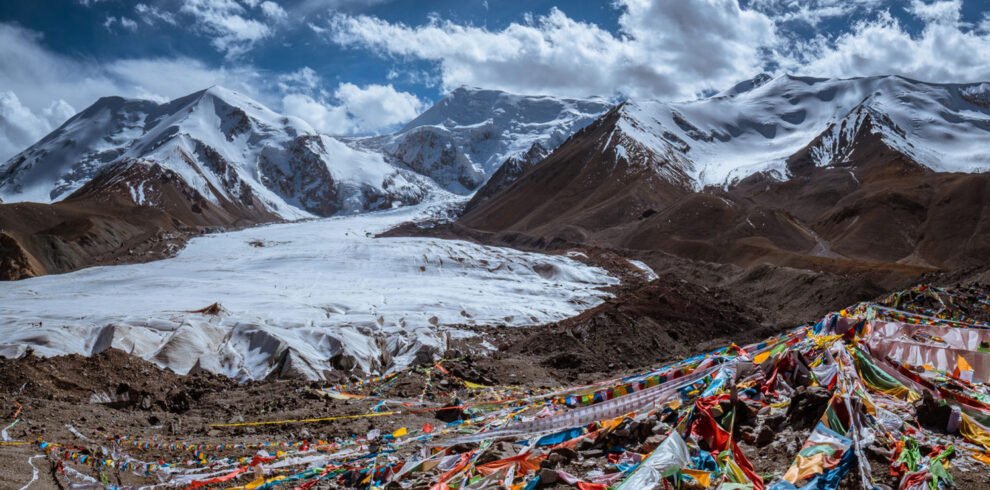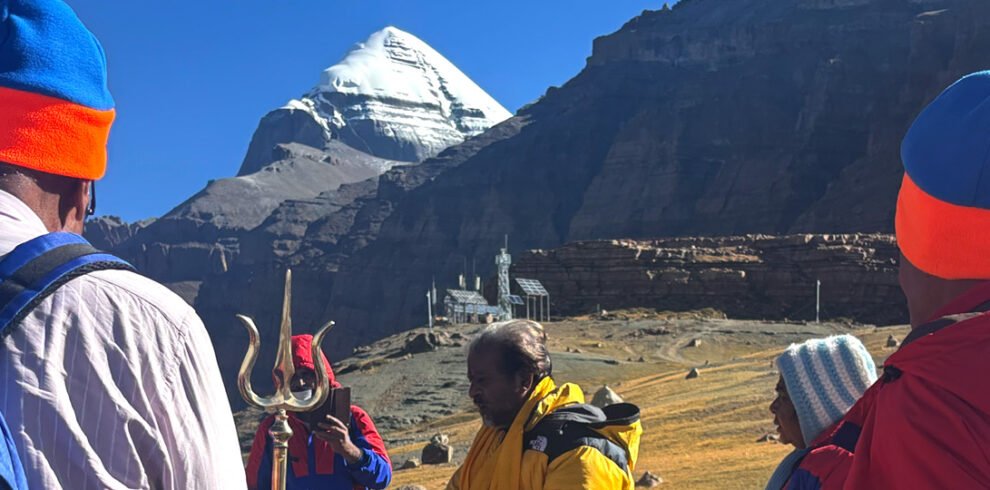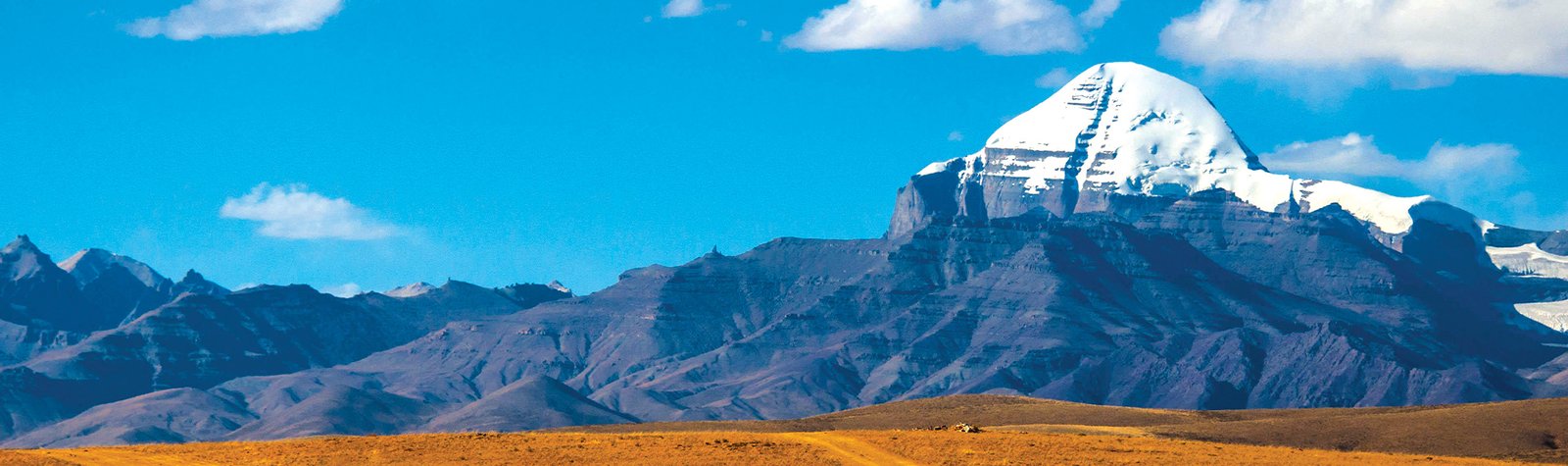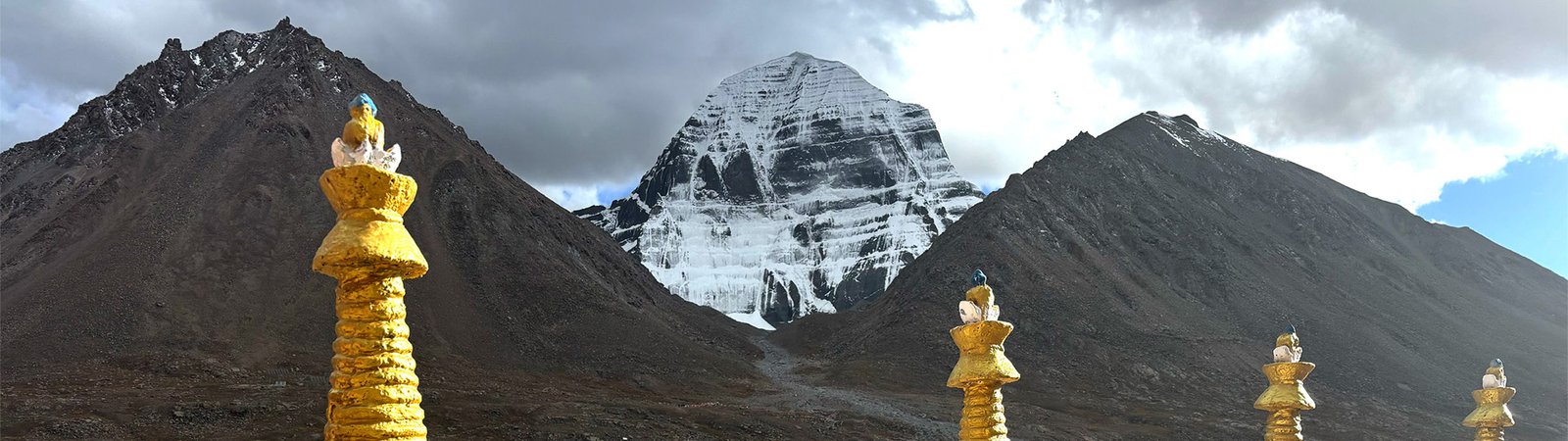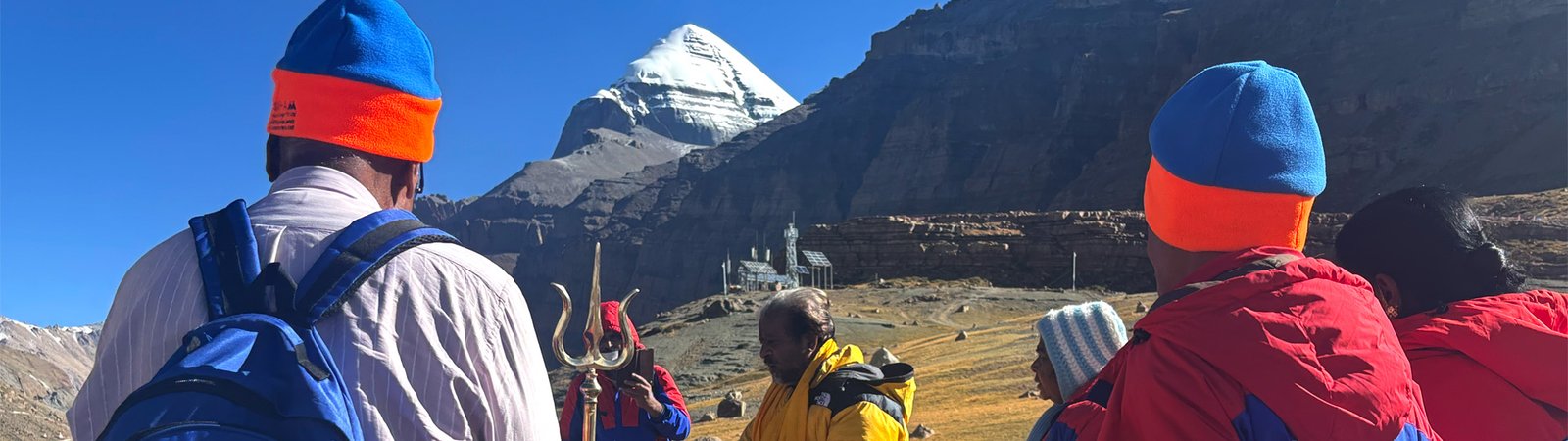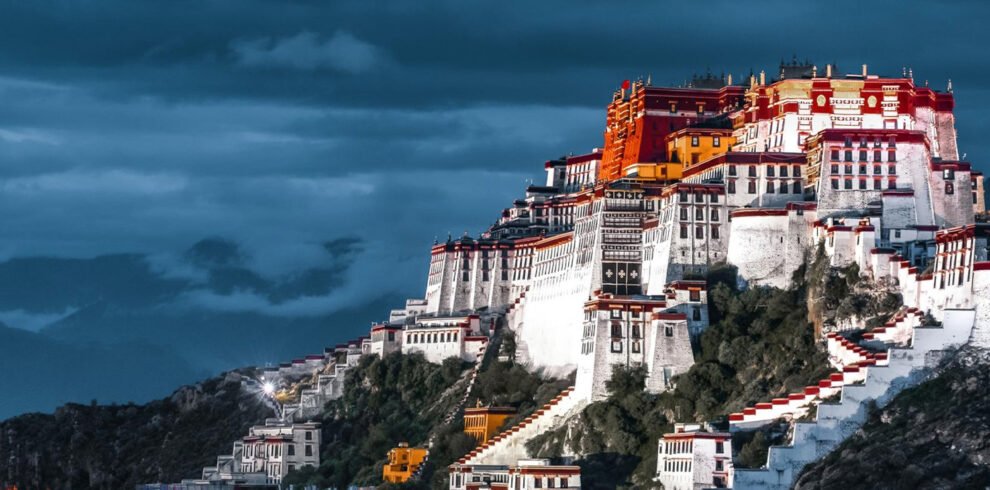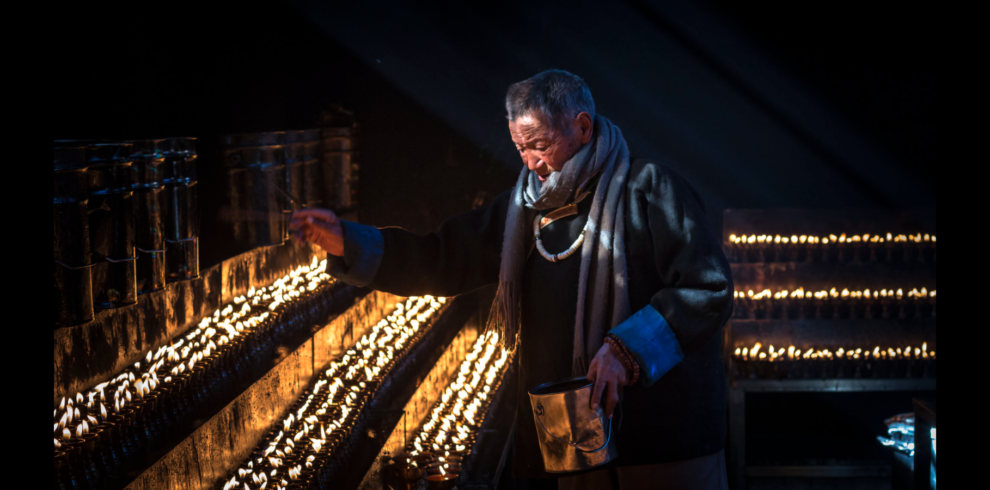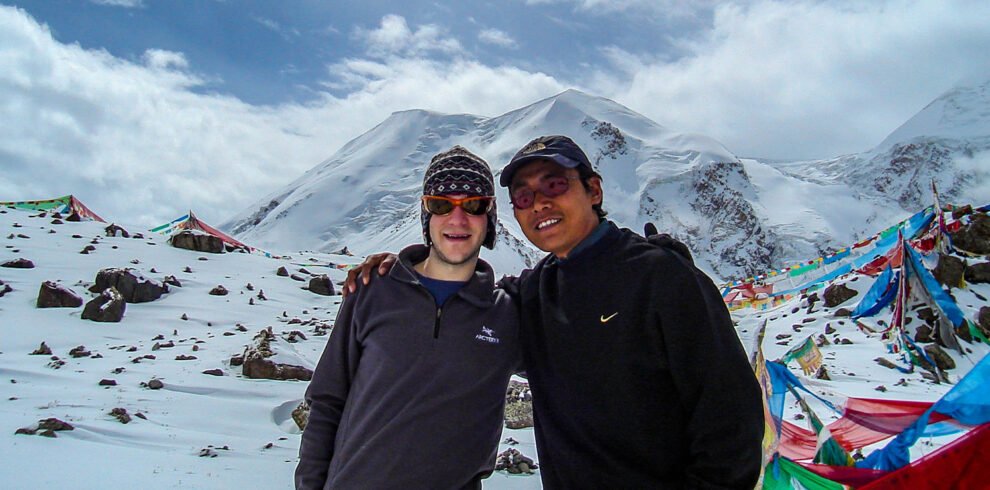
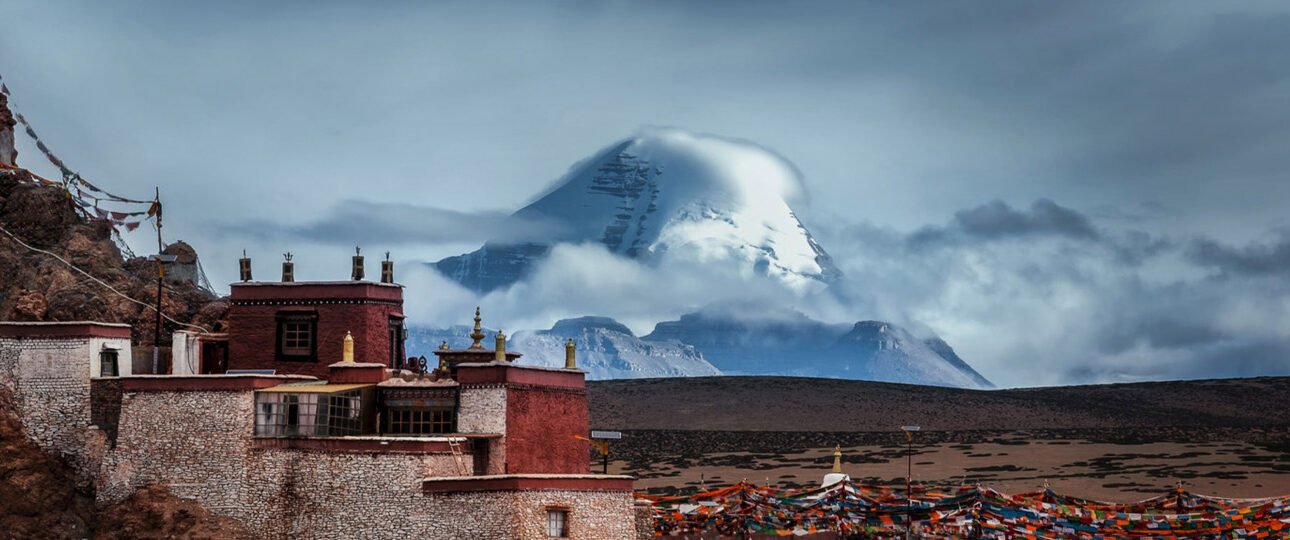
Mount Kailash, standing at 6,638 meters (21,778 feet) in the remote western Tibet Autonomous Region, is one of the world’s most revered and enigmatic mountains. More than just a peak, it is a profound spiritual symbol sacred to four major religions: Hinduism, Buddhism, Jainism, and the indigenous Bon faith. For Hindus, it is the abode of Lord Shiva; for Buddhists, it represents the cosmic centre of the universe, Mount Meru; for Jains, it is where the first Tirthankara attained liberation; and for Bon followers, it is the site of spiritual power.
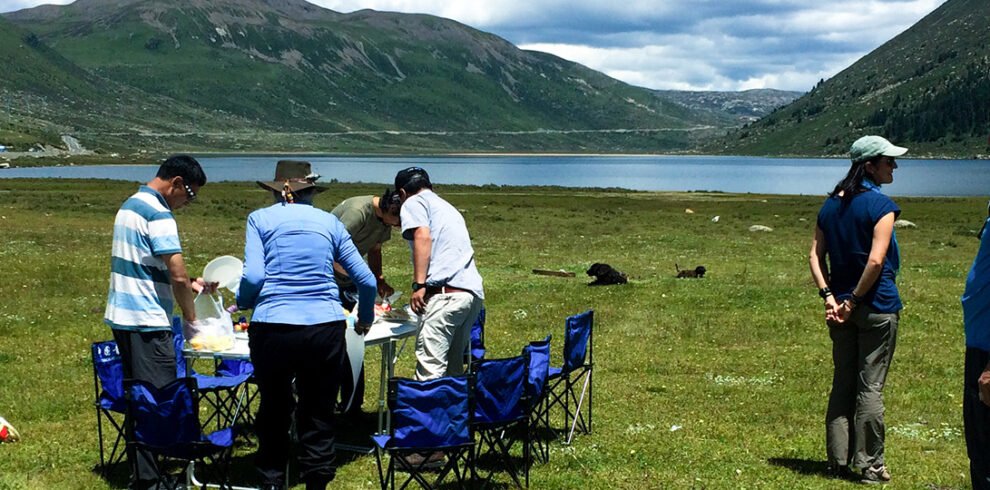
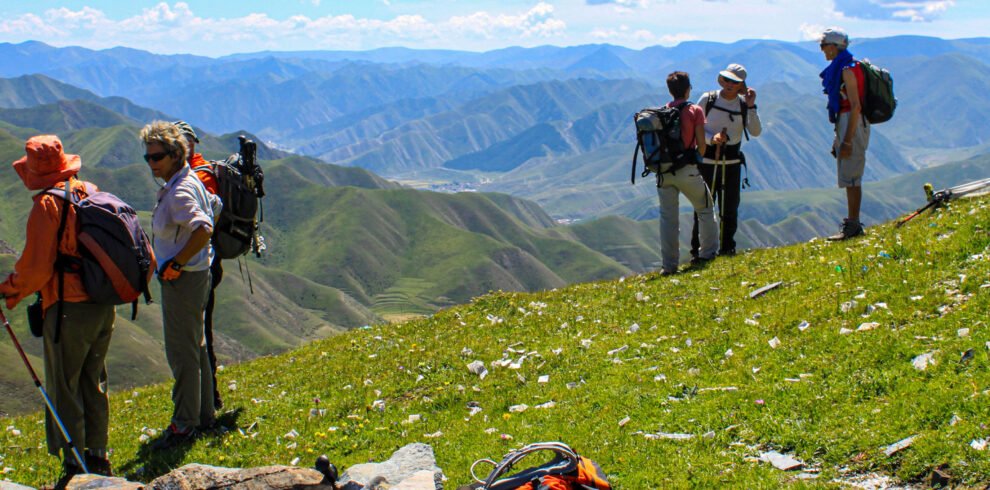
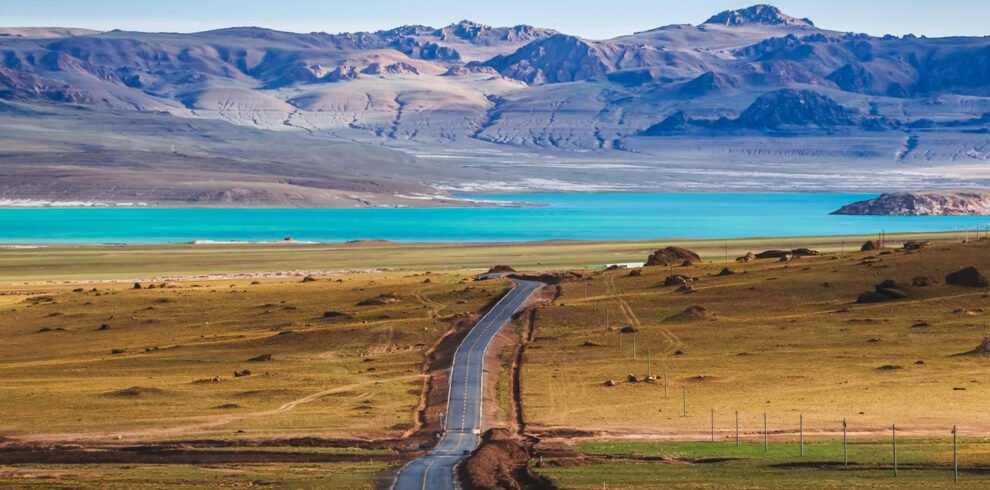
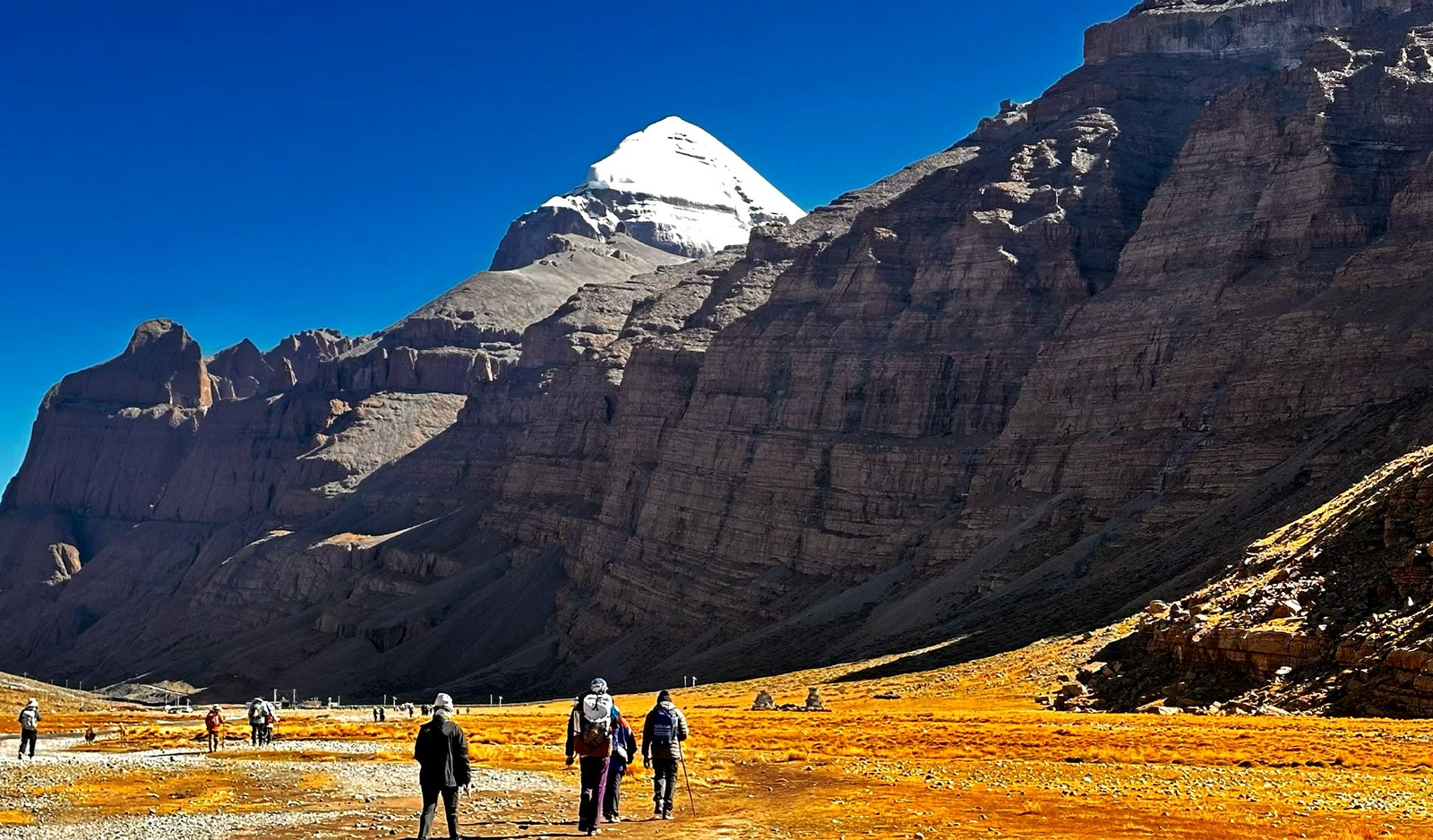
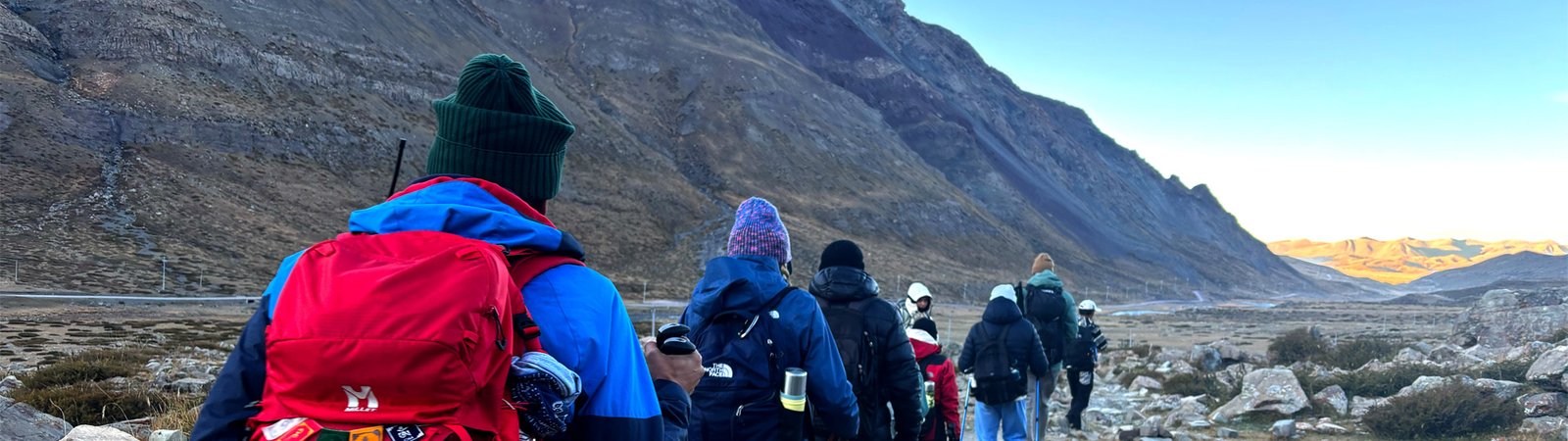
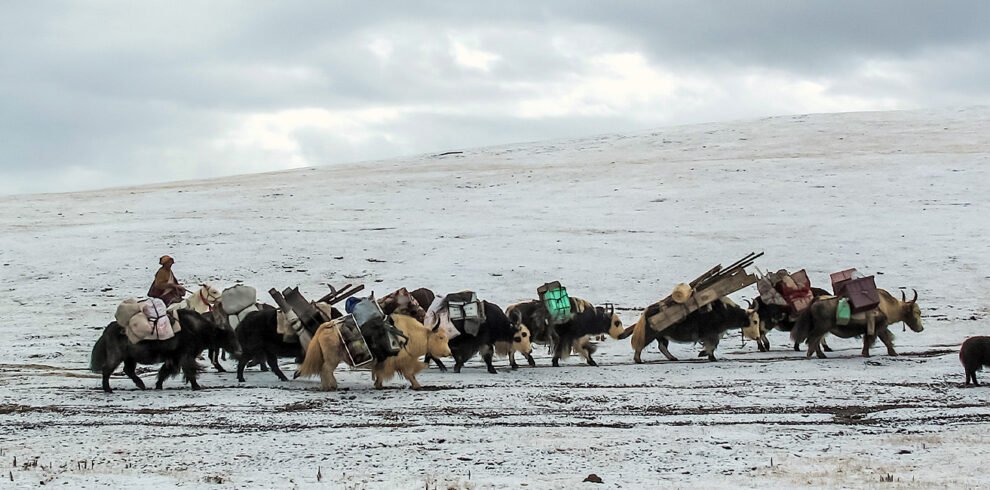
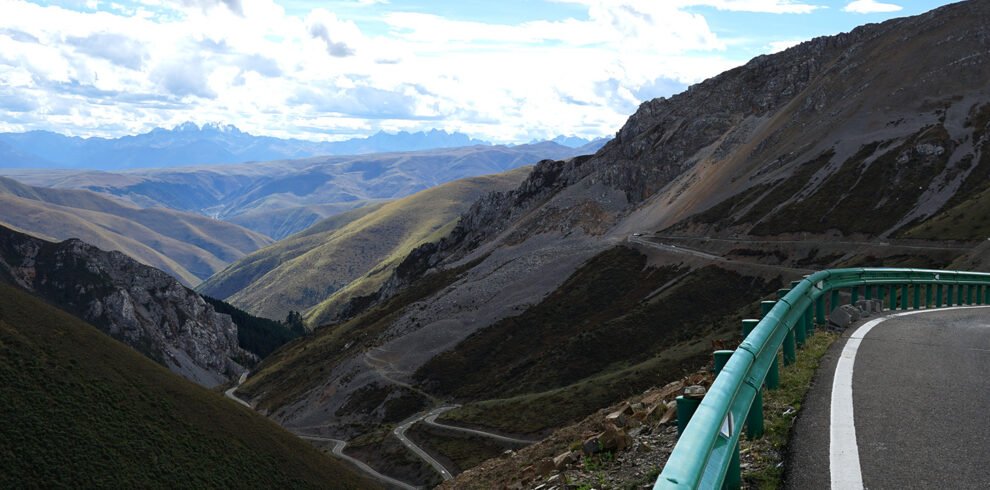
The primary pilgrimage activity is the Kora, a 52-kilometre circumambulation around the mountain’s base. This challenging trek, typically completed in three days, takes pilgrims past breathtaking landscapes, sacred sites like the Dolma La Pass (5,636m), and the serene turquoise waters of Lake Manasarovar. The journey is as much an inner spiritual quest as a physical adventure.
For travellers, the best time to visit is from May to September, when the weather is milder. Essential preparations include obtaining the required Tibet Travel Permit and Aliens’ Travel Permit, allowing ample time for acclimatisation to the high altitude, and packing for variable conditions. The experience is less about conquering a summit (climbing is forbidden) and more about embracing a transformative journey through one of Earth’s most sacred and stunning landscapes.