Lhasa: The Spiritual Heart of Tibet
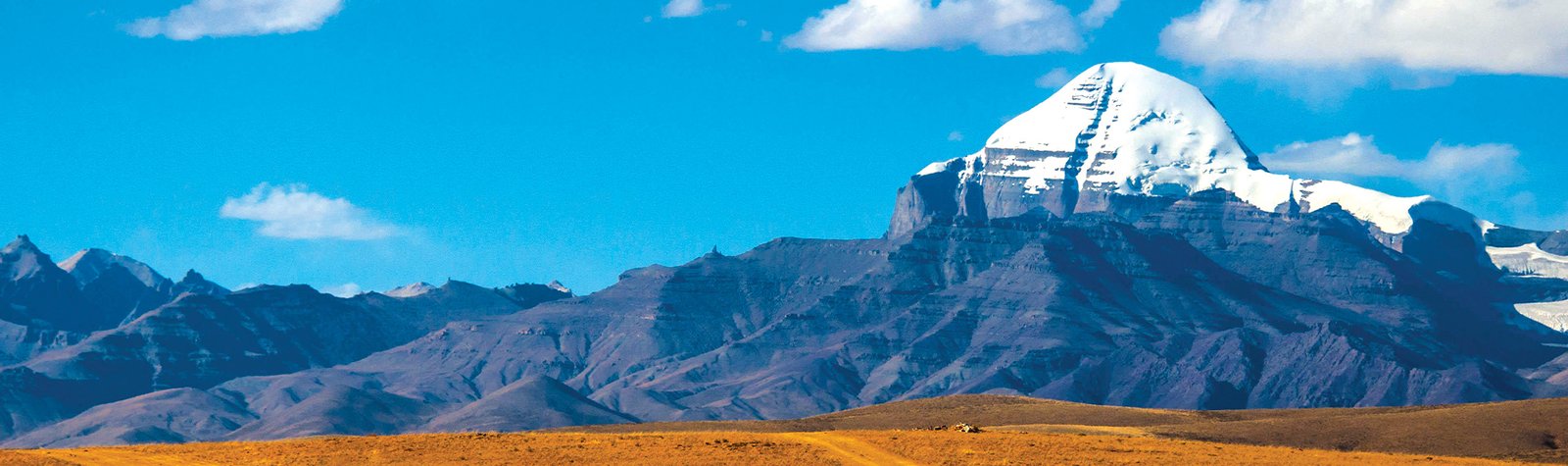
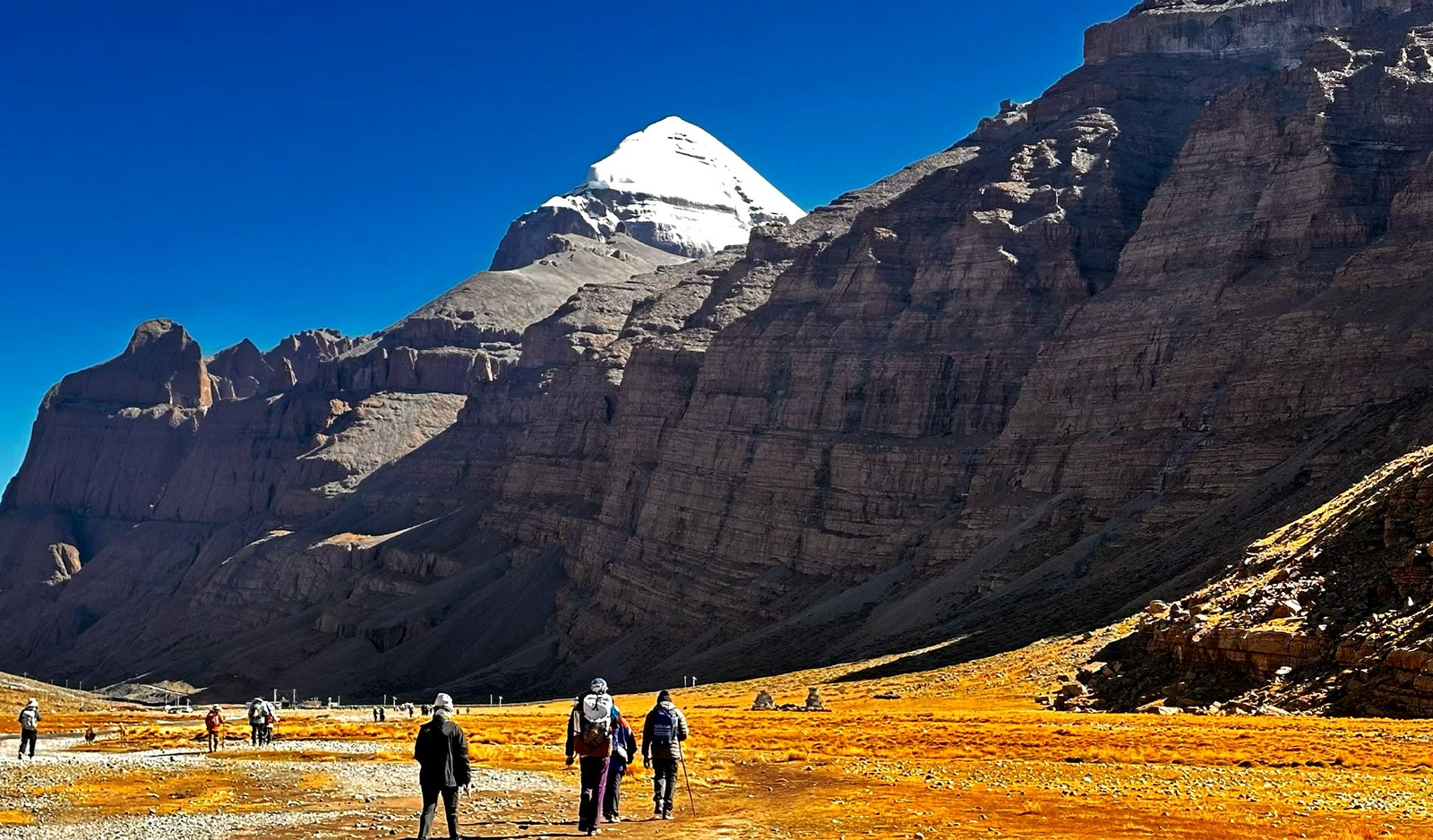
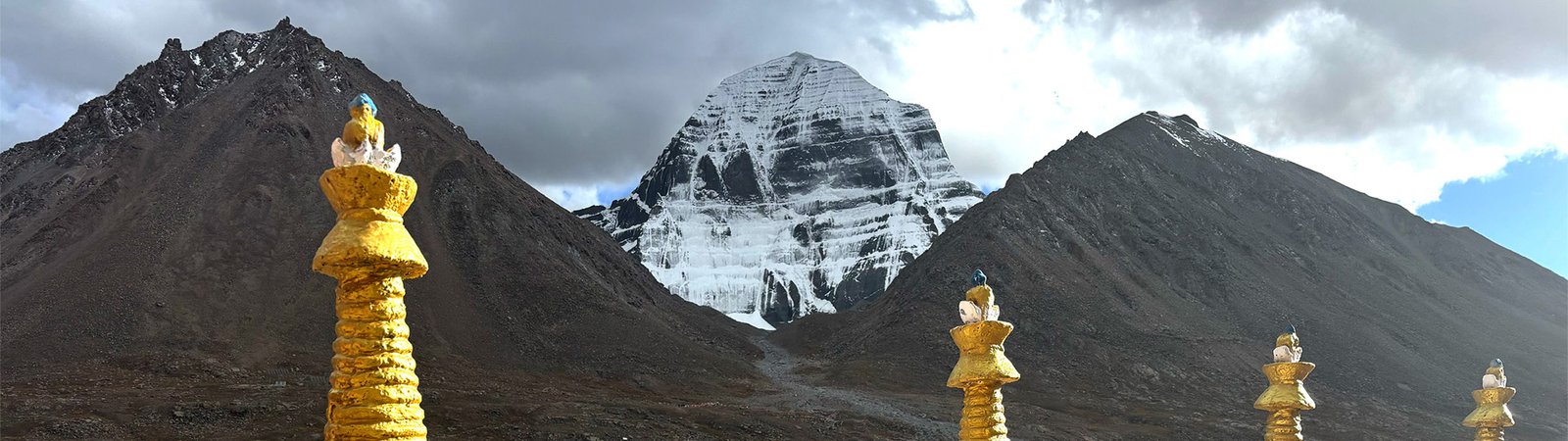
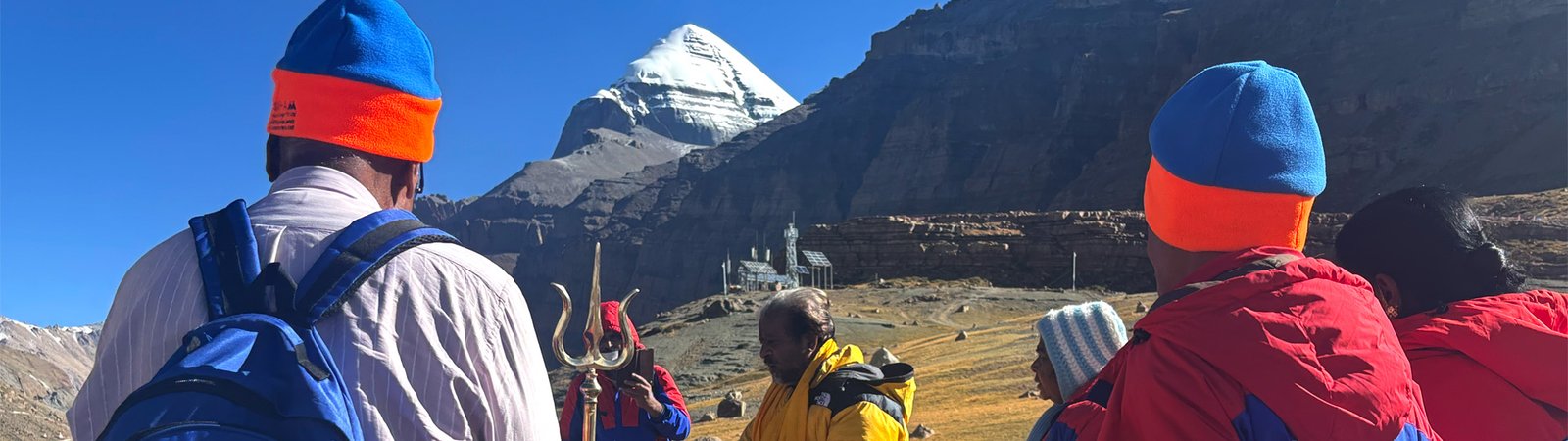
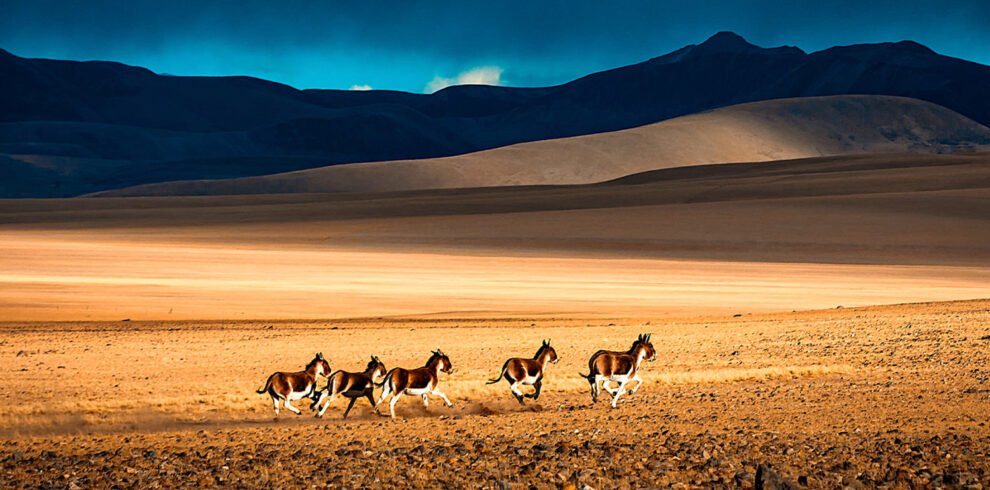
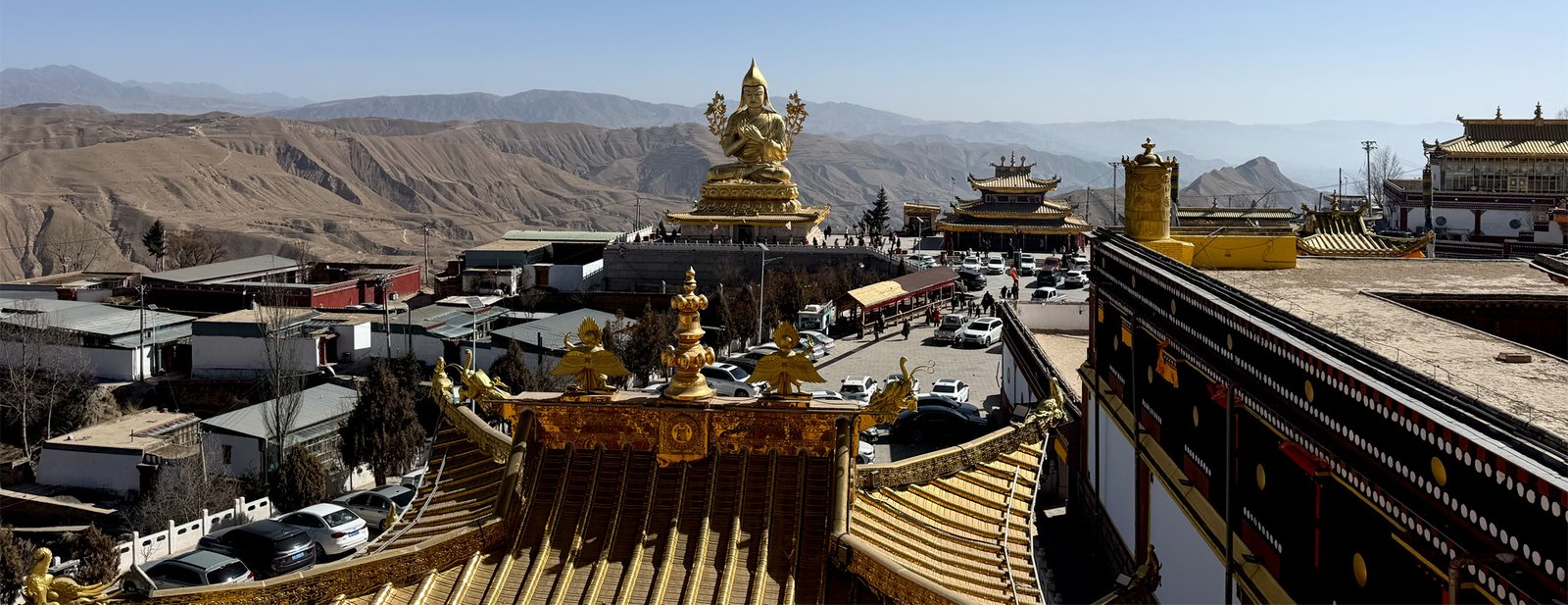
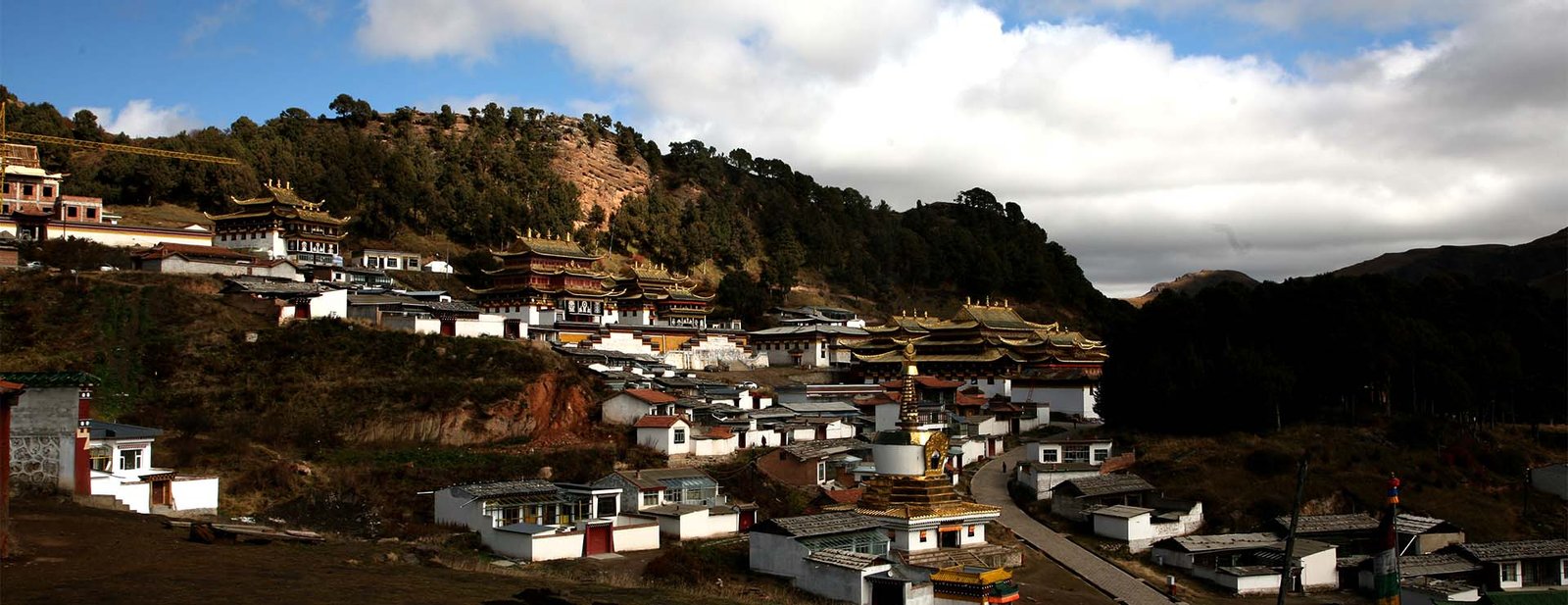
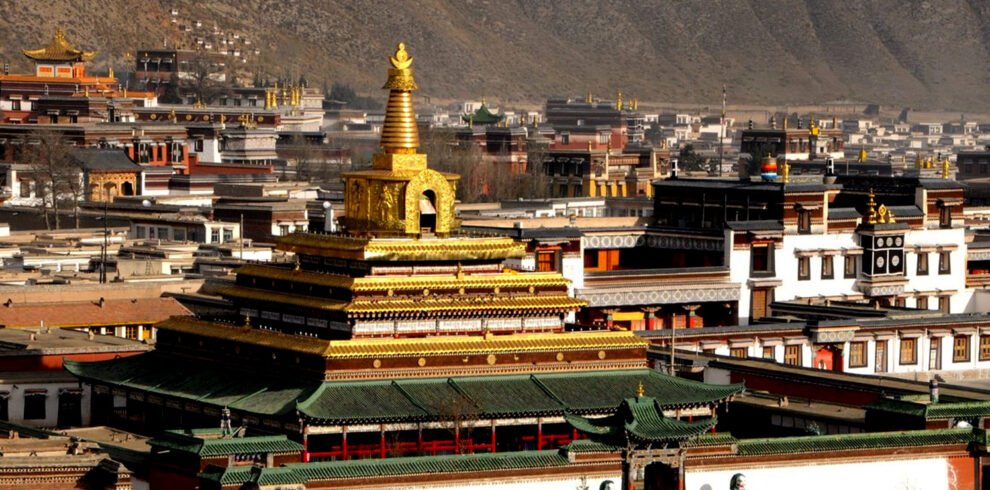
Nestled at 3,650 meters in the Himalayan foothills, Lhasa is the cultural and religious soul of Tibet, where ancient traditions meet breathtaking landscapes. As the capital of the Tibet Autonomous Region, this high-altitude city pulses with spiritual energy, drawing pilgrims and travellers seeking transformation.
Highlights & Must-See Attractions:
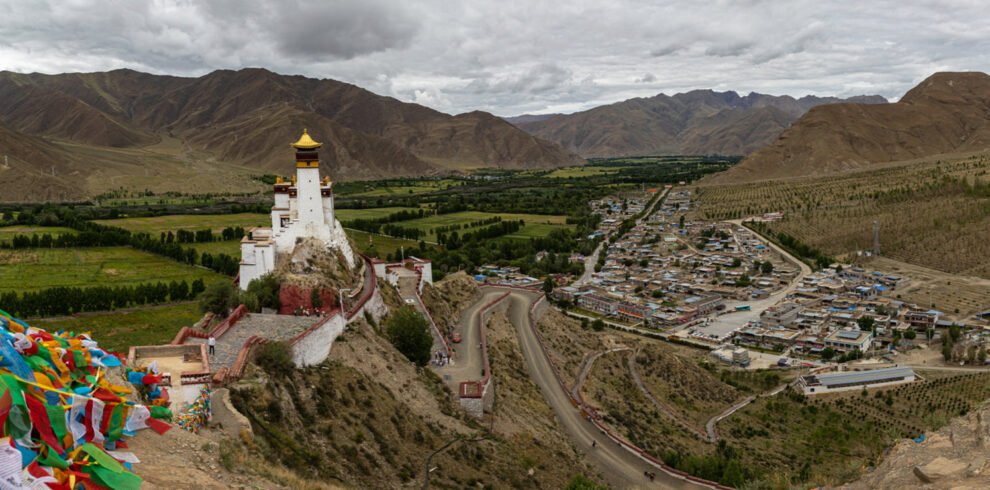
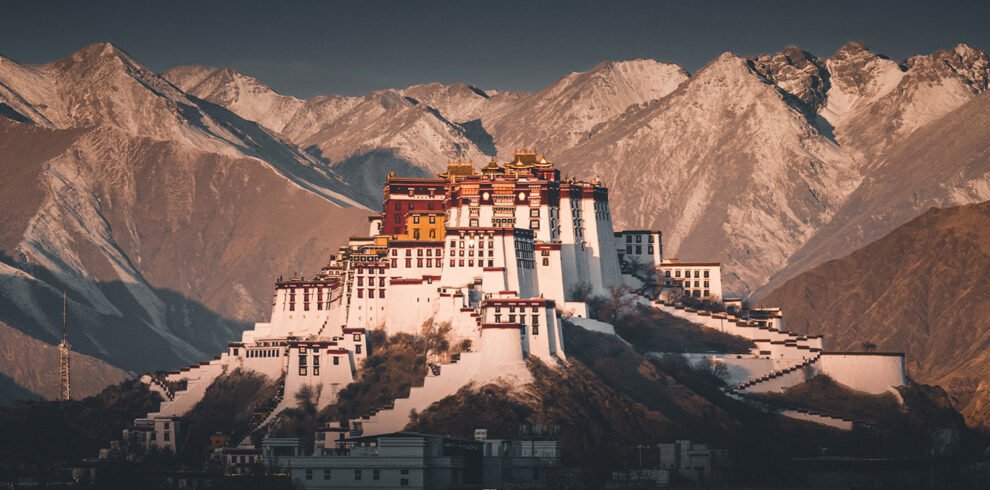
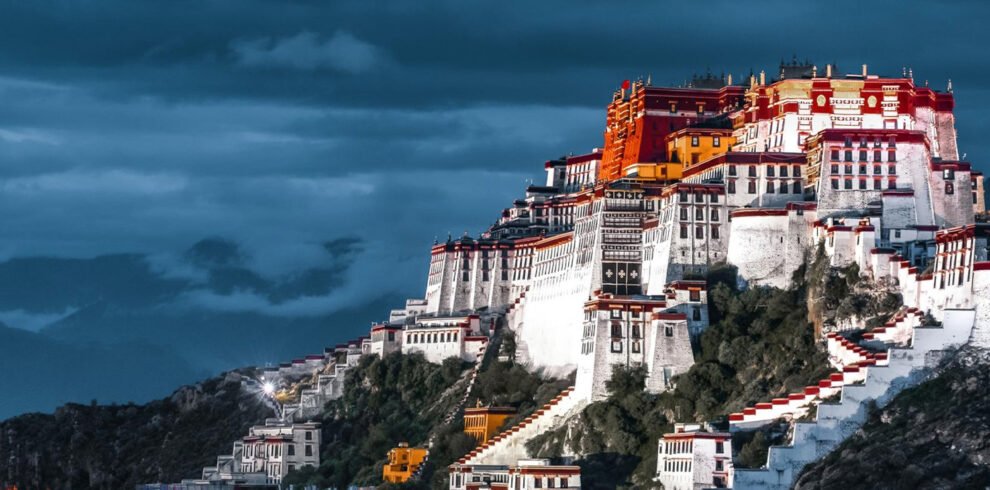
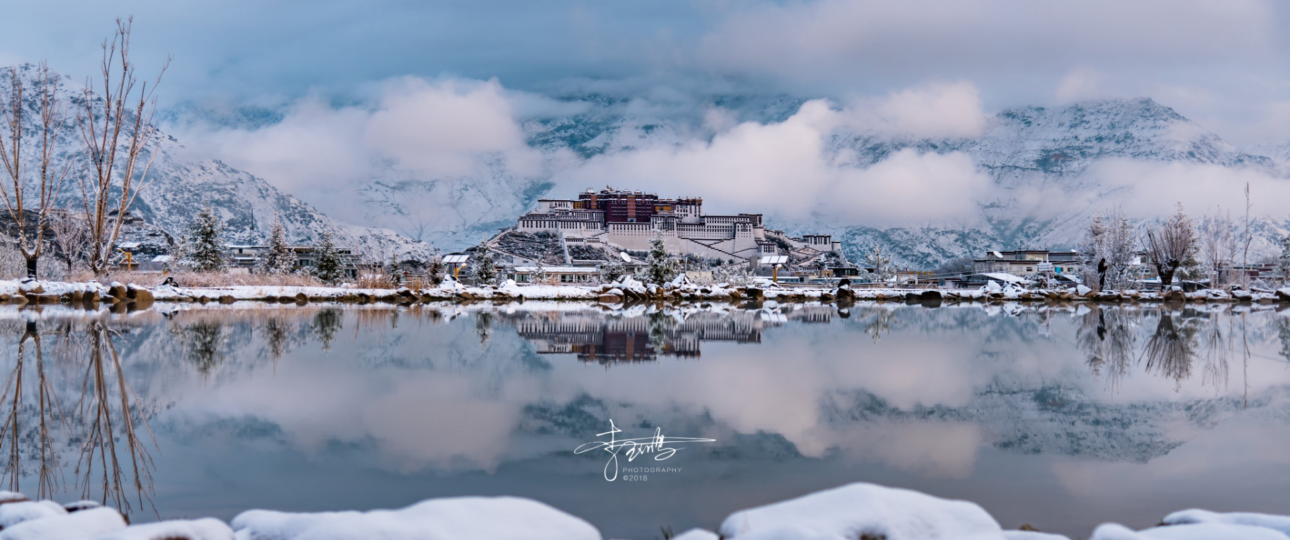
- Potala Palace: A UNESCO World Heritage site, this iconic fortress-temple complex once housed the Dalai Lama and now showcases Tibetan art, history, and panoramic city views.
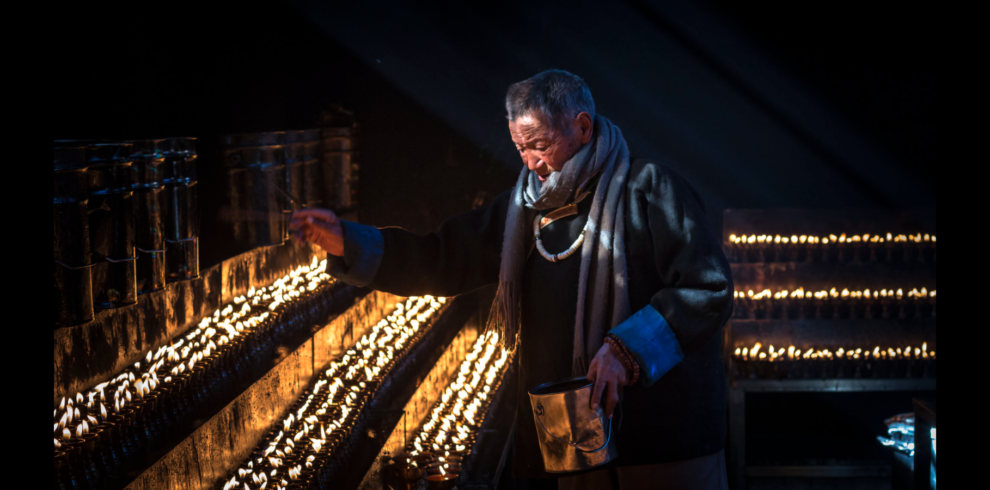
- Jokhang Temple: Tibet’s most sacred temple, surrounded by the bustling Barkhor Street, where pilgrims circle clockwise, spinning prayer wheels and chanting mantras.
- Norbulingka: The Dalai Lama’s summer palace, featuring serene gardens, traditional Tibetan architecture, and cultural performances.
- Sera Monastery: A short drive from Lhasa, this monastery offers lively debates among monks and stunning Himalayan vistas.
Why Visit?
Lhasa’s spiritual atmosphere is unmatched—feel the rhythm of prayer flags, taste butter tea in local kang (heated stone) rooms, and witness daily rituals. Best visited in spring (April-May) or autumn (September-October) for mild weather and clear skies. Pro Tip: Acclimate slowly to the altitude (3,650m) to fully embrace the journey.
Lhasa, the heart of Tibet, is more than a high-altitude city—it’s a place of profound spirituality, breathtaking landscapes, and ancient culture that hums with life. Nicknamed the “Sunshine City” for its abundant sunlight, it’s a destination that stays with you long after you leave.
Here is a quick overview of its key facts:
Geography & Climate
- Location: Capital of the Tibet Autonomous Region, nestled in the valley of the Lhasa River.
- Elevation: Approximately 3,650 meters (11,975 ft).
- Climate: High-altitude climate with over 3,000 hours of sunshine annually. Mild days and cool nights, even in summer.
Culture & Significance
- Tibetan Meaning: “Land of the Gods”.
- Core Identity: The political, economic, cultural, and religious centre of Tibet, home to its most sacred sites.
Natural Beauty & City Life
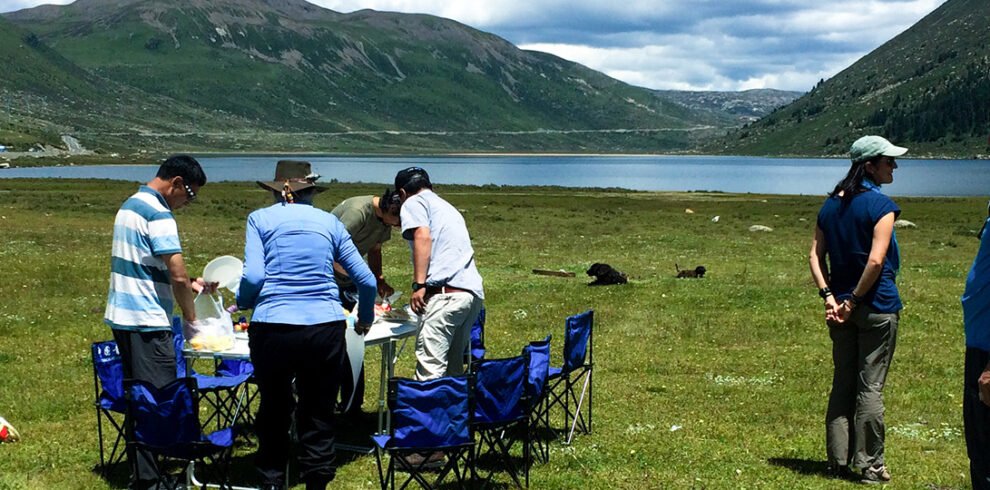
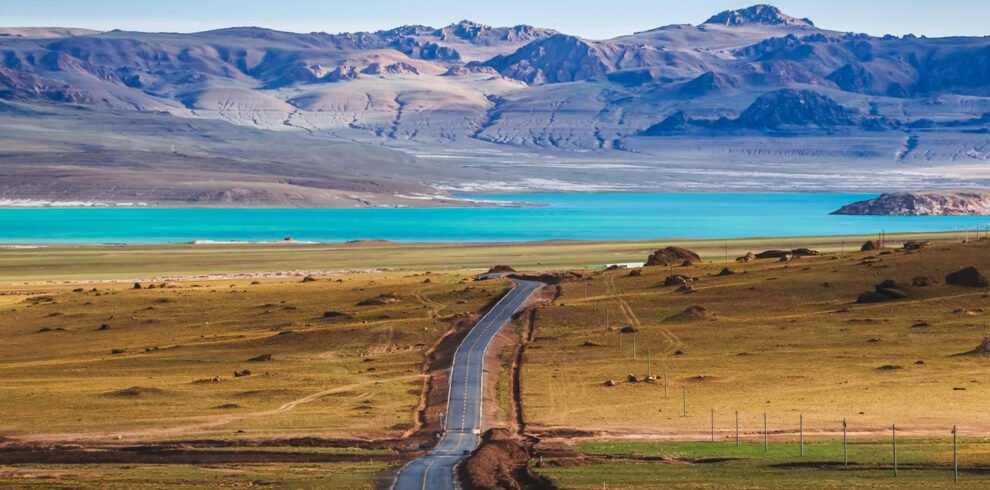
- Sacred Lakes: Day trips lead to turquoise Namtso Lake, one of Tibet’s great “Three Holy Lakes,” offering stunning high-altitude vistas.
- City Panoramas & Parks: For the perfect sunrise photo of the Potala Palace, hike up Nanshan Park at dawn. Enjoy local leisure at the “backyard garden” of the Potala, Dzongyab Lukhang Park, or explore the ecosystem at Lhalu Wetland.
- Vibrant Night Economy: Modern Lhasa buzzes at night. Admire the beautifully illuminated Potala Palace, explore the lively “Lhasa Night City” project on Yutuo Road with food and performances, or discover nighttime craft workshops in Barkhor’s alleys.
Practical Travel Guide for You
- Best Time to Visit: May to October offers the most comfortable weather and accessible roads. Winter is less crowded and sunny but colder.
- Essential Tips for High Altitude:
- Acclimatise Slowly: Rest upon arrival and avoid strenuous activity.
- Stay Hydrated & Protected: Drink plenty of water and use strong sunscreen and sunglasses.
- Consider Aids: Some travellers take medication in advance or use oxygen if needed.
- Cultural Etiquette:
- Respectful Conduct: Dress modestly, especially at monasteries. Always walk clockwise around stupas and temples.
- Photography: Ask for permission before photographing people, and do not take pictures inside shrines where it’s prohibited.
- · Recommended Stay: 3-5 days to see city highlights and acclimatise. Add extra days for lake trips.
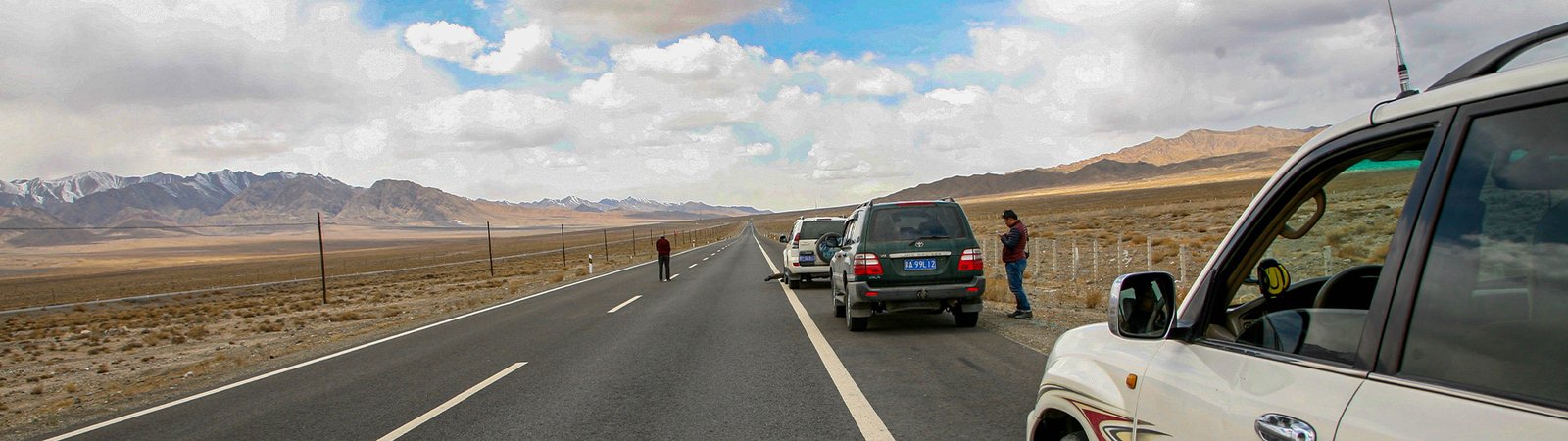
- Getting There: Fly into Lhasa Gonggar Airport or take the scenic Qinghai-Tibet Railway.
I hope this provides a solid foundation for your travel website. If you’d like deeper dives into specific topics—like a detailed pilgrimage route guide, festival calendar, or food guide—feel free to ask!