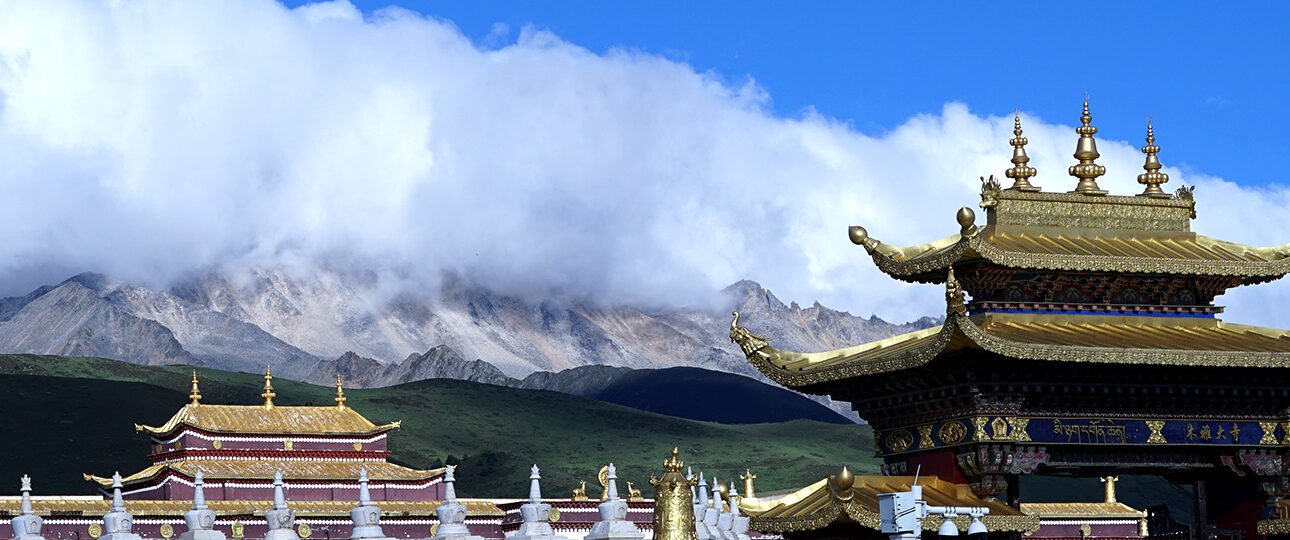
Kangding: The Hometown of Love Songs & Gateway to Gongga’s Grandeur
As the capital of Garzê Tibetan Autonomous Prefecture in Sichuan, Kangding sits at the foot of the Gongga Mountains, with an average elevation of 2,560 meters. Renowned worldwide as the birthplace of the folk song Kangding Love Song, this city is far more than a romantic symbol—it’s a gateway to the “Ring of Gongga” ecological tourism circle, blending snow-capped peaks, alpine lakes, Tibetan-Han cultural fusion, and vibrant modern formats. Attracting over 13 million visitors annually, Kangding weaves nature, culture, and leisure into an unforgettable journey in western Sichuan.
Core Highlights: Nature & Culture Gems
Kangding’s charm lies in its dual allure—pristine natural wonders rooted in the Gongga Mountains and a rich cultural tapestry shaped by centuries of integration.
Iconic Natural Attractions
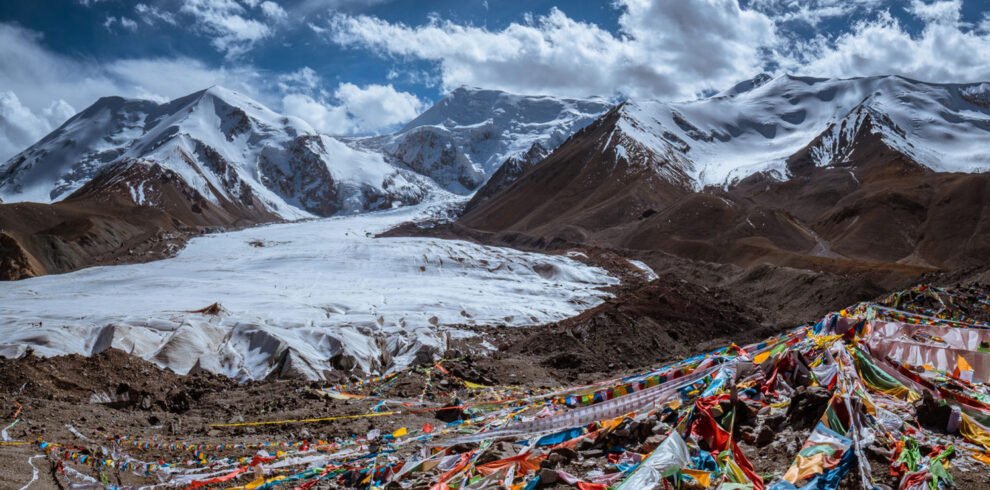
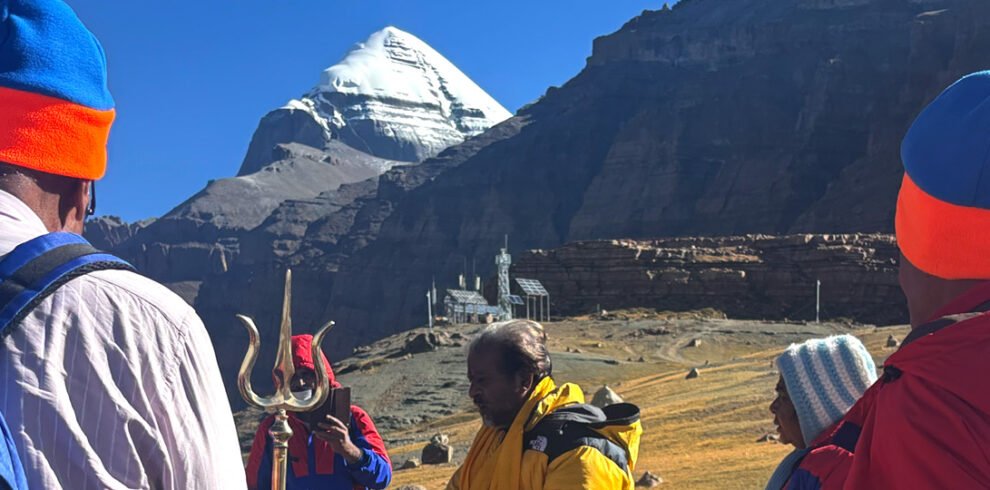
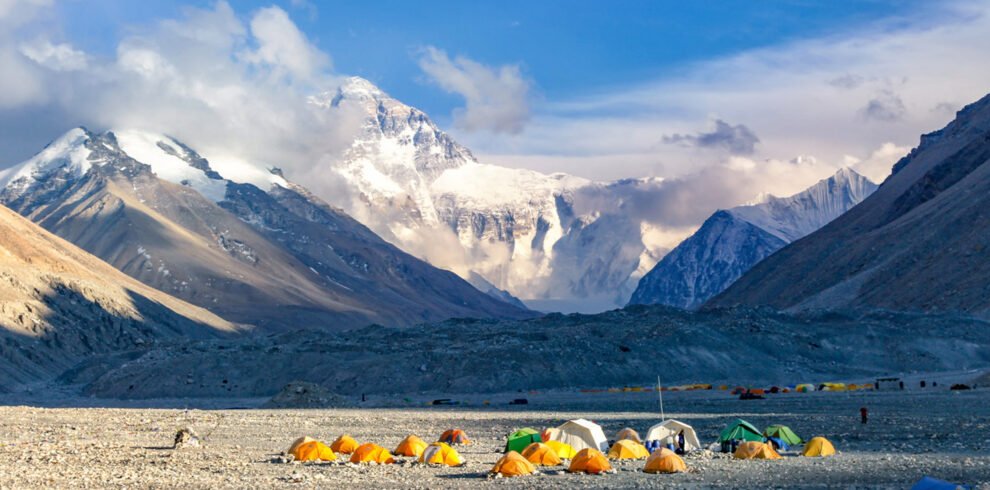
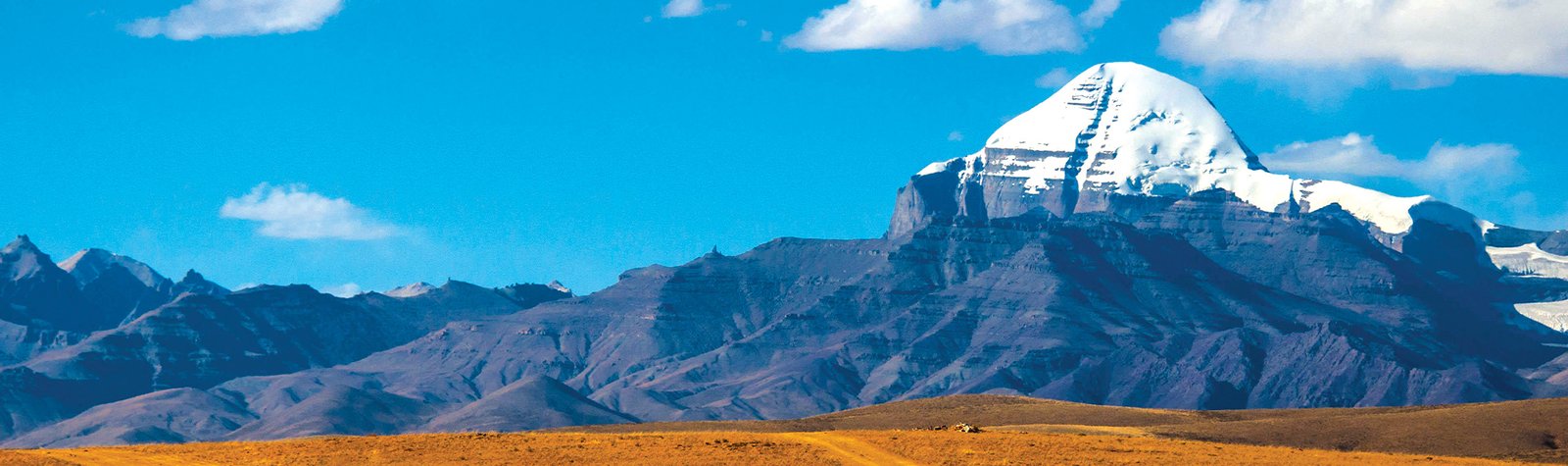
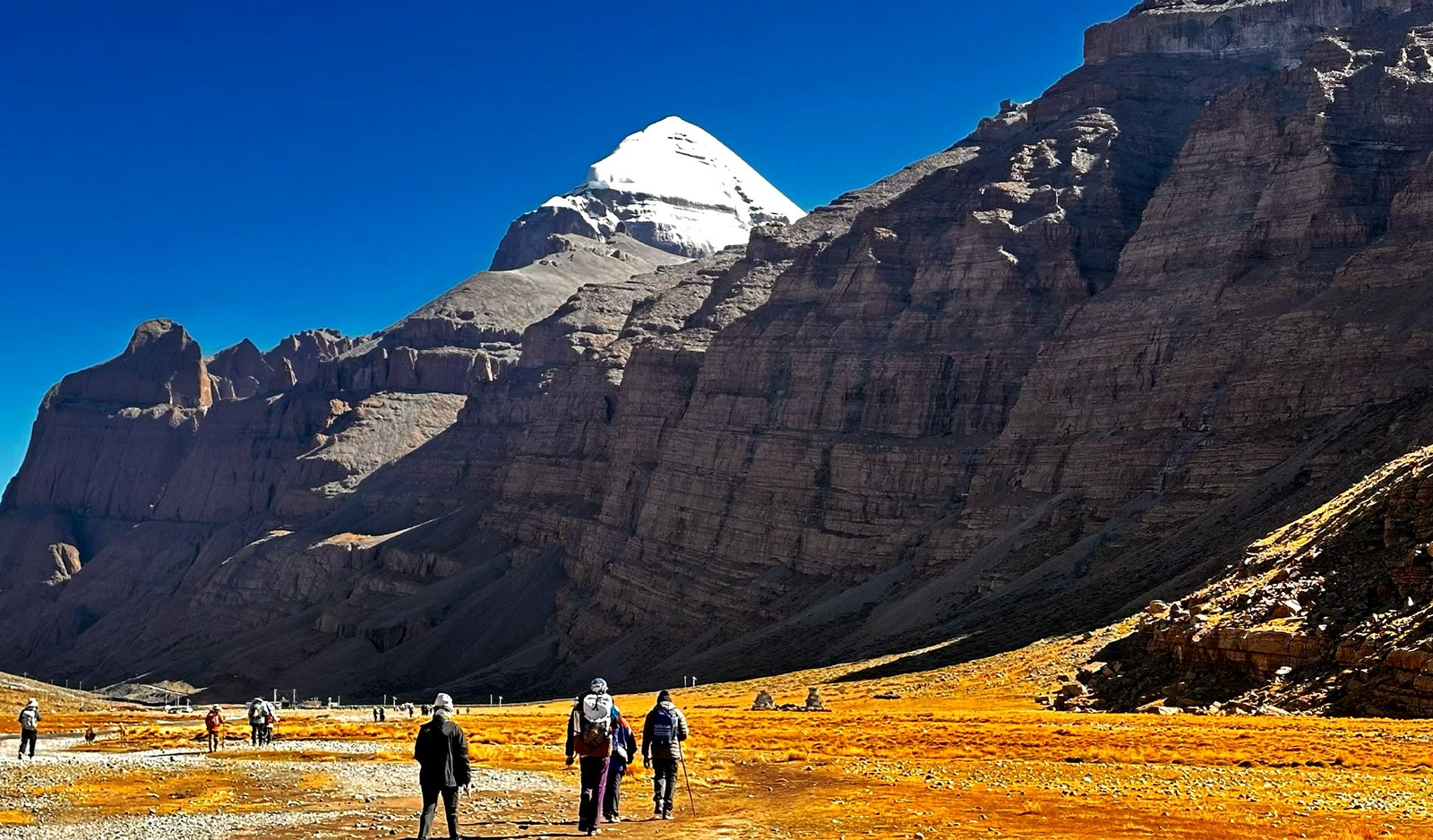
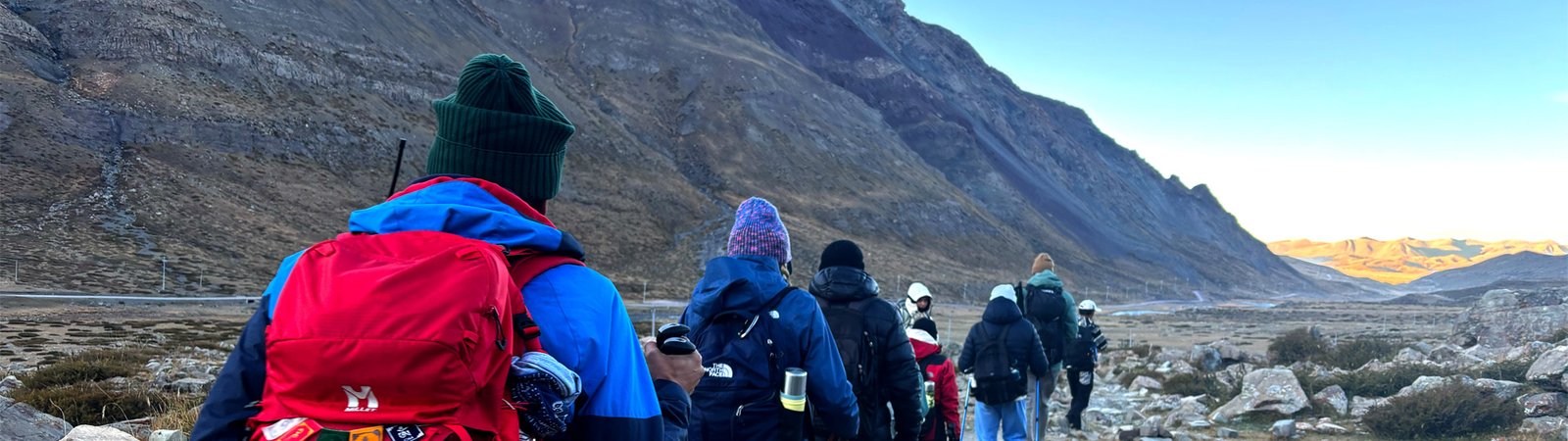
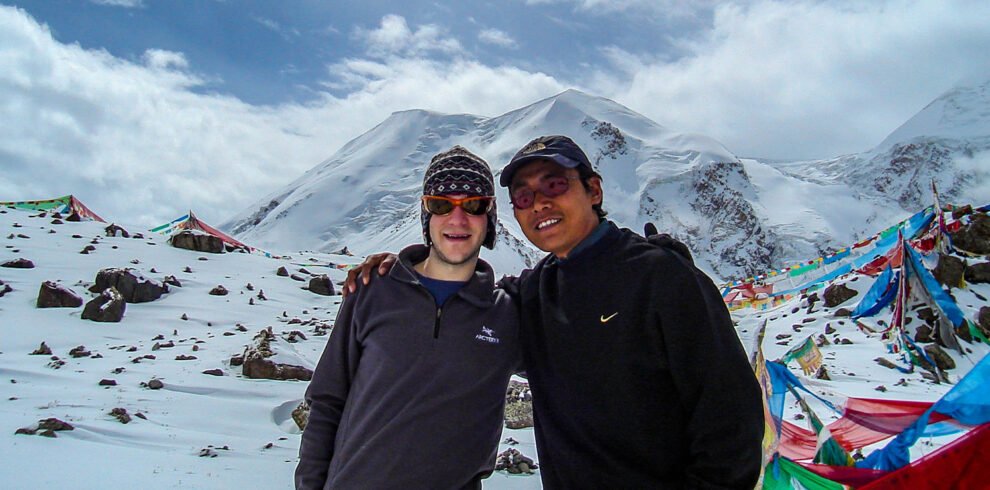
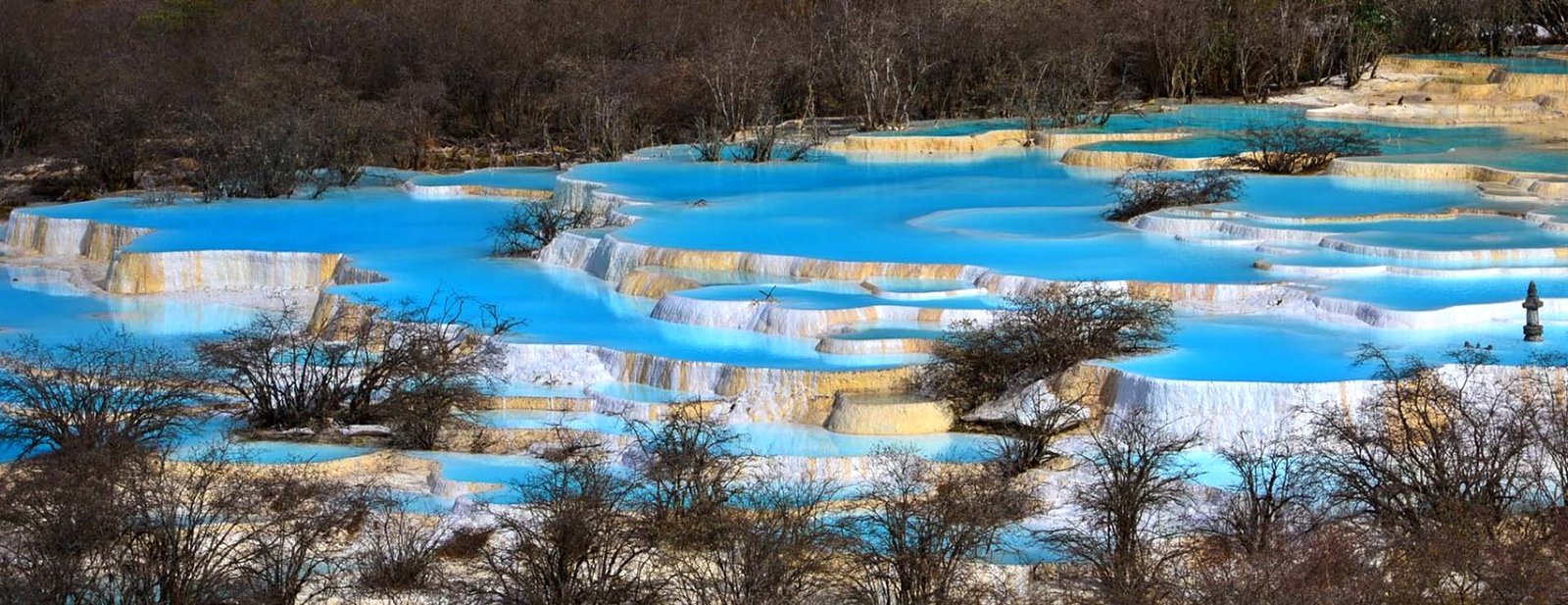
- Ring of Gongga Ecological Tourism Circle: The crown jewel of Kangding’s tourism, this circle connects 3 AAAA-level and 6 AAA-level scenic spots, 12 national-level characteristic villages, and 35 breathtaking landscapes. It strings together snow-capped peaks, primaeval forests, alpine meadows, and glacial lakes, offering 65 themed routes for adventurers and nature lovers to explore the grandeur of “King of Shu Mountains”—Mount Gongga (7,556 meters).
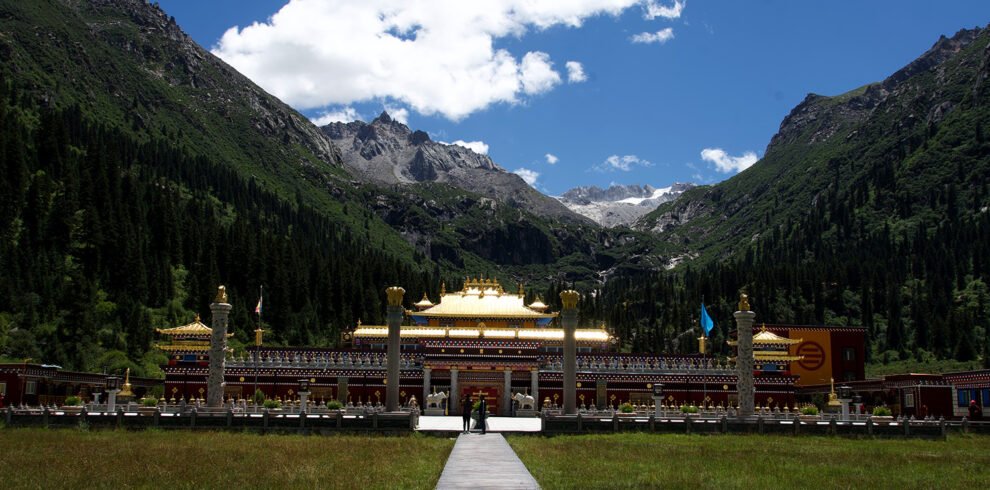
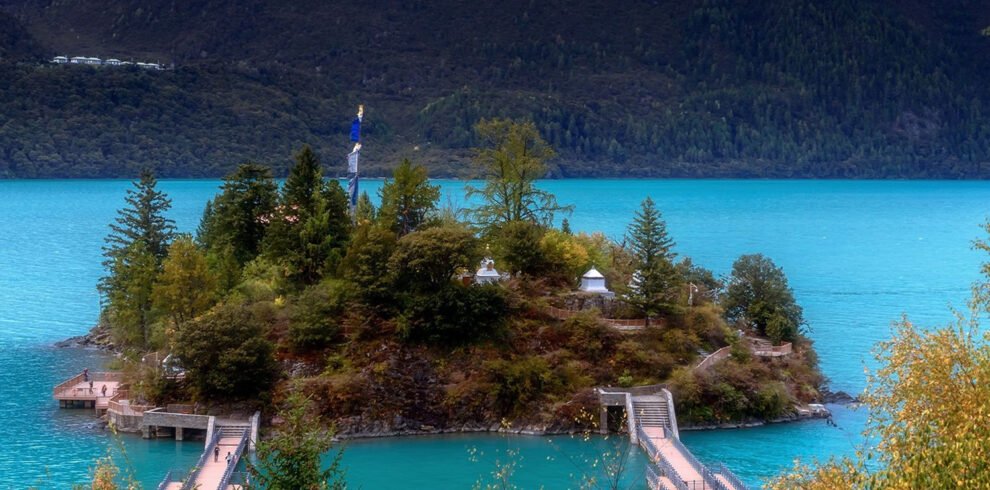
- Mugecuo Scenic Area: A 40-minute drive from downtown Kangding, this alpine lake (also known as “Wooden Grid Lake”) is surrounded by snow-capped mountains and dense forests. The crystal-clear lake reflects the sky and peaks, while hot springs nearby let visitors soak in warm waters amid cool mountain air. It’s a perfect blend of natural beauty and leisure.
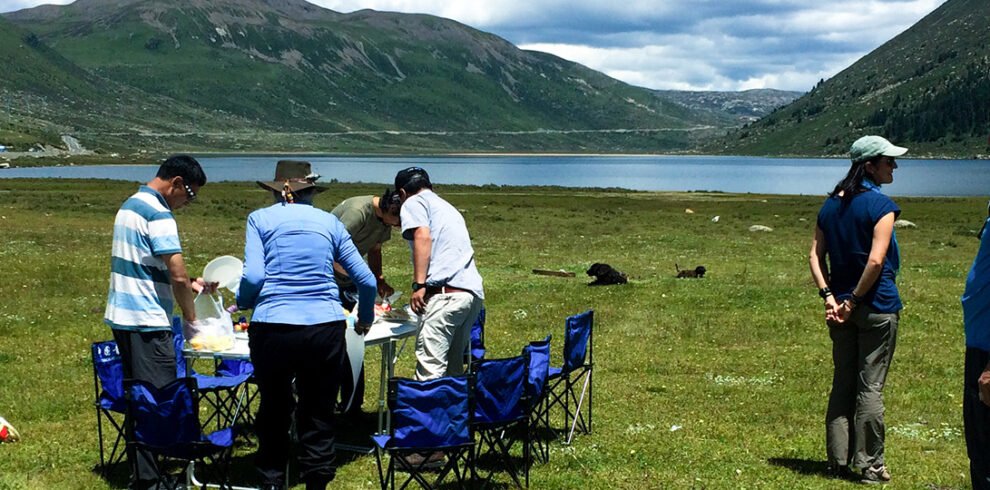
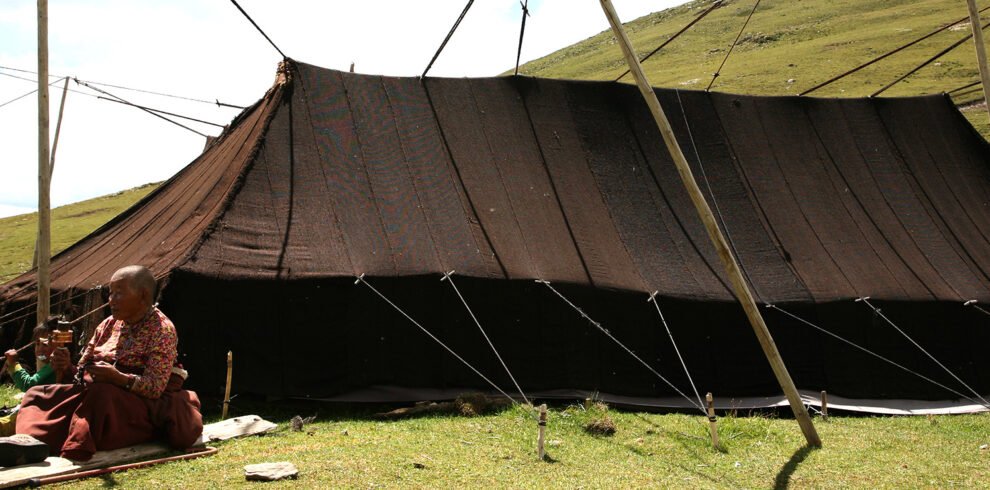
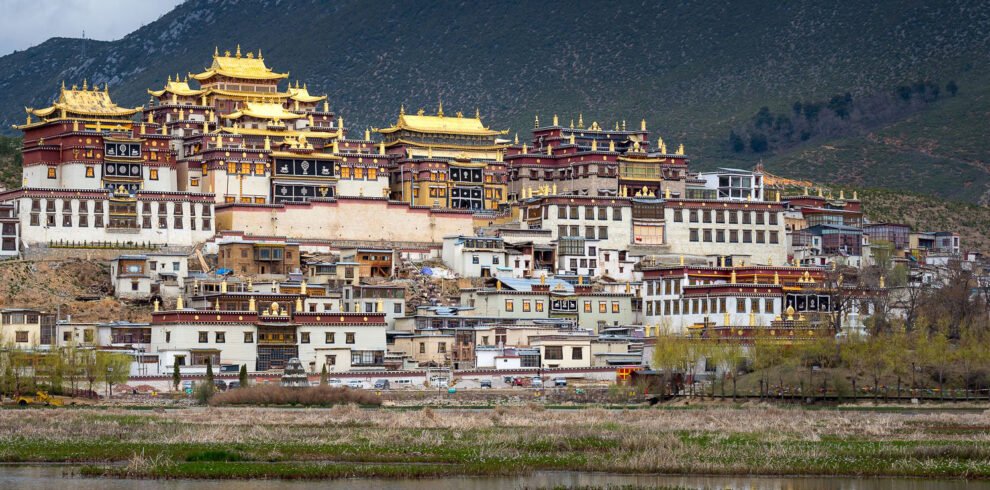
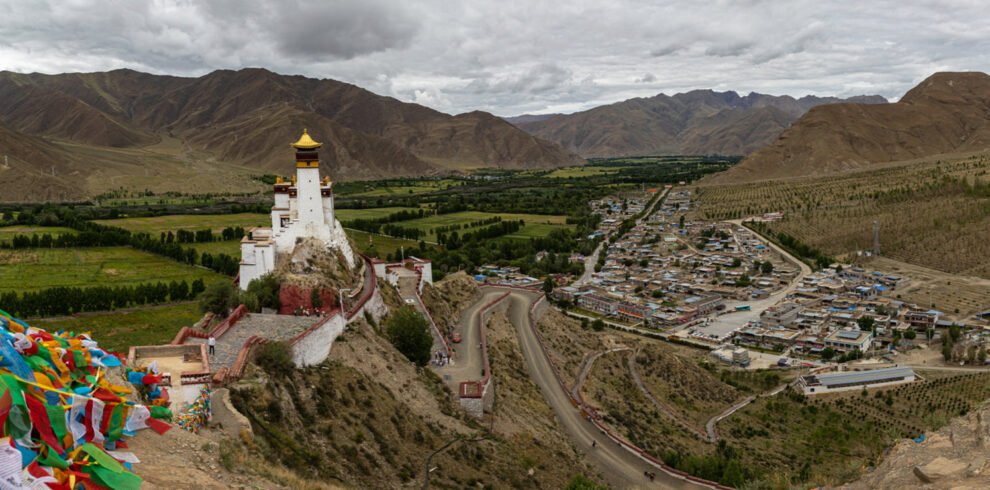
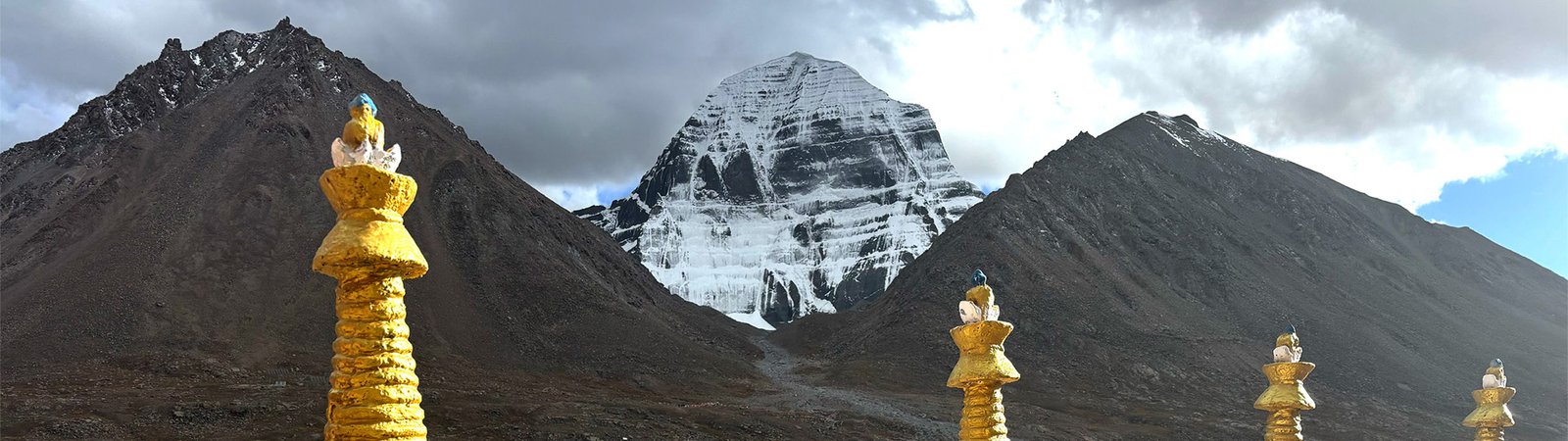
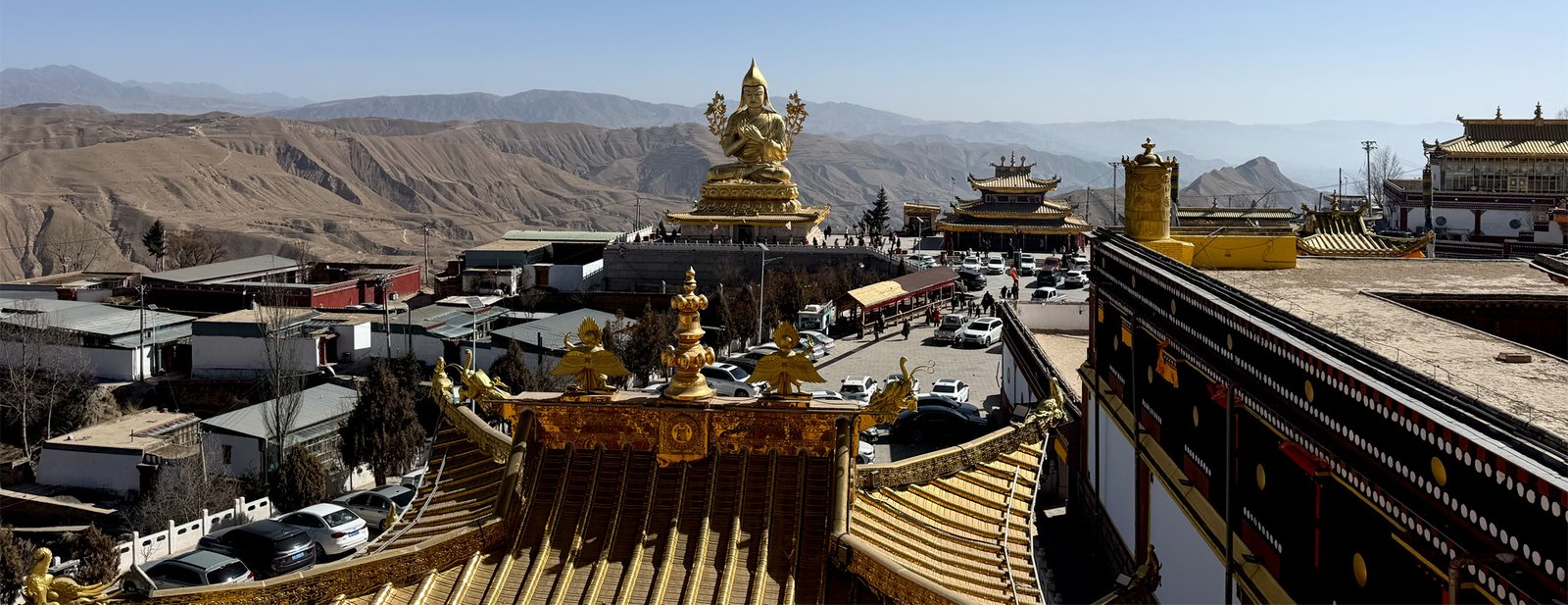
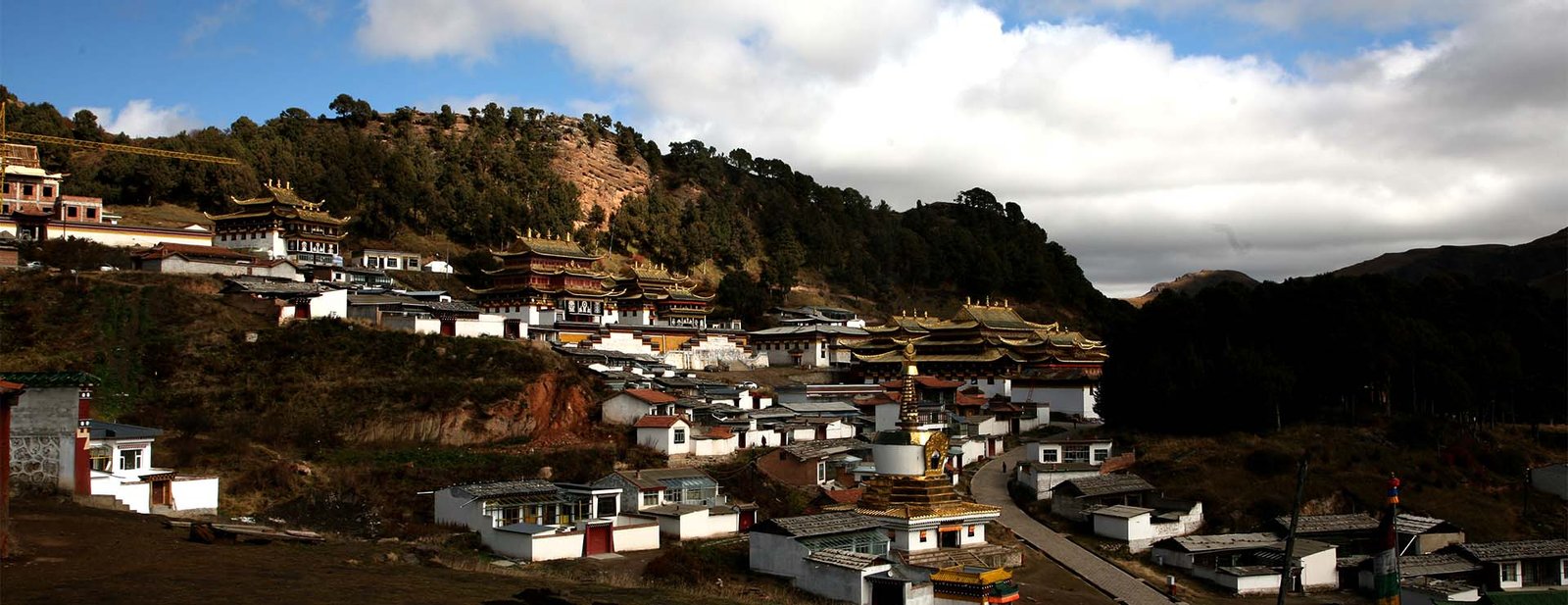
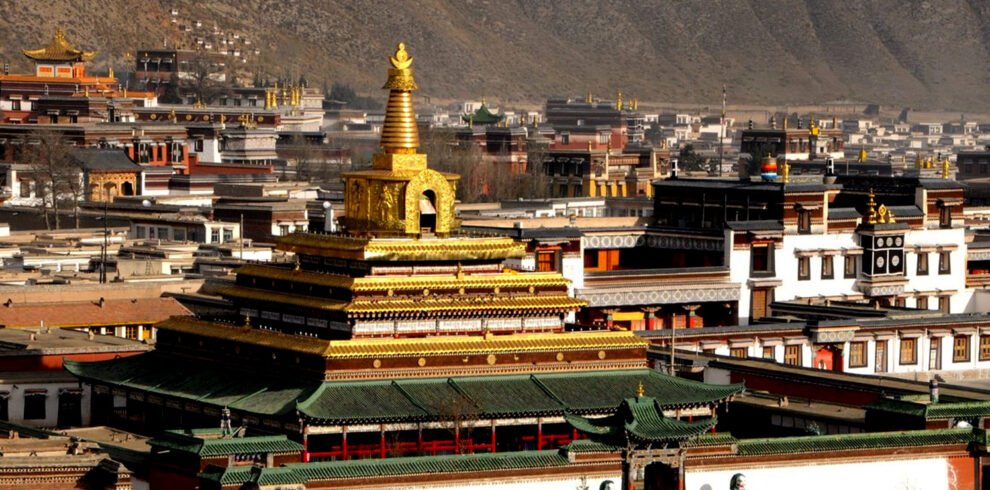
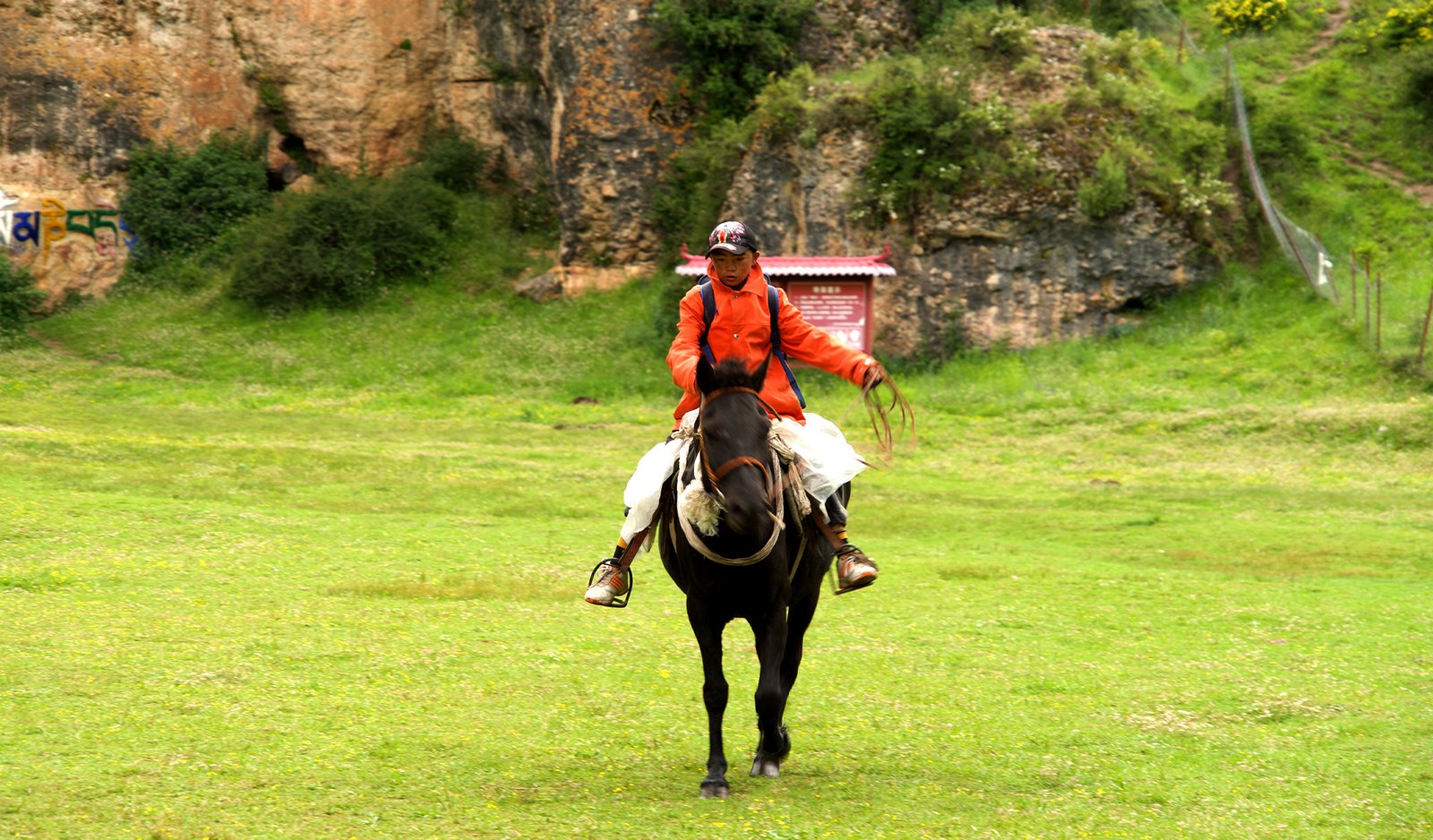
- Tagong Grassland: Stretching under the gaze of Mount Gongga’s eastern slope, this vast grassland is a paradise for pastoral scenery. In summer, wildflowers bloom across the green expanse, and Tibetan yurts dot the landscape. The nearby Tagong Monastery, with its golden spires, adds a sacred touch to the idyllic scene.
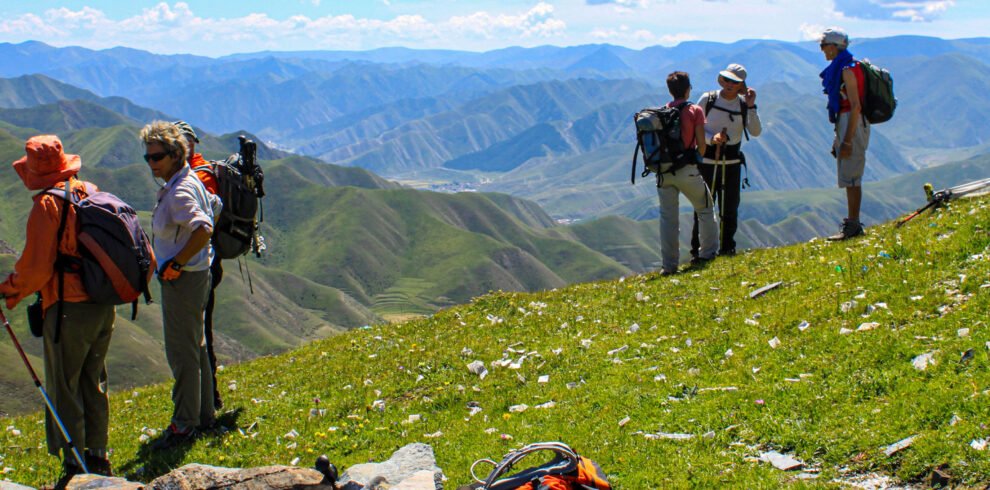
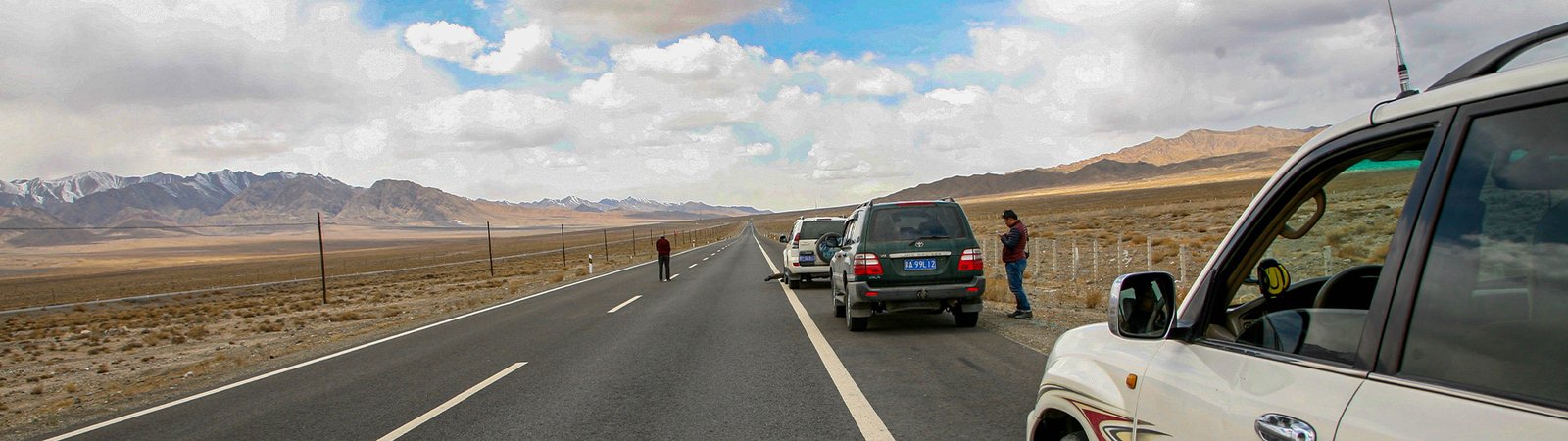
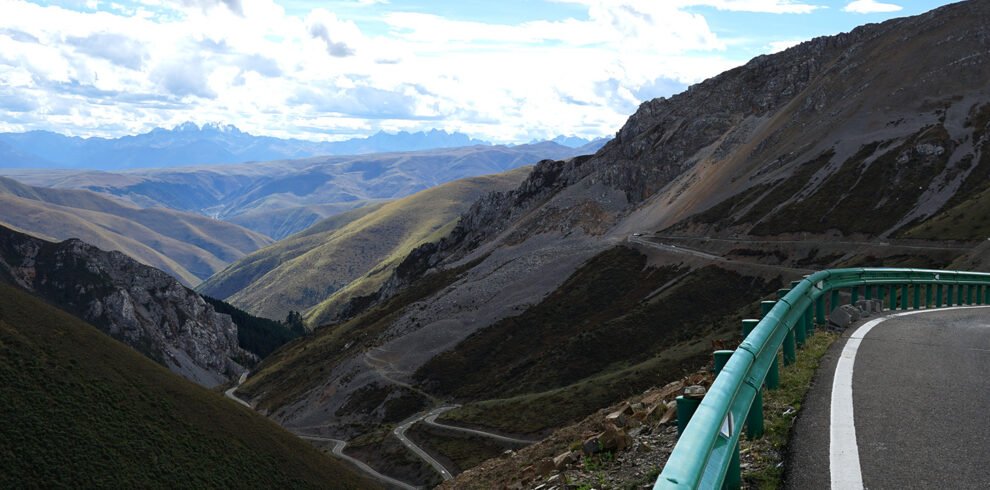
- Zheduo Mountain: Known as the “First Pass of Sichuan-Tibet Line,” this mountain (4,298 meters) marks the geographical boundary between the Sichuan Basin and the Qinghai-Tibet Plateau. The winding mountain road offers panoramic views of rolling hills and snow-capped peaks, making it a must-stop for self-driving travellers.
Cultural & Modern Highlights
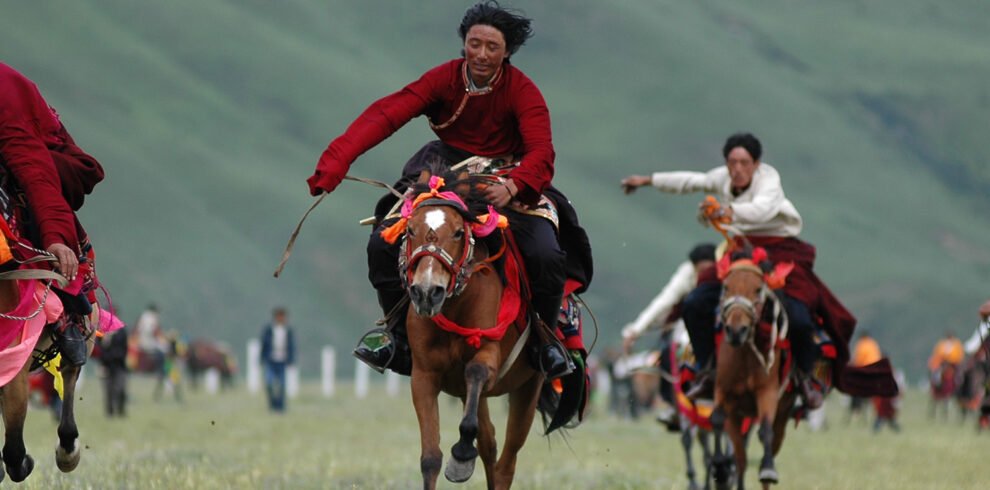
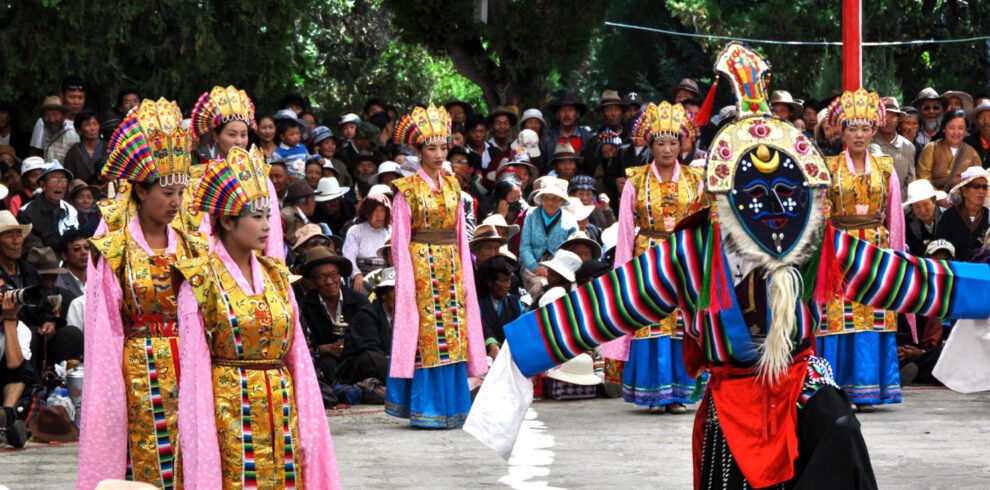
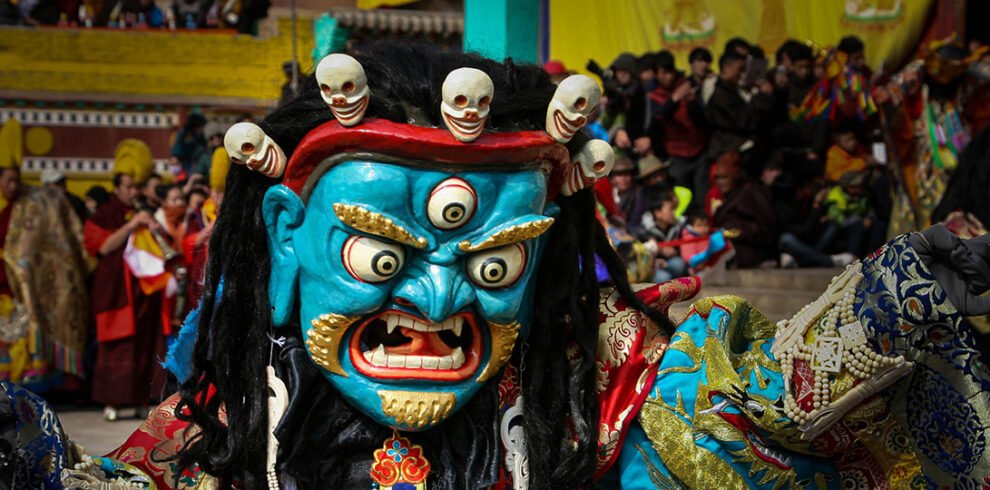
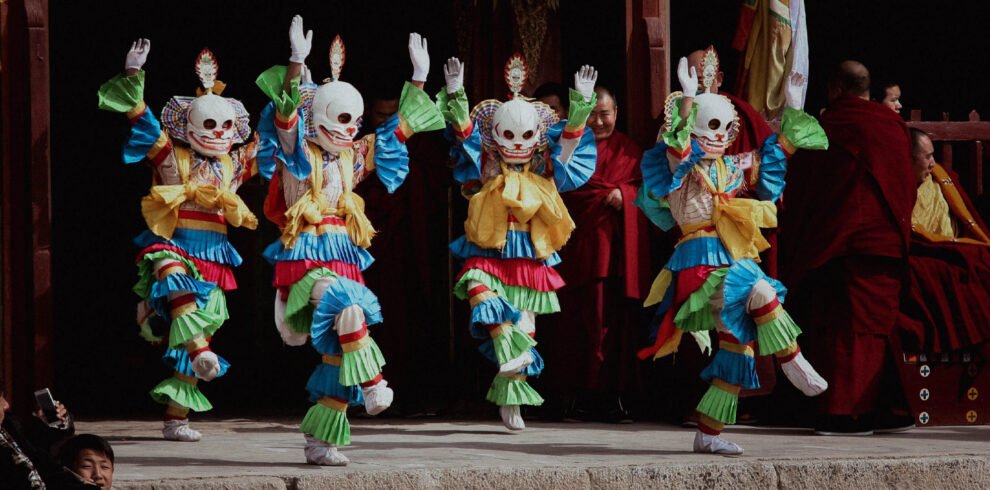
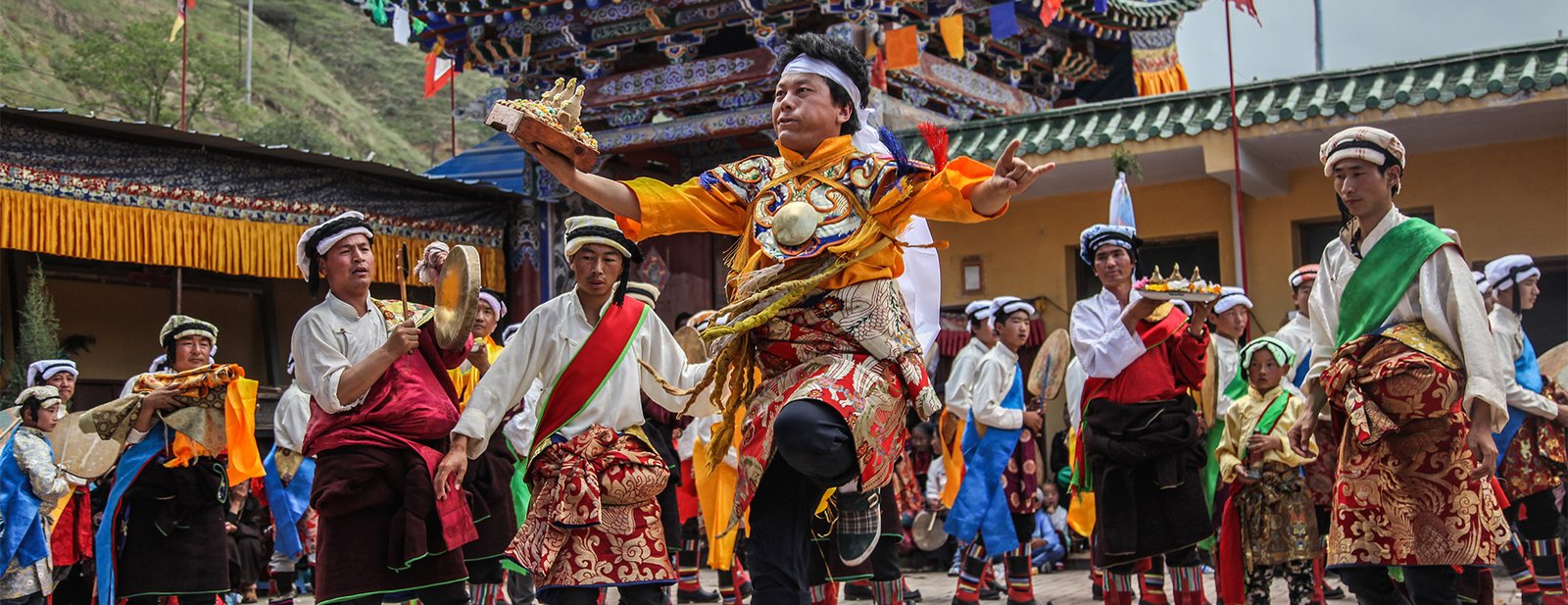
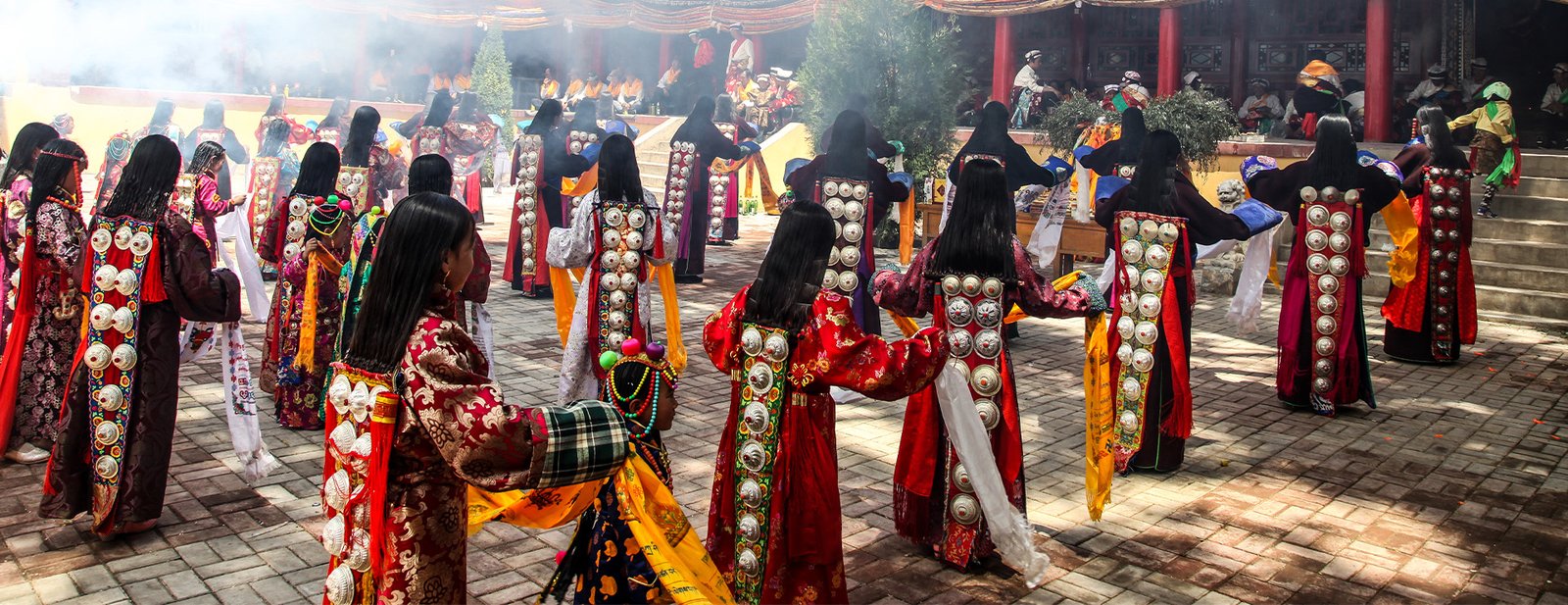
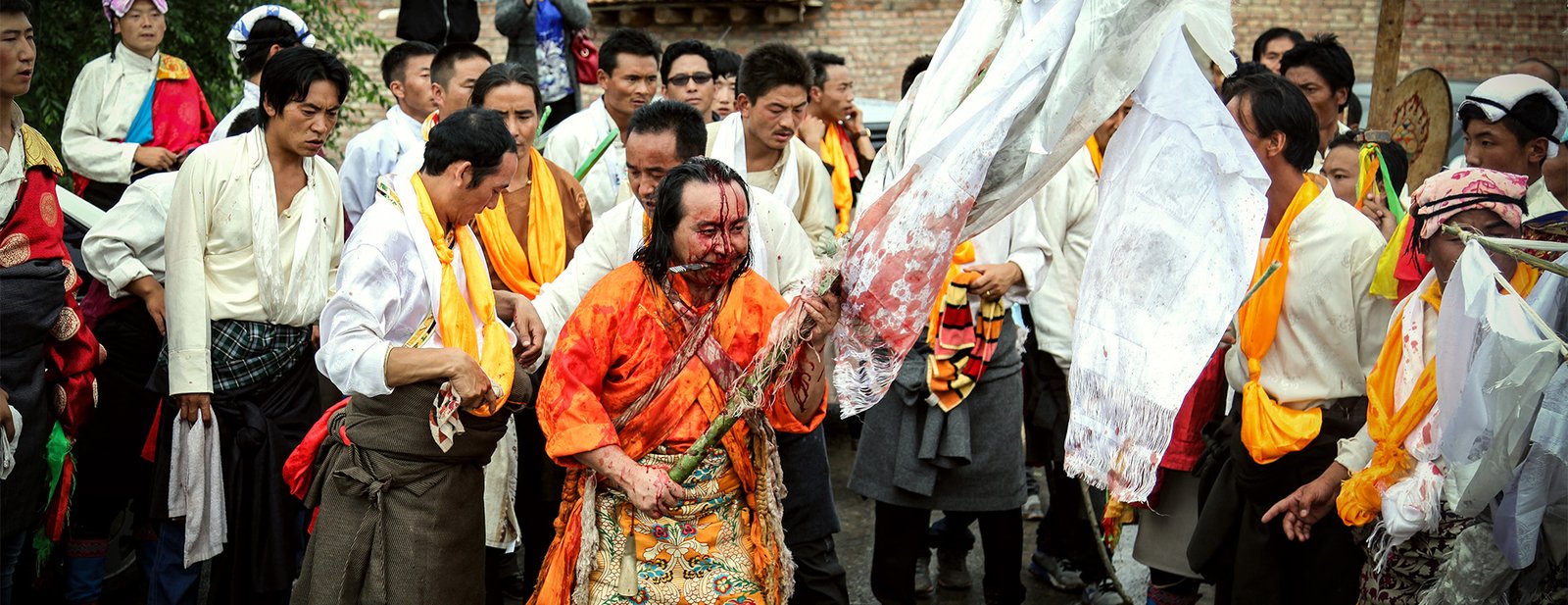
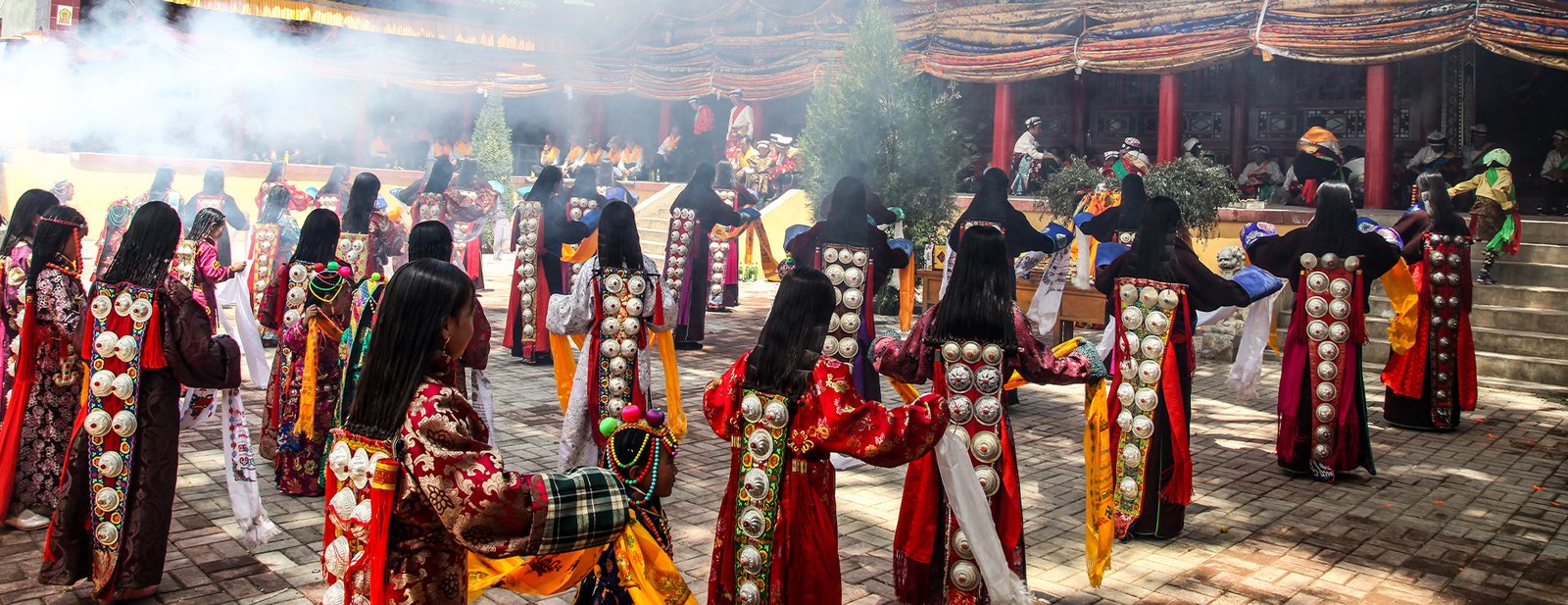
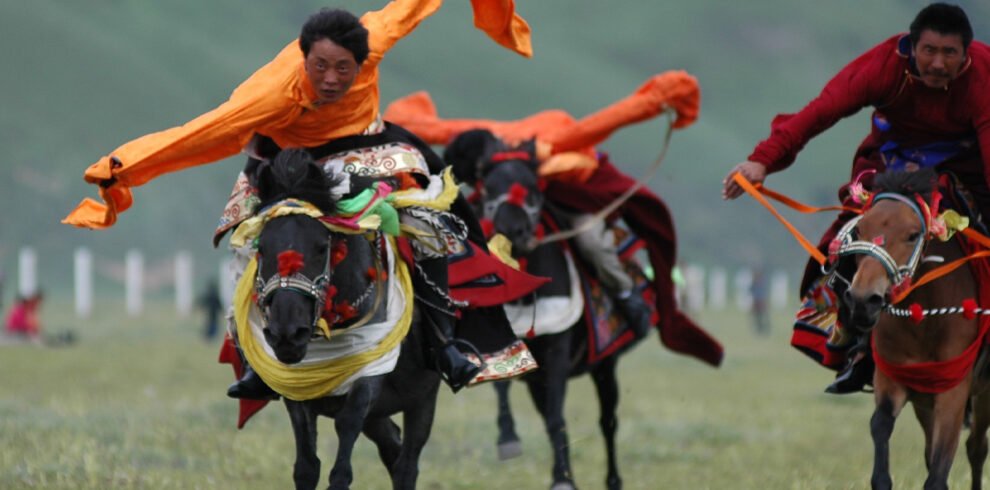
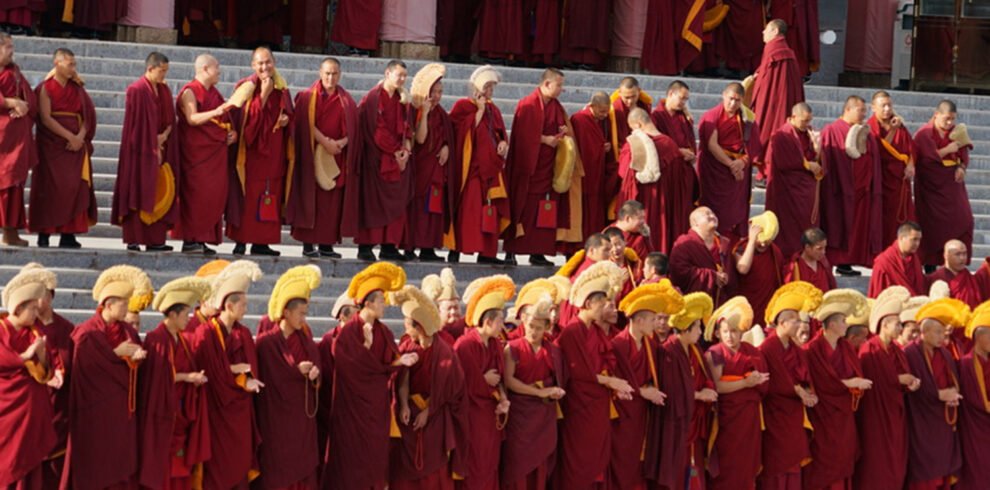
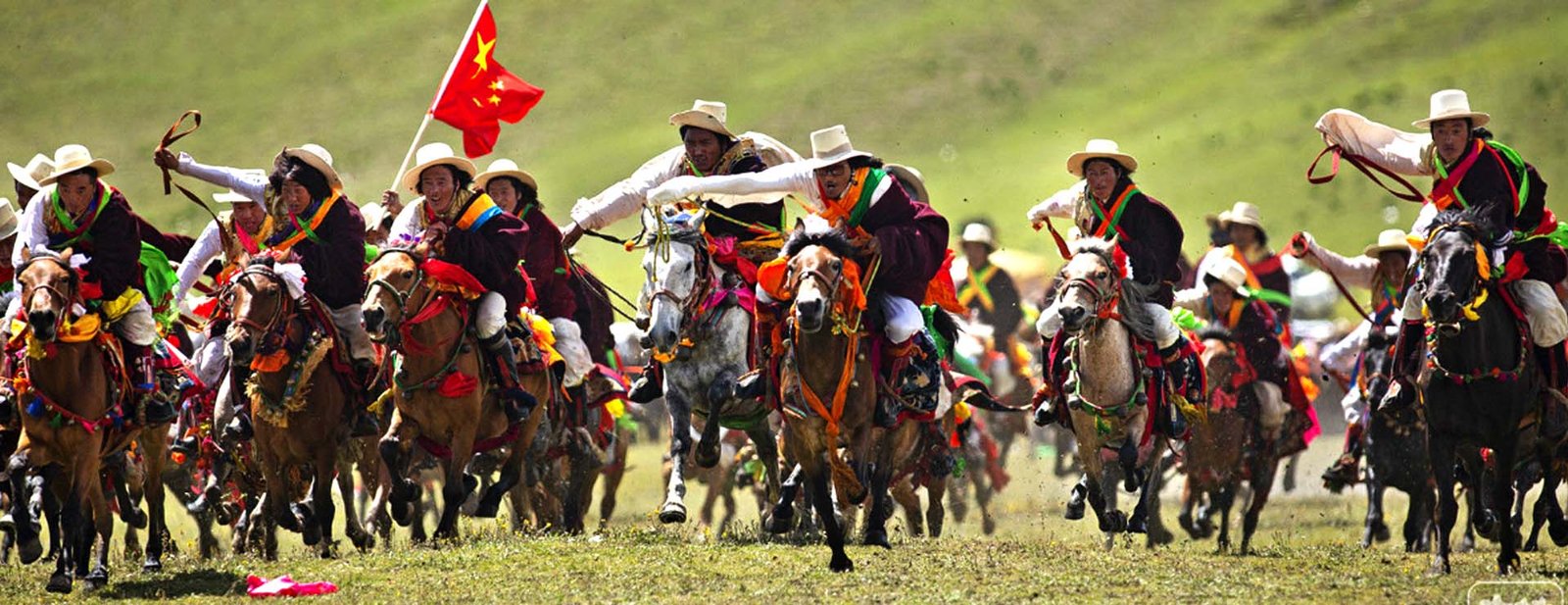
- Kangding Love Song IP: The city’s soul lies in this timeless folk song. Visit Paoma Mountain, where the song’s romance comes to life, and join the national intangible cultural heritage “April 8th” Paoma Mountain Pilgrimage Festival—an annual event with traditional dances, prayers, and cultural performances celebrating love and faith.
- Ethnic Fusion & “Village Coffee” Culture: Kangding boasts a unique blend of Tibetan and Han cultures. Explore ancient streets lined with traditional Tibetan stone houses and Han-style buildings, then savour local specialities like highland barley coffee and wind horse coffee—”village coffee +” formats that blend plateau traditions with international flair, embodying the city’s refined temperament.
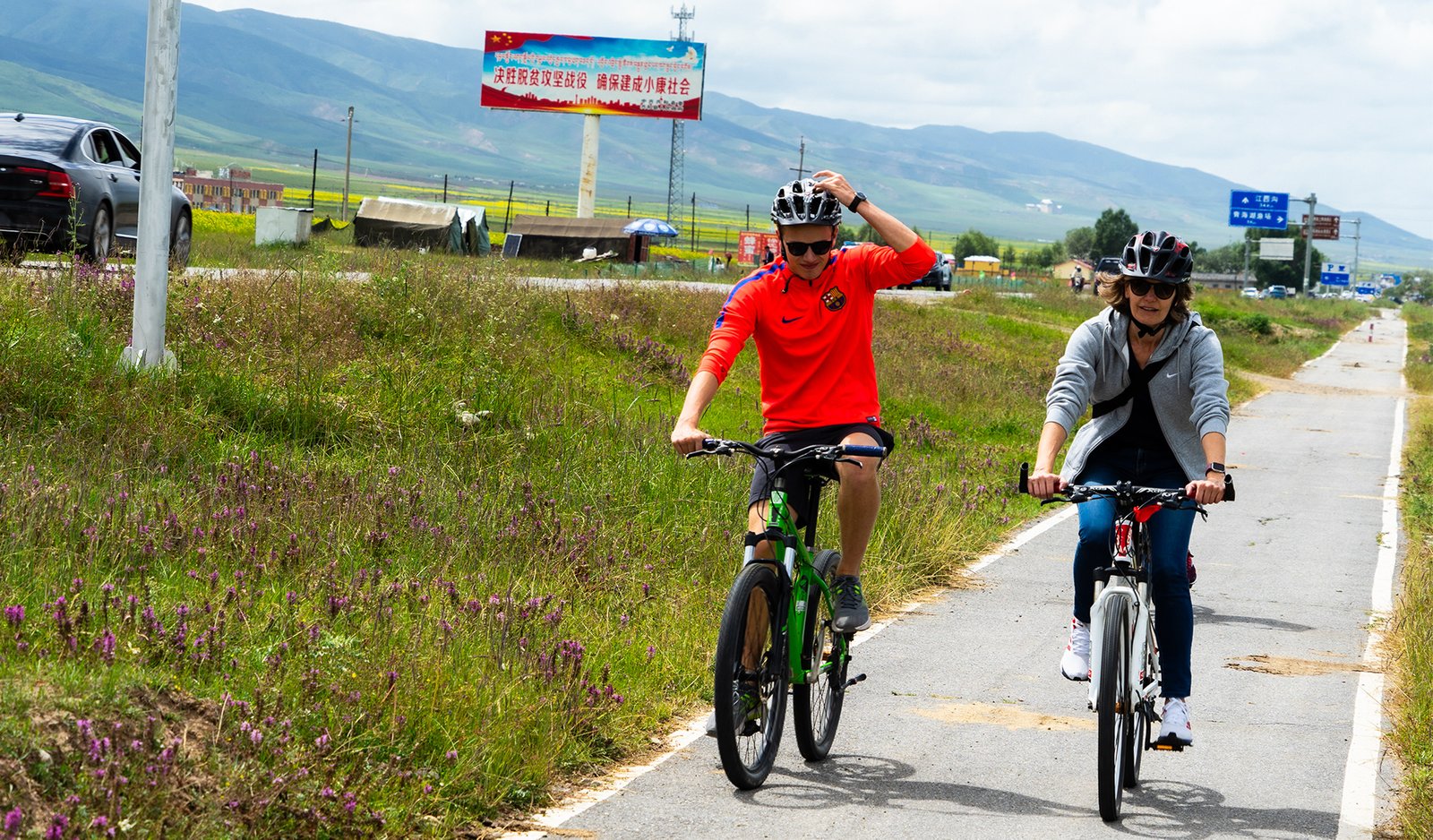
- Sports & Events: Along the Dadu River, Kangding hosts dynamic events like mountain bike races, the Gongga Cup Football Match, and cross-Gongga trail running races. These events infuse the city with energy, combining outdoor sports with scenic beauty.
Unique Travel Characteristics
- Beyond a Love Song: Kangding transcends its romantic reputation, offering a “one city, multiple experiences” journey—from exploring the Gongga Mountains’ wilderness to indulging in cultural immersion and modern leisure.
- Perfect “Fast Access, Slow Travel” System: With optimised transportation networks, Kangding ensures easy access, while 1,607 homestays and 28 campsites (ranging from high-end to mid-range) cater to diverse needs, allowing visitors to slow down and savour the scenery.
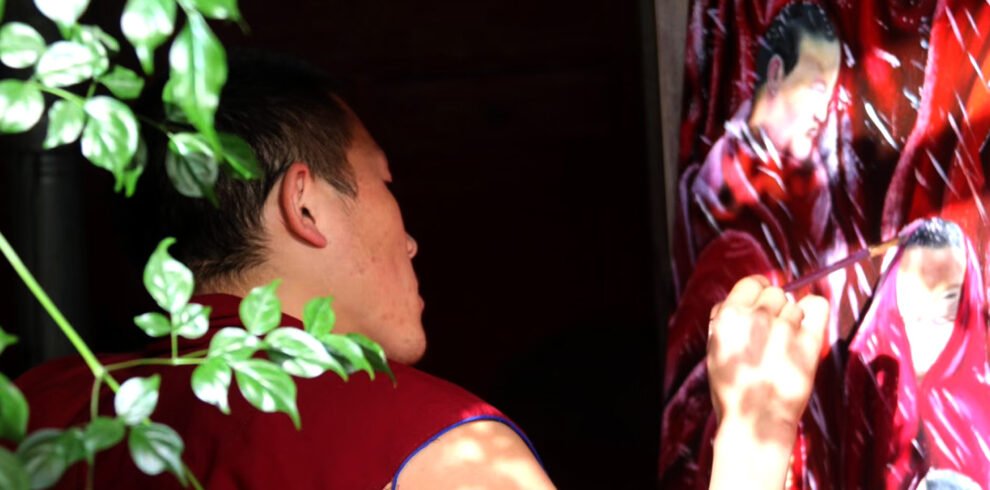
- Cultural & Ecological Symbiosis: It integrates intangible cultural heritage (love songs, pilgrimages), Tibetan traditions, and ecological protection, creating a sustainable tourism model that honours both nature and history.
- Year-Round Appeal: Spring and autumn showcase vibrant foliage and clear skies; summer offers cool temperatures as a mountain retreat; winter will welcome an international competition-level ski resort, adding snow sports to its allure.
Essential Travel Tips
- Altitude Adaptation: Downtown Kangding is 2,560 meters—acclimatise slowly, drink plenty of water, and avoid strenuous activity upon arrival. Higher areas like Zheduo Mountain require altitude sickness remedies.
- Transportation: Chengdu is the main gateway—a 1.5-hour flight to Kangding Airport, a 4-5 hour drive by car/bus. The “Ring of Gongga” is best explored by self-driving or organised tours for flexibility.
- Best Time to Visit: April-June (blooming flowers), September-November (colourful autumn foliage) are ideal. Summer (July-August) is cool for escaping heat, while winter will offer ski experiences post-2025.
- Cultural Respect: Follow Tibetan customs—circumambulate sacred sites clockwise, ask permission before photographing locals or monasteries. Dress modestly for religious venues.
- Local Delicacies: Try highland barley coffee, yak meat, pine mushrooms, and black highland barley products (nougat, crisps)—a blend of plateau flavours and innovative