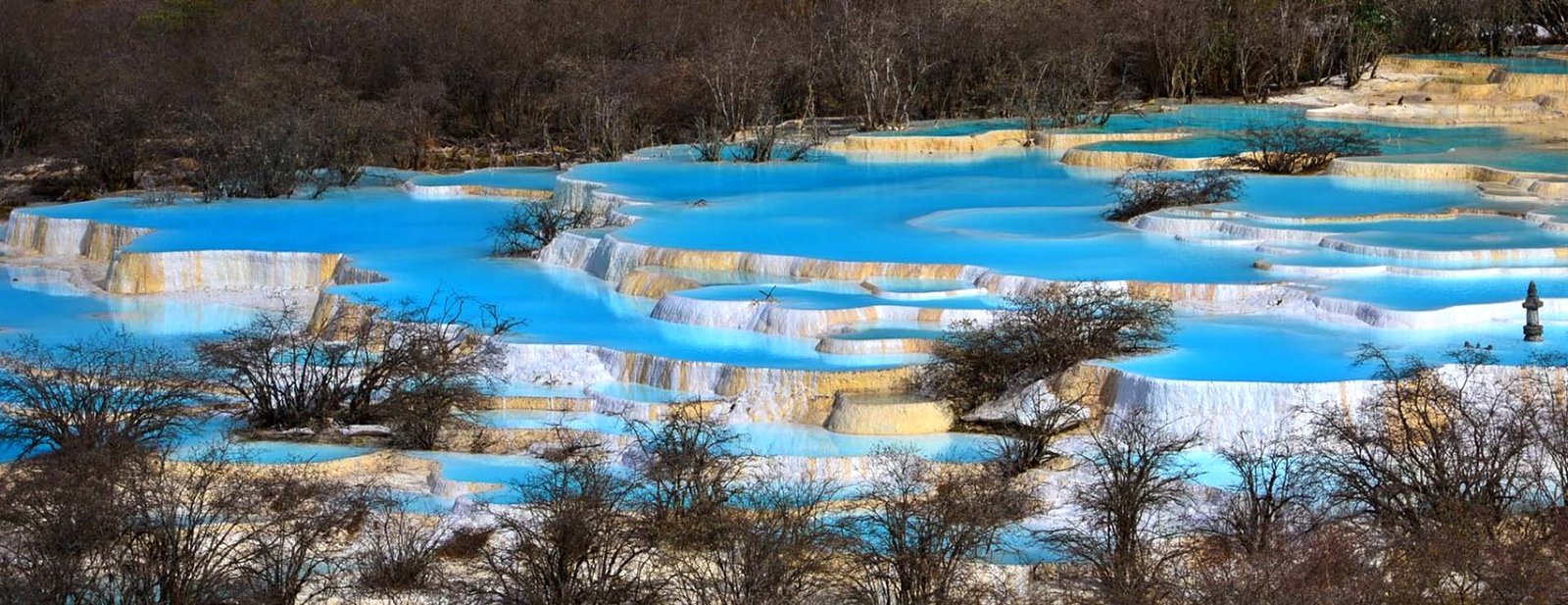
Jiuzhaigou Valley, a UNESCO World Heritage Site, is a spectacular natural wonder renowned for its emerald lakes, multi-level waterfalls, colourful forests, and snow-capped peaks. Often described as a “fairyland on earth” or a “fairy tale world,” it offers some of China’s most breathtaking and unforgettable scenery.
A Natural Masterpiece
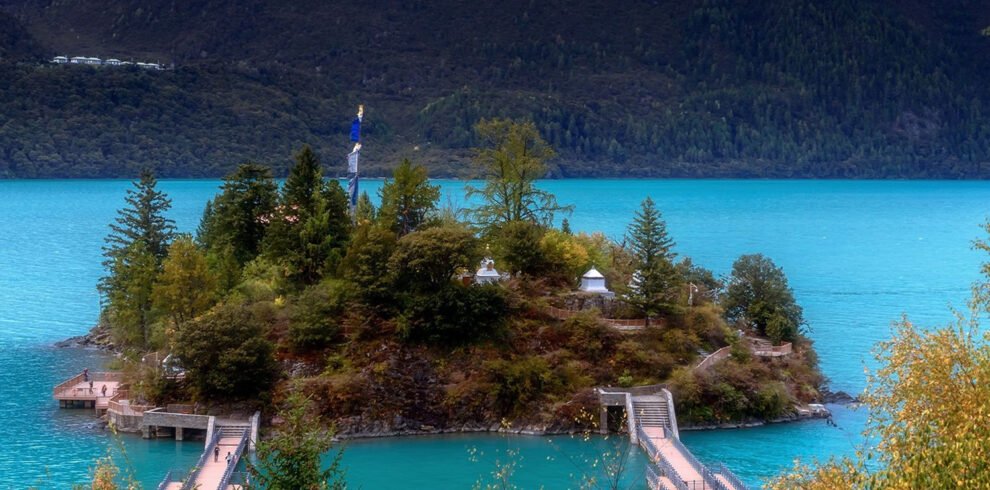
Located in the Aba Tibetan and Qiang Autonomous Prefecture of Sichuan Province, the valley covers an area of over 720 square kilometres and features a distinctive Y-shaped layout formed by three gullies: Rize Valley, Zechawa Valley, and Shuzheng Valley . It is famously dotted with 114 stunning lakes, known locally as “haizi,” which are connected by cascading waterfalls and streams.
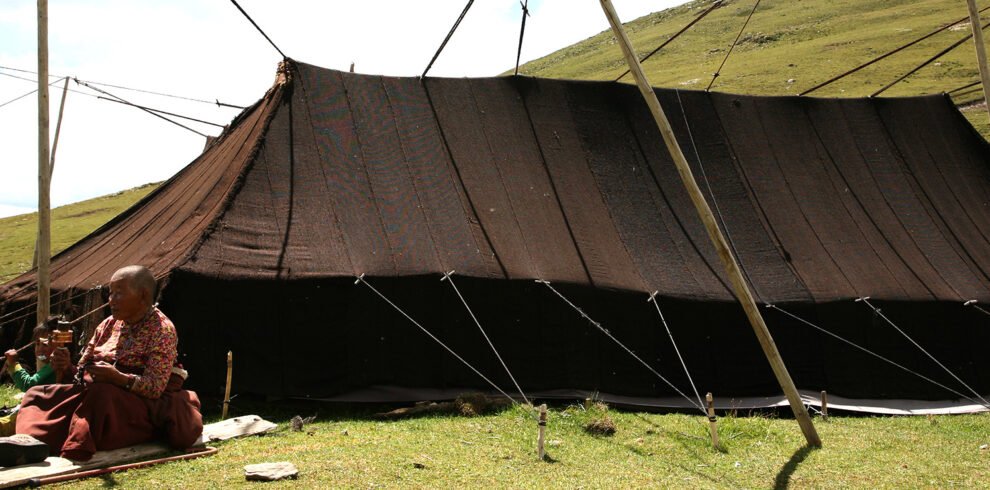
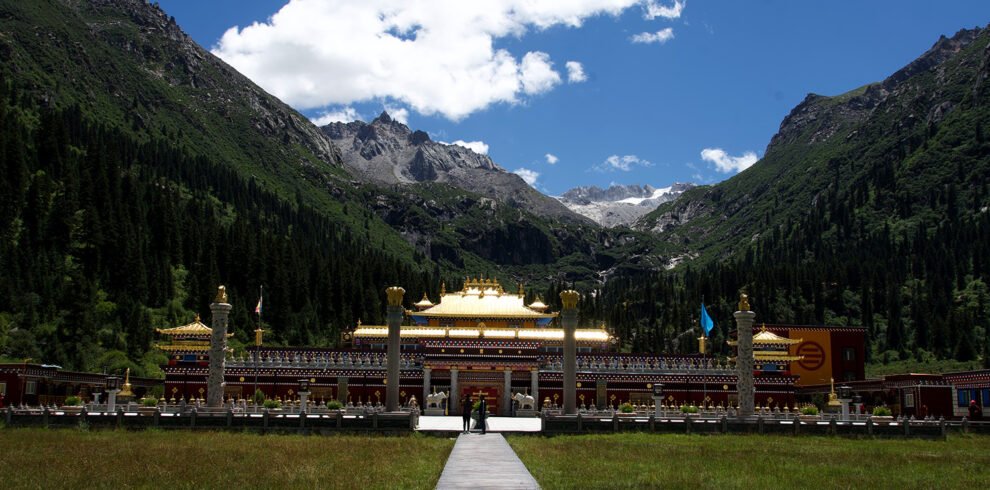
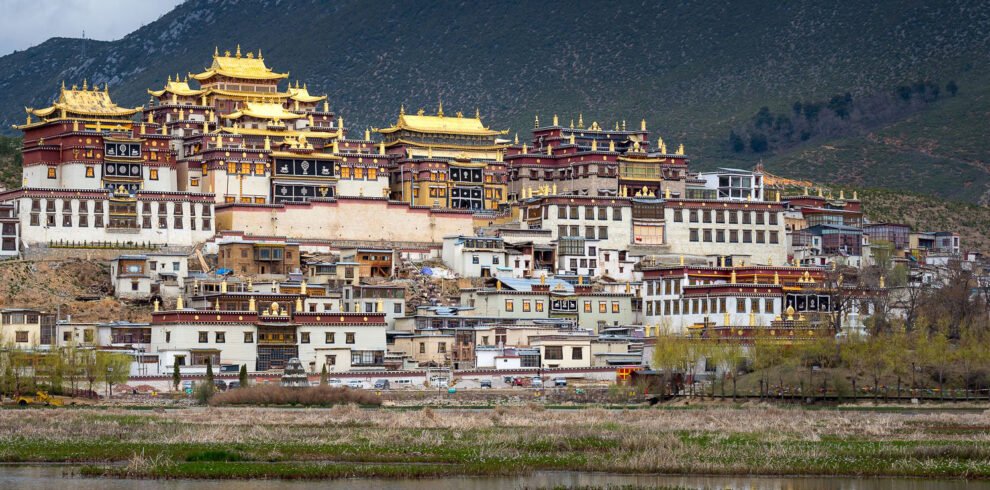
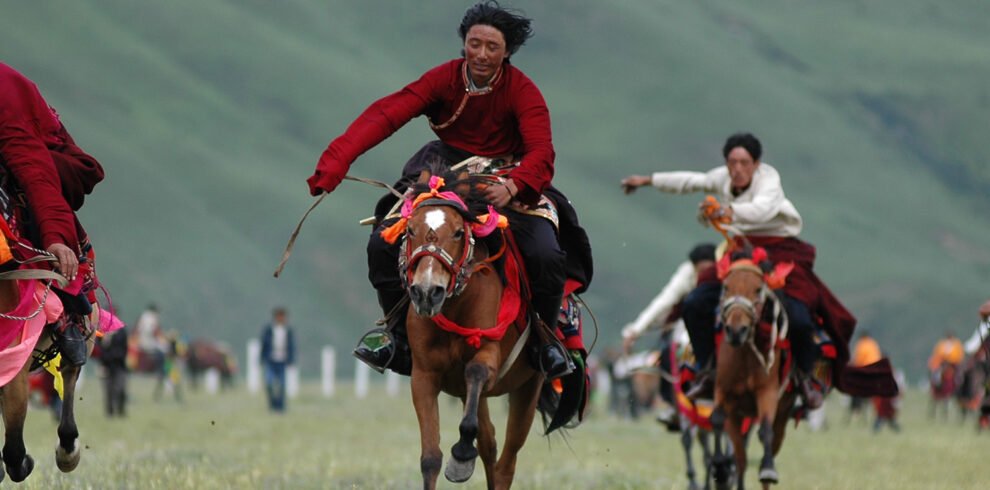
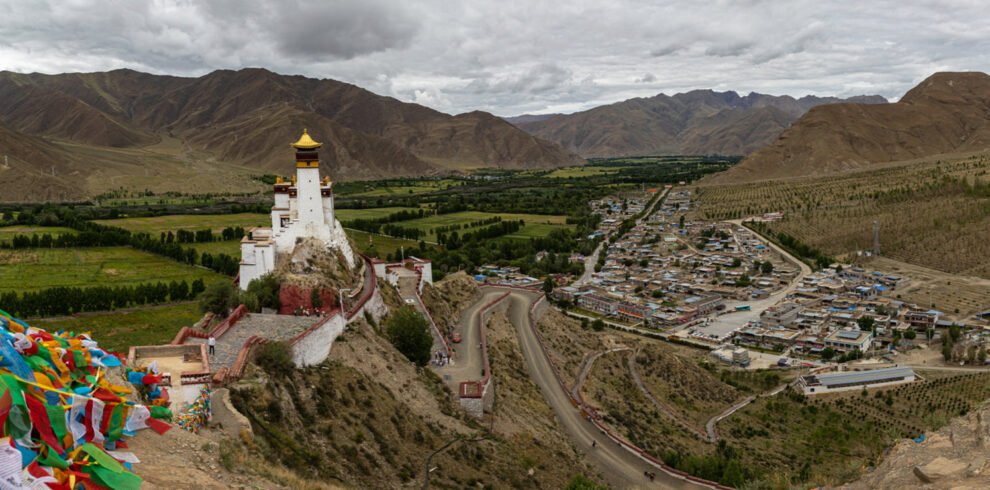
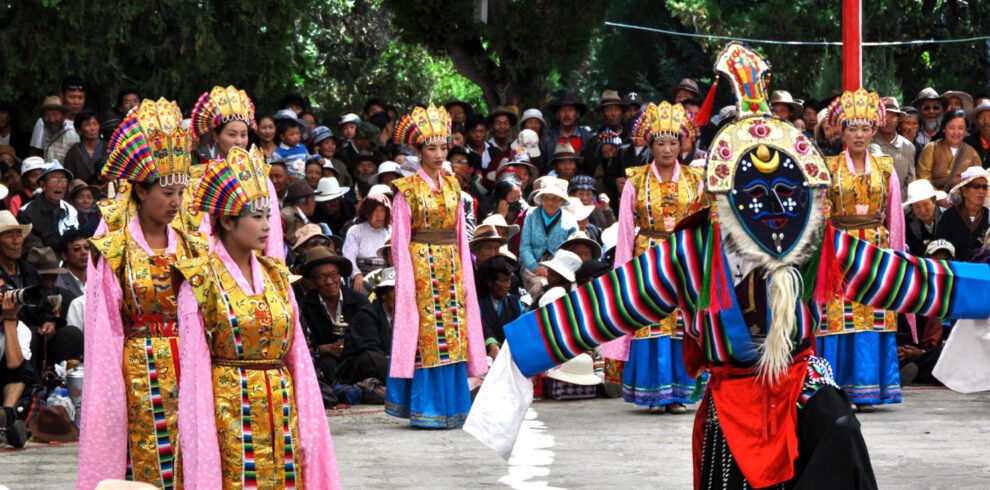
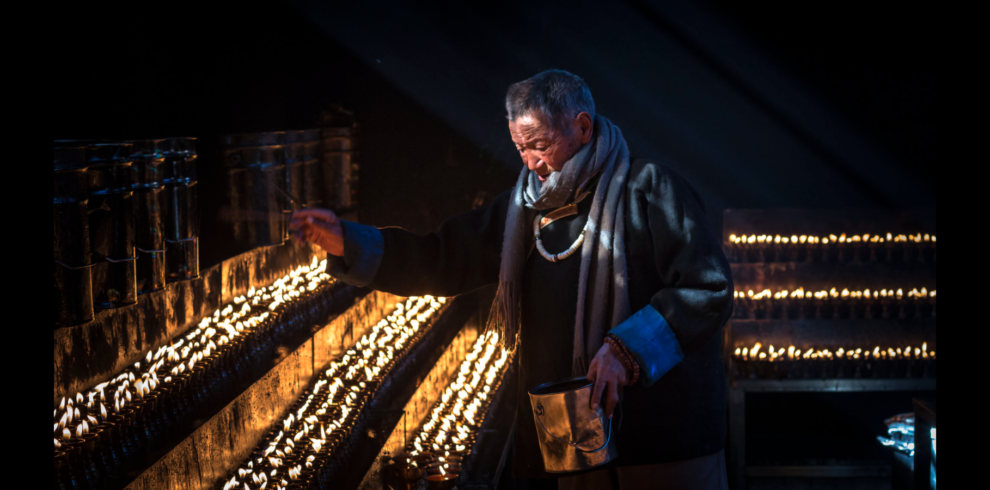
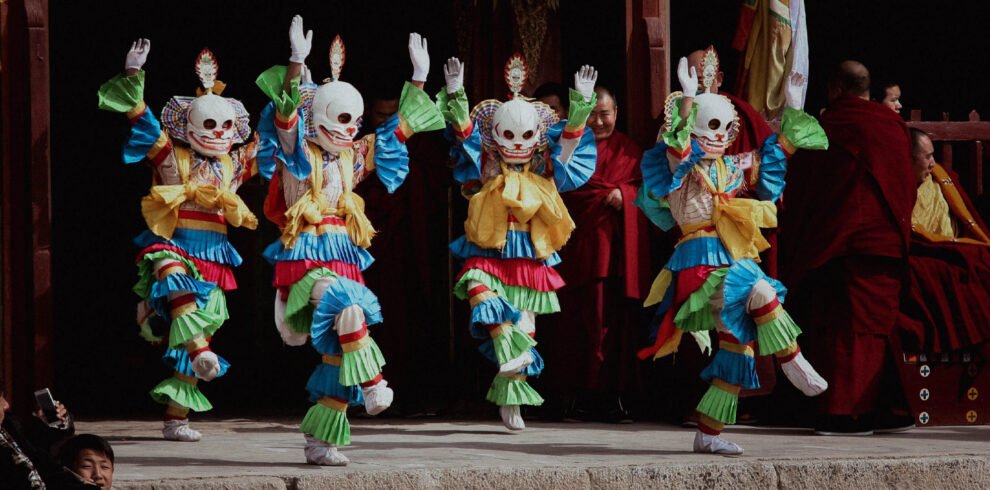
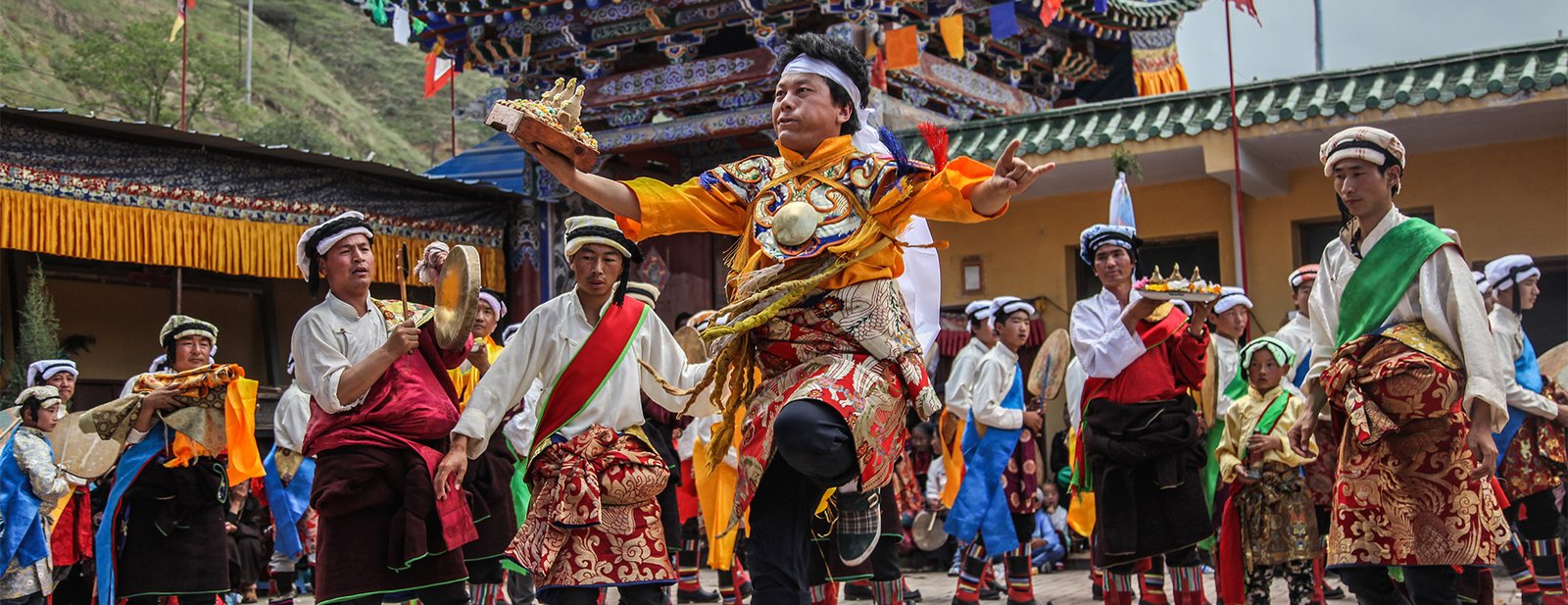
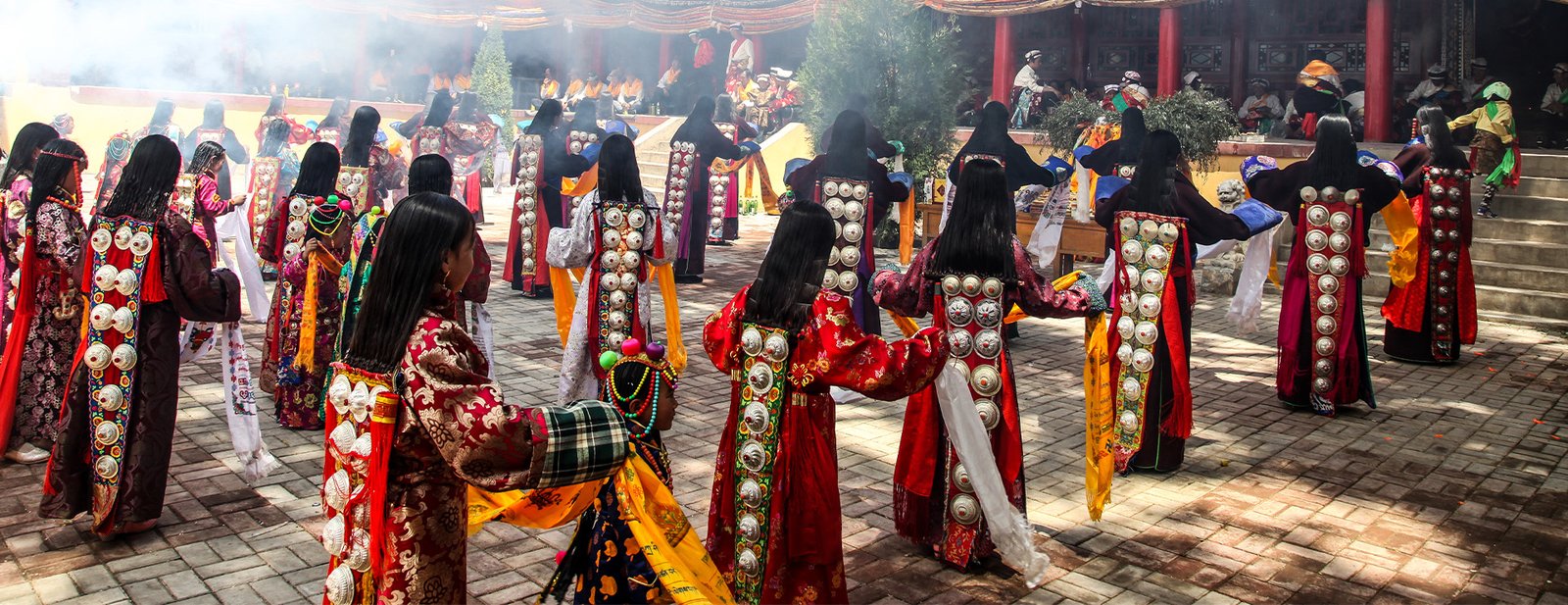
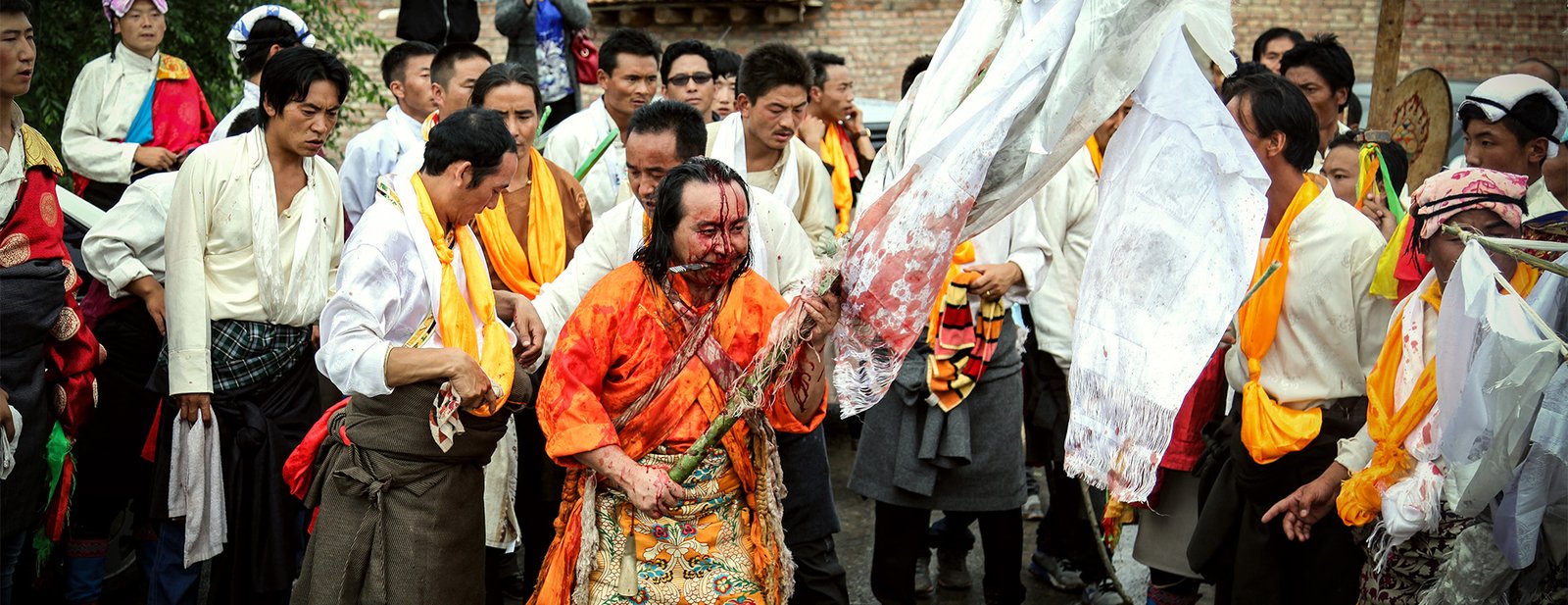
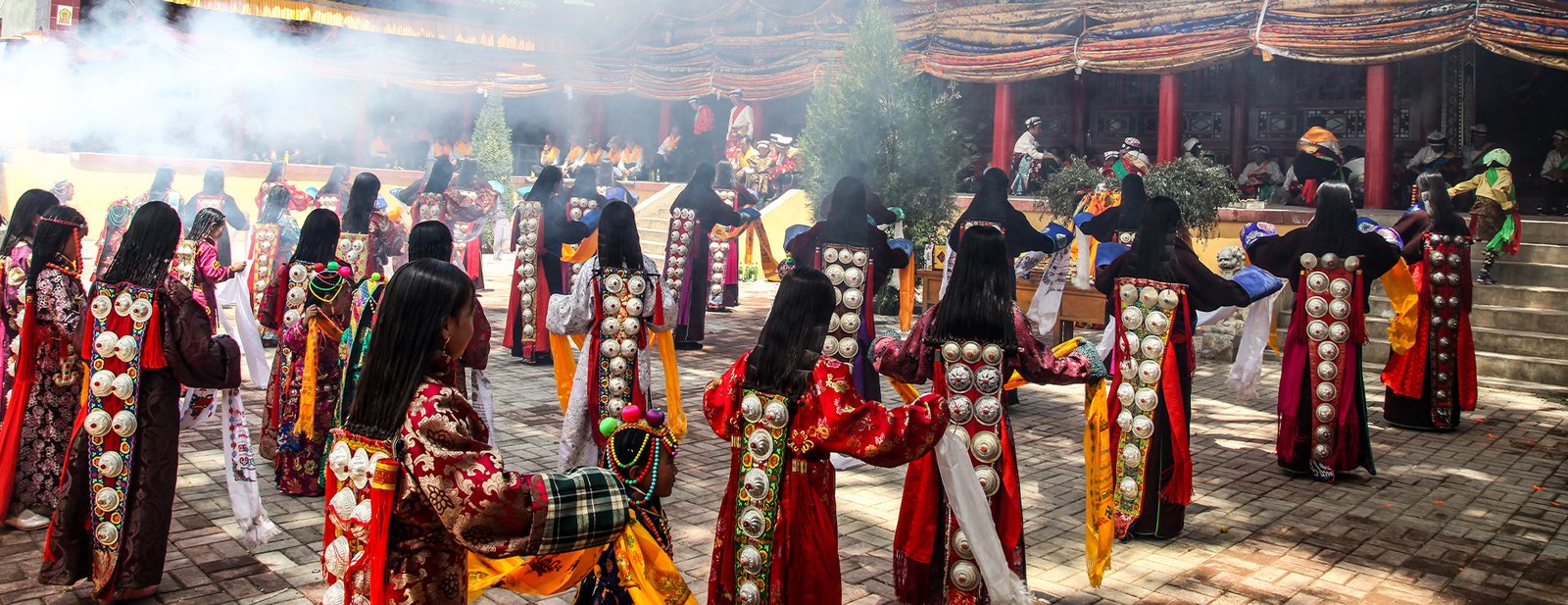
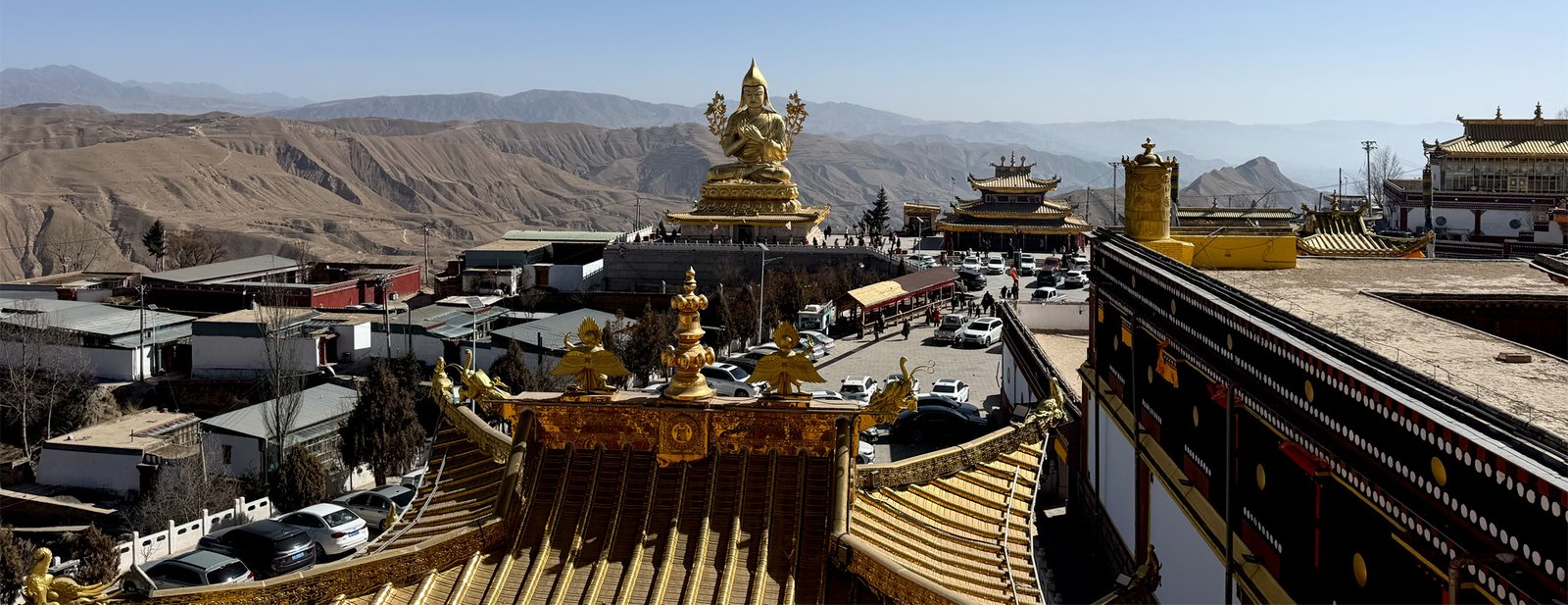
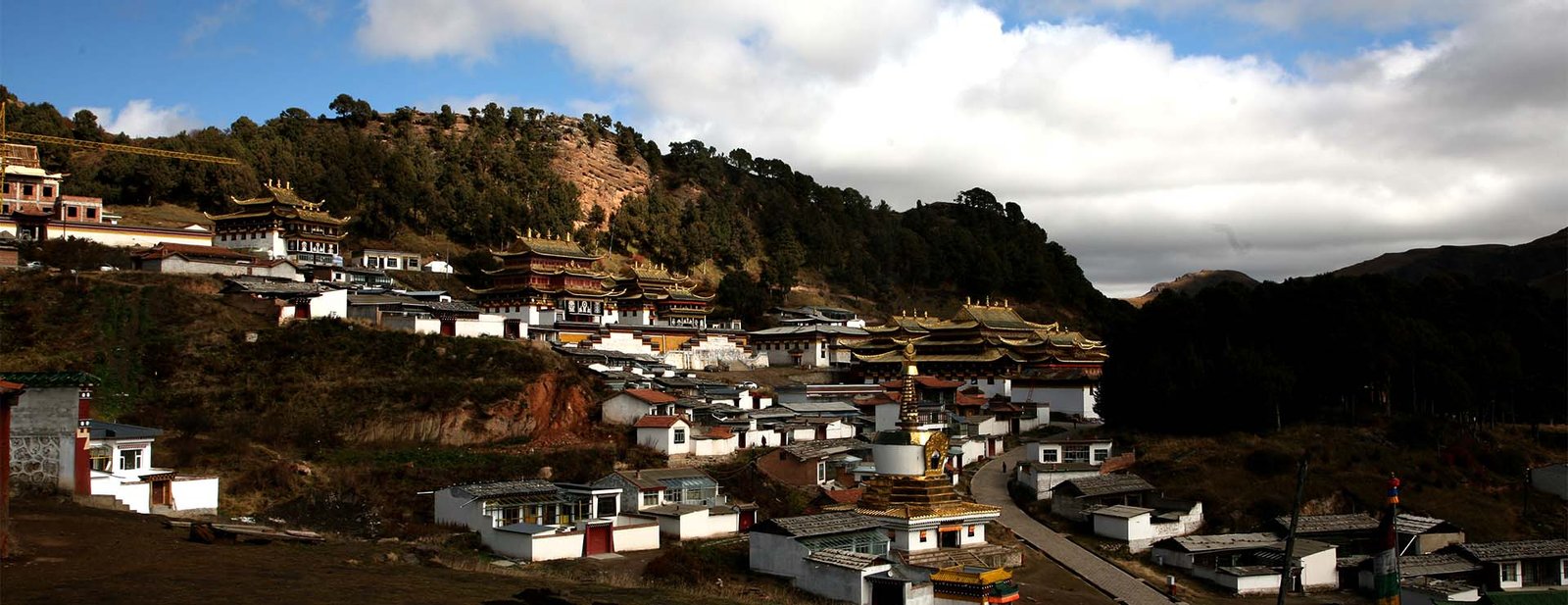
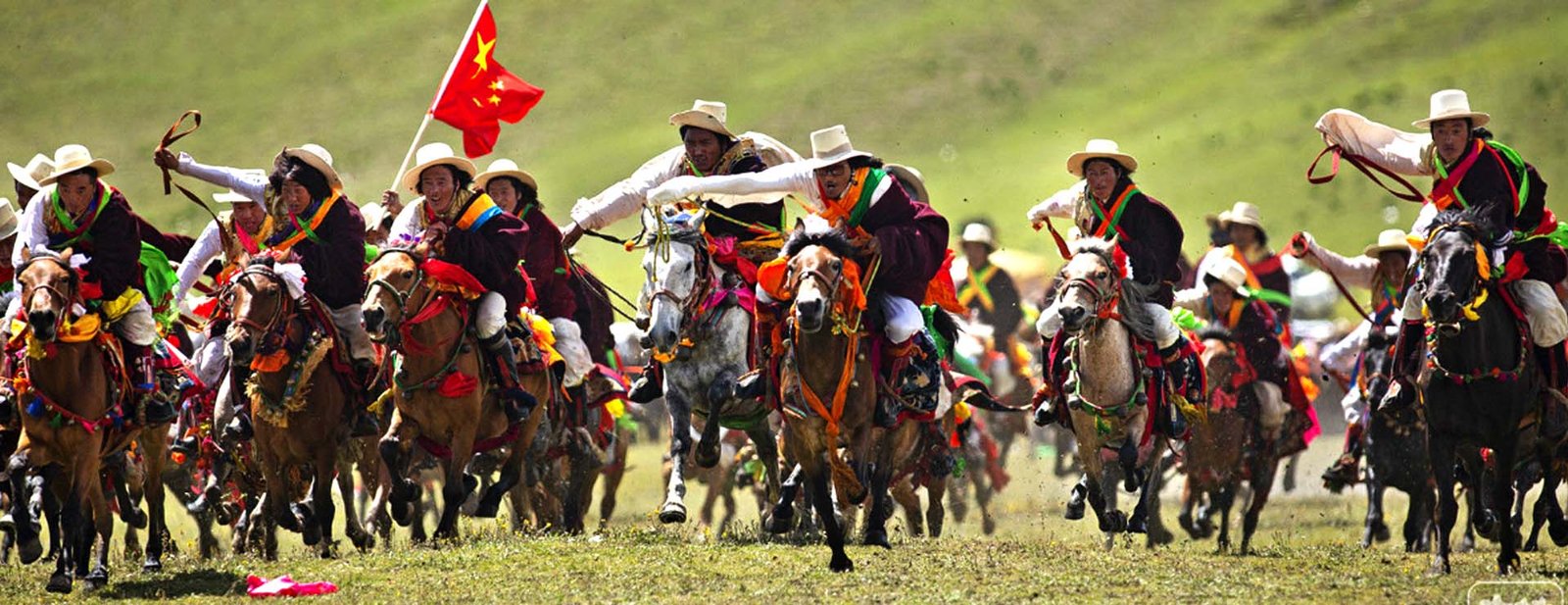
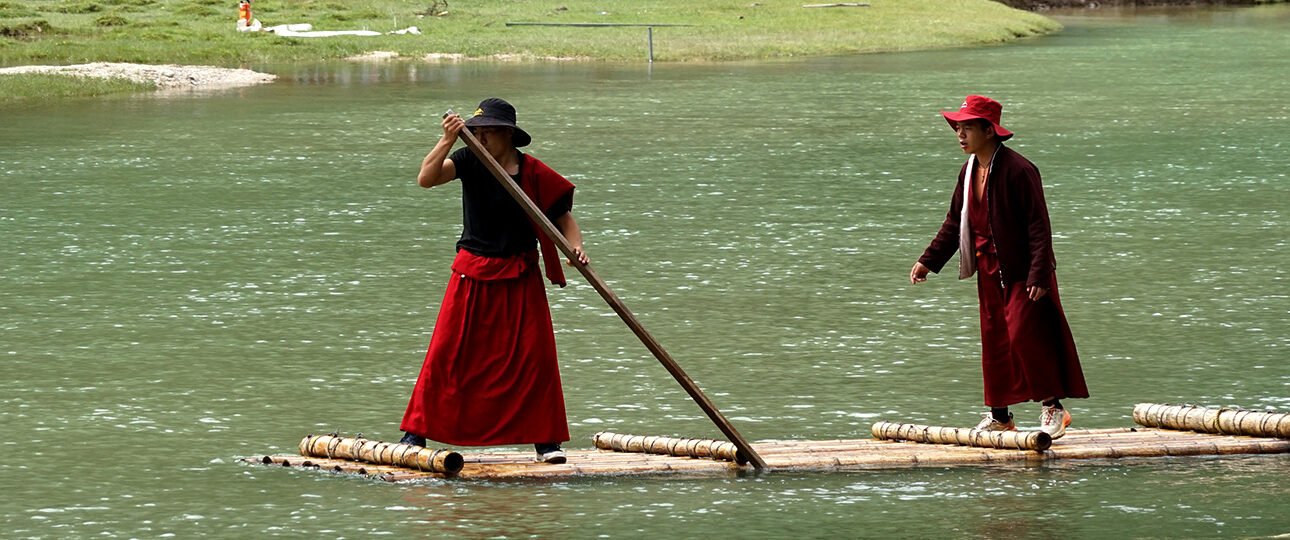
The valley’s name, meaning “Valley of Nine Villages,” originates from the nine Tibetan villages scattered throughout the area, though only a few, like Shuzheng Village and Heye Village, are still inhabited and accessible to visitors. This adds a rich layer of Tibetan culture to the natural beauty, with prayer flags and traditional customs visible throughout the region.
Must-See Highlights
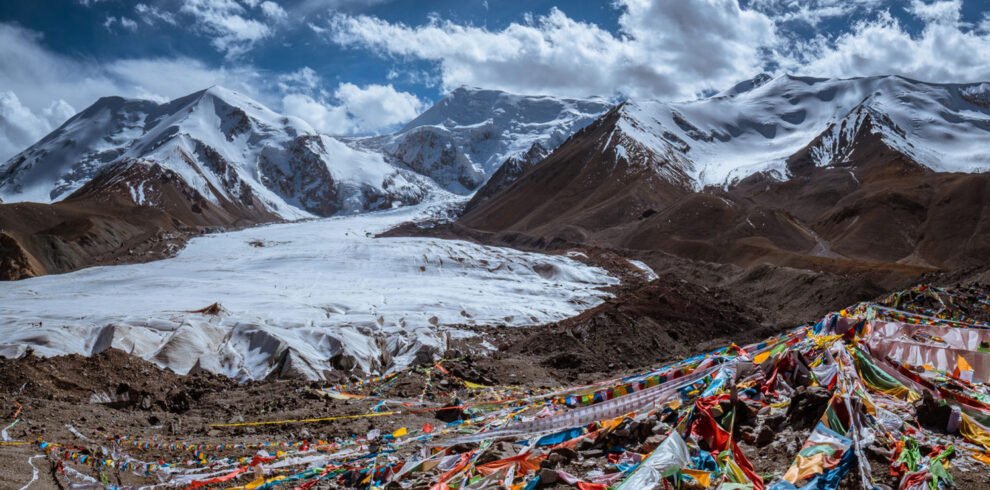
Jiuzhaigou is celebrated for its “Six Wonders”: layered waterfalls, colourful forests, snow-capped peaks, turquoise lakes, unique blue ice, and Tibetan customs.
Key attractions include:
- Five Flower Lake (Wuhua Hai): The essence of Jiuzhaigou, known for its crystal-clear, kaleidoscopic waters where fallen tree trunks are visible on the lakebed.
- Nuorilang Waterfall: At 320 meters wide, it is one of China’s widest calcified waterfalls, majestic in all seasons and transforming into a dramatic blue ice formation in winter.
- Long Lake (Chang Hai): The highest, deepest, and largest lake in Jiuzhaigou, surrounded by snow-capped mountains year-round.
- Mirror Lake: Famous for its perfectly still surface that creates mirror-like reflections of the surrounding mountains and forests, especially at sunrise.
Travel Essentials
- Best Time to Visit: Autumn (September to November) is considered the best time for its vibrant fall foliage. Spring offers blooming flowers, summer has lush greenery, and winter provides a serene, snowy landscape with fewer tourists.
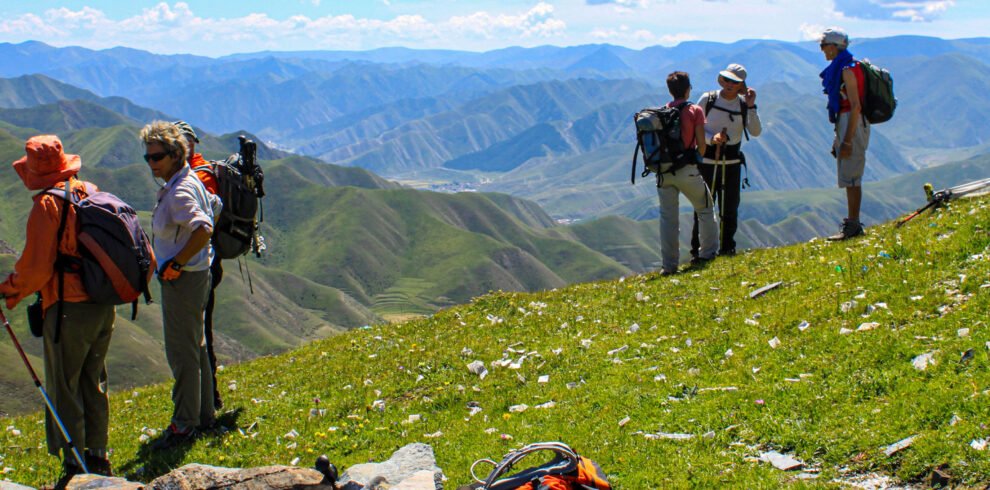
- Planning Your Visit: A visit of 1-2 full days is recommended. The park requires a shuttle bus to navigate its vast area. Be prepared for high altitude (2,000-4,500 meters) and pack accordingly with warm layers, sunscreen, and comfortable shoes.
- Responsible Travel: As a protected nature reserve, visitors are encouraged to stay on designated boardwalks, not touch the water in the lakes, and support local Tibetan businesses to help preserve this magical destination.
Jiuzhaigou is more than just a national park; it’s a journey into a vibrant, living landscape that captivates the soul and leaves a lasting impression on all who visit.