Tibet and the Silk Road: A Journey Through Time
Tibet, often called the “Roof of the World,” was not a remote isolate but a dynamic crossroads of ancient civilisations. Long before the rise of the Tibetan Empire, a network of high-altitude trails—now called the “Plateau Silk Road”—connected this region with the rest of Asia, facilitating the flow of goods, ideas, and cultures between China, Central Asia, and South Asia.
Recent archaeological discoveries have vividly illustrated this exchange. In Ngari Prefecture in western Tibet, excavations have uncovered 1,800-year-old tea leaves and silk fragments bearing the Chinese characters for “King” or “Prince”, indicating that luxury goods from central China were traded across the highest plateau long before the Tang Dynasty. These findings confirm that Tibet was an active participant in transcontinental trade networks rather than a cultural island.
The term “Silk Road” here goes beyond mere commerce; it encompasses routes like the Tang-Tubo Ancient Road, which strengthened ties between the Tang Dynasty and the Tubo Kingdom (Tibetan Empire), and the “Tibet-Nepal Road,” which served as a gateway to South Asia.
Historical Legacy Across Tibet’s Three Regions
Tibet is traditionally divided into three major cultural regions, each with a distinct Silk Road heritage.
1. Ngari (Western Tibet) – The Ancient Gateway
Ngari was the heart of the Zhangzhung culture and later the Guge Kingdom. It functioned as a critical hub where northern and southern branches of the Silk Road converged.
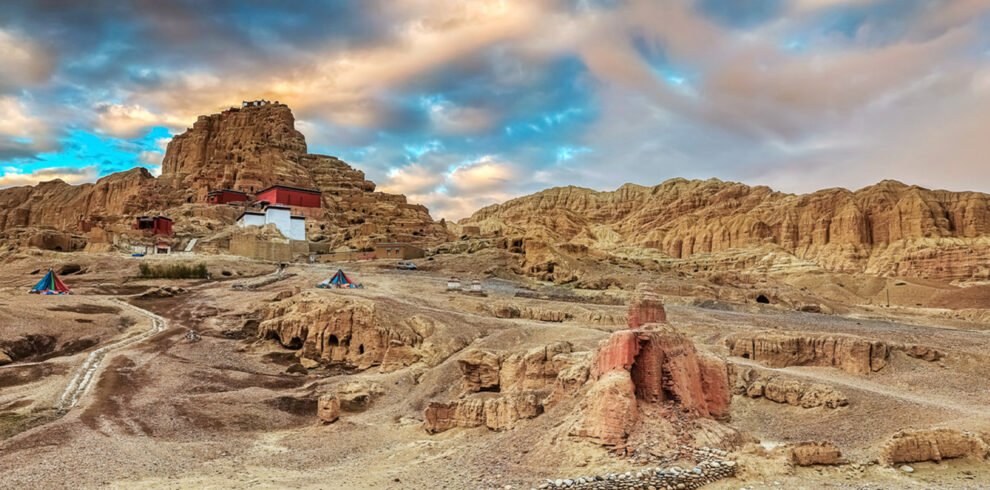
- Key Heritage Sites: The Mount Kailash region is sacred across multiple religions. Ruins of the Guge Kingdom in Zanda County showcase cave temples, fortifications, and exquisite murals that blend Tibetan, Indian, and Central Asian art styles.
- Archaeological Significance: Sites like the Gurugyam Cemetery have yielded unique artefacts, such as gold masks and copperware, reflecting influences from the Himalayas and Central Asia.
2. Ü-Tsang (Central Tibet) – The Political and Spiritual Core
This region, centred around Lhasa, became the political and Buddhist heartland under the Tubo Empire.
- Tang-Tubo Relations: The famous marriage between Tang Princess Wencheng and Tibetan King Songtsen Gampo in 641 CE symbolized peaceful exchange. She brought with her advanced technologies, medical knowledge, and Buddhist scriptures, profoundly influencing Tibetan culture.
- Cultural Blending: Artefacts such as a silver vase from the Tubo period, decorated with figures playing Central Asian instruments (e.g., a pipa), attest to multicultural artistic influences. Landmarks like the Jokhang Temple and Potala Palace in Lhasa house treasures that reflect this fusion.
3. Kham (Eastern Tibet) – The Corridor of Exchange
Kham served as a vibrant corridor linking the Tibetan Plateau with the Chinese heartland and Southeast Asia.
- Trade and Caravan Routes: This was a key zone for the tea-horse trade, where Tibetan horses were exchanged for Chinese tea. The rugged, high-altitude landscape is dotted with ancient caravan stops and trading posts.
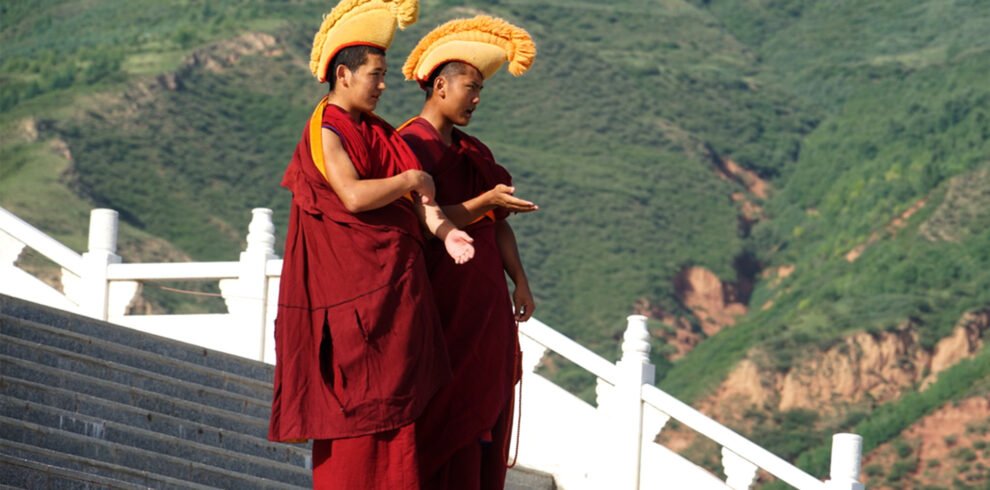
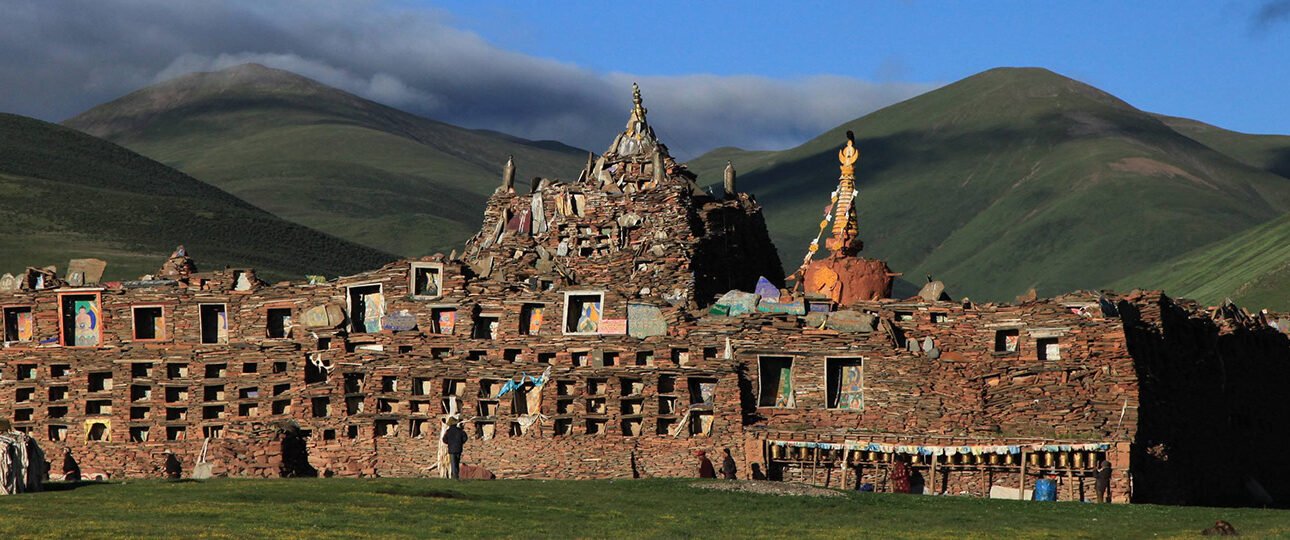
- Ethnic Mosaic: The region is known for its diverse ethnic communities, including Khampas, who are renowned for their rich cultural traditions, monastic institutions, and distinctive architecture.
Why Visit Tibet’s Silk Road Heritage?
Travelling through Tibet offers a unique opportunity to walk in the footsteps of ancient merchants and monks. You can:
- Explore remote archaeological sites where recent digs have rewritten history.
- Witness living traditions in monasteries and local festivals that preserve centuries-old customs.
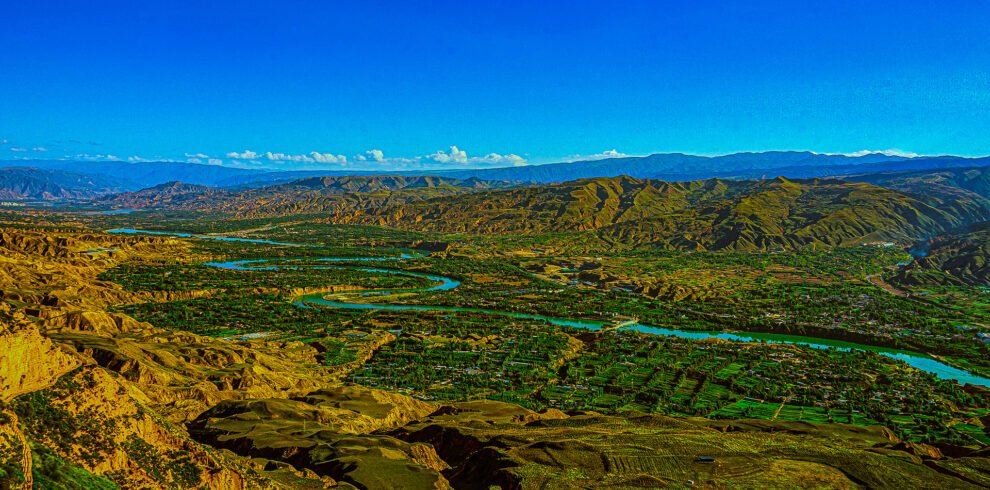
- Experience breathtaking landscapes—from the sacred peaks of Ngari to the lush valleys of Kham—that formed the backdrop for this epic cross-cultural exchange.
The following table highlights key heritage sites across Tibet’s three regions linked to the Silk Road:
| Region | Key Heritage Sites | Historical Significance |
|---|---|---|
| Ngari (West) | Guge Kingdom ruins, Kailash Mountain, Gurugyam Cemetery | Early trade gateway; blend of Tibetan, Indian & Central Asian art |
| Ü-Tsang (Central) | Jokhang Temple, Potala Palace (Lhasa), Damshung archaeological site | Ancient tea-horse trade routes, Kham monastic centres |
| Kham (East) | Ancient tea-horse trade routes, Kham monastic centers | Ethnic corridor; tea-horse trade hub |
Tibet’s role in the Silk Road reveals a story of resilience and interconnection. Its heritage is not frozen in time but lives on in the region’s spiritual practices, artistic expressions, and the enduring hospitality of its people—a truly inspiring journey for any traveller.
A Traveller’s Guide to the Silk Road: History, Heritage, and Modern Adventure
The Silk Road stands as one of history’s most famous networks of trade routes, a legendary bridge between East and West that facilitated not only the exchange of goods like silk and spices but also ideas, cultures, and technologies for centuries. For the modern traveller, journeying along its paths means walking in the footsteps of merchants, monks, and explorers through a landscape rich with ancient cities, stunning art, and enduring traditions.
A Brief Historical Introduction
The Silk Road officially emerged over 2,100 years ago during China’s Han Dynasty (206 BCE–220 CE) after the imperial envoy Zhang Qian embarked on his monumental missions to Central Asia. This opened a gate to the West, establishing a route that stretched from the Chinese capitals of Chang’an (modern Xi’an) and Luoyang across continents to the Mediterranean. The name “Silk Road,” coined in the 19th century by German geographer Ferdinand von Richthofen, derives from the lucrative silk trade, but the routes carried far more than just fabric. They were vital channels for the exchange of porcelain, tea, paper, gunpowder, horses, glassware, and precious stones.
The Tang Dynasty (618–907 CE) marked the golden age of the Silk Road. Under strong central governance, the routes became more secure and extensive, reaching their peak of prosperity. Cities like Chang’an became cosmopolitan hubs, where thousands of foreigners—traders, entertainers, and scholars—mingled, making Han Chinese wearing “Hu” (Central Asian) clothing and enjoying exotic music and dance a common sight. This era saw profound cultural and technological exchanges: Chinese innovations like papermaking and the compass moved west, while Buddhism, Zoroastrianism, astronomy, and artistic styles from Persia and India flowed eastward.
Enduring Heritage and Key Sites
The legacy of the Silk Road is visible in the magnificent heritage sites that dot its course. These locations offer a tangible connection to this illustrious past:
- Dunhuang’s Mogao Caves (Gansu, China): A UNESCO World Heritage Site, the Mogao Caves are a treasure trove of Buddhist art. The exquisite frescoes within depict a fusion of Eastern and Western influences, showcasing exotic clothing, musical instruments, and dancing postures from along the Silk Road, serving as a visual archive of cultural exchange.
- Kizilgan Khan Beacon Tower (Xinjiang, China): This well-preserved Han Dynasty beacon tower stands on the ancient Silk Road’s northern route. It functioned as a critical military communication point, where signals of smoke by day and fire by night ensured the security of merchant caravans.
- Dingdingmen Gate Site Museum (Luoyang, China): As the starting point of the Silk Road’s eastern extension, this world cultural heritage site was the southern gate of the Sui and Tang Dynasty capital. The adjacent Silk Road Culture Square now allows visitors to trace the steps of history.
- The “Treasure” of Cultural Fusion: Artefacts discovered along the route tell a story of interconnectedness. A gilded bronze silkworm from the Han Dynasty symbolises the core of the silk trade. Meanwhile, Tang Dynasty artefacts like the Saddle-Colored Hu Figure Riding a Recumbent Camel and the Agate Cup with Gold Beast Head—whose design originated in the West—vividly reflect the vibrant commercial activities and the blending of artistic styles between China and Central Asia.
The Silk Road in the Modern Era: The Belt and Road Initiative
The spirit of the Silk Road is experiencing a renaissance in the 21st century through China’s Belt and Road Initiative (BRI). This modern project revives the ancient network by focusing on infrastructure connectivity and cross-cultural cooperation. A symbol of this new era is the China-Europe freight train, often called the “steel camel train,” which travels from Xi’an to cities across Europe, carrying goods and fostering economic ties just as its ancient predecessor did. This initiative underscores the timeless themes of peace, cooperation, and mutual benefit that defined the historical Silk Road.
For any traveller, exploring the Silk Road is more than a trip—it’s a journey through the epic of human civilisation, where the past continues to inform a connected and dynamic present.
Note: For deeper historical exploration, consider visiting museum collections such as the “Cultural Exchange Along the Silk Road” exhibition, which featured artefacts from the Tubo period.
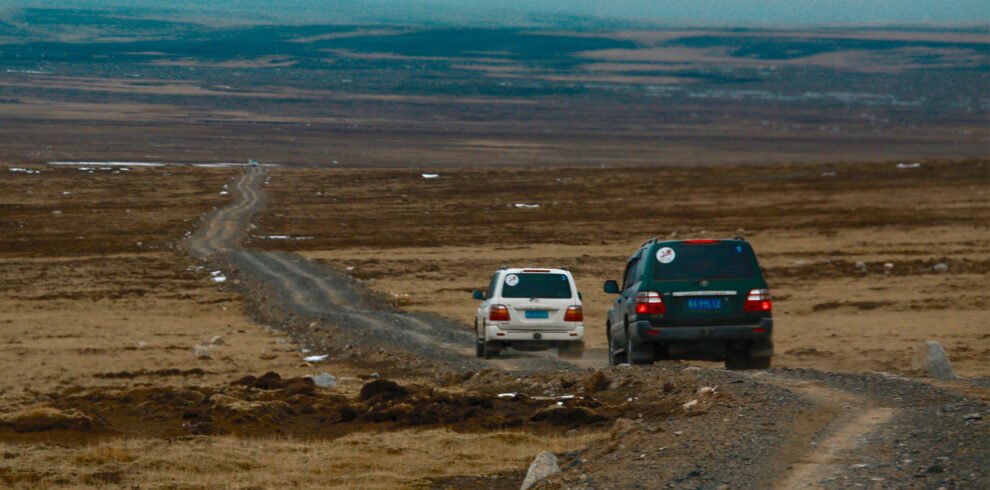
Overland Expeditions (7 Trips)
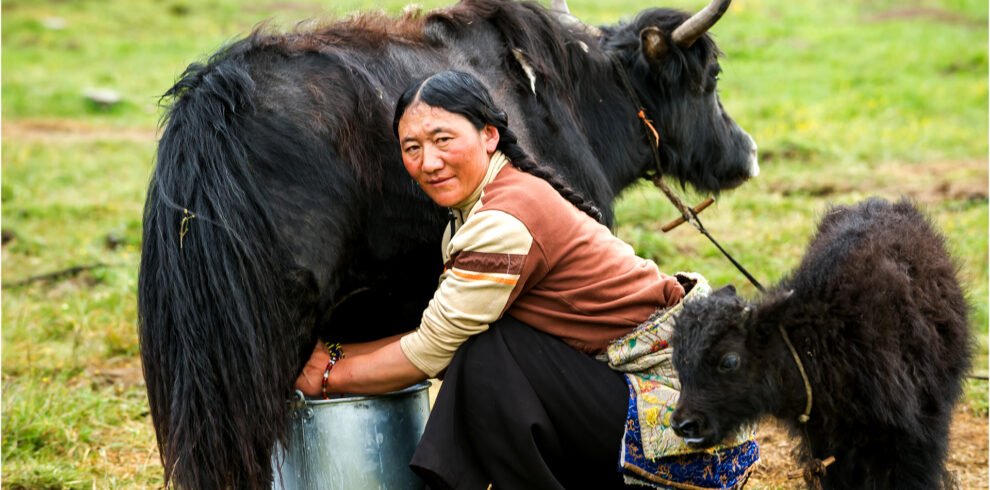
Nomadic Life Experience (2 Trips)
Art & Culture (12 Trips)
Trekking & Outdoor (5 Trips)
Festivals & Events (9 Trips)

Wellness & Retreats (1 Trip)
Heritage & History (7 Trips)
Day-Trips (2 Trips)
Wildlife & Nature (5 Trips)