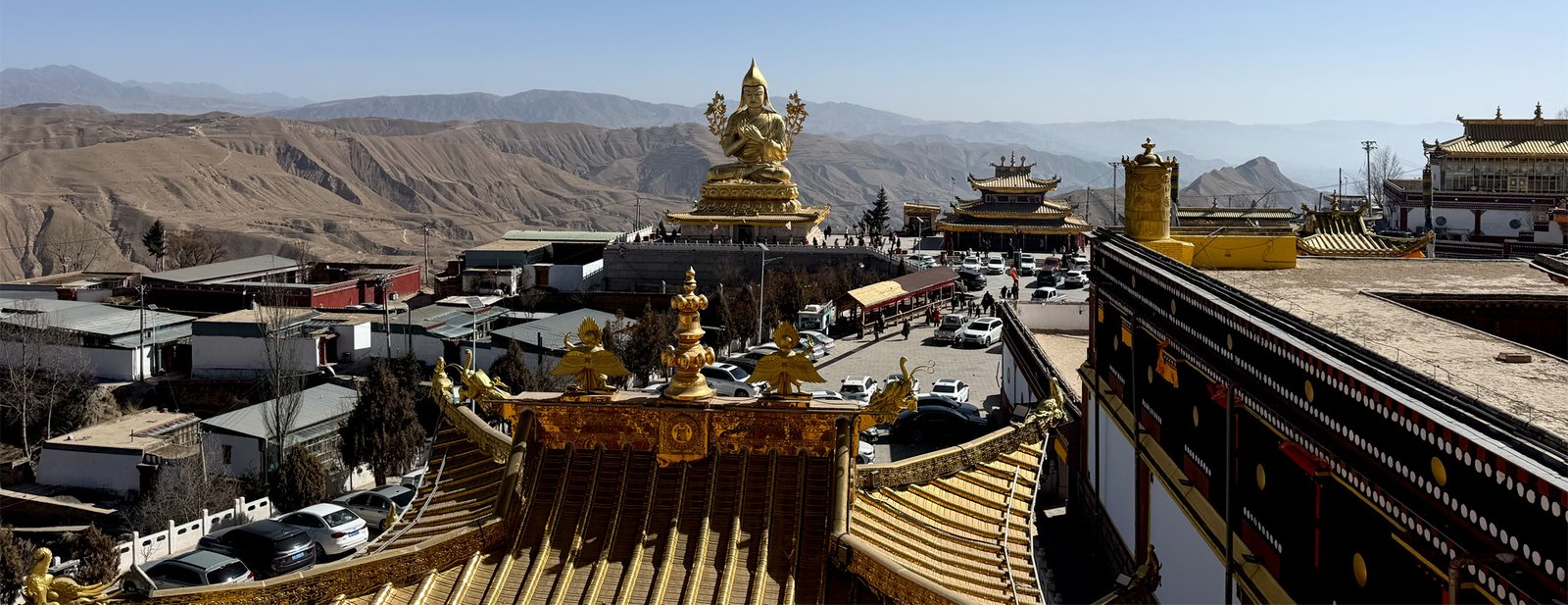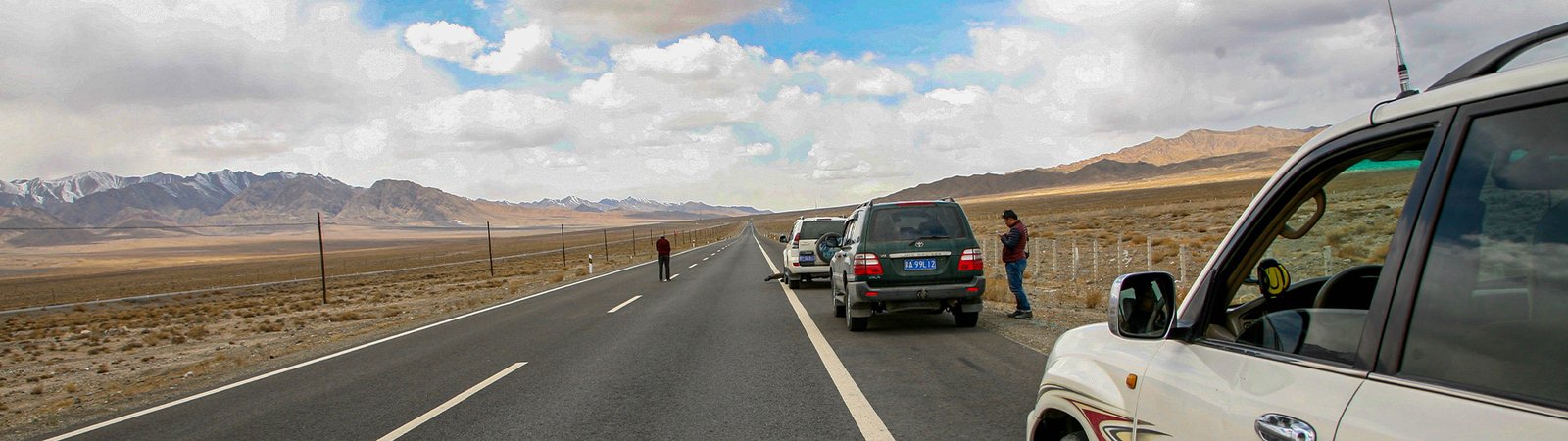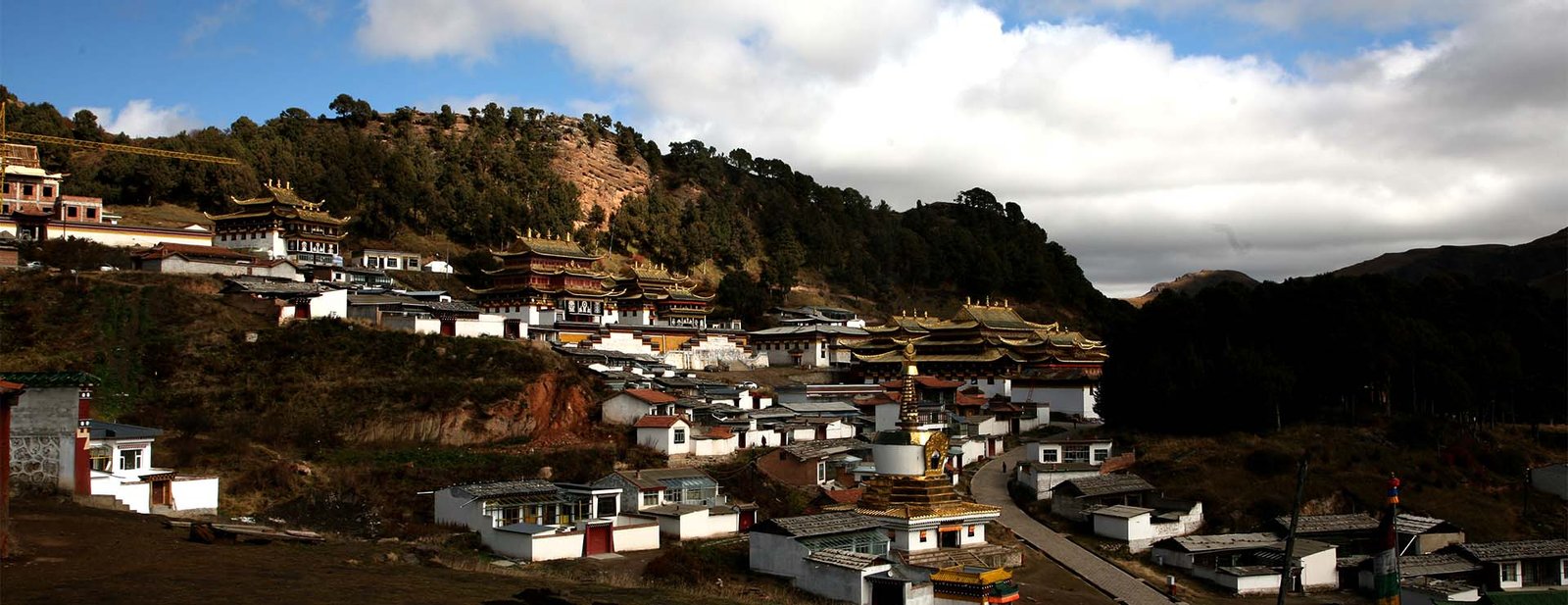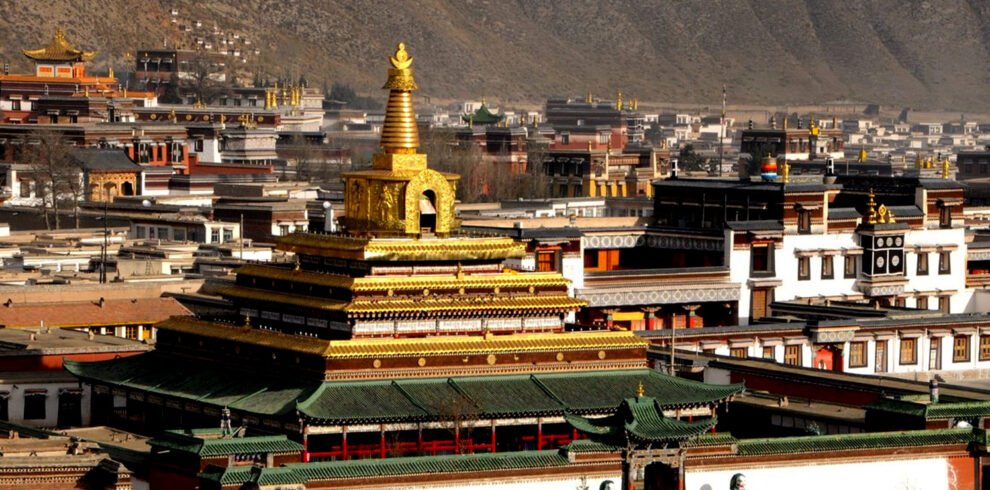
Tibet’s Sacred Heartland – Where Mountains Speak, and Lakes Reflect the Divine
Golok: The “Heaven and Earth” of Eastern Tibet
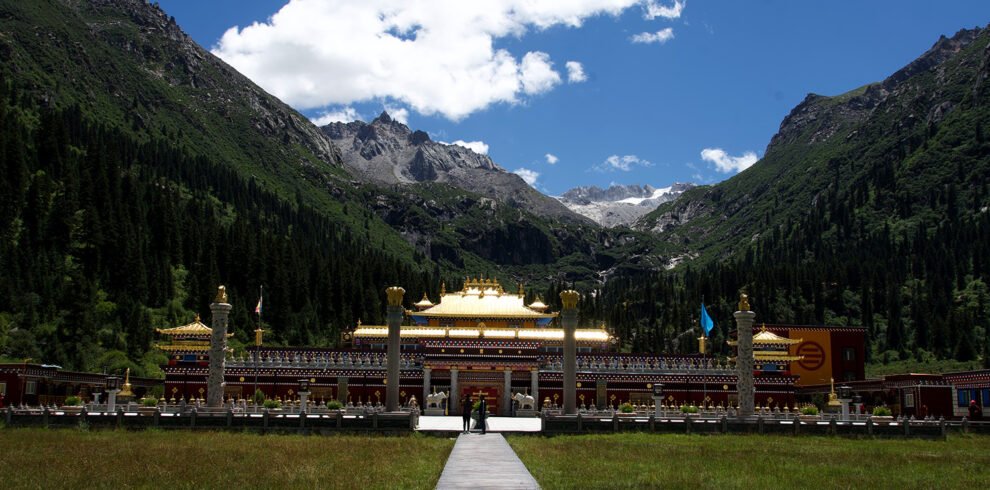
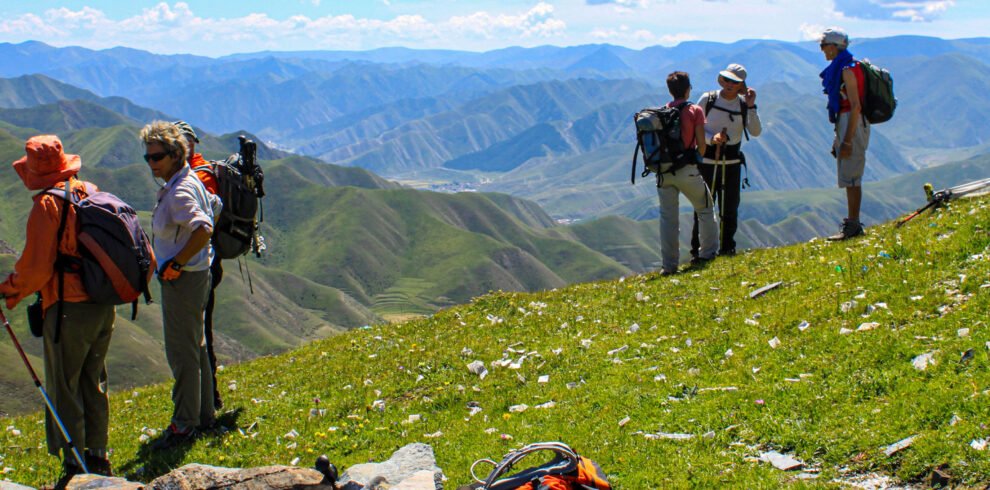
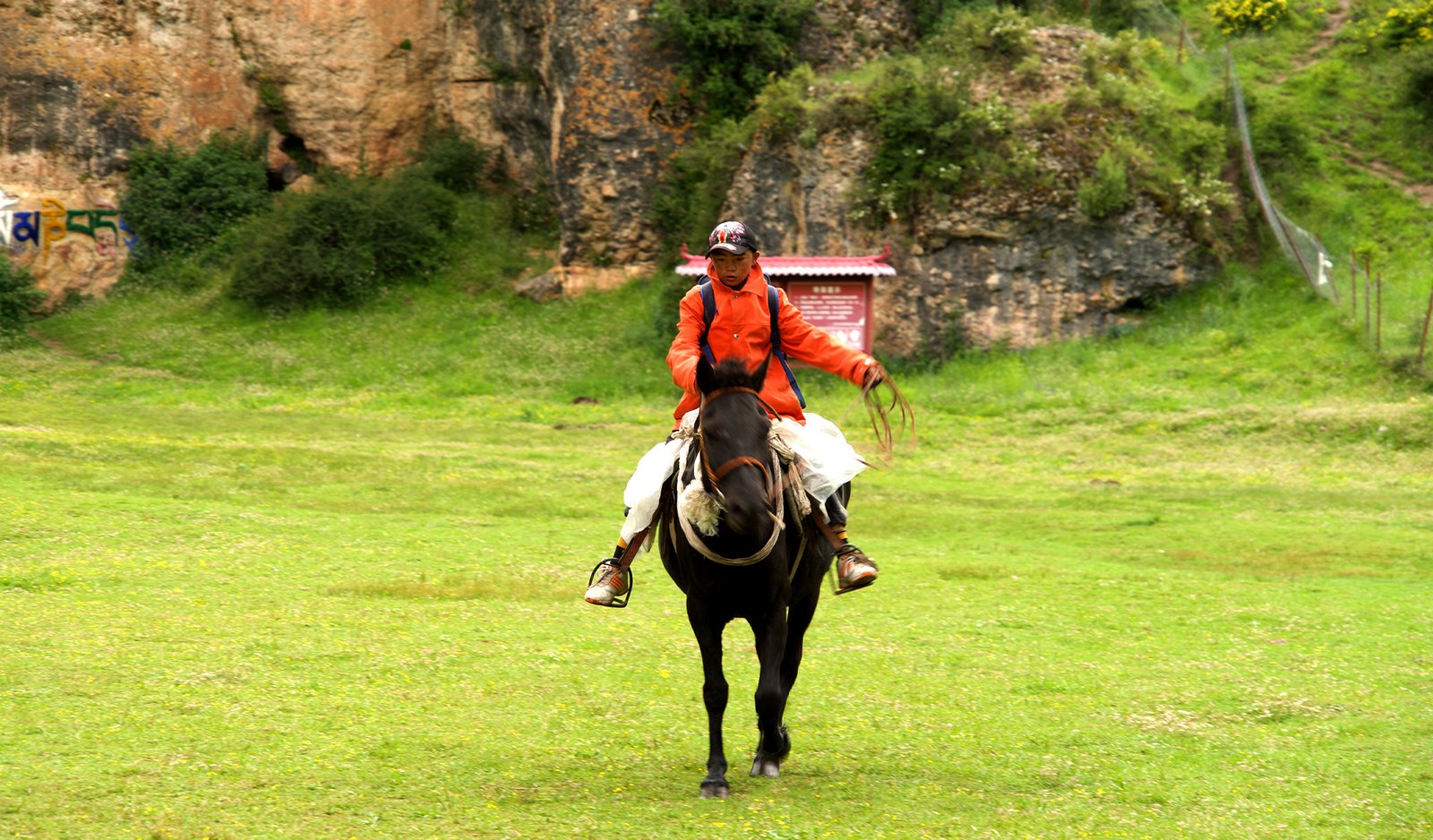
Nestled in the southeastern corner of Qinghai Province, the Golok Tibetan Autonomous Prefecture is often described as the place where “heaven and earth” meet. It’s a vast, sparsely populated land of breathtaking high-altitude scenery, forming a crucial part of the Sanjiangyuan National Park, which protects the headwaters of the Yellow River, among others.
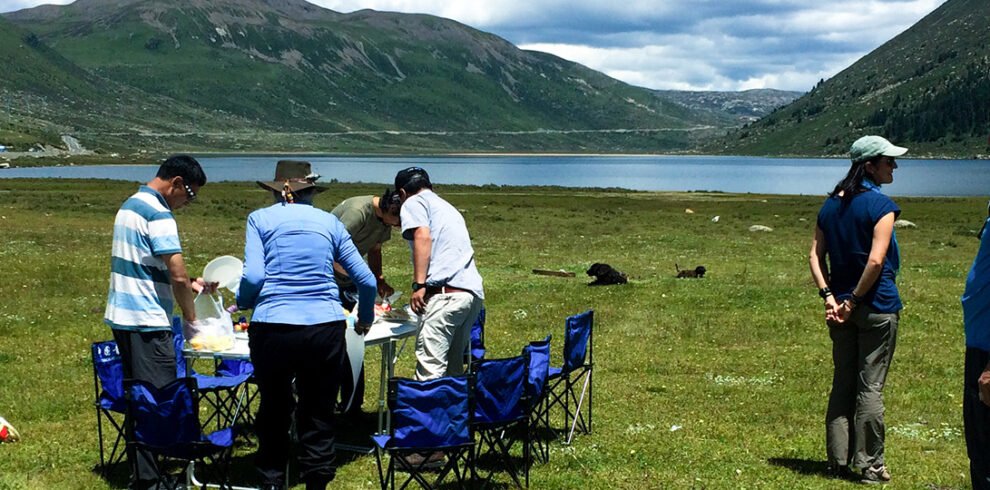
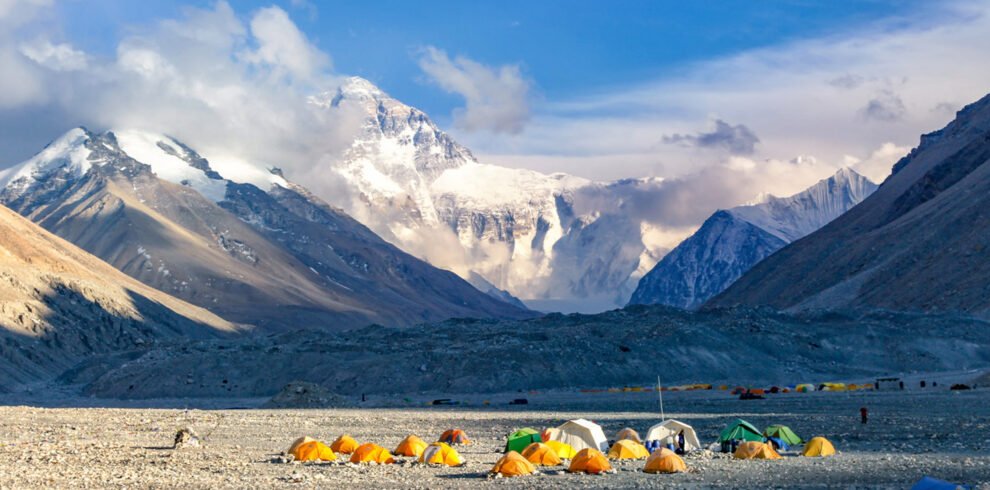
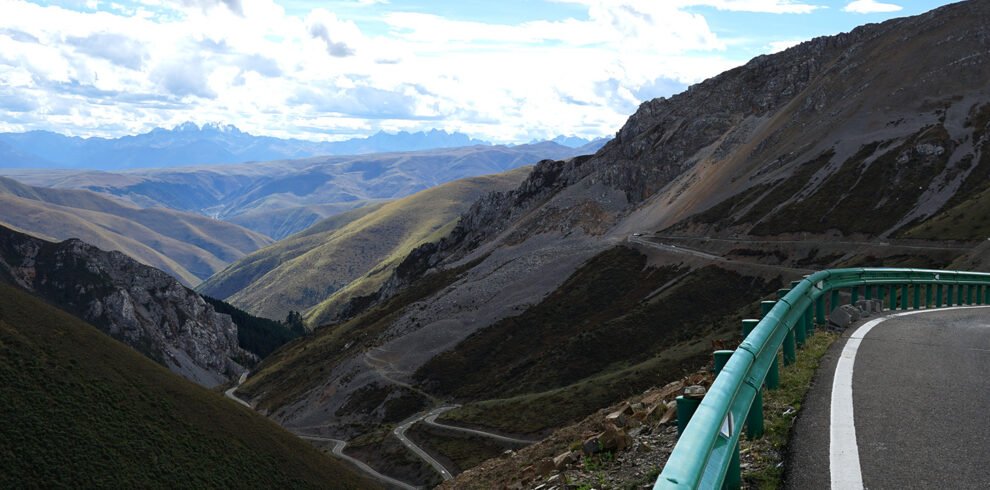
Geography & Climate: The region sits at an average altitude of over 4,100 meters (13,450 feet), featuring expansive alpine meadows, rolling grassy hills, and serene valleys. Its climate is a typical high-plateau continental type, known for being cold, dry, and highly changeable, with a short warm season.
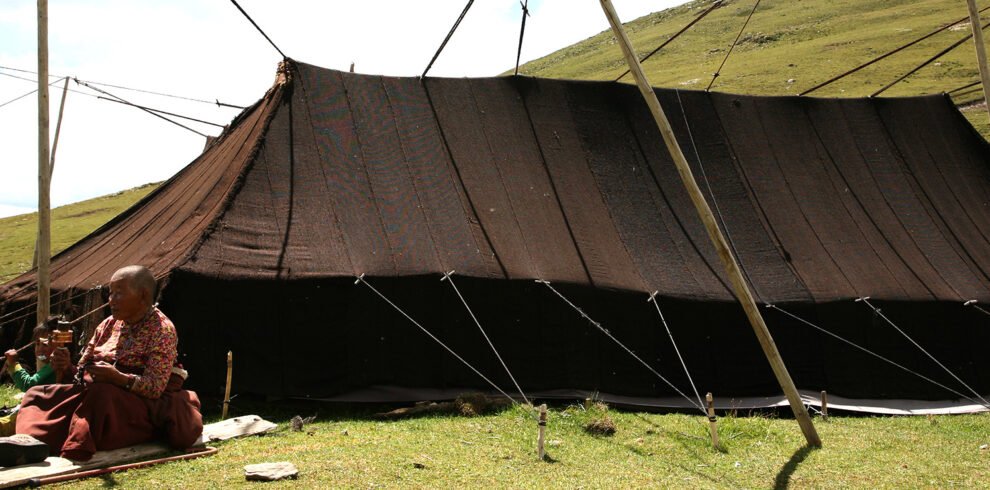
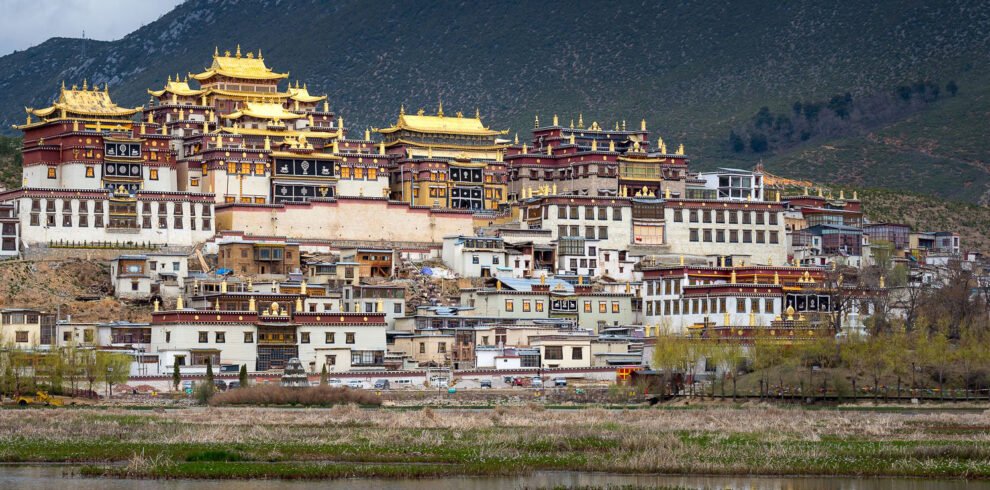
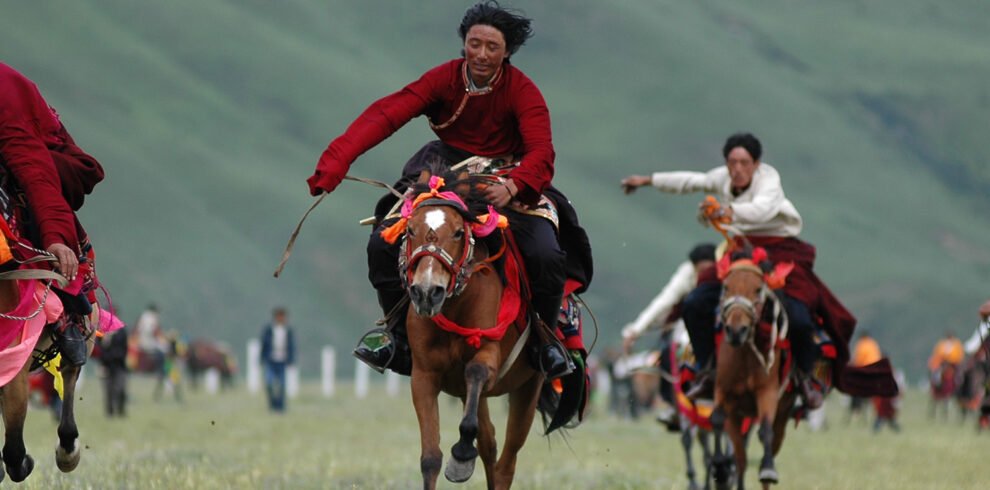
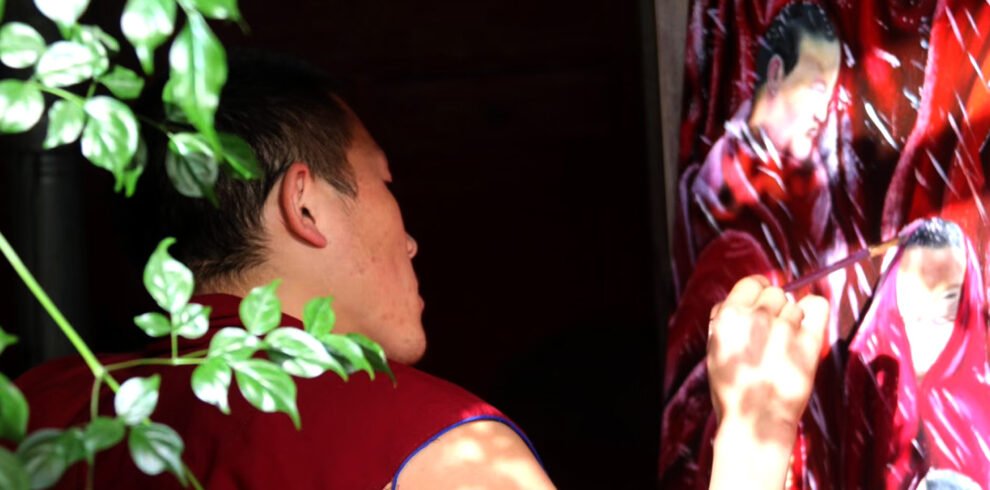
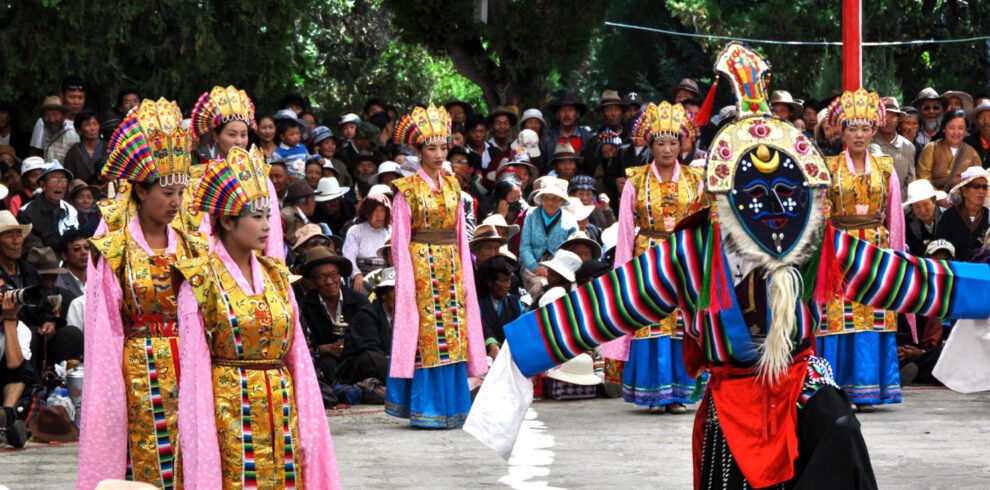
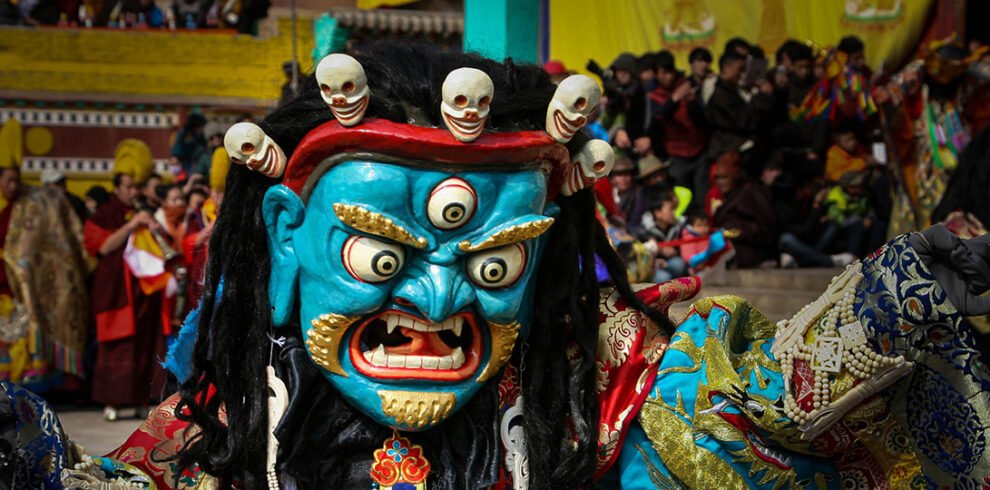
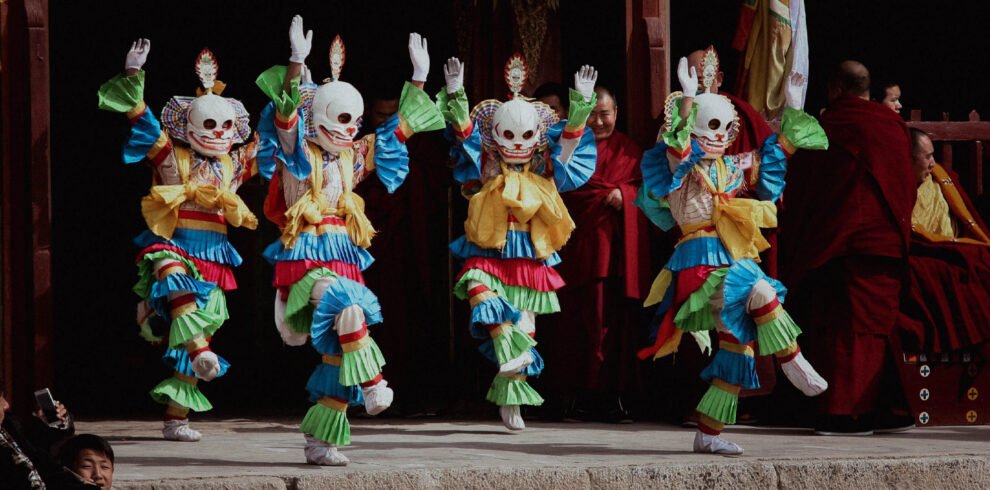
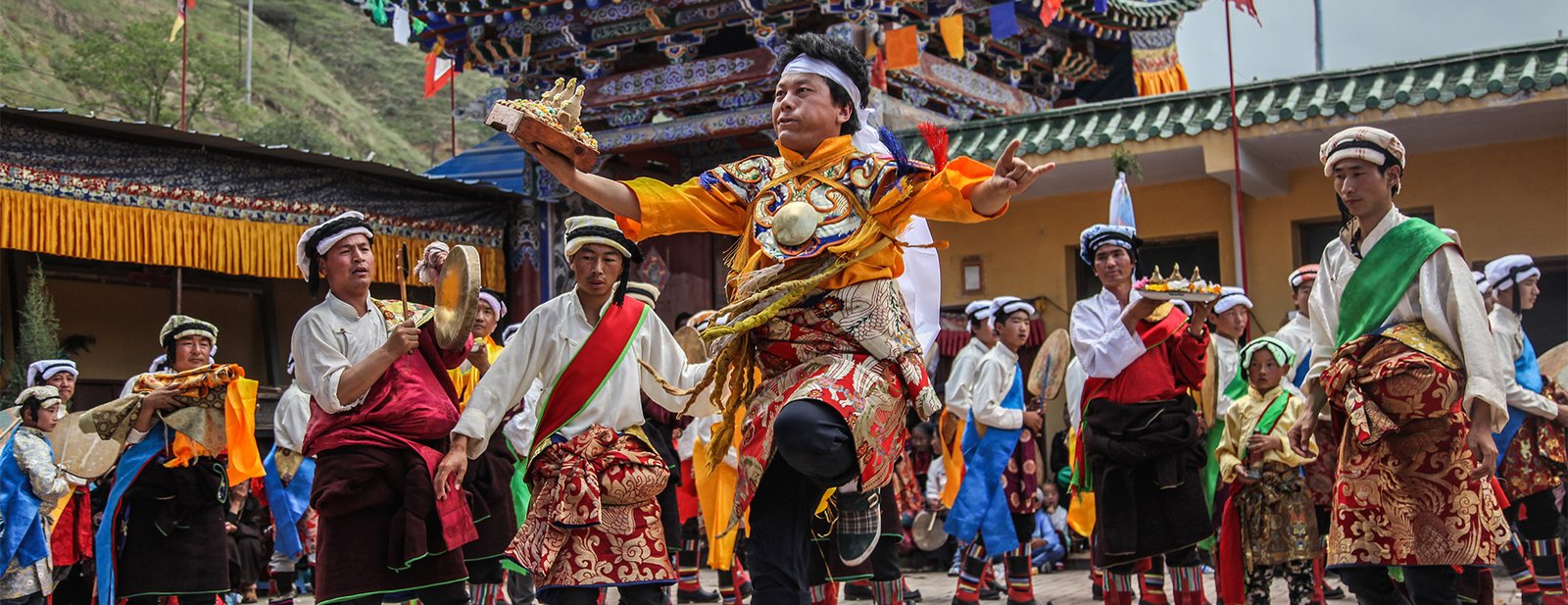
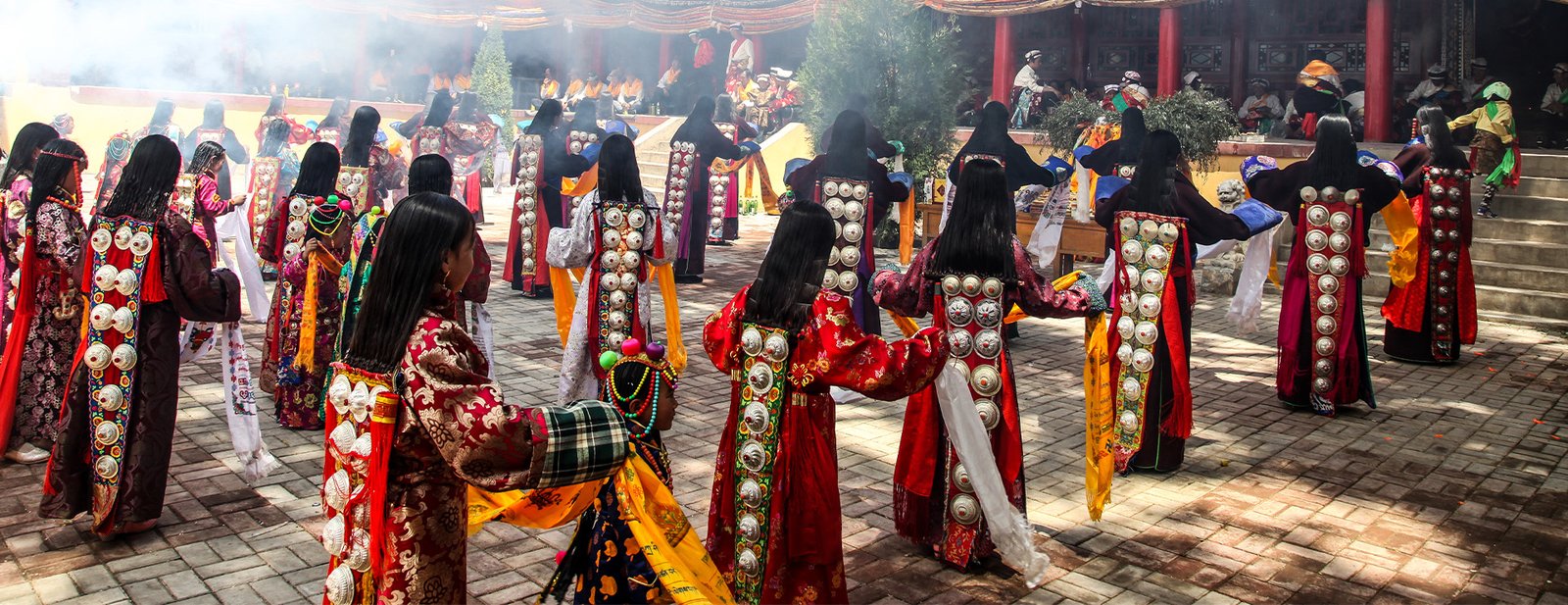
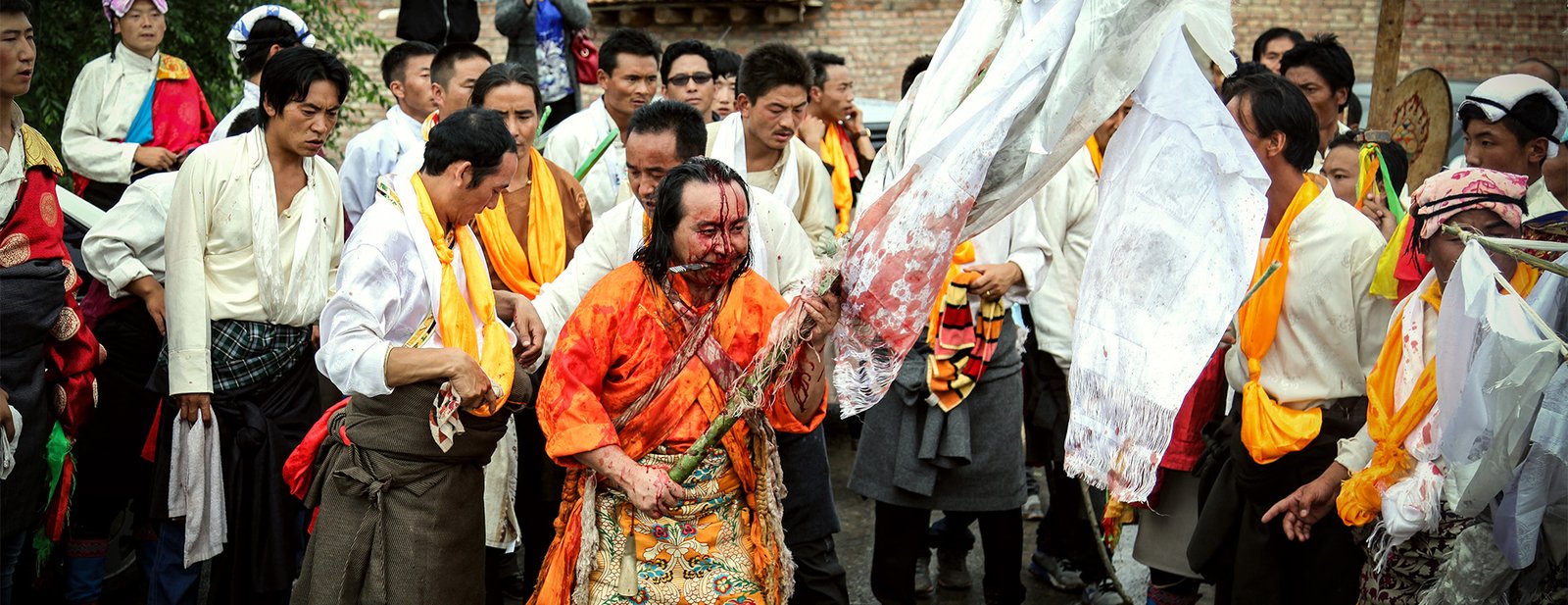
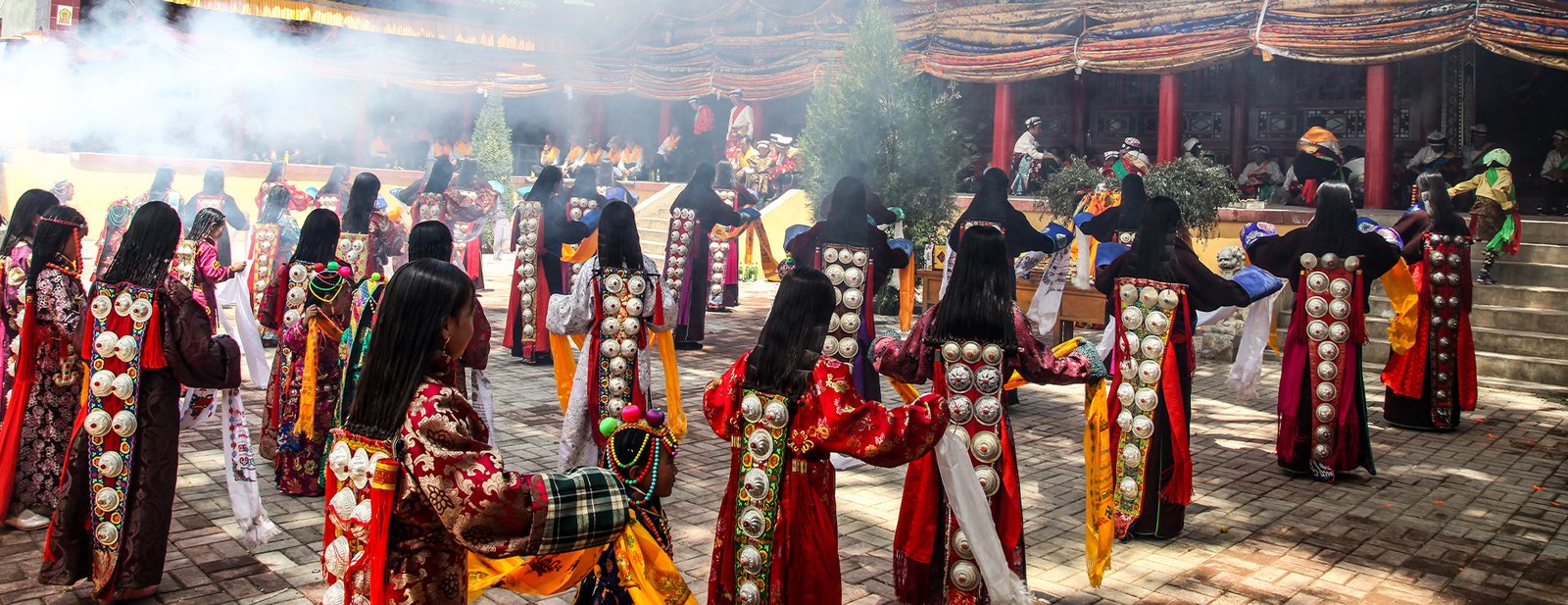
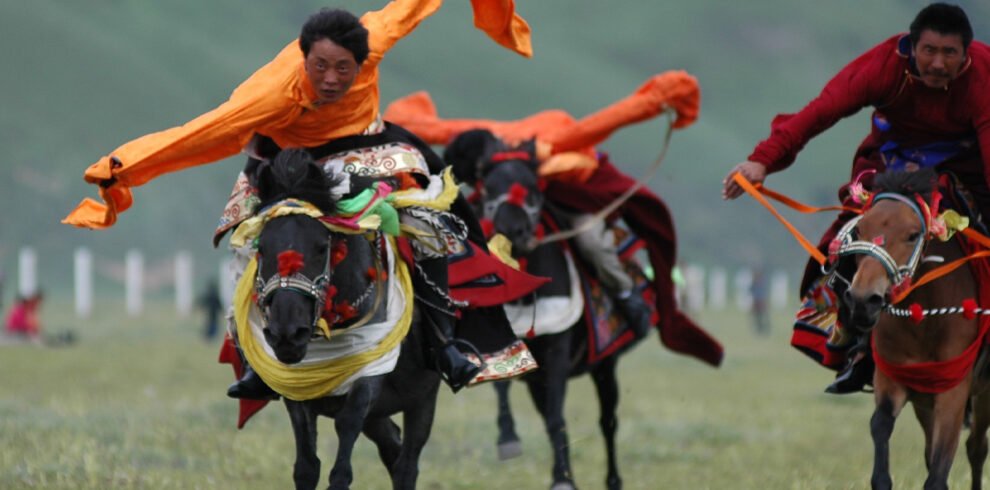
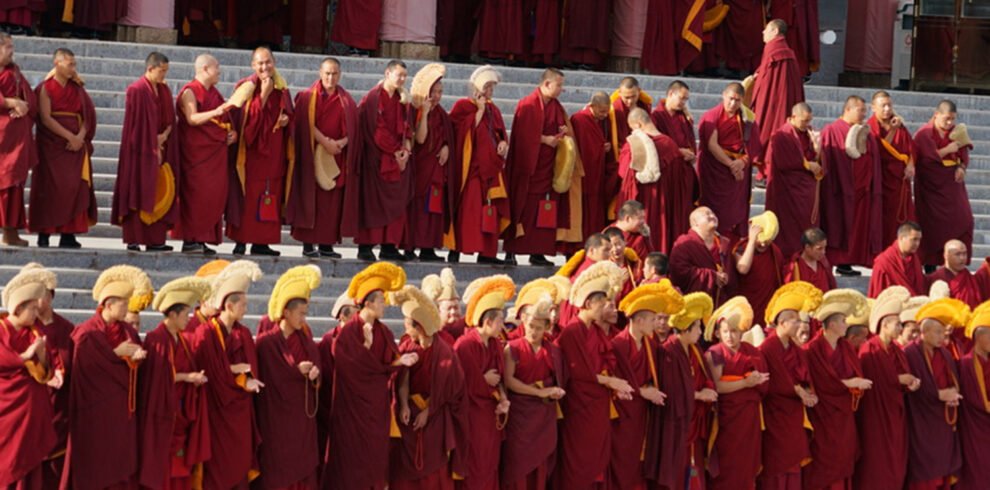
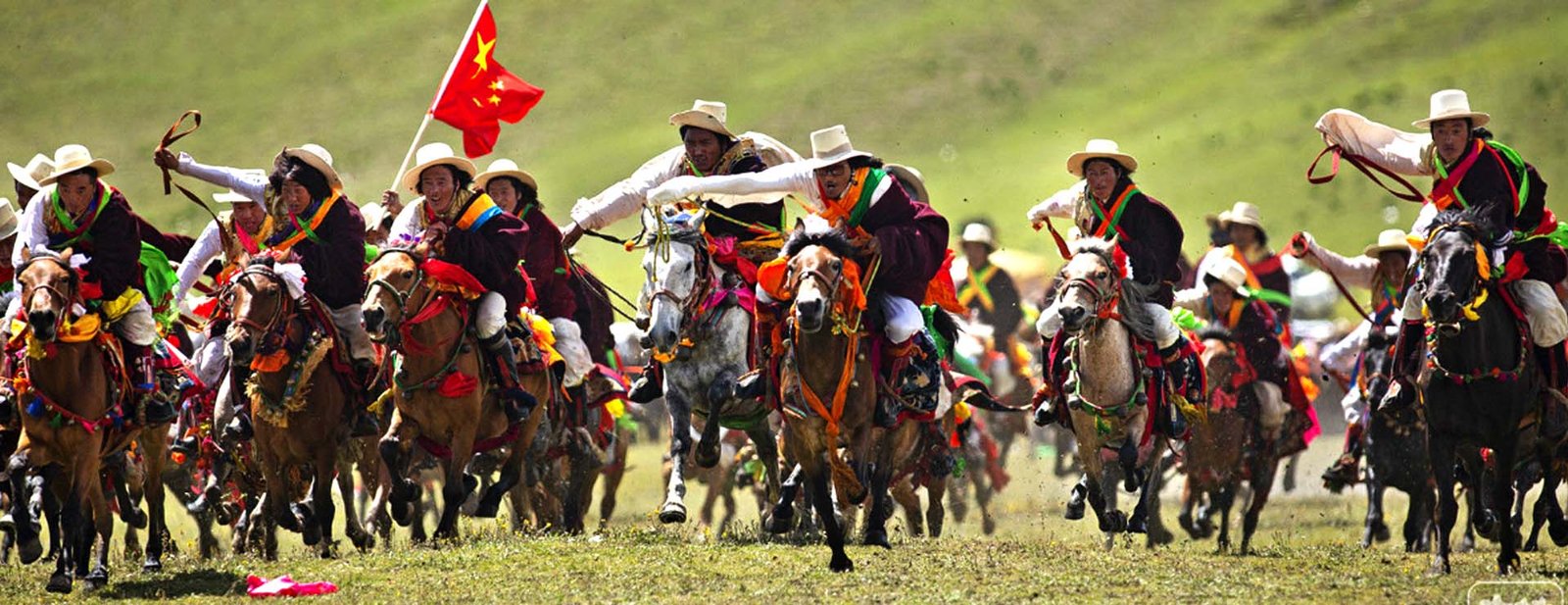
Culture: This area is a cultural crossroads where Amdo and Kham Tibetan cultures converge. It’s renowned as the “Hometown of King Gesar”, the legendary Tibetan epic hero. The local Golok people have a strong, independent cultural identity and a deep spiritual connection to their land.
- Key Stats
- Area: Approximately 76,000 sq km
- Population: Around 222,000, with over 90% being ethnic Tibetan
- Capital: Maqên County (Dawo)
- Major Peaks: Mount Ayemachen (Amnye Machen), Nyenpo Yurtse
Mount Ayemachen (Amnye Machen): The Majestic Mountain Deity
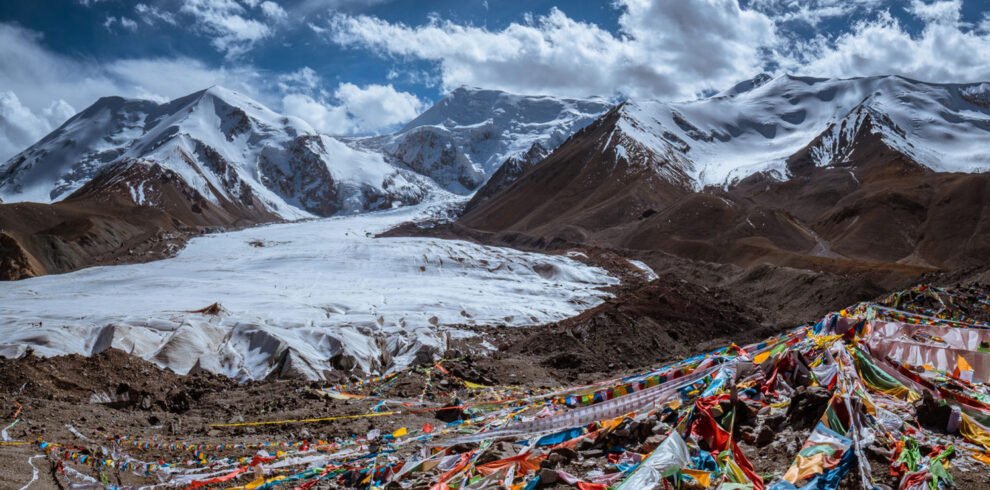
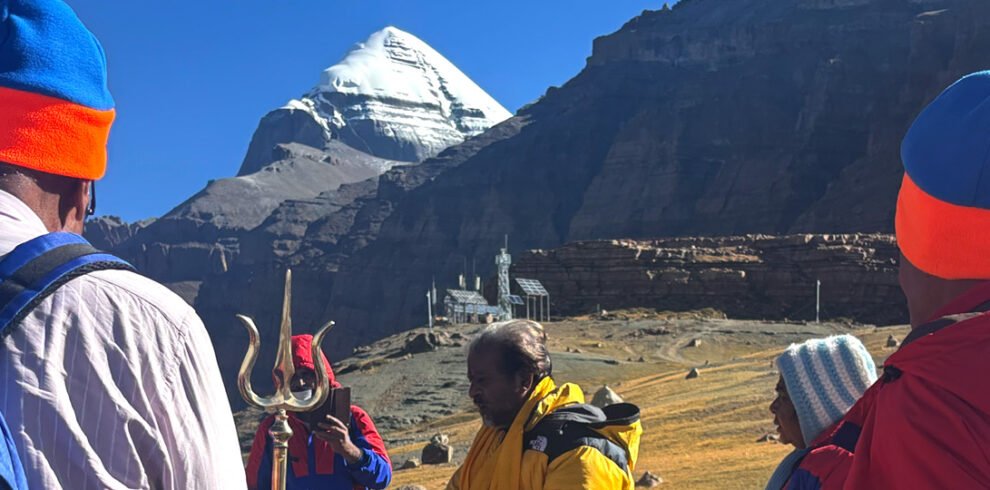
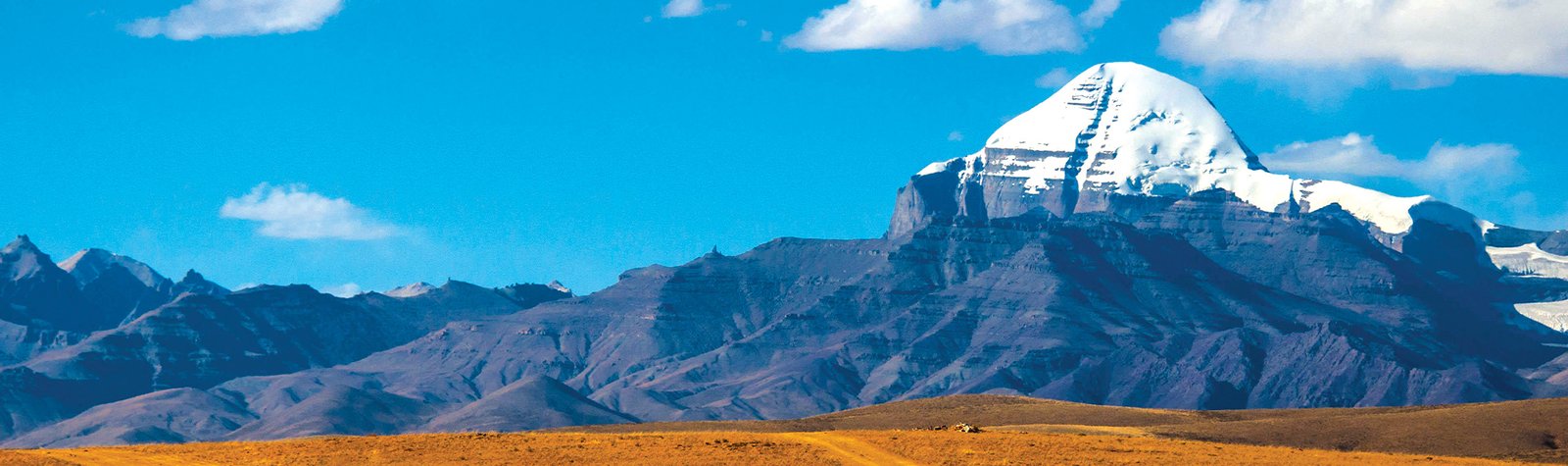
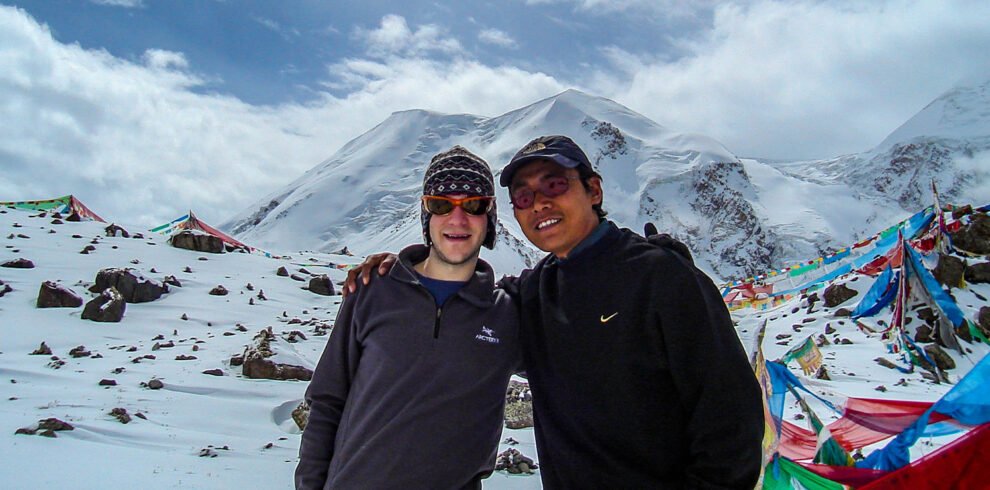
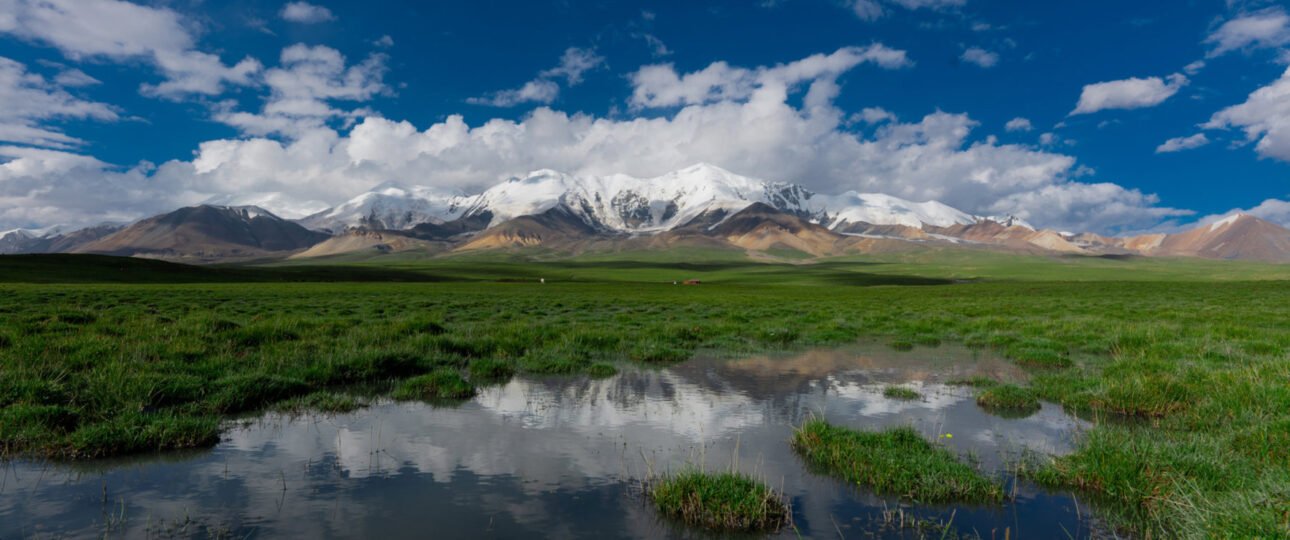
Dominating the northwestern part of Golok, Mount Ayemachen is one of the most sacred mountains in Tibetan Buddhism. To locals, it is more than a peak; it is the embodiment of a powerful protector deity known as Magyel Pomra.
Physical Grandeur: As the highest peak in the region at 6,282 meters (20,610 feet), it is an eastern extension of the Kunlun Mountains. Its massive glaciers are a primary source for the Yellow River.
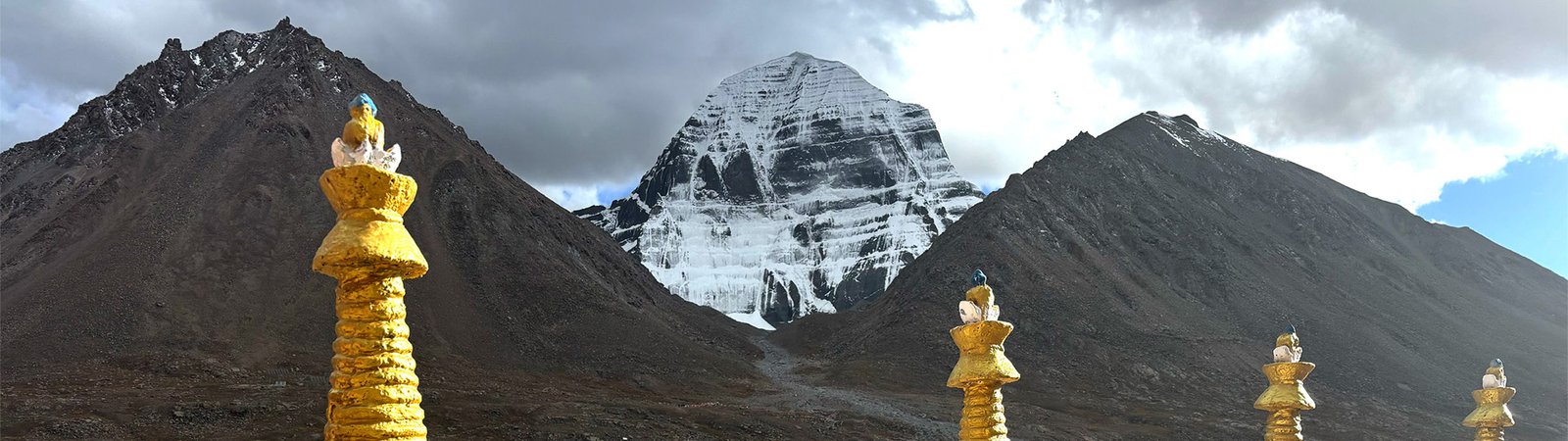
Spiritual Significance: Second only to Nyenchen Thanglha in the hierarchy of Tibetan mountain deities, it is a major pilgrimage site. Legends say that King Gesar’s magical weapons are buried here, making it a place of immense spiritual power.
The Holy Lakes of Golok
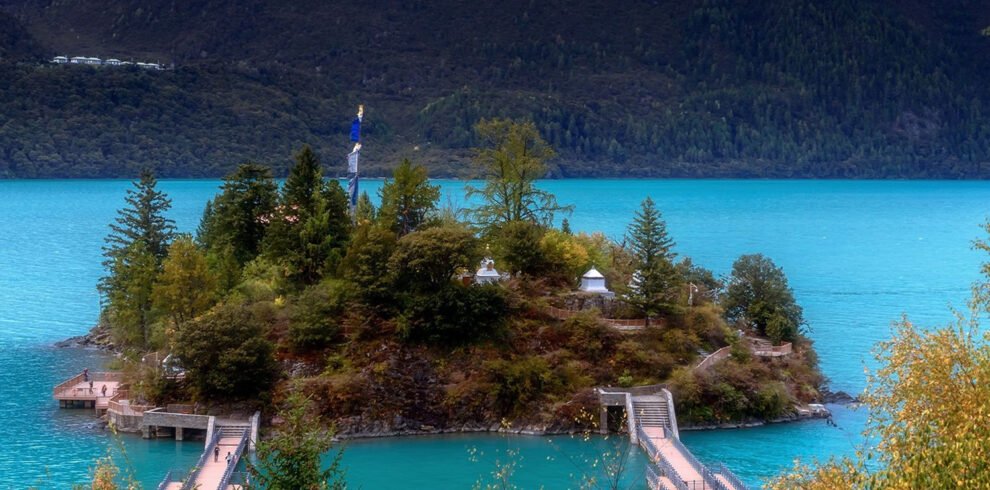
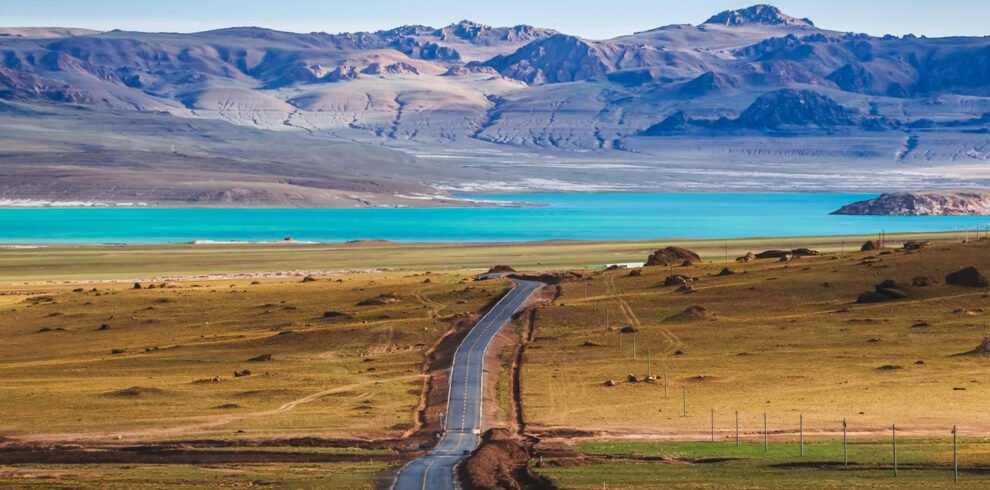
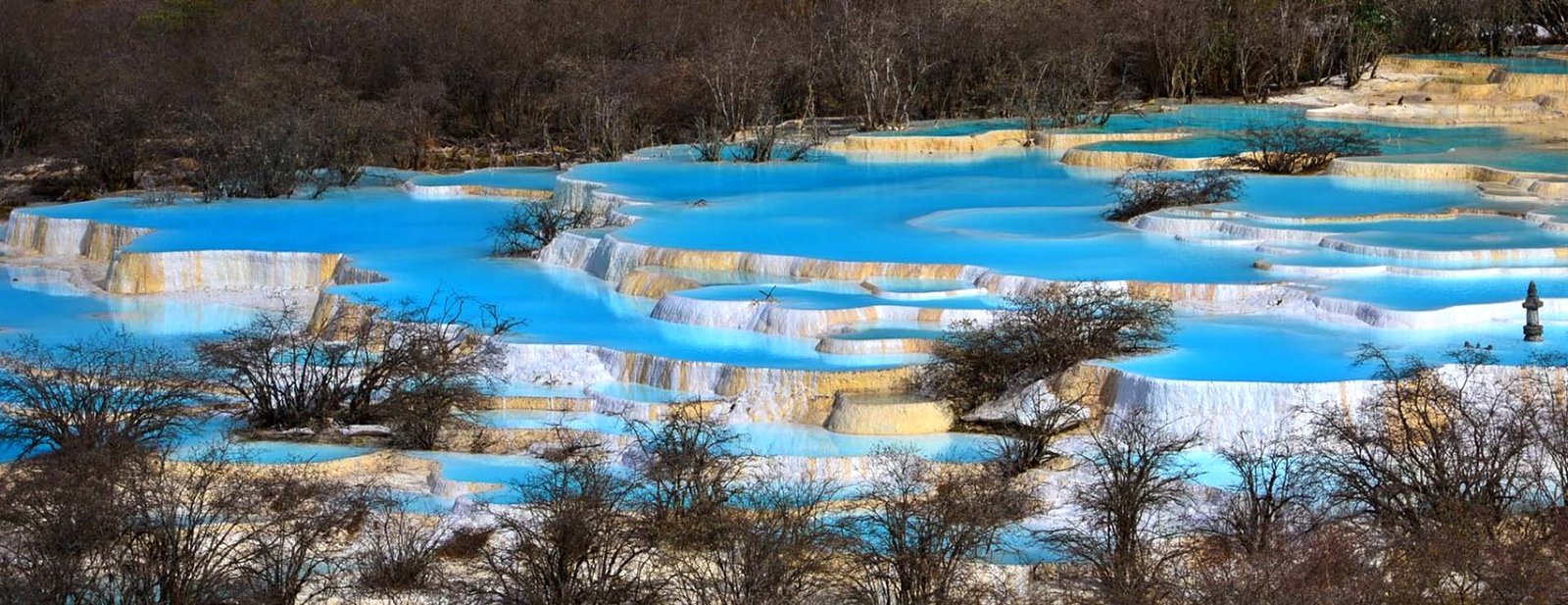
While the search results mention several famous holy lakes in Tibet, such as Mapam Yumco, specific named holy lakes within the Golok Prefecture are not detailed. However, the region’s landscape is dotted with pristine alpine lakes considered sacred by locals. The area around Martod is noted for its still and beautiful lakes like Hcharang and Ngorang, which contribute to the region’s profound spiritual atmosphere.
Travel Highlights & Characteristics
Golok is a destination for intrepid travellers seeking raw, untouched beauty and profound cultural immersion.
Natural & Scenic Wonders
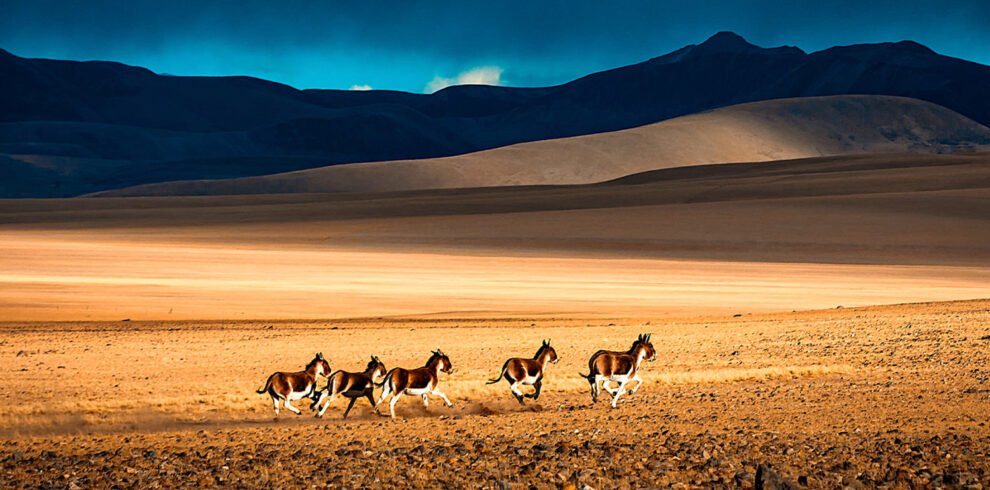
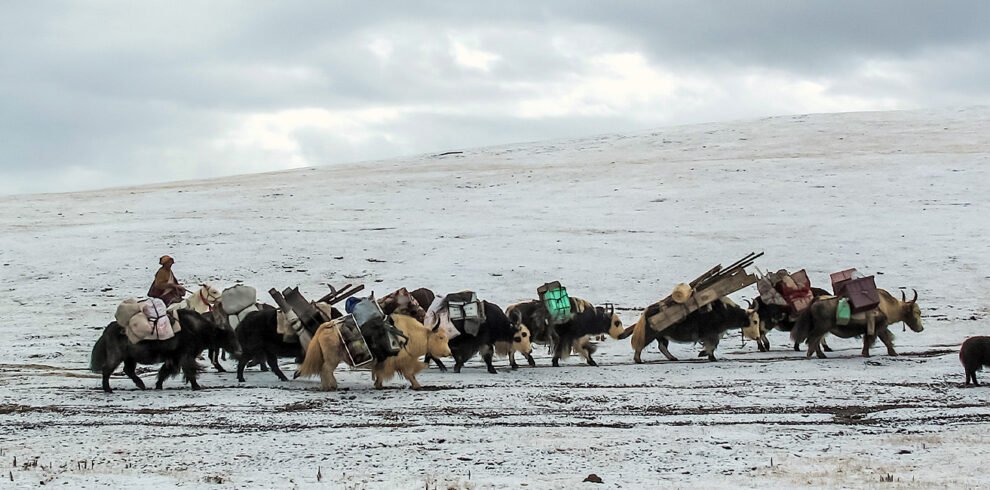
Nyenpo Yurtse: Often called the “Backyard Garden of the Gods,” this sacred mountain range in Jigzhi County resembles a lotus flower. It’s part of a national geological park and a haven for wildlife like wild yaks and Tibetan antelopes.
Yellow River Source: Traverse the landscapes that nurture the beginnings of the Yellow River, characterised by wide valleys and unique high-plateau ecology.
Cultural & Spiritual Experiences
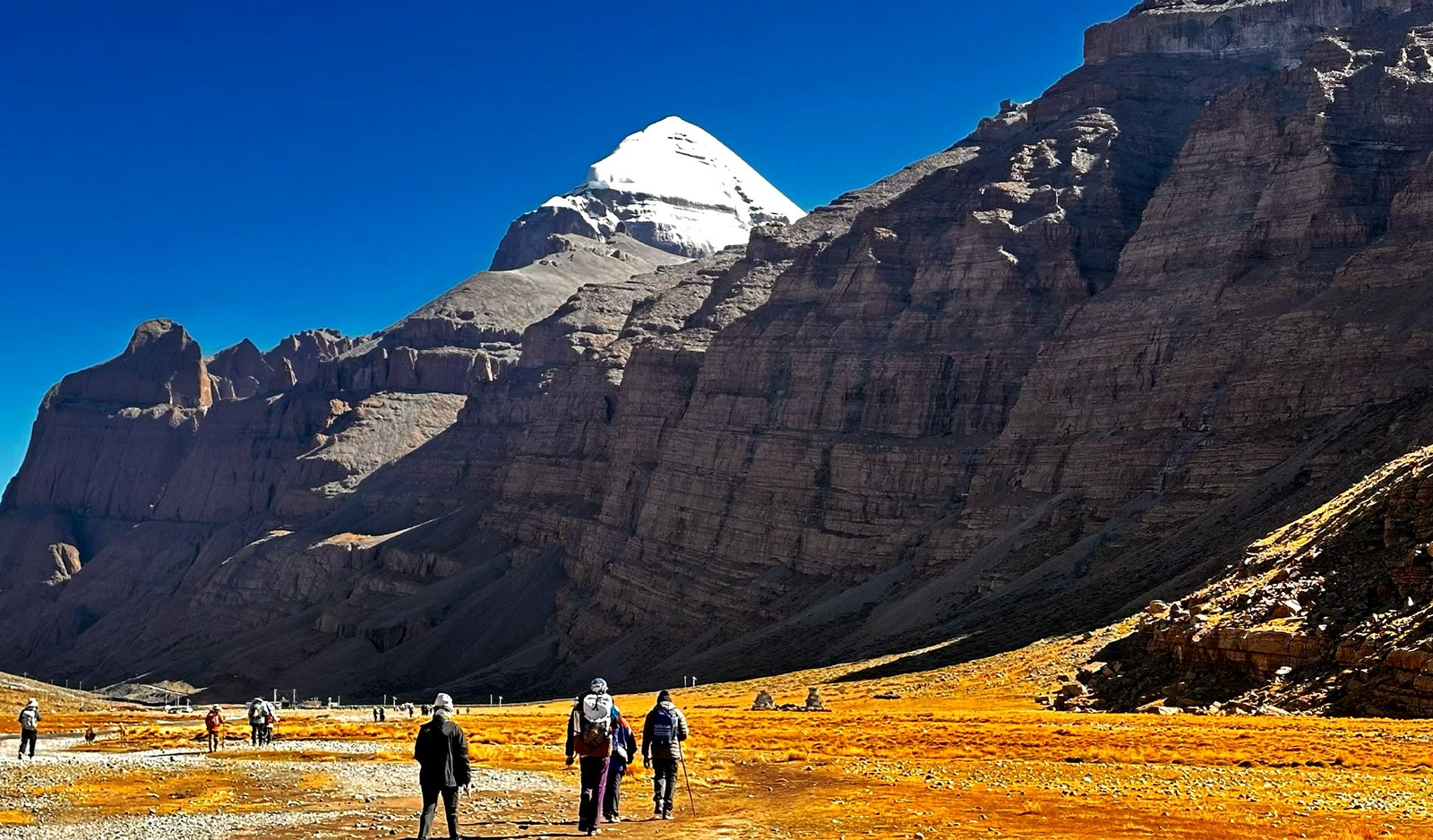
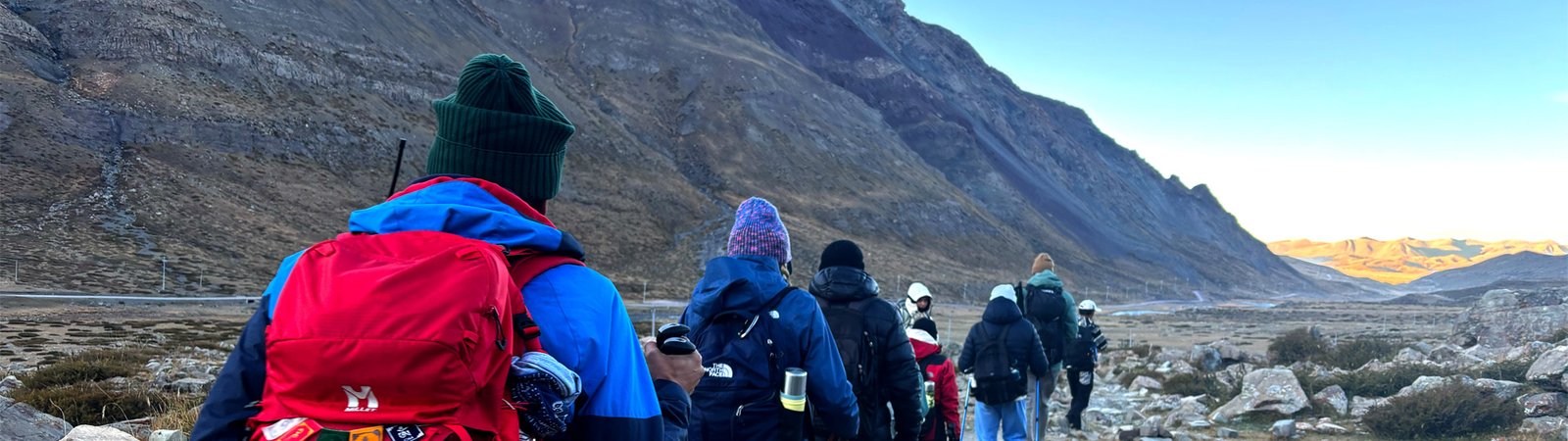
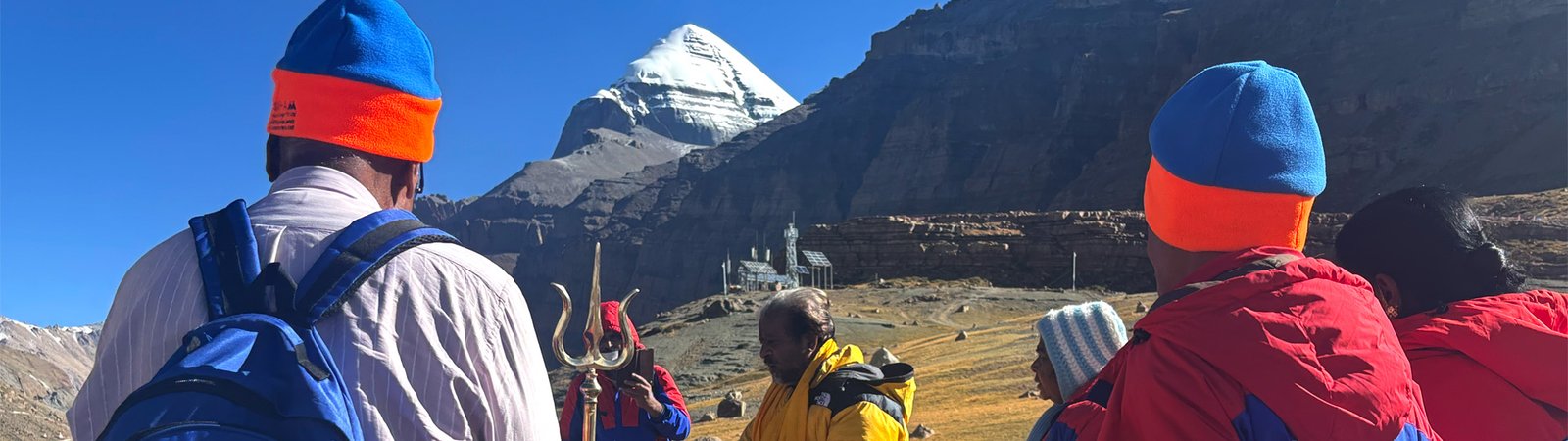
Pilgrimage Routes: Follow the paths of devotees around Mount Ayemachen, experiencing a living spiritual tradition.
Epic Culture: Immerse yourself in the world of the King Gesar epic, which is deeply woven into local storytelling, song, and identity.
Travel Essentials
Best Time to Visit: Late May to September offers the mildest weather, with greener grasslands and more accessible roads. Winters are extremely harsh.
Permits & Regulations: As part of the Sanjiangyuan National Park, certain areas may require permits or have restricted access to protect the fragile ecosystem. Always check the latest regulations before travelling.
Altitude & Health: The high altitude (4,000m+) is a serious consideration. Spend time acclimatising, avoid strenuous activity initially, stay hydrated, and be aware of Acute Mountain Sickness (AMS) symptoms.
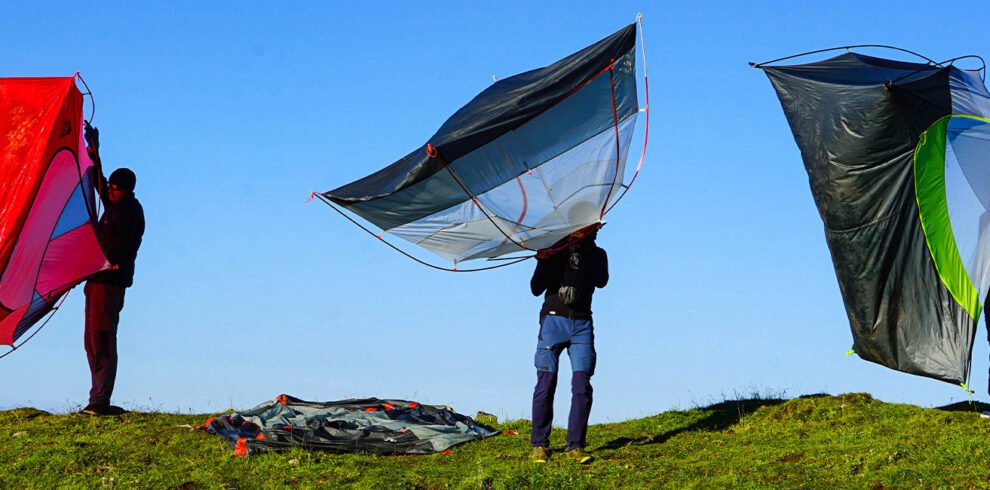
Logistics: Infrastructure is basic. Travel is best done with a local guide or tour operator who can handle transportation, accommodation, and navigation in this remote region.
Golok is not a typical tourist destination. It’s a challenging, raw, and profoundly moving journey into the heart of Tibetan nature and spirituality—a true “Heaven and Earth” experience.