Garze Tibetan Autonomous Prefecture: A Tapestry of Primitive Ecology & Khampa Culture
Meaning “pure and beautiful” in Tibetan, Garzê is a sacred land nestled in western Sichuan, covering a vast area of 149,700 square kilometres. As the first prefecture-level ethnic autonomous region established in New China and a key part of China’s second-largest Tibetan-inhabited area, it is home to 42 ethnic groups, with Tibetans accounting for 78.97% of the 1.1074 million population. Spanning the upper reaches of the Jinsha, Yalong, and Dadu Rivers, Garzê boasts unparalleled ecological diversity and profound Khampa culture, making it a paradise for nature enthusiasts, cultural explorers, and self-driving adventurers seeking the raw charm of the Qinghai-Tibet Plateau.
1. Core Highlights: Nature & Culture Treasures
Garzê’s allure lies in its perfect integration of world-class natural landscapes and time-honoured Khampa traditions, spanning snow-capped peaks, hot springs, ancient monasteries, and vibrant ethnic customs.
Iconic Natural Wonders
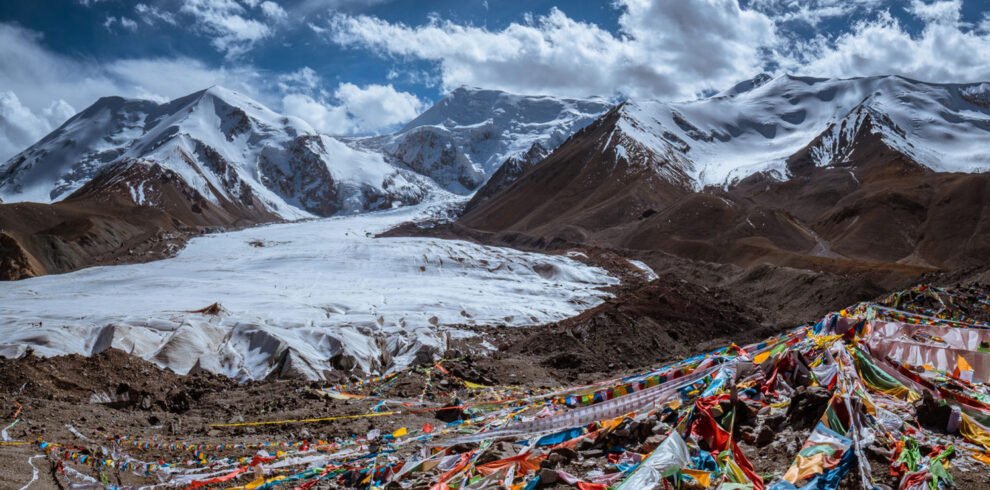
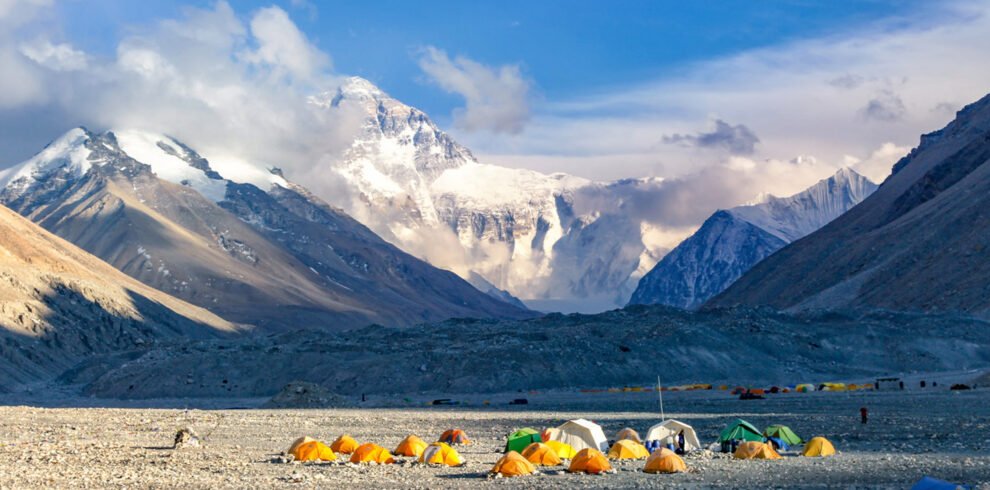
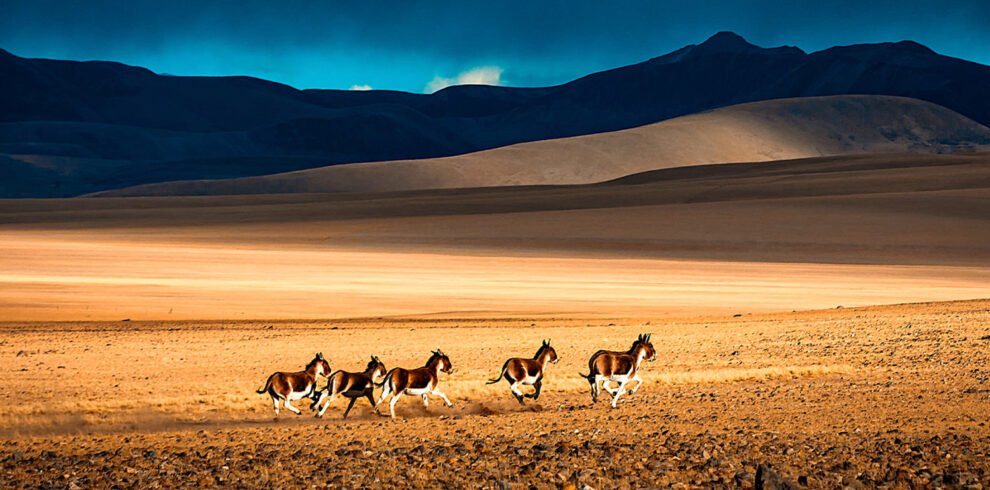
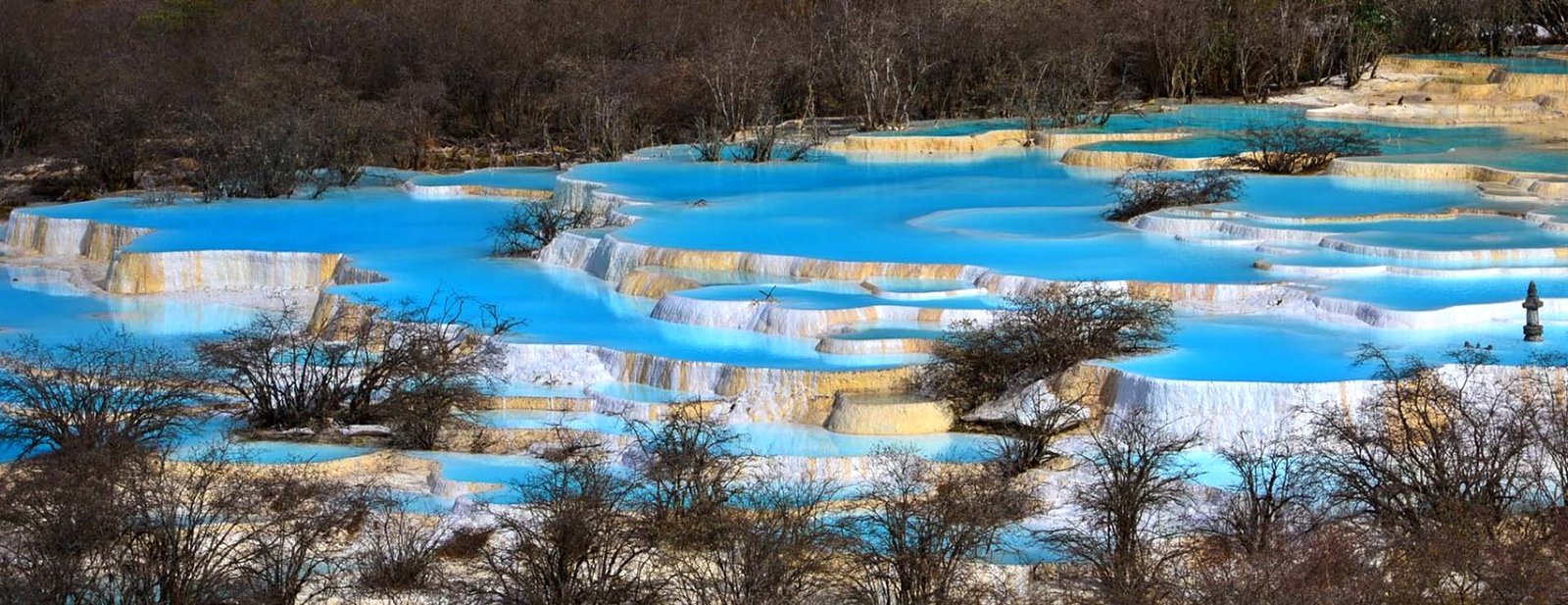
- Ecological Diversity Hub: Recognized as one of the world’s richest regions in landscape types, ecosystems, and species, Garzê is a vital part of the “Three-River-Source” area and a “Chinese Water Tower”. It houses 83 protected natural areas, including 44 nature reserves, 11 forest parks, and 2 natural heritage sites, with 5,223 plant species and 652 wildlife species (98 under national key protection), serving as a global natural gene bank.
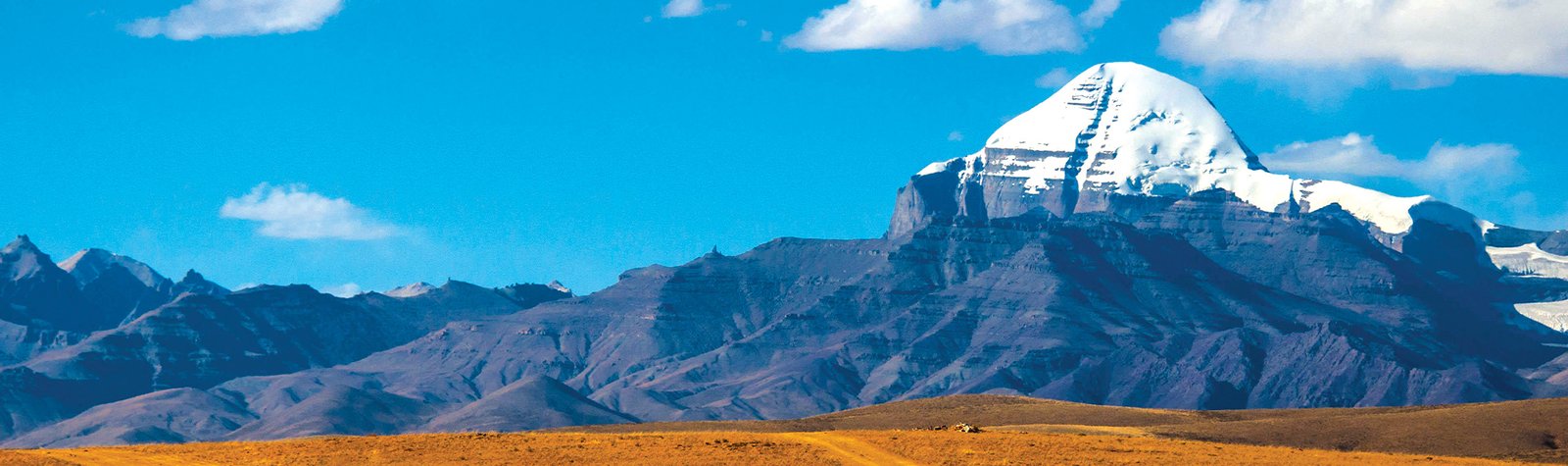
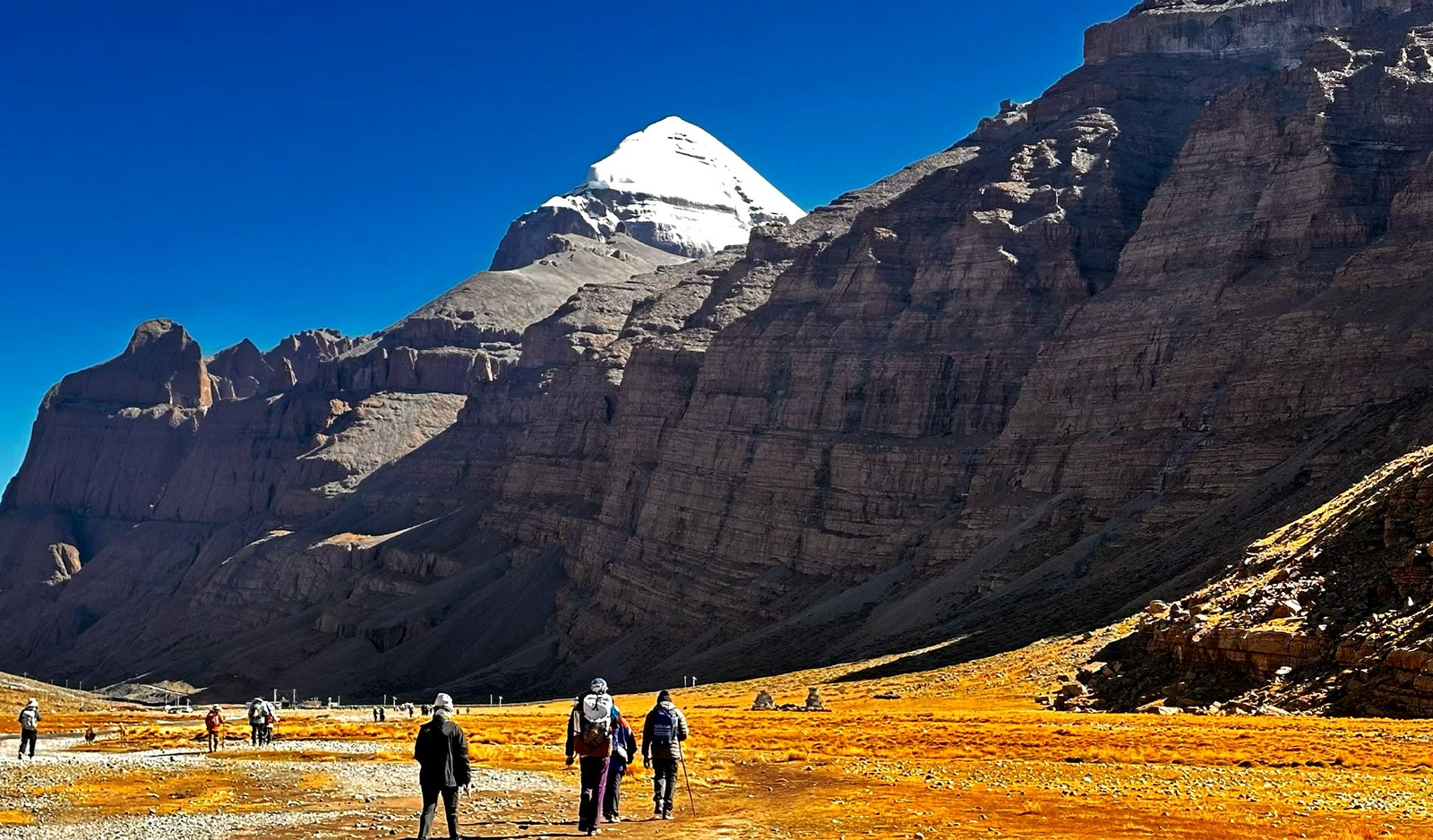
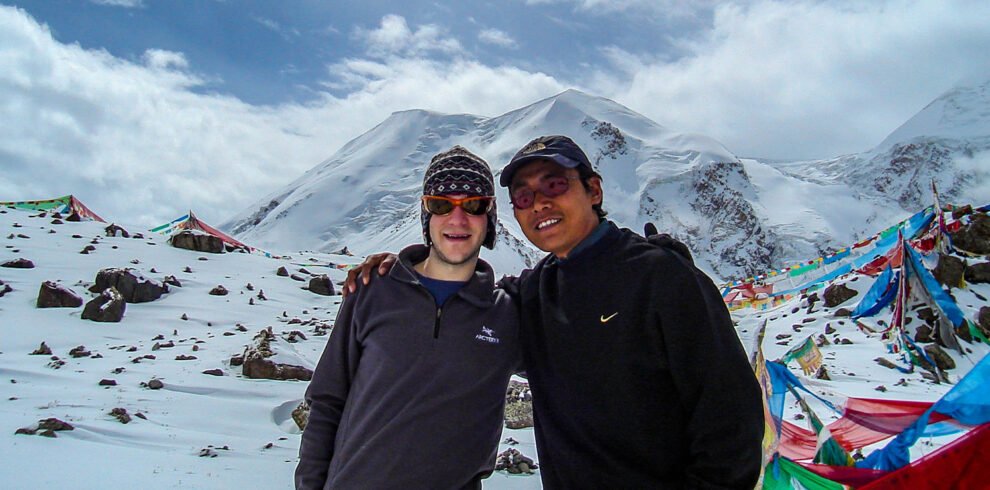
- Mount Gongga & Scenic Circuits: The “King of Shu Mountains” (7,556 meters) stands as Garzê’s crown jewel, with the “Ring of Gongga” ecological tourism circle connecting its surrounding primaeval forests, alpine meadows, and glacial lakes. Beyond Gongga, Yading Nature Reserve in Daocheng is hailed as the “Last Shangri-La”, featuring three sacred peaks, crystal-clear alpine lakes, and pristine grasslands.
- World-Class Geothermal Resources: Garzê is a national geothermal powerhouse, with the Chaluo Geothermal Field in Batang County ranking among China’s top three alongside Tengchong (Yunnan) and Yangbajing (Tibet). It boasts diverse geothermal landscapes, from hot springs and fountains to intermittent spouts, offering a unique experience of soaking in warm waters amid snow-capped mountains.
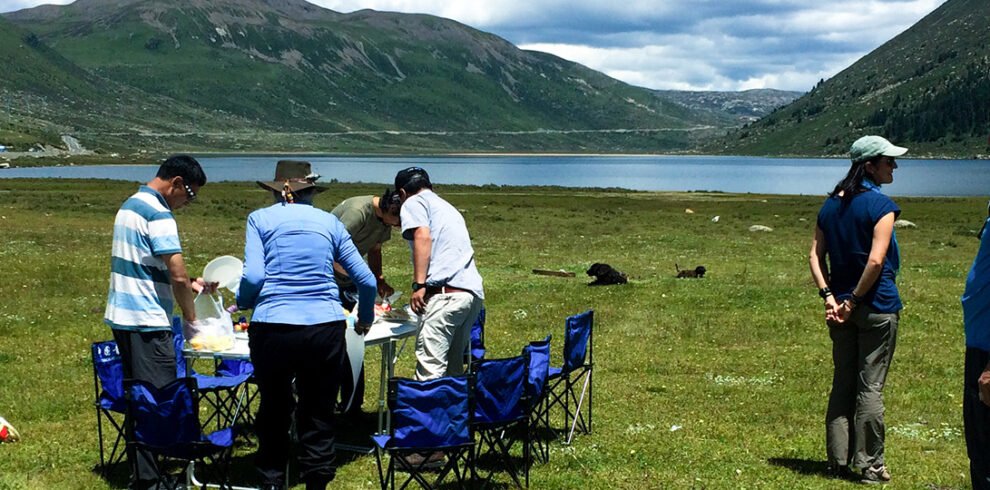
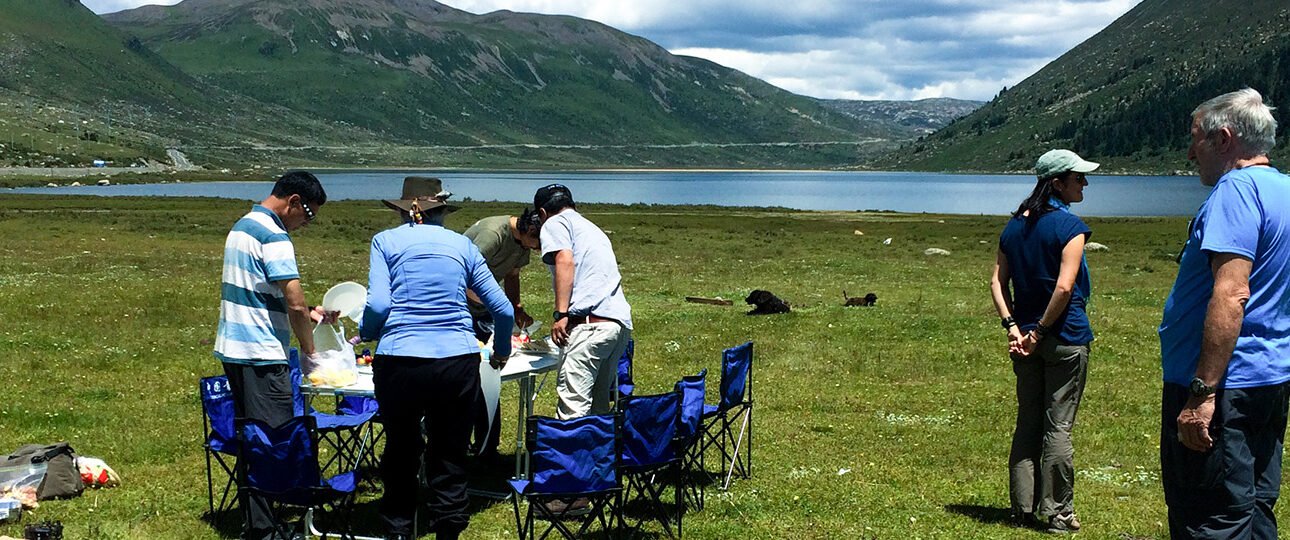
- River & Plateau Landscapes: The Jinsha, Yalong, and Dadu Rivers carve magnificent canyons through the prefecture, while vast grasslands like Tagong and Litang stretch under the blue sky. Xinduqiao, known as the “Photographer’s Paradise”, showcases rolling hills, poplar forests, and Tibetan villages against a backdrop of distant peaks.
Profound Khampa Cultural Heritage
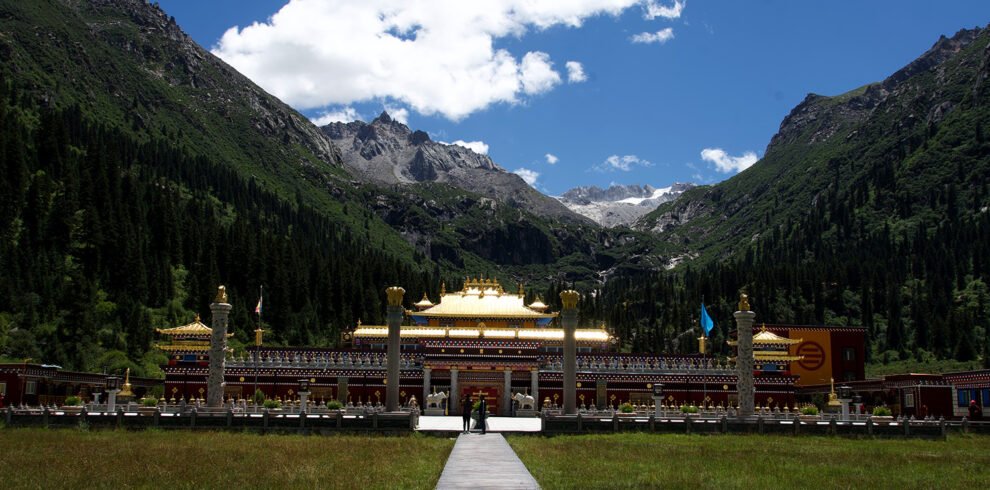
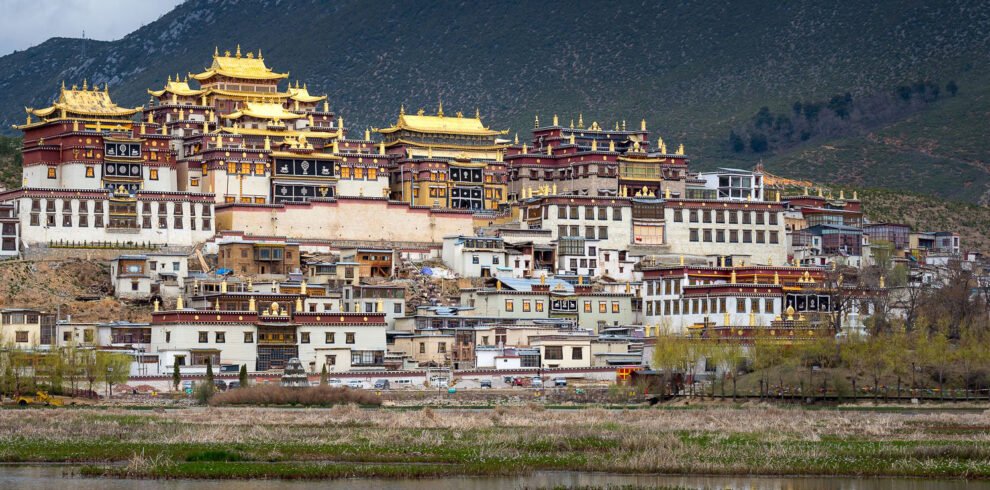
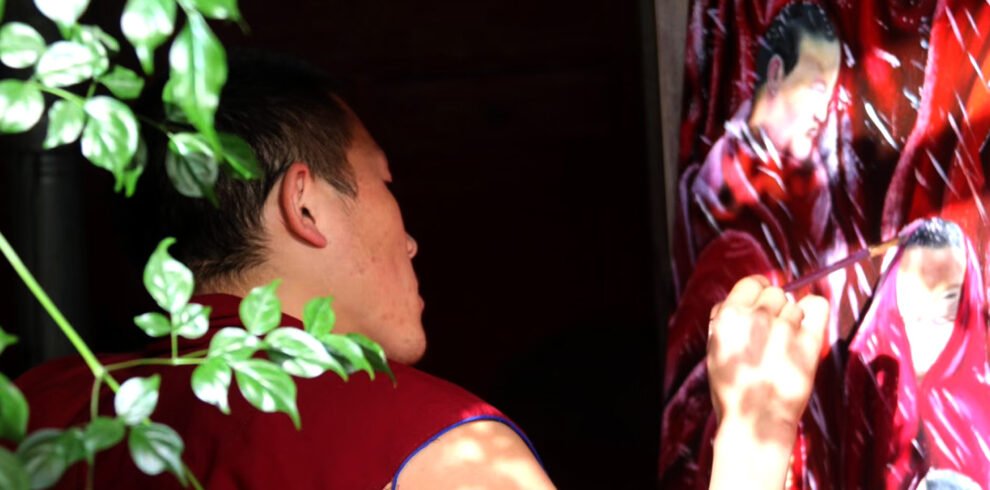
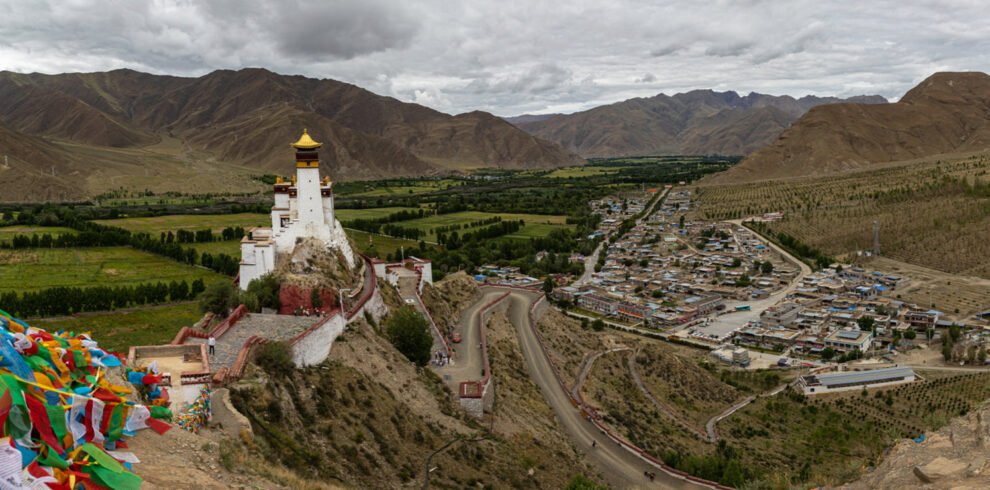
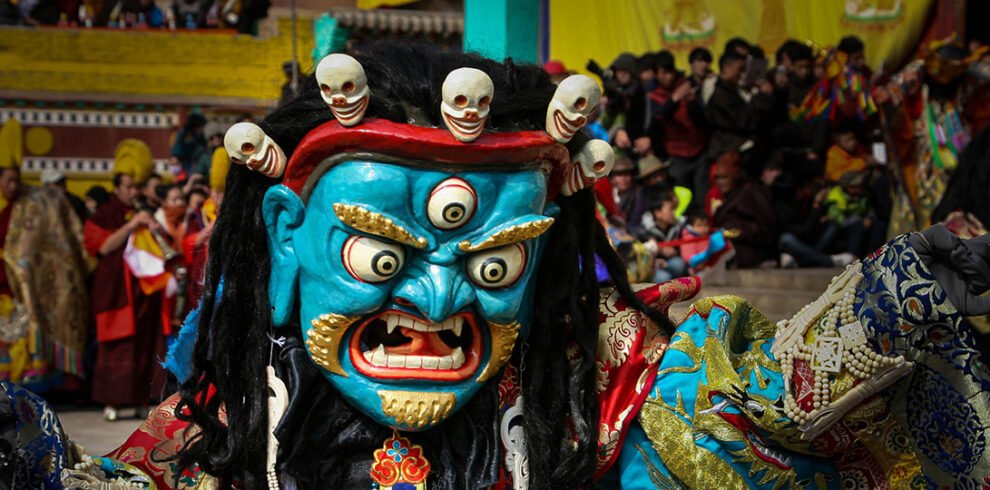
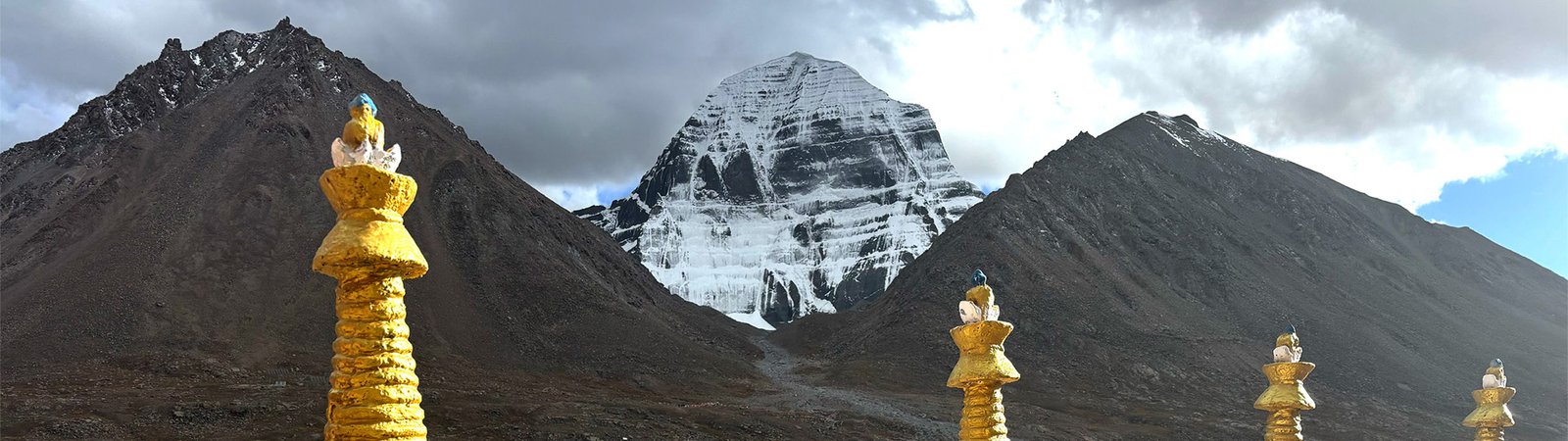
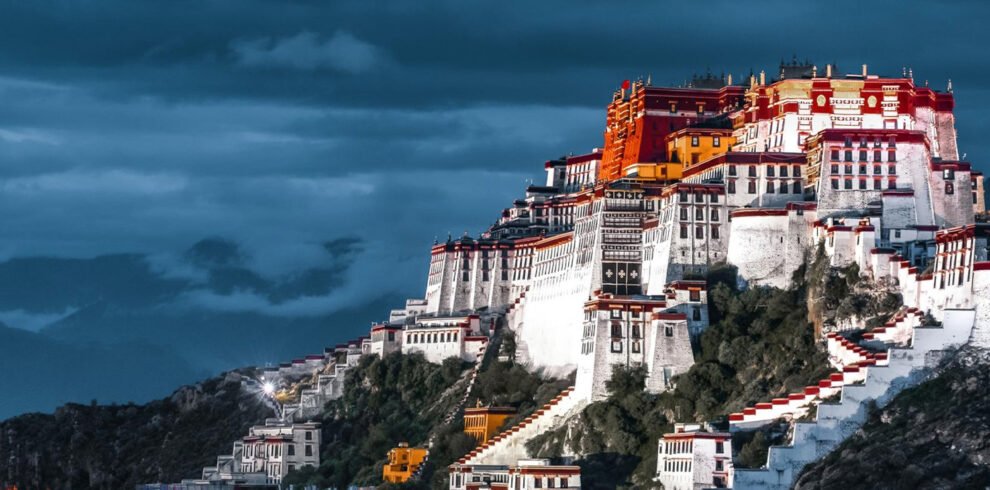
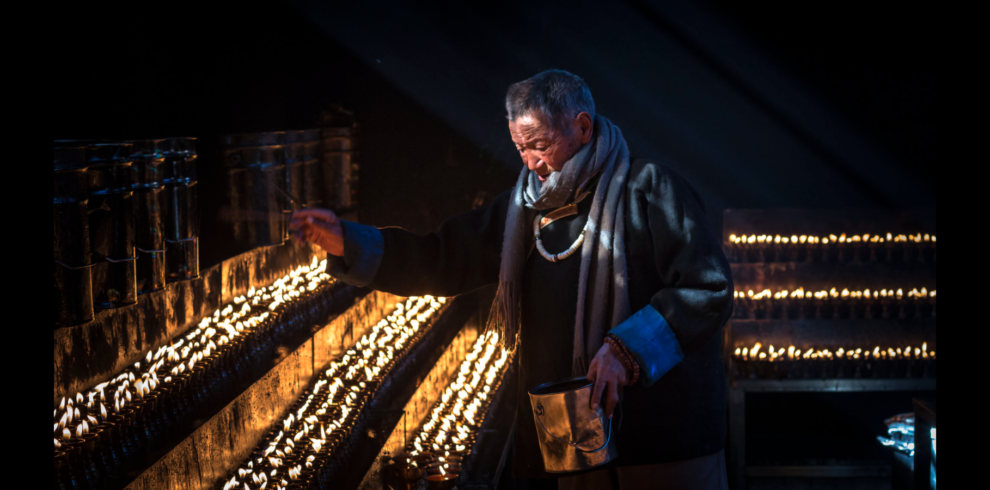
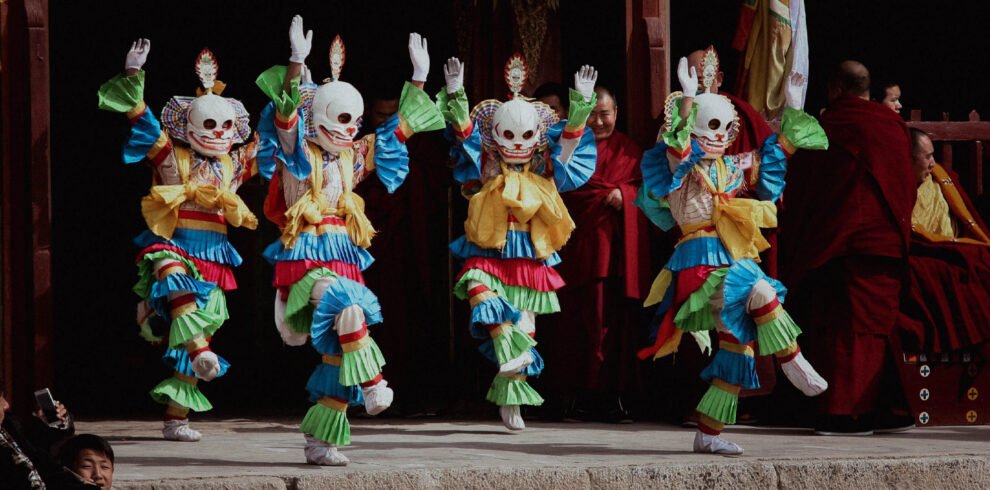
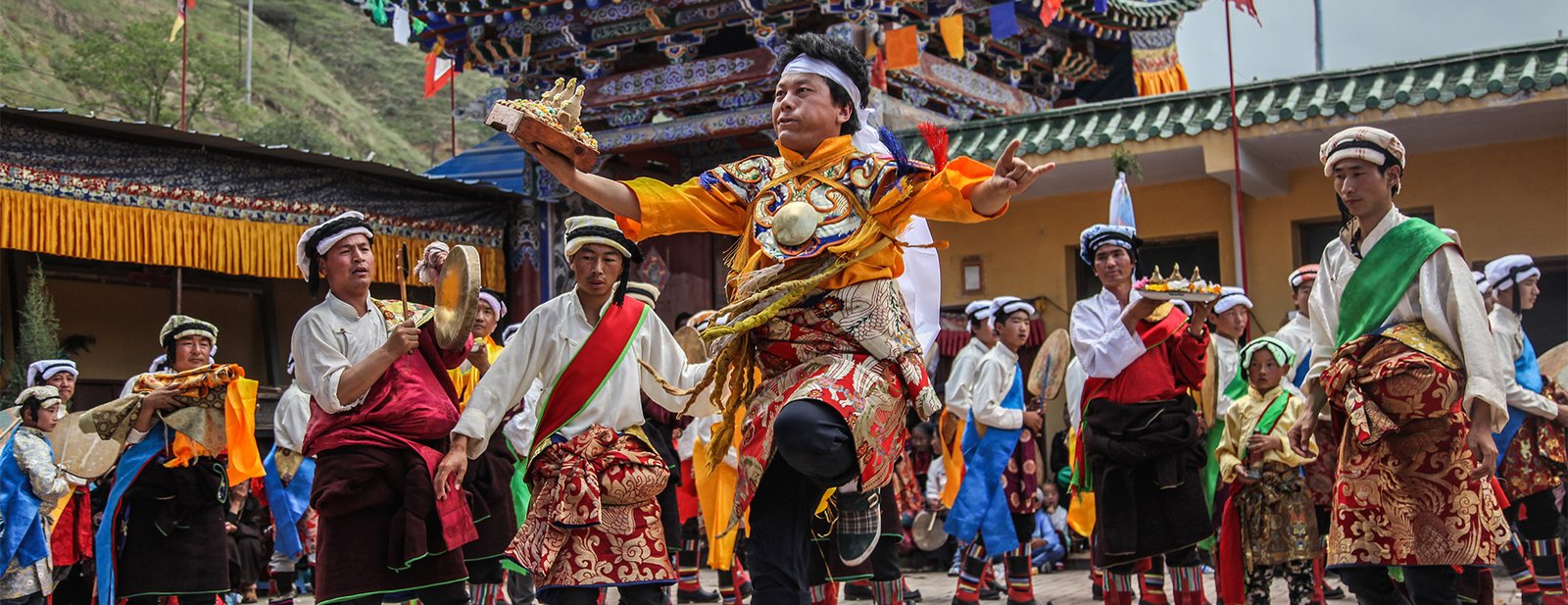
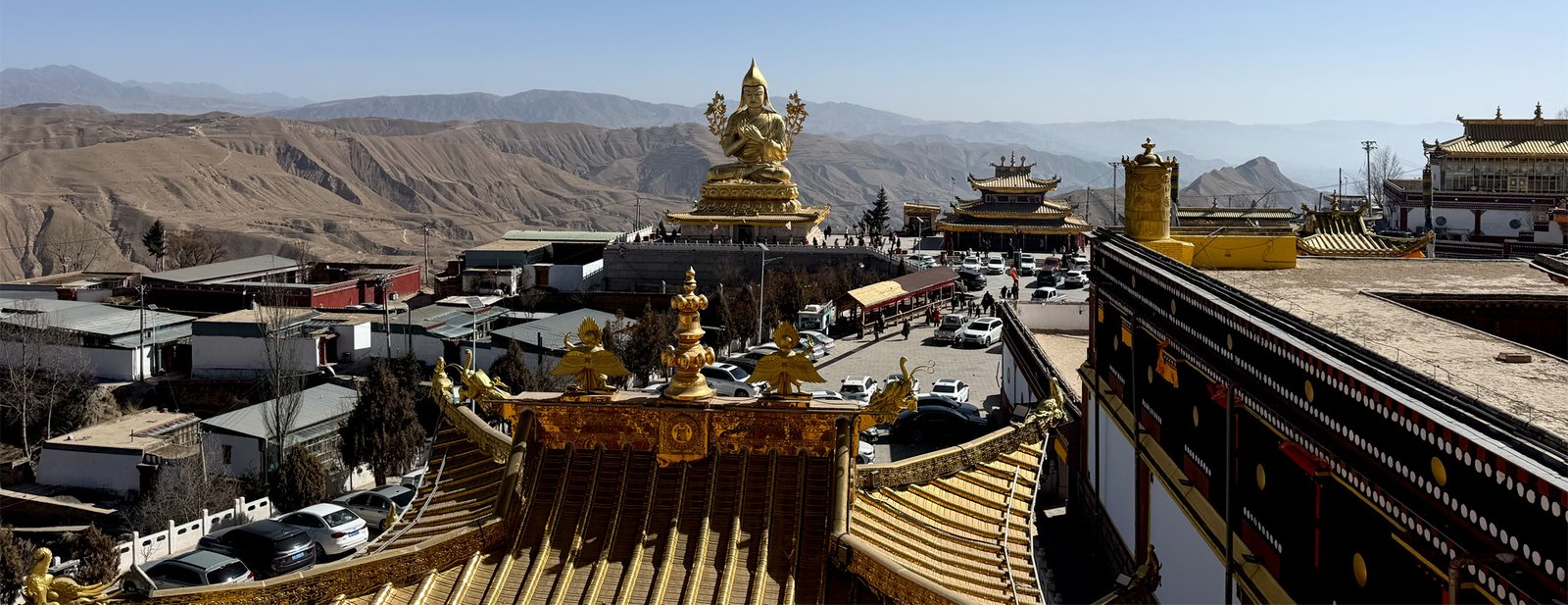
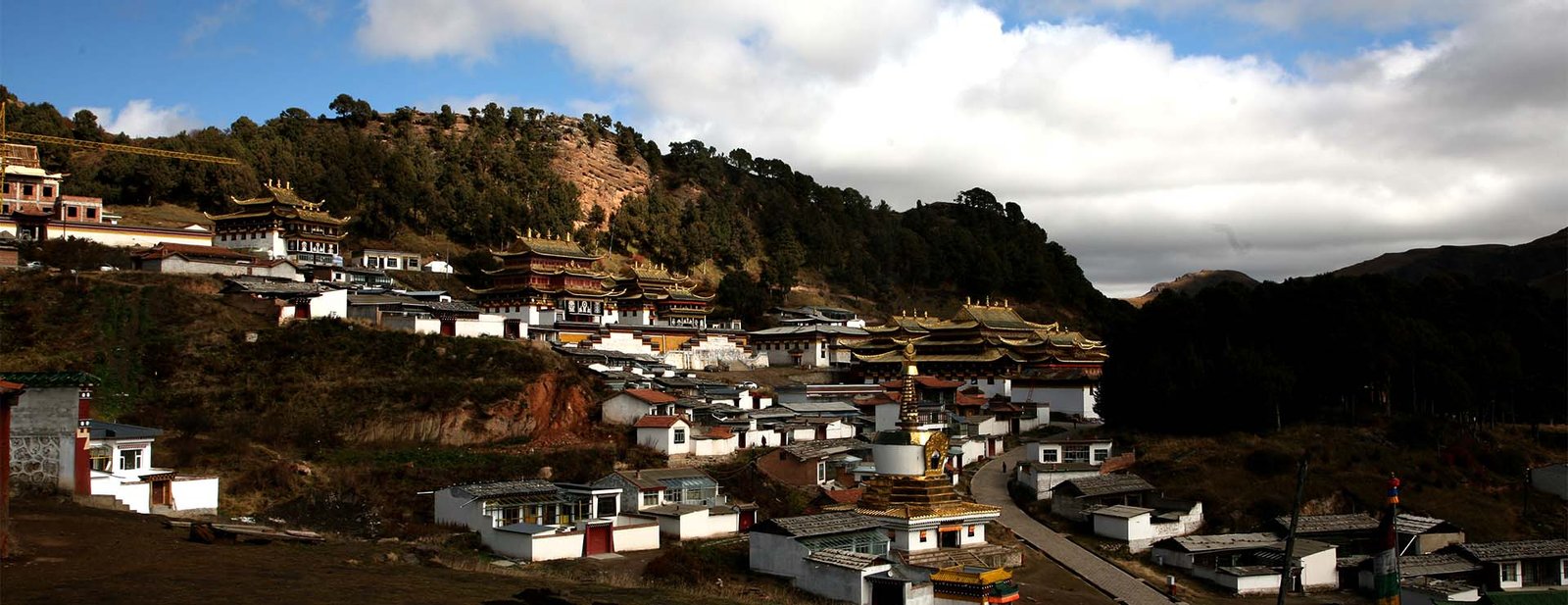
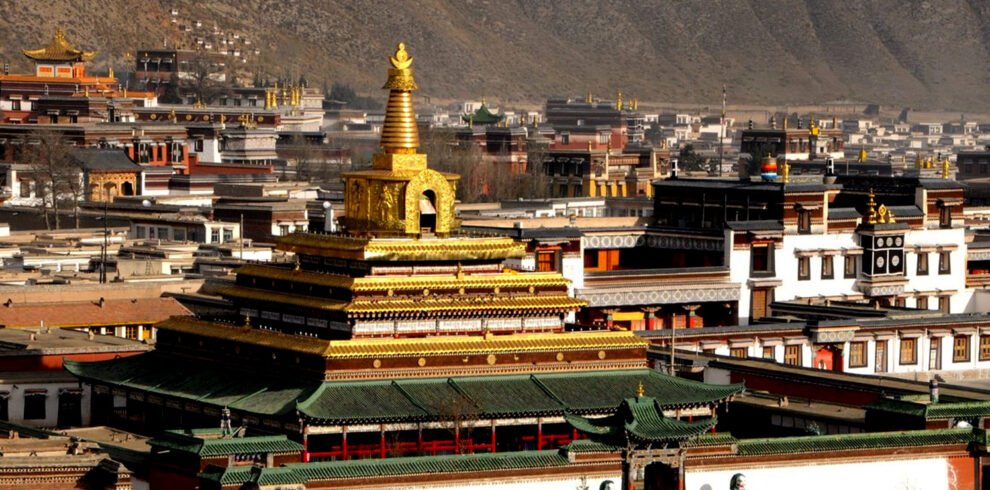
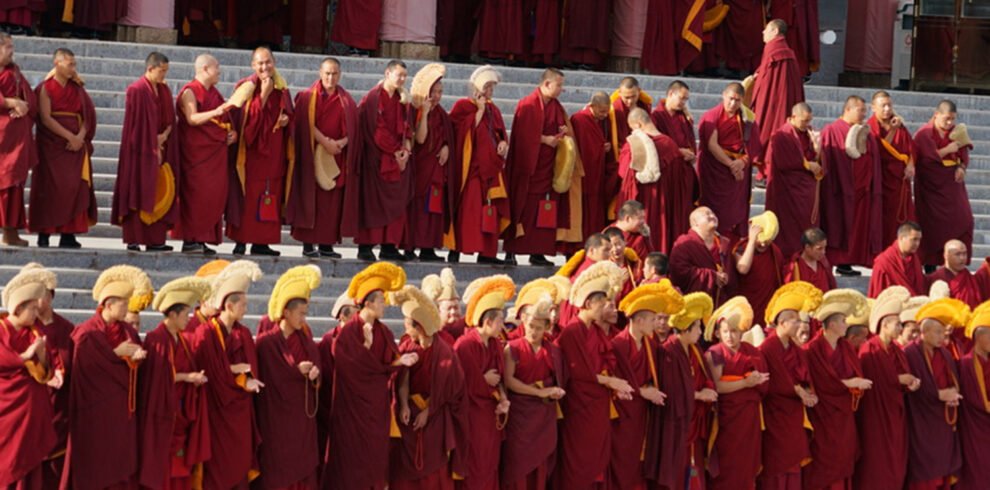
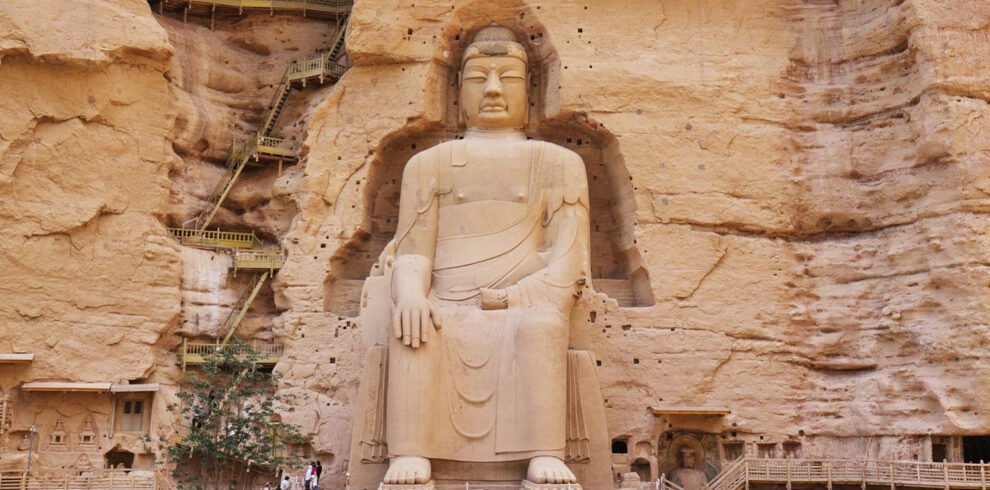
- Cultural Ecology Reserve: As a provincial-level Khampa Culture (Garzê) Ecological Protection Experimental Zone, it boasts 29 world-class and national intangible cultural heritage items, and 1,103 key cultural relics protection units—ranking first in Sichuan in both totals. Ancient monasteries like Larung Gar Buddhist Academy (Seda) and Tagong Monastery are pillars of Tibetan Buddhism, with grand rituals and intricate thangka art.
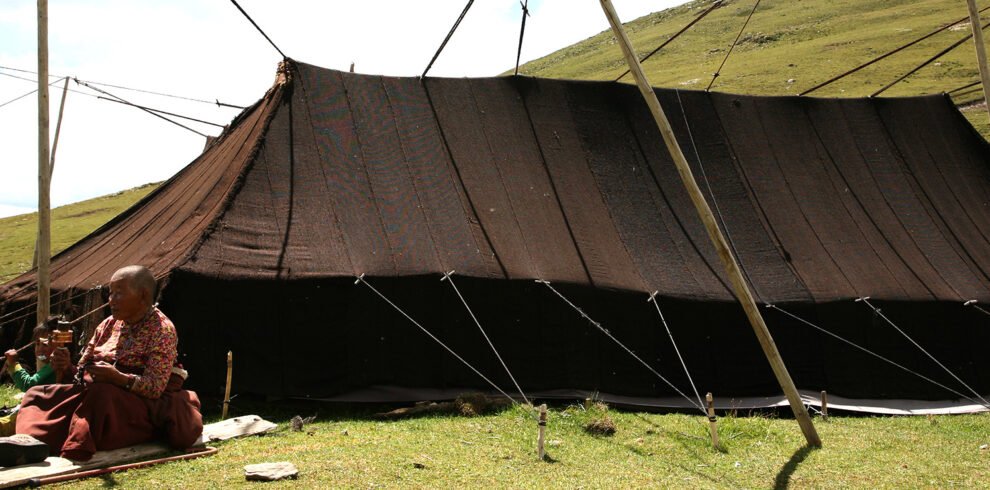
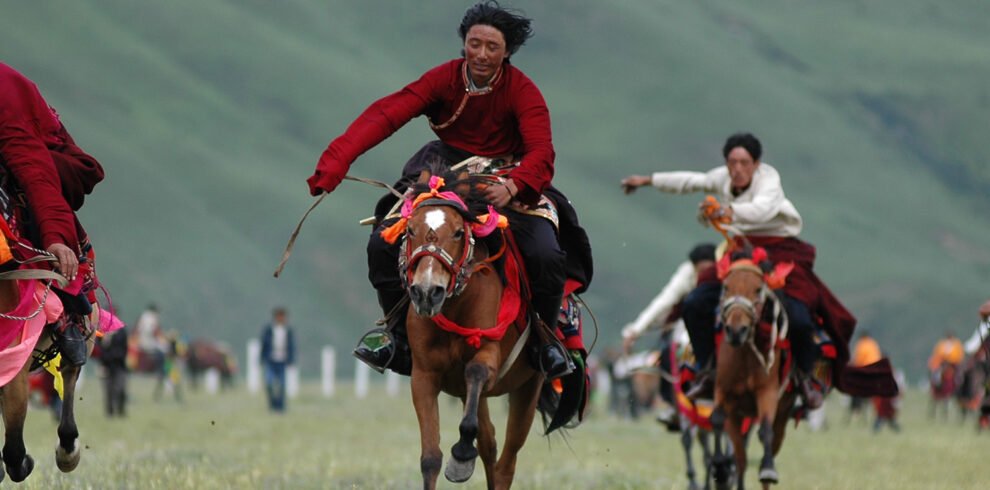
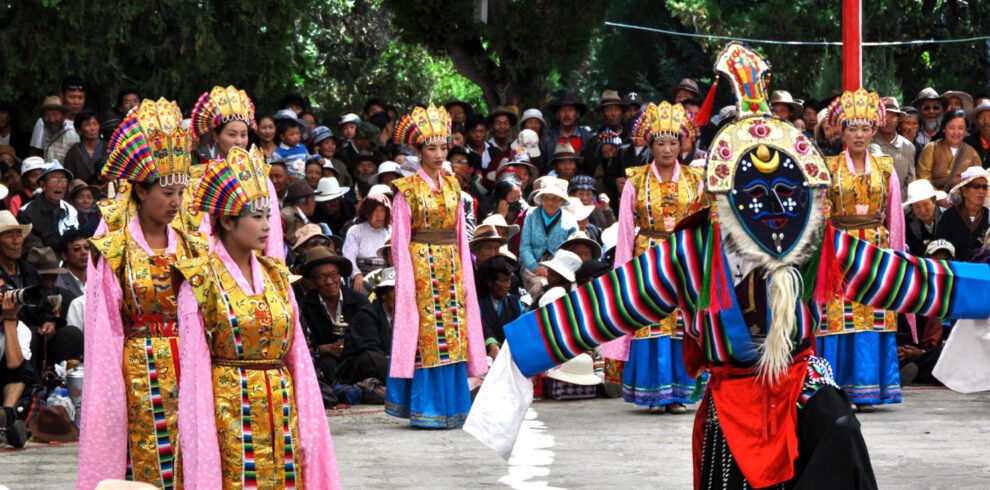
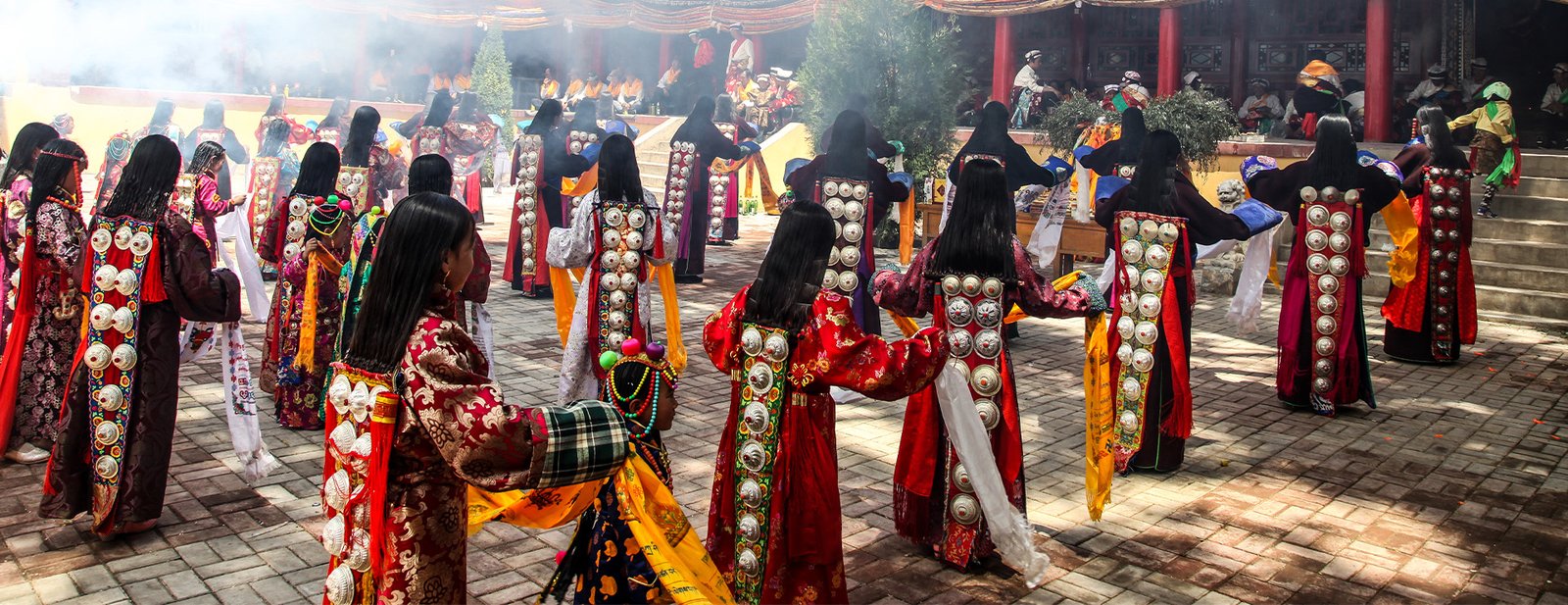
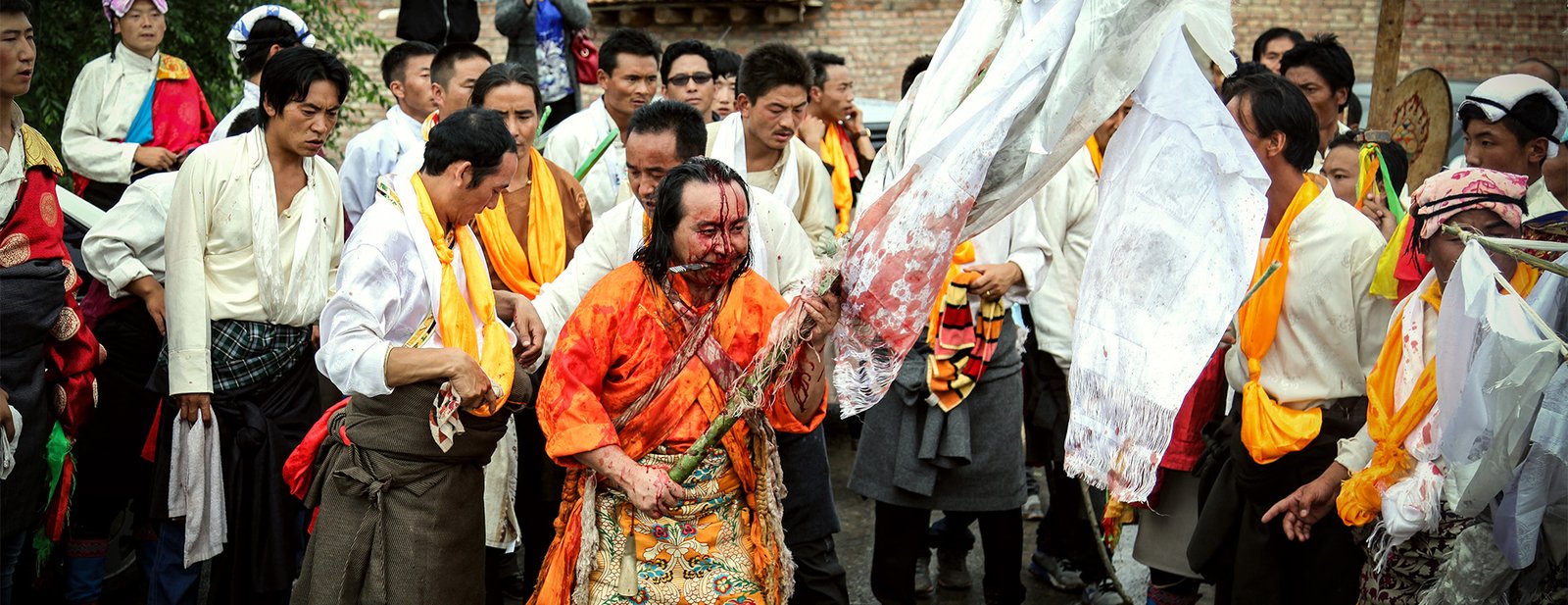
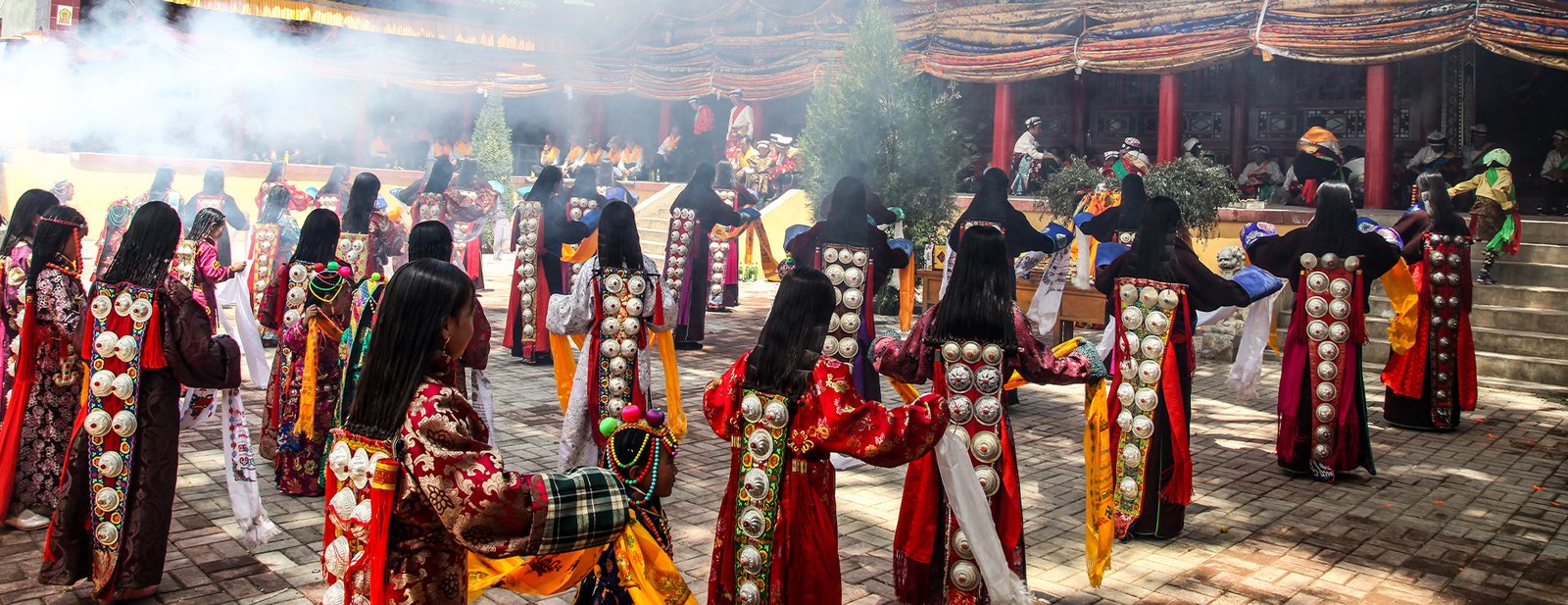
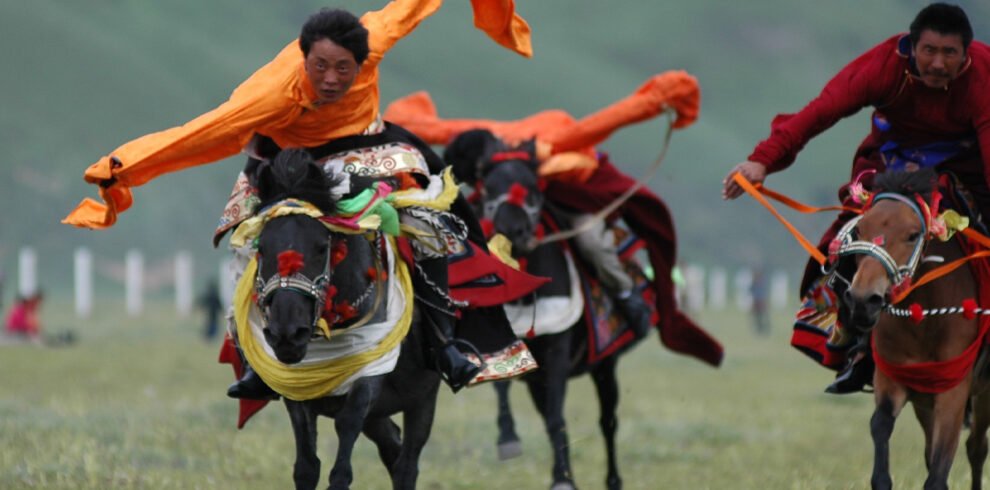
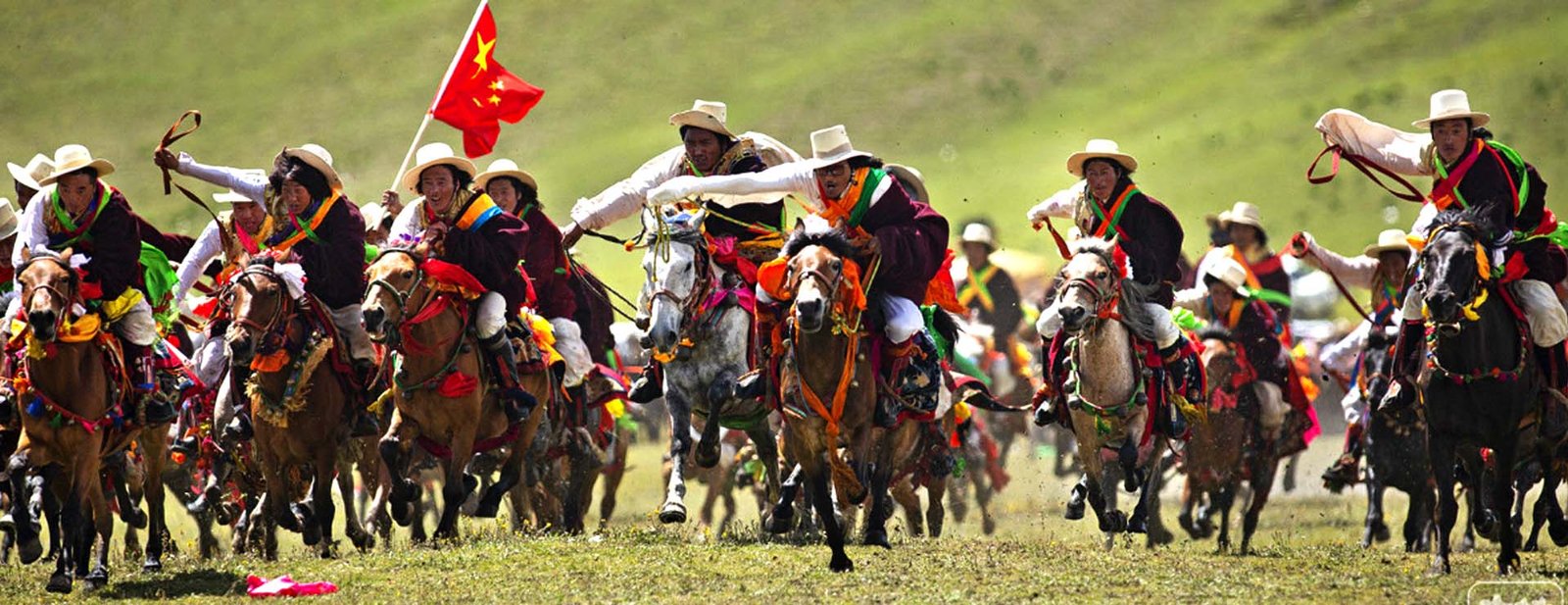
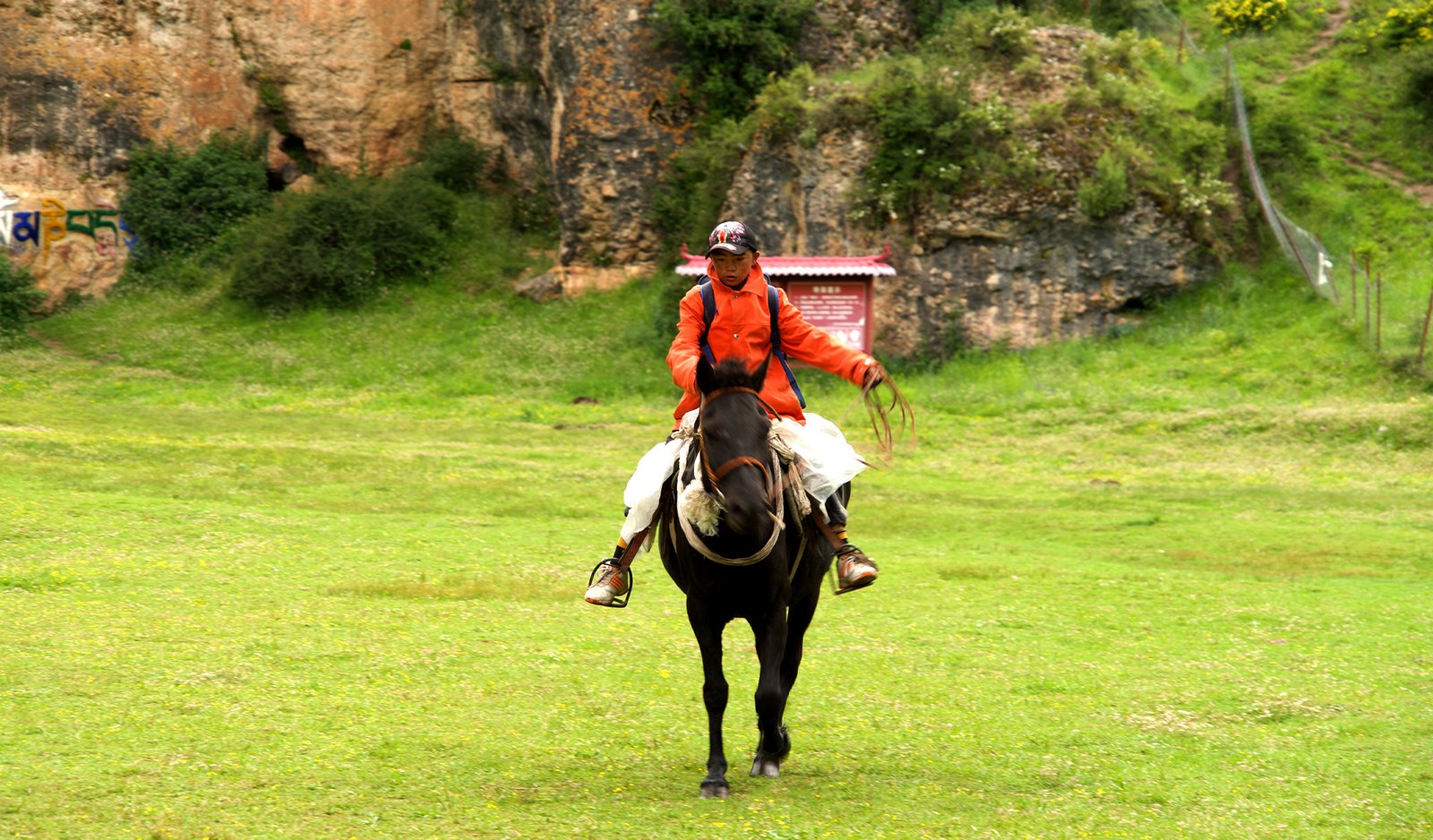
- Ethnic Customs & Festivals: Khampa traditions thrive here, from vibrant costumes adorned with jewellery to bold equestrian skills showcased at annual horse racing festivals. Local festivals like the Litang Horse Racing Festival and Kangding’s “April 8th” Pilgrimage Festival blend religious piety, folk art, and community spirit, offering an immersive cultural experience.
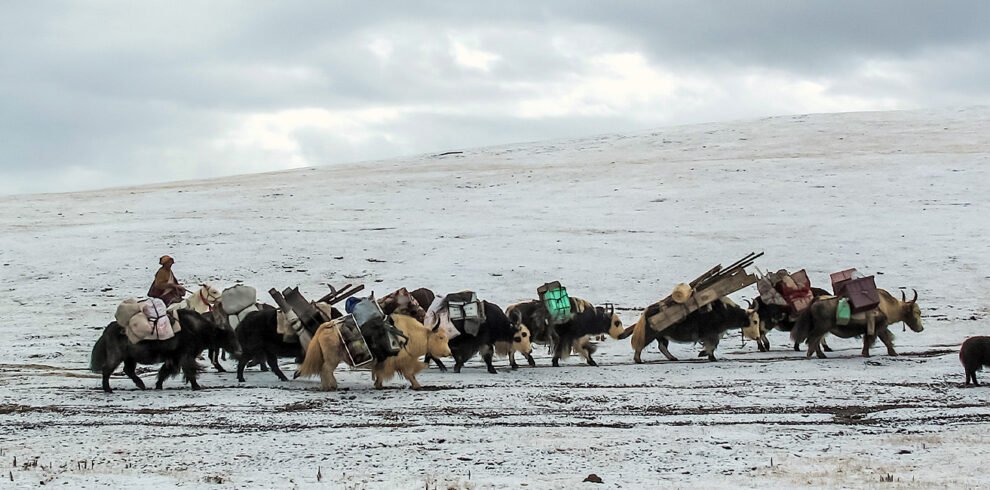
- Historical Legacy: With a history dating back to ancient Qiang lands and the Tibetan Tubo Dynasty, Garzê’s heritage is woven into its (chieftain) ruins, ancient roads, and traditional stone houses. It was also a key section of the ancient Tea-Horse Road, witnessing centuries of cultural exchange between Han and Tibetan peoples.
2. Unique Travel Characteristics
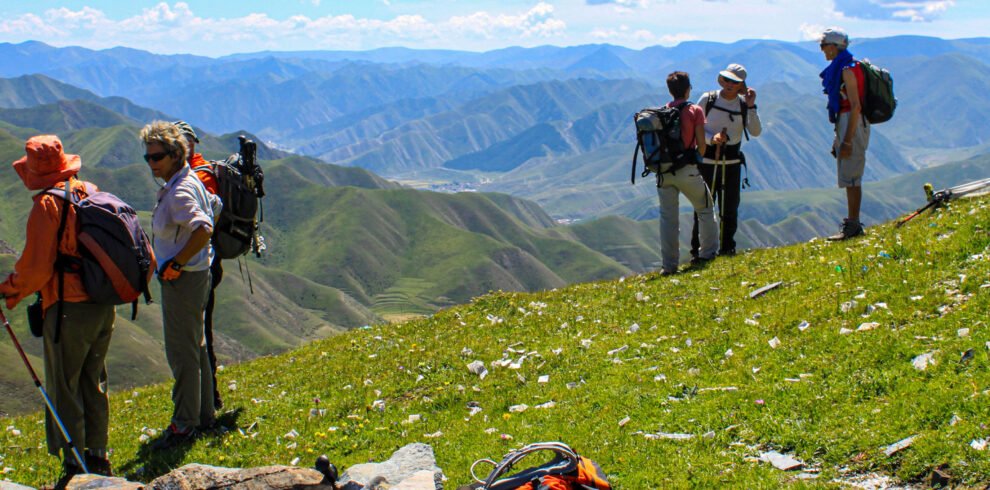
- Unspoiled Primitive Charm: Unlike overdeveloped destinations, Garzê retains intact primitive ecosystems and pure Khampa culture, offering authentic interactions with nature and local communities away from crowds.
- Vertical Climate & Year-Round Appeal: Its diverse altitude (from river valleys to snow-capped peaks) creates a vertical climate zone. May-October is ideal for pleasant weather and blooming scenery, while winter (Nov-Mar) offers stunning snowscapes—though road conditions require caution.
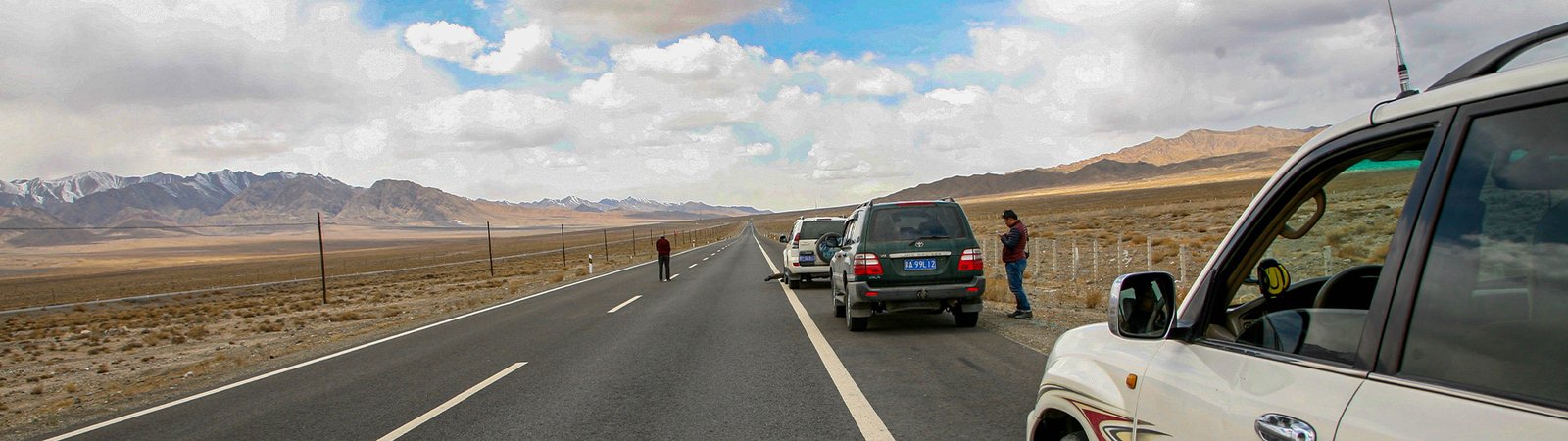
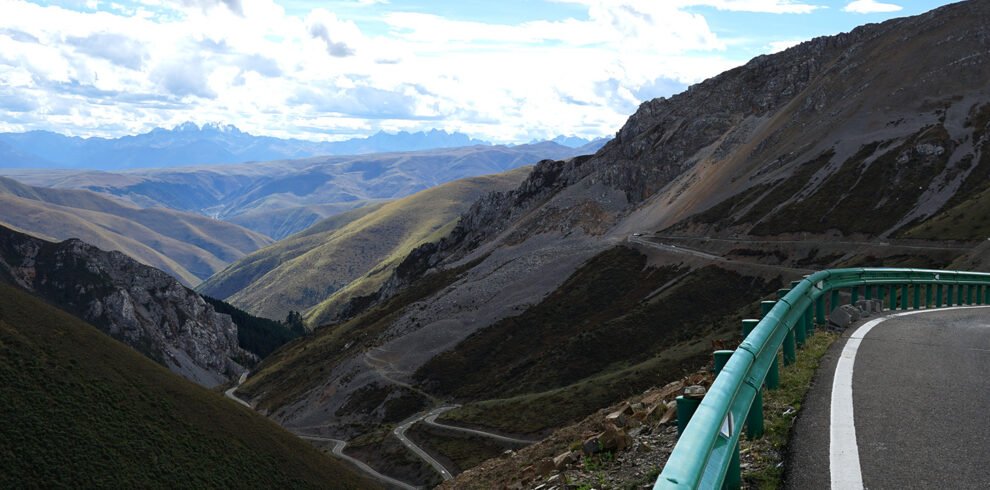
- Gateway to Sichuan-Tibet Adventure: As a core section of the Sichuan-Tibet Line, Garzê is a mecca for self-driving travellers, with winding mountain roads, breathtaking viewpoints, and a gradual altitude increase that aids acclimatisation.
- Sustainable Eco-Tourism: Balancing protection and development, Garzê leverages its abundant clean energy (hydropower, solar, wind) to power tourism, preserving its natural and cultural heritage for future generations.
3. Essential Travel Tips
- Altitude Adaptation: Average elevation exceeds 3,000 meters, with oxygen levels below 60% of sea level. Acclimatise slowly in Kangding (2,560 meters) first, avoid alcohol and strenuous activity, and carry altitude sickness remedies.
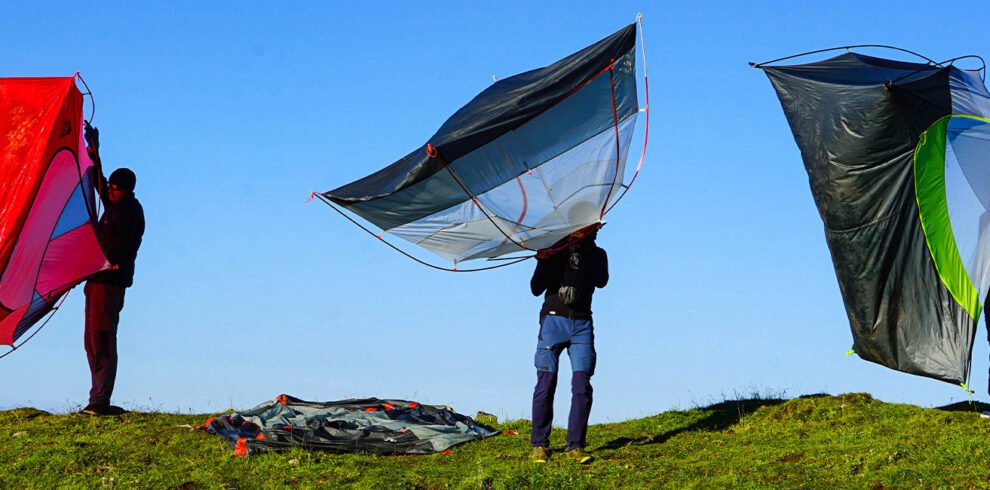
- Weather & Clothing: Sunny but with drastic day-night temperature differences and sudden snow/rain. Pack down jackets, windproof gear, high-SPF sunscreen, sunglasses, and lip balm to cope with dry, cold conditions.
- Transportation: Chengdu is the main gateway—flights to Kangding and Daocheng Yading airports, or 4-10 hour drives by car/bus. Self-driving (4WD recommended) is best for exploring remote areas; follow official routes to avoid unopened reserves.
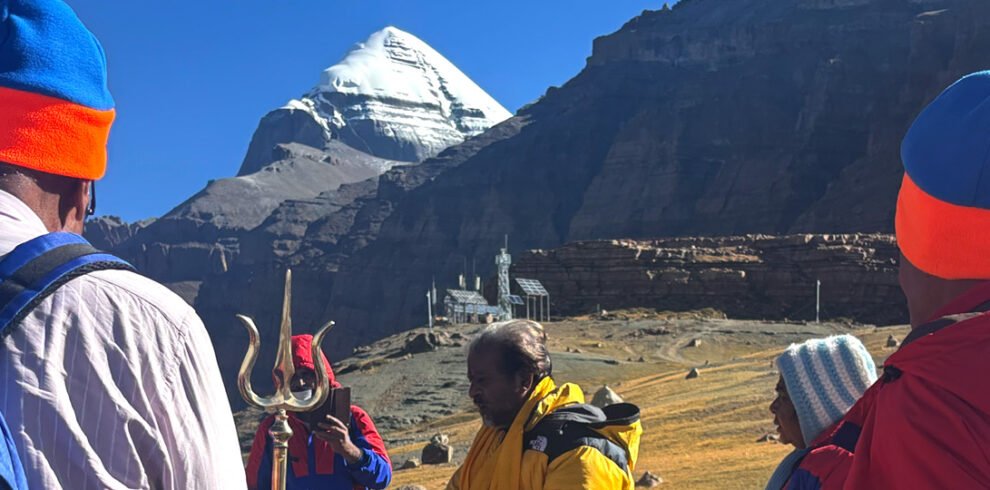
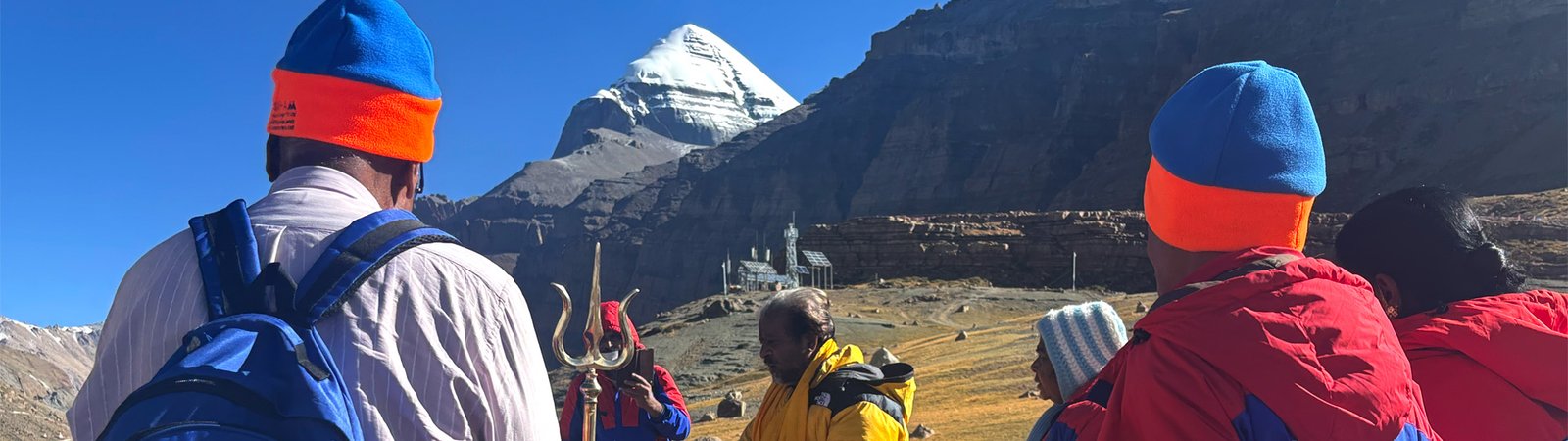
- Cultural Respect: Follow Tibetan customs—circumambulate sacred sites clockwise, ask permission before photographing locals/monasteries, and dress modestly in religious venues. Avoid disturbing wildlife or fragile ecosystems.
- Local Delicacies: Savour Khampa flavours like yak meat, highland barley wine, pine mushrooms, and Tibetan butter tea. Don’t miss wild fungus dishes and highland barley products, a testament to the region’s rich ecological resources.