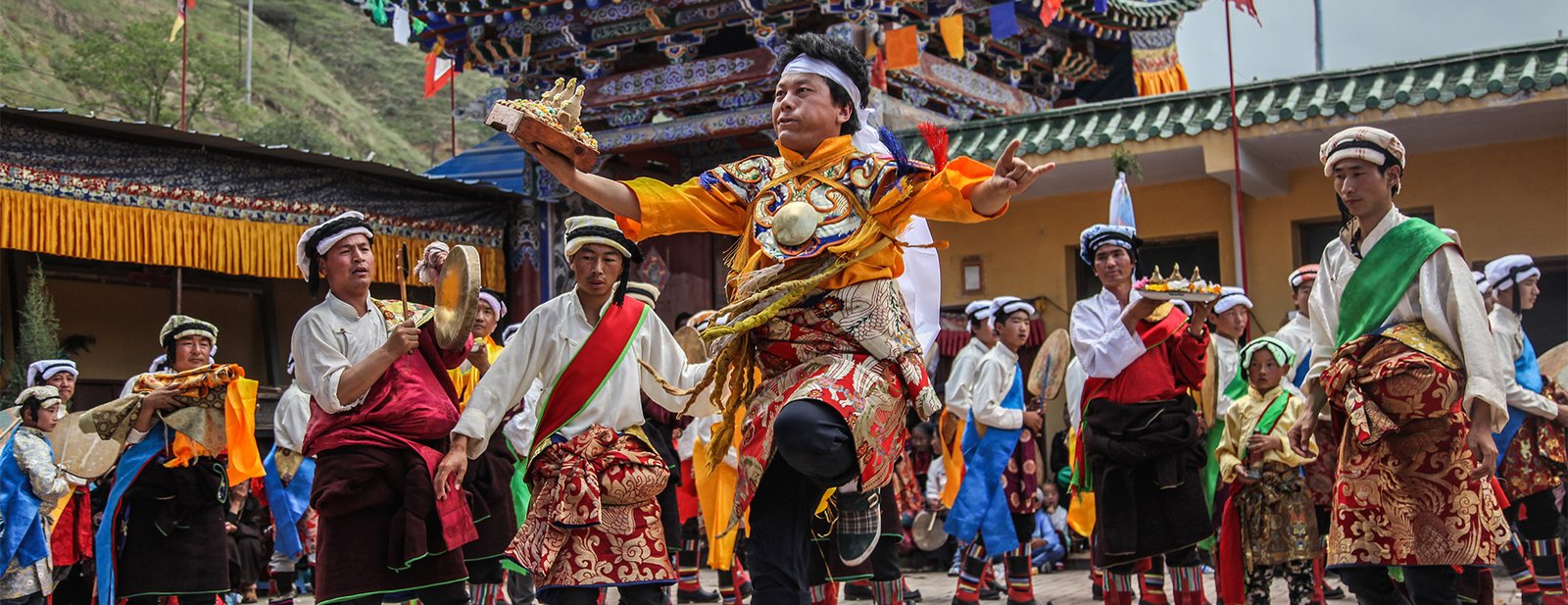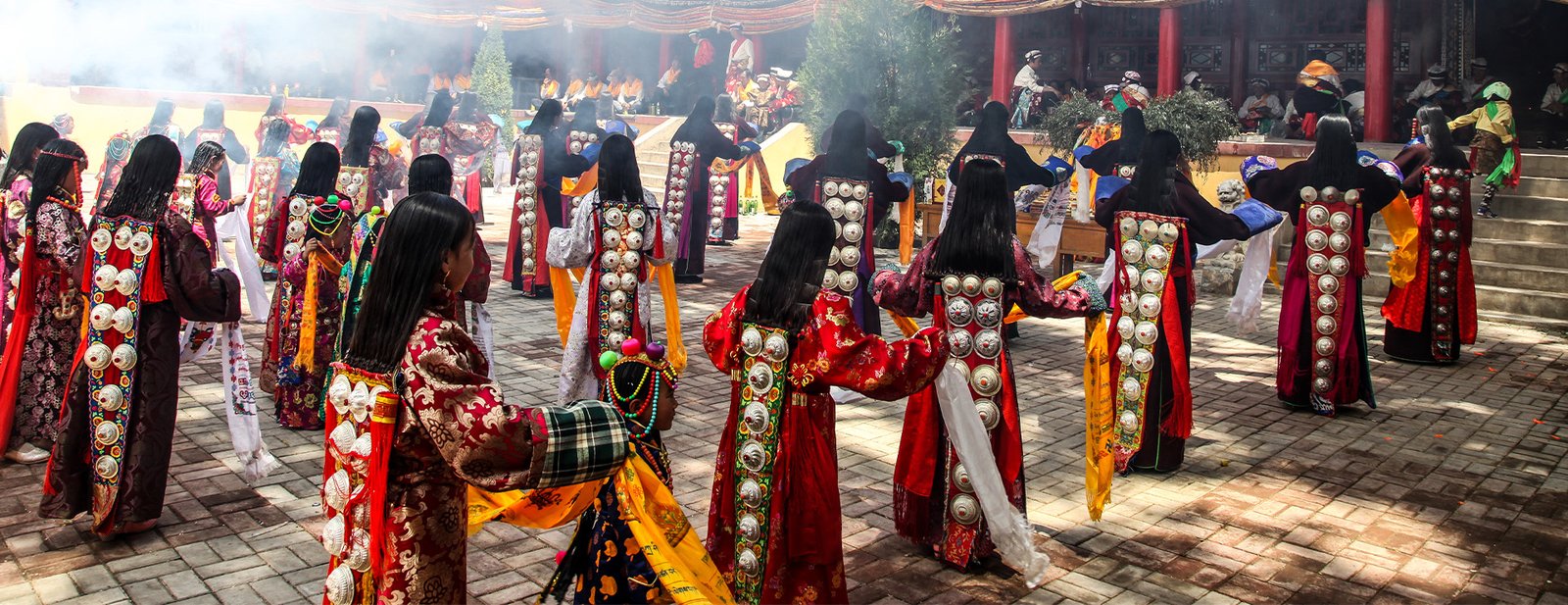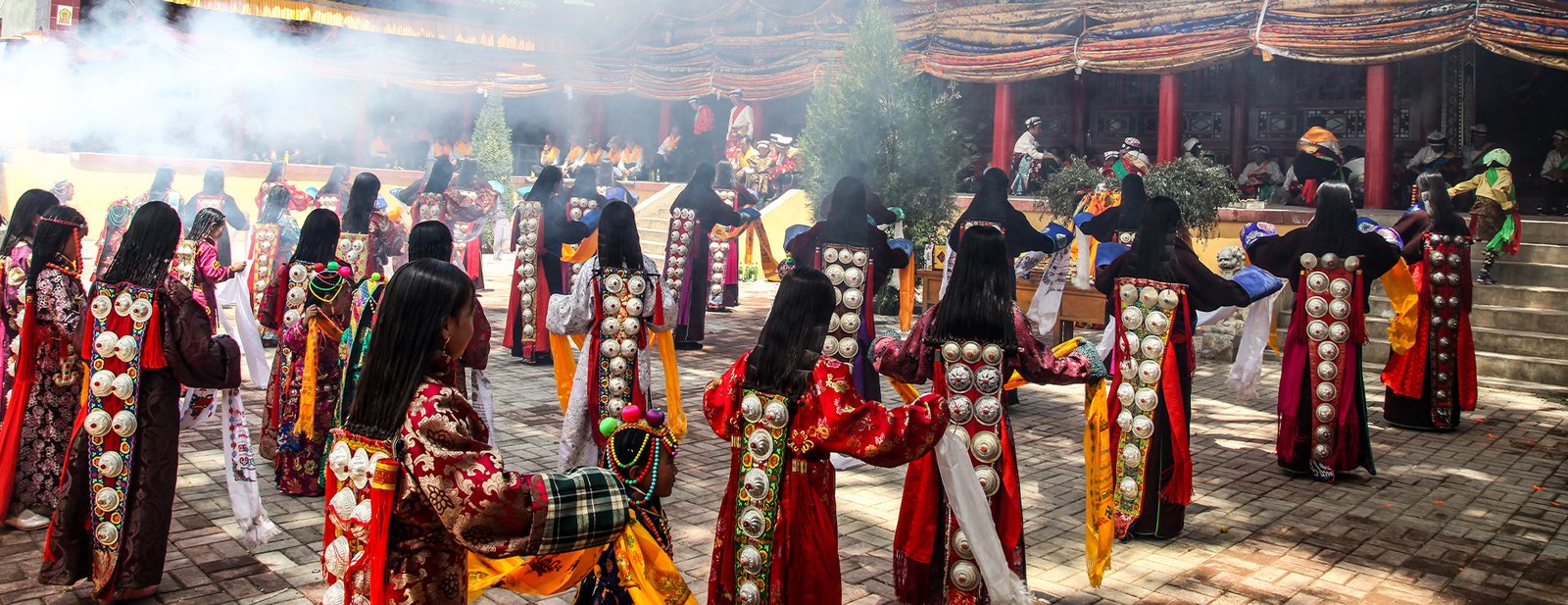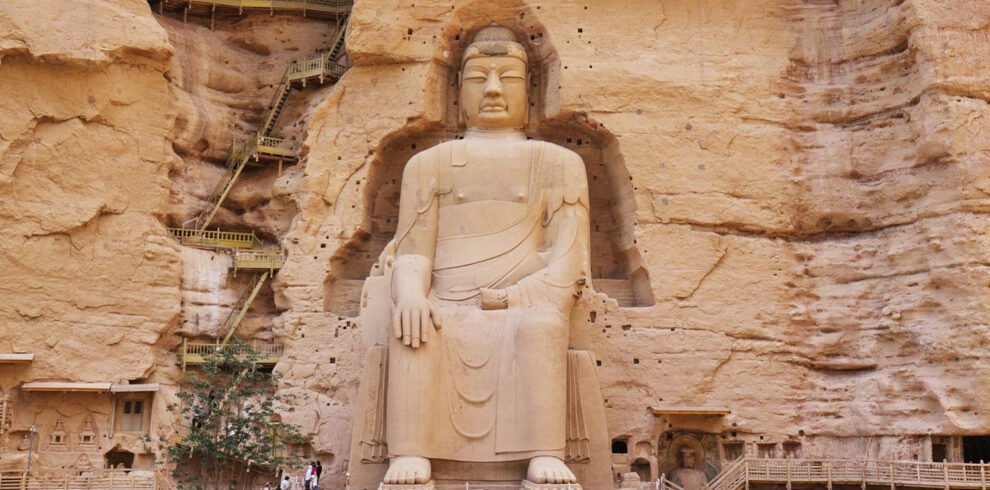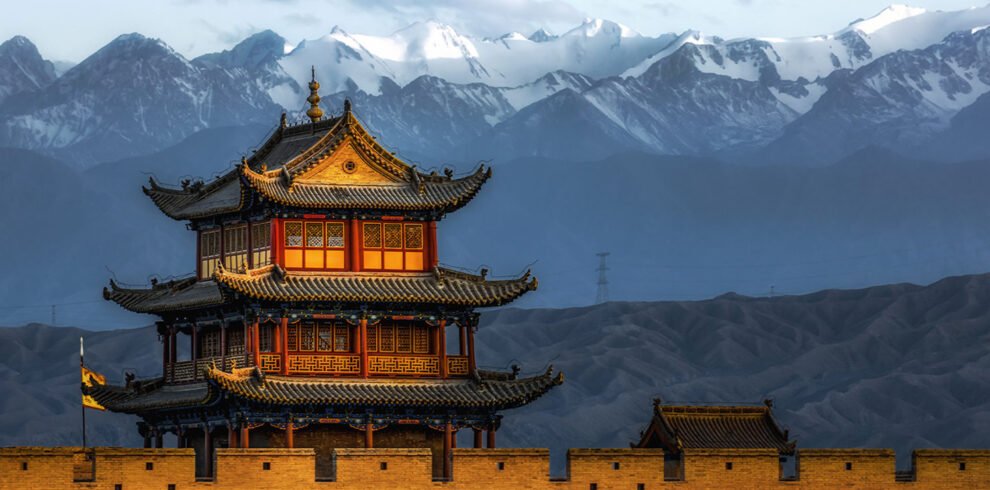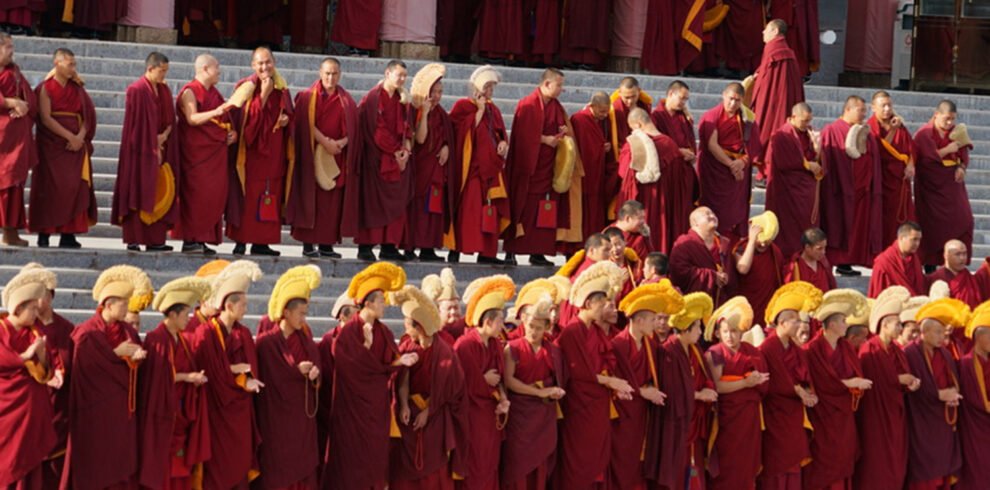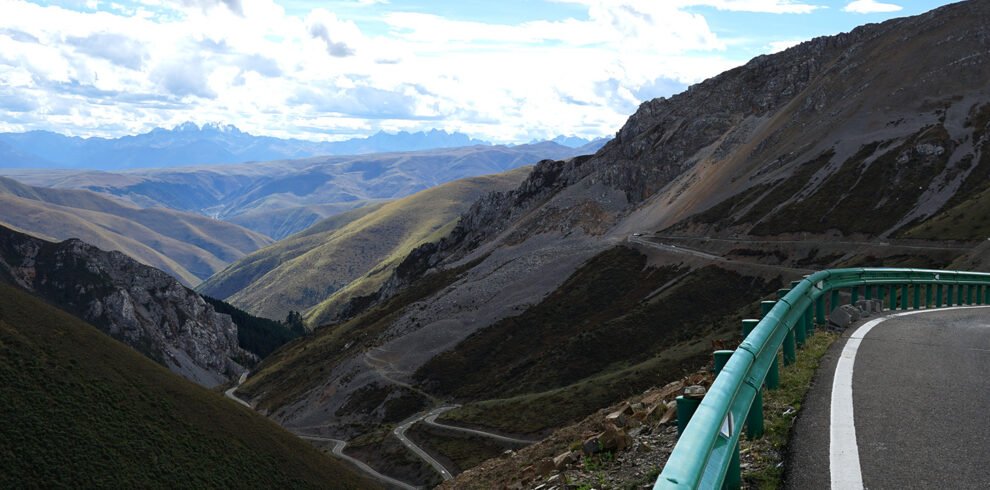
Amdo is one of the three major traditional regions of Tibet, located in the northeastern part of the Tibetan Plateau. It spans parts of Qinghai, Gansu, and Sichuan provinces in China, with a rich cultural history shaped by its unique geography and ethnic diversity. Unlike the more arid landscapes of other Tibetan areas, Amdo is characterized by lush grasslands, towering snow-capped mountains, and vast wetlands, making it a region of exceptional natural beauty and ecological significance. The area is home to devout Tibetan communities, whose lives are deeply intertwined with Tibetan Buddhism and ancient pastoral traditions.

✨ Highlights & Characteristics of Amdo

  1. Stunning Natural Landscapes
    Amdo boasts some of the most diverse and picturesque scenery on the Tibetan Plateau. Highlights include:
  • Grasslands and Wetlands: The region is part of the Yellow River source area, featuring expansive grasslands like those in Hongyuan and Zoigê (Ruo’ergai), which are among the largest alpine wetlands in the world.
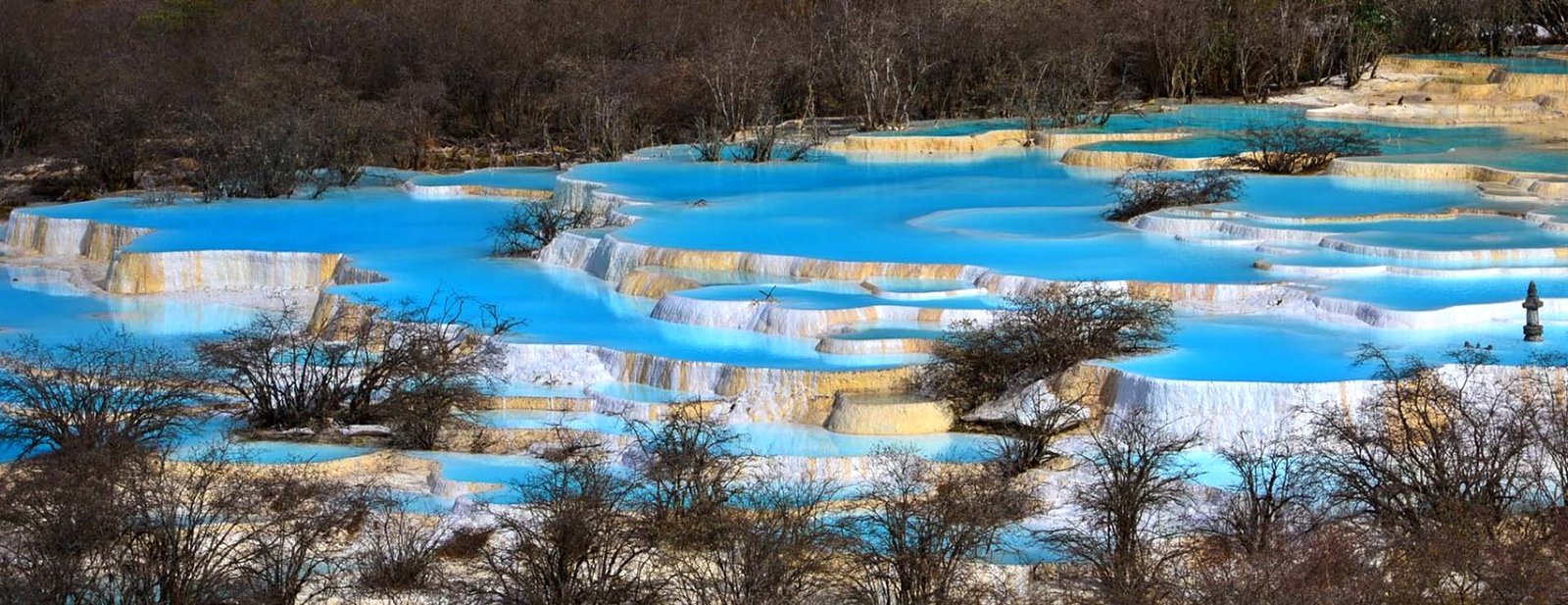
  • Sacred Lakes and Mountains: Amdo is dotted with pristine lakes, such as those in Jiuzhaigou (a UNESCO World Heritage site), and sacred peaks like Mount Amnye Machen, which are integral to local pilgrimage practices.
  • Biodiversity: As a key part of the “Chinese川西-滇北 biodiversity hotspot,” Amdo shelters rare species like the snow leopard, Tibetan antelope, and black-necked crane.

2. Rich Cultural Heritage

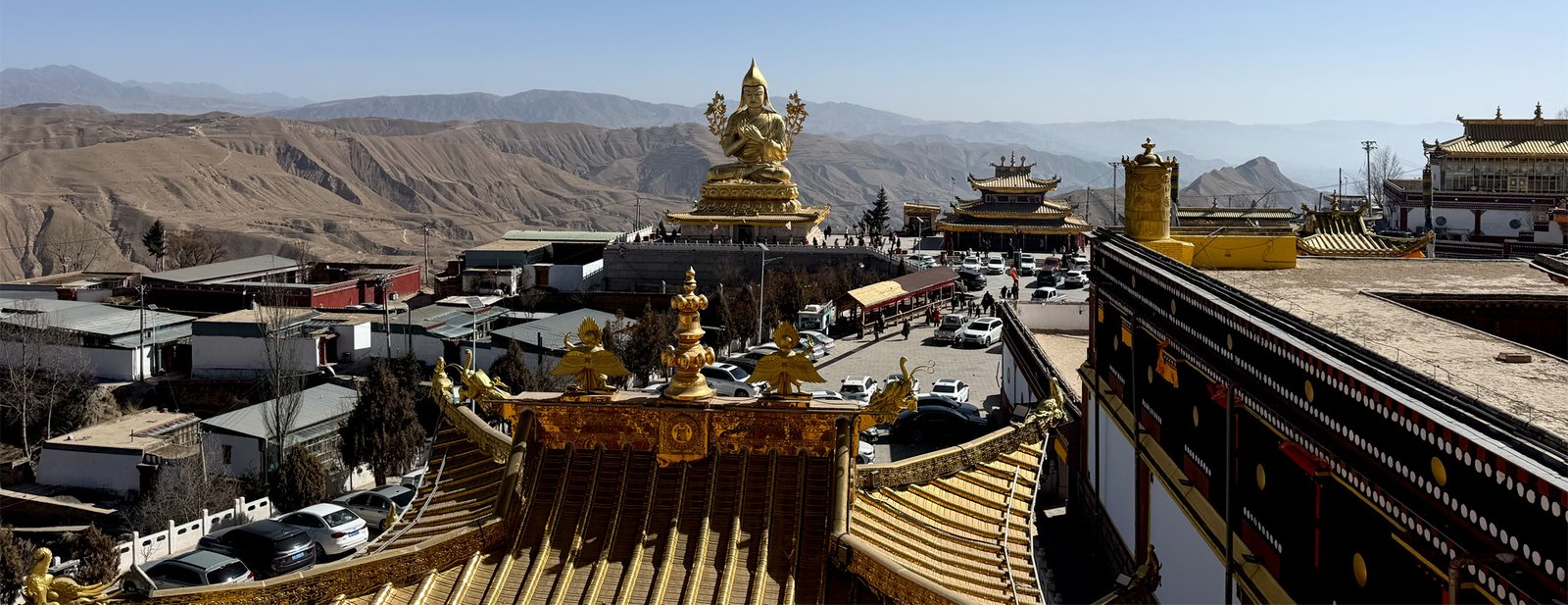
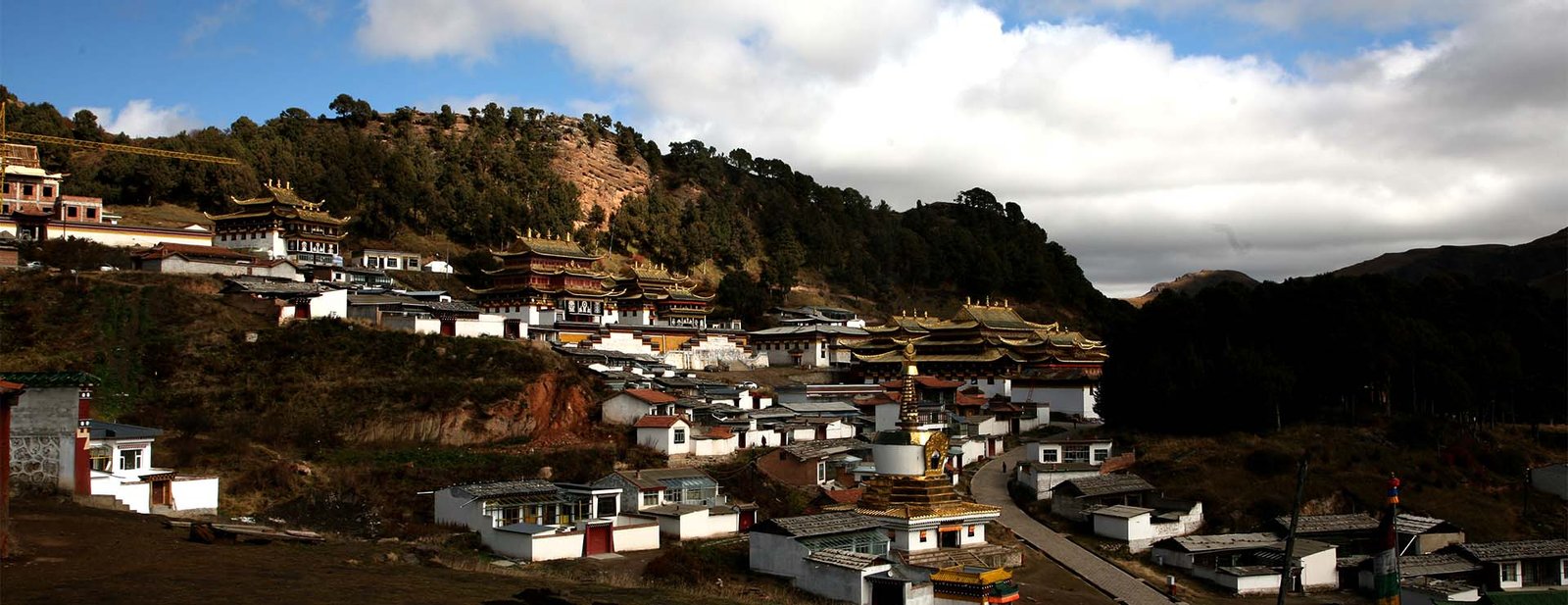
  • Tibetan Buddhist Monasteries: Amdo is a cradle of Tibetan Buddhism, housing historic monasteries such as Achen Namdzung Monastery. This site is regarded as a pure land of Dzogchen (Great Perfection) teachings and played a critical role in the second dissemination of Buddhism in Tibet.
  • Indigenous Traditions: The region preserves unique aspects of Amdo Tibetan culture, including traditional tribal lifestyles, Tibetan tent-making, prayer wheels, and religious artifacts.
  • Festivals and Practices: Travelers can witness vibrant festivals like Losar (Tibetan New Year), which involves community gatherings, prayers, and cultural performances.
  1. Authentic Agropastoral Life
    Amdo offers a glimpse into the lives of Tibetan nomads and farmers. Visitors can experience:
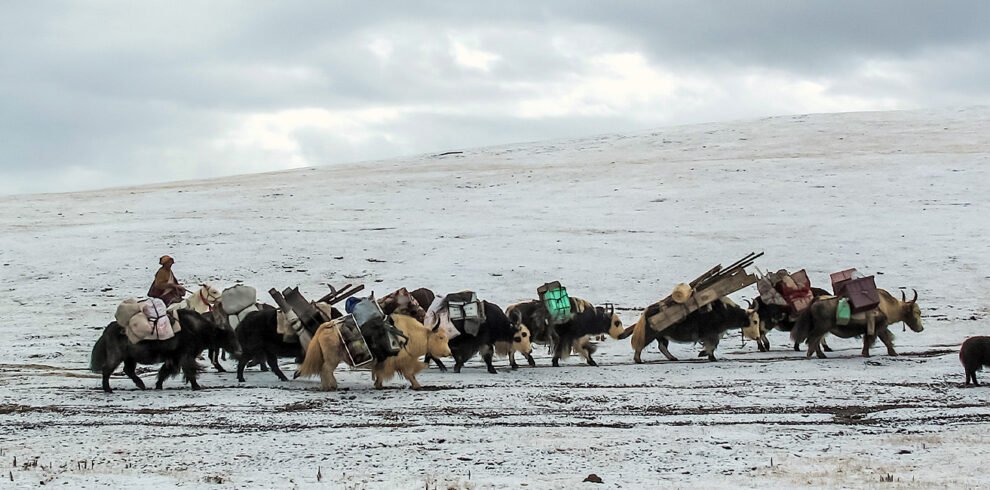
  • Yak Herding: The grasslands support pastoral communities whose livelihoods revolve around yak and sheep herding.
  • Local Crafts: The region is known for handicrafts like handmade textiles, silver ornaments, and traditional Tibetan tents made from yak hair.
  1. Adventure and Eco-Tourism
    With its dramatic terrain, Amdo is ideal for hiking, horseback riding, and wildlife watching. Key destinations include:
  • Jiuzhaigou Valley and Huanglong Scenic Area, renowned for colorful travertine lakes and waterfalls.
  • The Qinghai-Tibet Railway, which passes through Amdo, offering breathtaking views of the plateau.
  1. Accessible Yet Untouched
    While parts of Amdo are well-connected by road and rail, many areas remain remote and less frequented by tourists, providing an off-the-beaten-path experience. The region’s infrastructure continues to develop, with growing options for homestays and guided tours.

💡 Travel Tips

  • Best Time to Visit: May to September, when grasslands are green and temperatures are mild.
  • Local Delicacies: Try yak yogurt, butter tea, and tsampa (roasted barley flour).
  • Cultural Etiquette: Always circle stupas and prayer wheels clockwise, and ask permission before photographing people or religious sites.

Amdo invites travelers to explore its sacred landscapes, vibrant culture, and timeless traditions—a truly enriching journey into the heart of Tibetan life.

The Amdo Region offers a captivating journey into Tibetan culture with its profound monastic traditions and stunning natural landscapes.

As one of the three traditional provinces of Tibet, it covers a large area of the northeastern part of the Tibetan Plateau.

Feature Description of the Amdo Region

Cultural Identity: One of the three traditional Tibetan regions, historically known as the “Amdo Horse Region” for its nomadic and horse culture.

Geographic Scope: Primarily located in Qinghai Province, and includes parts of Gansu and Sichuan provinces.


Key Attractions: Tibetan Buddhist monasteries, nomadic grasslands, and dramatic plateau scenery, including the Kunlun Mountains and Kekexili Nature Reserve.

Travel Requirement: Only a standard Chinese Tourist Visa is required, with no additional Tibet Travel Permit needed.

Best Time to Visit: May to October, with the warmest and most pleasant weather from June to September.

Key Attractions and Experiences

The richness of an Amdo tour lies in its combination of deep cultural immersion and breathtaking scenery.


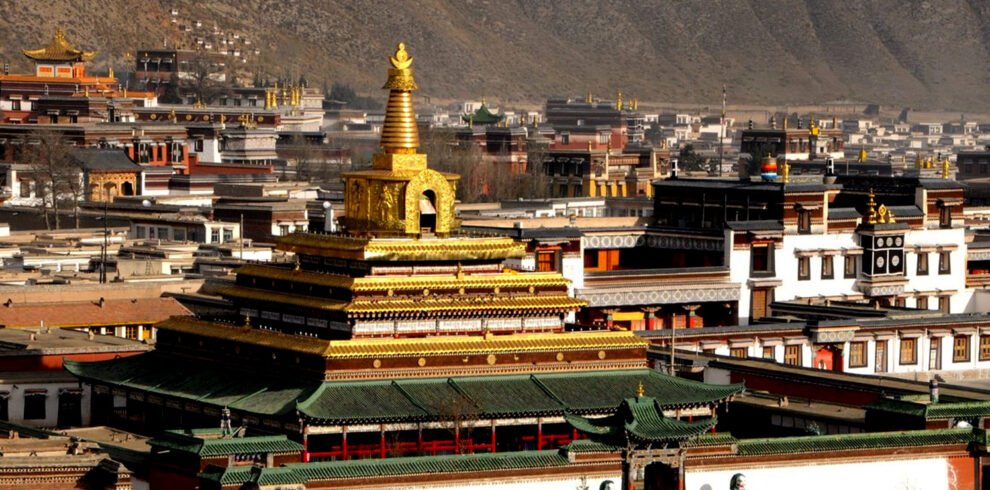
  • Tibetan Monasteries: Amdo is renowned for its many important monasteries. You can visit Kumbum Monastery near Xining, Labrang Monastery near Lanzhou, and the Kirti Monasteries in Ngawa Prefecture. These are active centres of learning and offer a chance to witness Tibetan Buddhist practices.
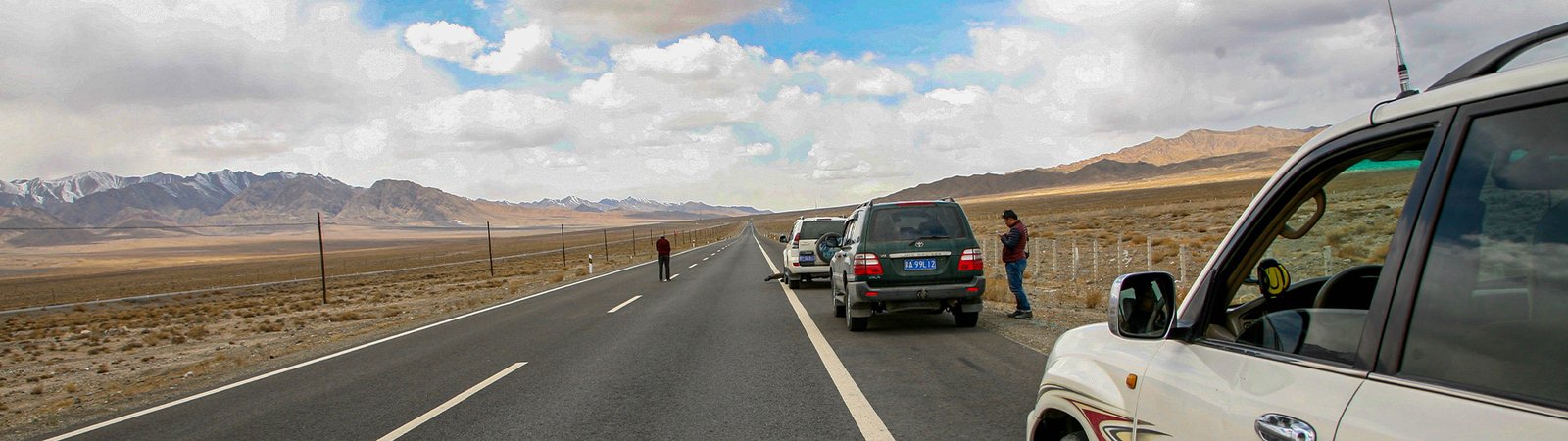
  • Stunning Landscapes: The region sits on the northeastern edge of the Qinghai-Tibet Plateau. The journey presents awe-inspiring views, from the towering Kunlun Mountains to the vast, untouched grasslands of the Kekexili Nature Reserve.
  • Nomadic Culture: The grasslands of Amdo are home to Tibetan nomads. You can catch a glimpse of their unique lifestyle, watching them herd yaks and living in traditional yak-hair tents that dot the summer pastures.

✈️  Planning Your Trip


  • Required Documents: Unlike travel to the Tibet Autonomous Region (TAR), touring the Amdo areas of Qinghai Province only requires a standard Chinese Tourist Visa. This makes it a more accessible option for experiencing Tibetan culture.
  • Best Time to Visit: The ideal time is from May to October. The summer months, from June to September, are particularly pleasant with cooler temperatures, earning the region the nickname “Summer Vacation Capital” of China.
  • Altitude Considerations: As part of the Tibetan Plateau, some areas in Amdo are at high altitude. It’s important to ascend gradually, avoid strenuous activity upon arrival, and ensure you rest adequately to acclimatize.

The Amdo Region provides a deeply authentic and logistically simpler way to connect with Tibetan culture. If you have a specific interest, such as photography, trekking, or a particular monastery, feel free to ask for more detailed suggestions.
Festivals

Tibet’s cultural tapestry is richly woven with festivals that blend religious devotion, natural reverence, and communal joy. For travellers, these events offer an unforgettable glimpse into the region’s spiritual and social life. Below, we explore iconic festivals from three key destinations—Lhasa, Shigatse, and Nyingchi—each with its own unique traditions and timing.

Lhasa: The Heart of Tibetan Celebrations

As Tibet’s capital, Lhasa hosts some of the grandest and most spiritually significant festivals. Among these, the Shoton Festival (Yogurt Festival) stands out. Held at the end of June or early July (Tibetan calendar: late sixth to early seventh month), it originated as a religious event where monks broke their summer retreat with yogurt offerings. Today, it’s famed for its vibrant Tibetan opera performances held in Norbulingka Park, alongside giant thangka (sacred cloth painting) displays. Another highlight is the Bathing Festival in September, when locals gather by rivers to bathe in waters believed to have purifying properties. For a truly immersive experience, visitors can also witness the Butter Lamp Festival in February or March, where intricate butter sculptures illuminate temples and streets.

Shigatse: Where Sport and Spirituality Meet

Shigatse, home to the towering Mount Everest, blends athleticism with tradition. The Gyantse Horse Race & Archery Festival, held in May or June, dates back to 1408. It features thrilling equestrian events, archery contests, and folk dances, drawing participants from across Tibet. Meanwhile, the Ongkor (Bumper Harvest) Festival in September celebrates the agricultural cycle with processions, horse racing, and rituals to pray for abundance. For adventure seekers, the Changtang Chachen Horse Race Festival in August transforms the grasslands of Nagqu into a tent city filled with horsemanship displays and cultural performances. These events offer a dynamic window into Tibetan nomadic and farming lifestyles.

Nyingchi: Nature’s Festival Sanctuary

Nesting in Tibet’s lush southeast, Nyingchi is known for its scenic beauty and seasonal festivities. The Kungbu Traditional Festival (or Kongpo Festival) takes place in November or December, commemorating ancient warriors with Kongpo dances, horse races, and archery. In spring, the Linka Festival (May–June) sees families picnic in wooded parks, singing and dancing under willow trees. Nyingchi also celebrates the Tibetan New Year on October 1st in the Kongpo area—a month earlier than other regions—with elaborate feasts and rituals. This makes it an ideal off-season destination for travellers seeking authentic cultural encounters amid blooming valleys and snow-capped peaks.

Tibet’s eastern regions of Amdo and Kham offer a spectacular window into authentic Tibetan culture through their vibrant and unique festivals. These events, deeply rooted in religious devotion and nomadic traditions, provide unforgettable experiences for travellers. Below is a guide to the key festivals in these regions.

Major Festivals in Amdo

Amdo is renowned for its rich artistic heritage and strong monastic traditions, which are prominently displayed during its festivals.

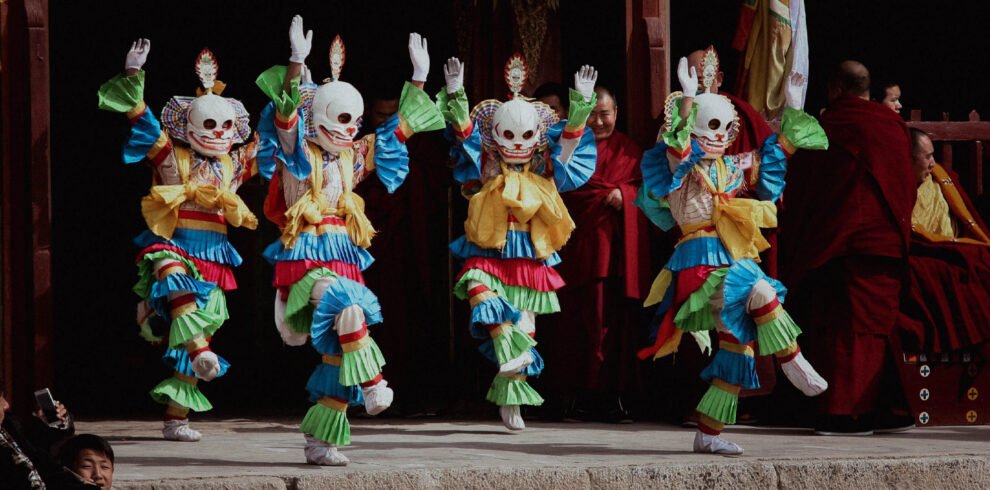
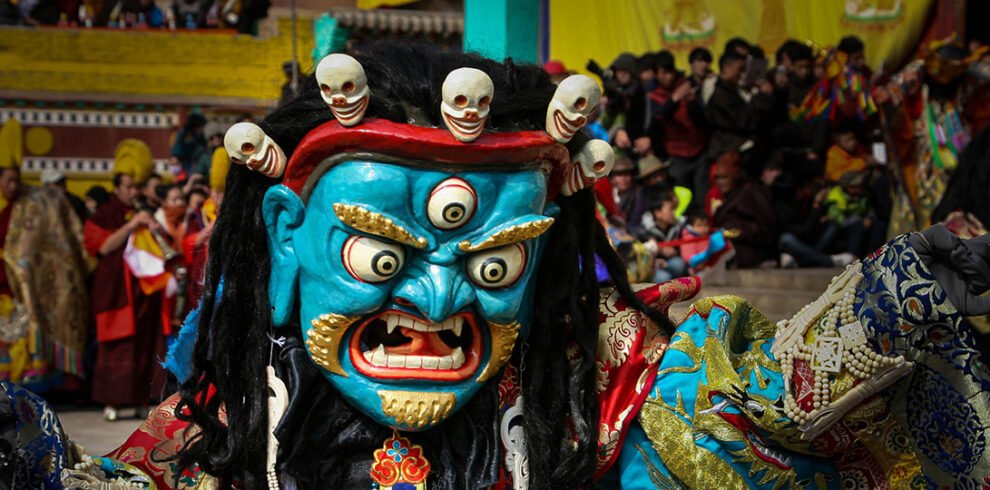
• Losar (Tibetan New Year) & Monlam Prayer Festival: Losar is the most important holiday, marked by family gatherings, elaborate feasts, and traditional dances. It is immediately followed by the Monlam Prayer Festival, particularly grand at Labrang Monastery, where thousands of monks and pilgrims participate in devotional rituals, dramatic Cham (masked dances), and the creation of intricate sand mandalas.

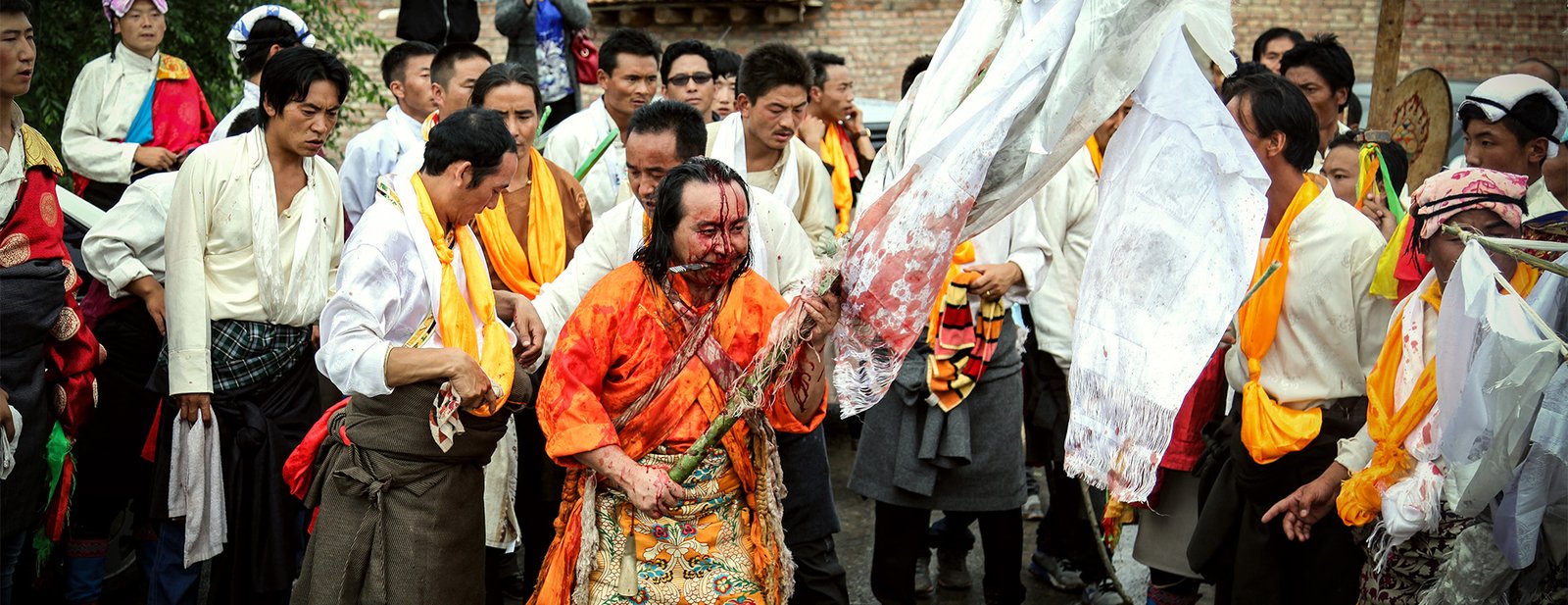
• Regong Shaman Festival (June Festival): Held in Tongren (Regong) around late July, this ancient folk festival is a mesmerising display of shamanic traditions. Participants engage in rituals like Shang Kou Qian (cheek piercing with pins) and sacred dances to pray for a good harvest and prosperity. The festival is also an excellent opportunity to witness the renowned Regong Arts, a UNESCO Intangible Cultural Heritage known for exquisite thangka paintings.

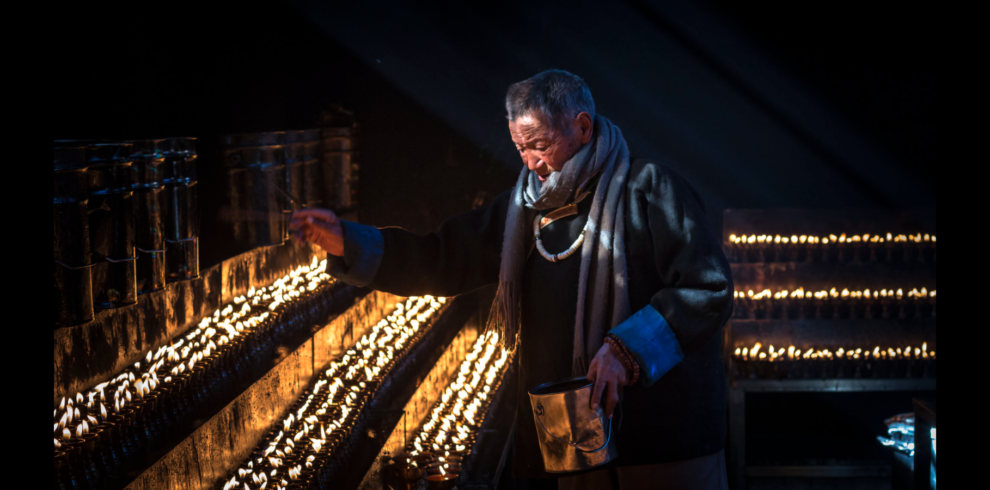
• Butter Lamp Festival: Taking place shortly after Losar, this festival commemorates Buddha’s miracles. Monasteries like Kumbum and Labrang become centres of activity, with monks creating intricate and colourful butter sculptures. The streets and temples are illuminated by thousands of butter lamps, creating a dazzling atmosphere.

Major Festivals in Kham

The Khampa people of Kham are famous for their horsemanship, vibrant costumes, and love for song and dance, all of which are celebrated in their dynamic festivals.

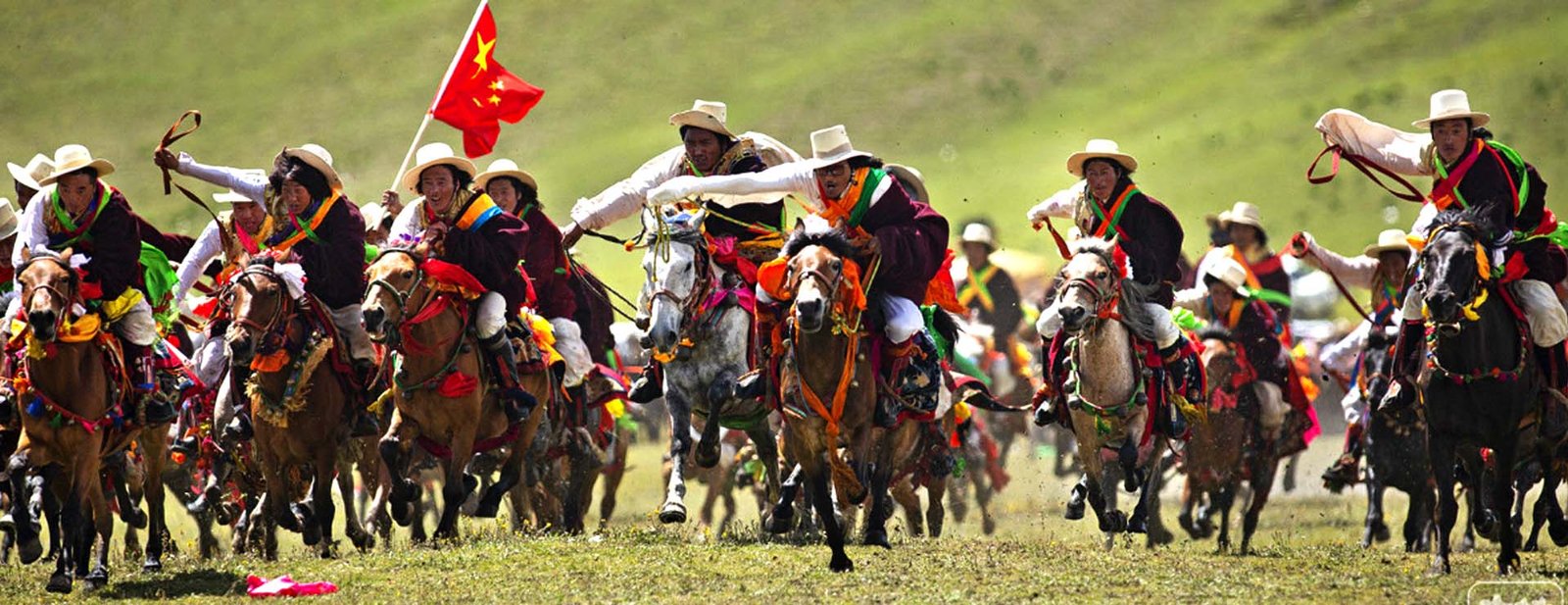
• Yushu (Jyekundo) Horse Racing Festival: This is the largest and most thrilling festival in the Kham region, typically held in late July. Located on beautiful alpine meadows, it transforms into a tent city where Khampas showcase their skills in horse racing, yak racing, archery, and Tibetan wrestling. The festival is also a fashion show of colourful traditional dress and a marathon of folk singing and dancing.

• Litang Horse Racing Festival: Another iconic event in the “Hometown of Horsemanship,” this festival in Litang County features exhilarating equestrian competitions, circle dances, and cultural shows. It is a vibrant celebration of nomadic culture and community spirit.

• Saga Dawa Festival: As one of the holiest periods in the Tibetan calendar, Saga Dawa (in May/June) commemorates the birth, enlightenment, and parinirvana of Buddha. While observed across Tibet, in Kham, it sees devout pilgrims engaging in prayers, charitable acts, and circumambulating sacred sites.

Experience the "China's Horse Racing Capital" on the Bends of the Yellow River Welcome to Maqu—the "First Bend of the Yellow River" and the undisputed...
Easy 1-20 People
Duration 6 Days
Availability:
  • Jan
  • Feb
  • Mar
  • Apr
  • May
  • Jun
  • Jul
  • Aug
  • Sep
  • Oct
  • Nov
  • Dec

Witness the Most Ancient and Mysterious Ritual on the Tibetan Plateau Welcome to Regong (Tongren)—the "Golden Valley" of Amdo Tibet and home to one of...
Easy 1-20 People
Duration 6 Days
Availability:
  • Jan
  • Feb
  • Mar
  • Apr
  • May
  • Jun
  • Jul
  • Aug
  • Sep
  • Oct
  • Nov
  • Dec
Witness the Holiest Month in Amdo: A Journey Through Living Buddhism, Sacred Art, and Ancient Rituals Welcome to the Monlam (Great Prayer) Festival—the most sacred...
Medium 1-20 People
Duration 13 Days
Availability:
  • Jan
  • Feb
  • Mar
  • Apr
  • May
  • Jun
  • Jul
  • Aug
  • Sep
  • Oct
  • Nov
  • Dec
Witness the Most Spectacular Religious Festival in the "Little Tibet" of Eastern Tibet Welcome to Aba (Ngawa)—a hidden gem nestled in the high plateaus of...
Easy 1-20 People
Duration 8 Days
Availability:
  • Jan
  • Feb
  • Mar
  • Apr
  • May
  • Jun
  • Jul
  • Aug
  • Sep
  • Oct
  • Nov
  • Dec

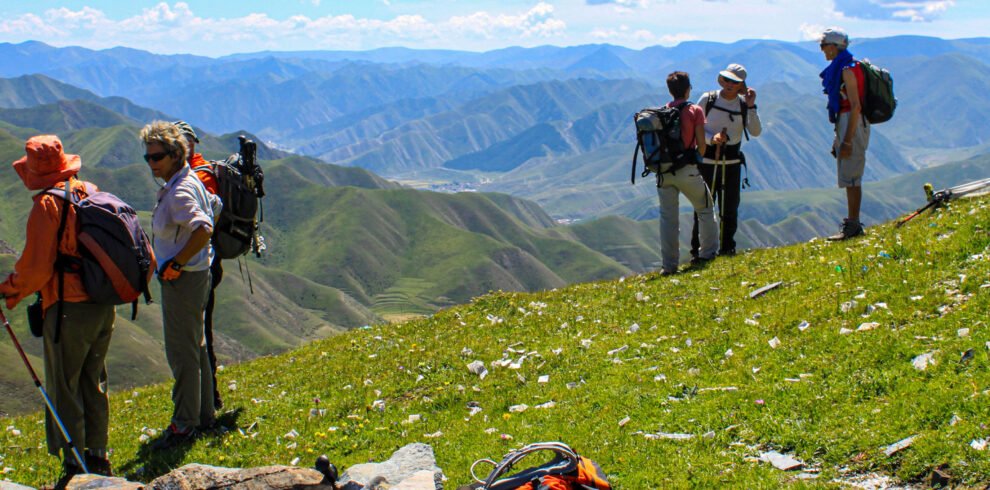
Hiking

Hiking around the spiritual place like Shachong Monastery, Kumbum monastery or Labrang Monastery

Discover the Spiritual Heart and Natural Wonders of Amdo Welcome to Xining, the capital of Qinghai Province and the historic gateway to the Amdo Tibetan...
Easy 1-20 People
Duration 3 Days
Availability:
  • Jan
  • Feb
  • Mar
  • Apr
  • May
  • Jun
  • Jul
  • Aug
  • Sep
  • Oct
  • Nov
  • Dec

Horse Riding

A horse riding tour in Langmusi offers a unique opportunity to explore the stunning highland landscapes of the Gannan Tibetan Autonomous Prefecture, often referred to as the “Little Switzerland of the East.” Here is a brief overview of what you can expect from this adventure.

What to Expect on a Horse Riding Tour

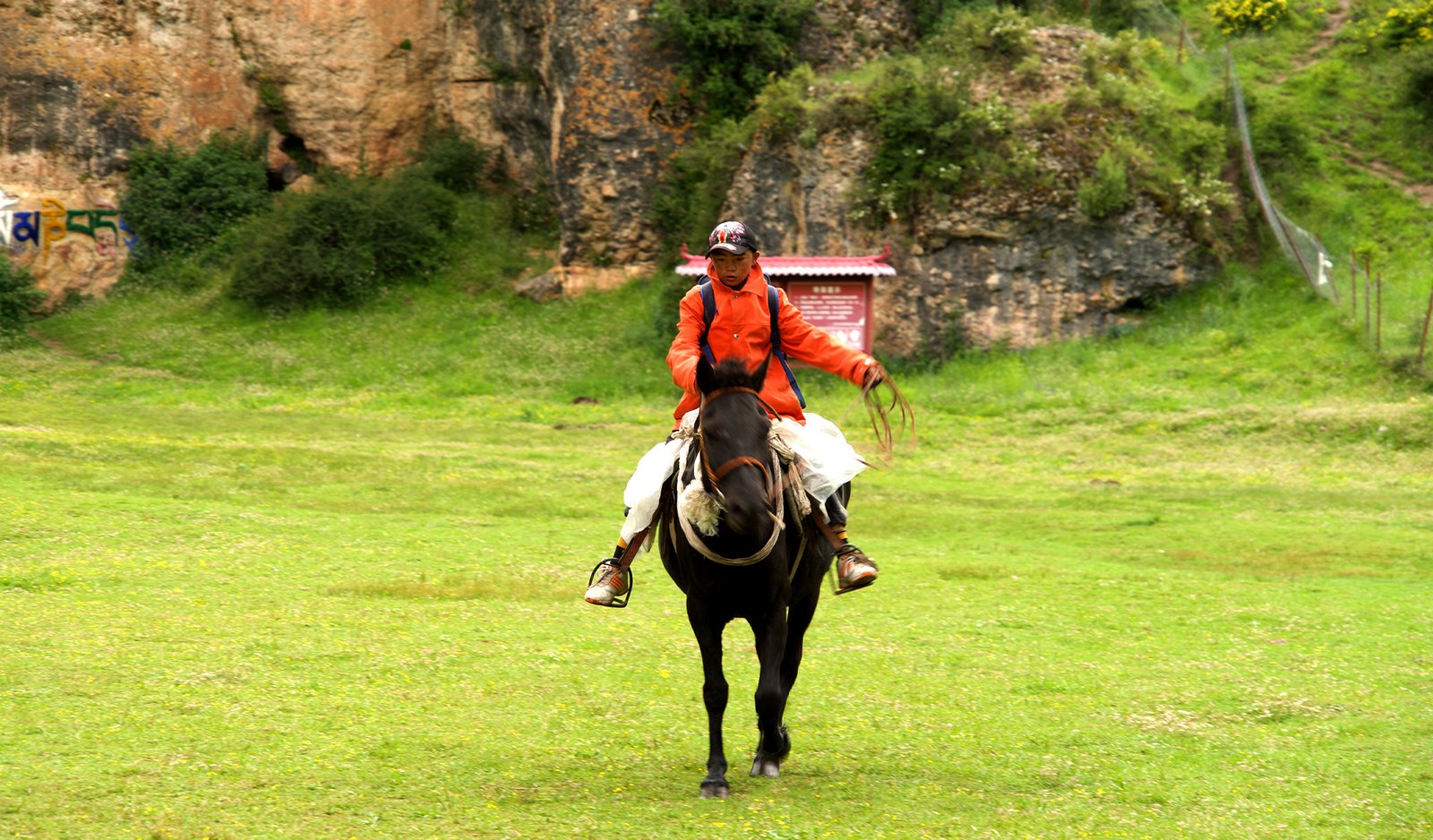
Horse riding is a premier way to experience the breathtaking scenery around Langmusi. Riders traverse through vast grasslands, ascend rolling hills, and follow the BaiLong River into its scenic gorge. A highlight for many is the journey to the source of the BaiLong River, a round-trip ride of approximately 4-5 hours. For a more immersive experience, multi-day treks allow you to stay overnight in traditional yak-hair tents with nomadic families, where you can participate in daily activities like milking yaks and herding.
Horse Riding Tour

Ride with Nomads into the Heart of Amdo Tibet Imagine yourself on horseback, traversing endless high-altitude grasslands where herds of yak roam freely, and the...
Medium 1-15 People
Duration 3 Days
Availability:
  • Jan
  • Feb
  • Mar
  • Apr
  • May
  • Jun
  • Jul
  • Aug
  • Sep
  • Oct
  • Nov
  • Dec

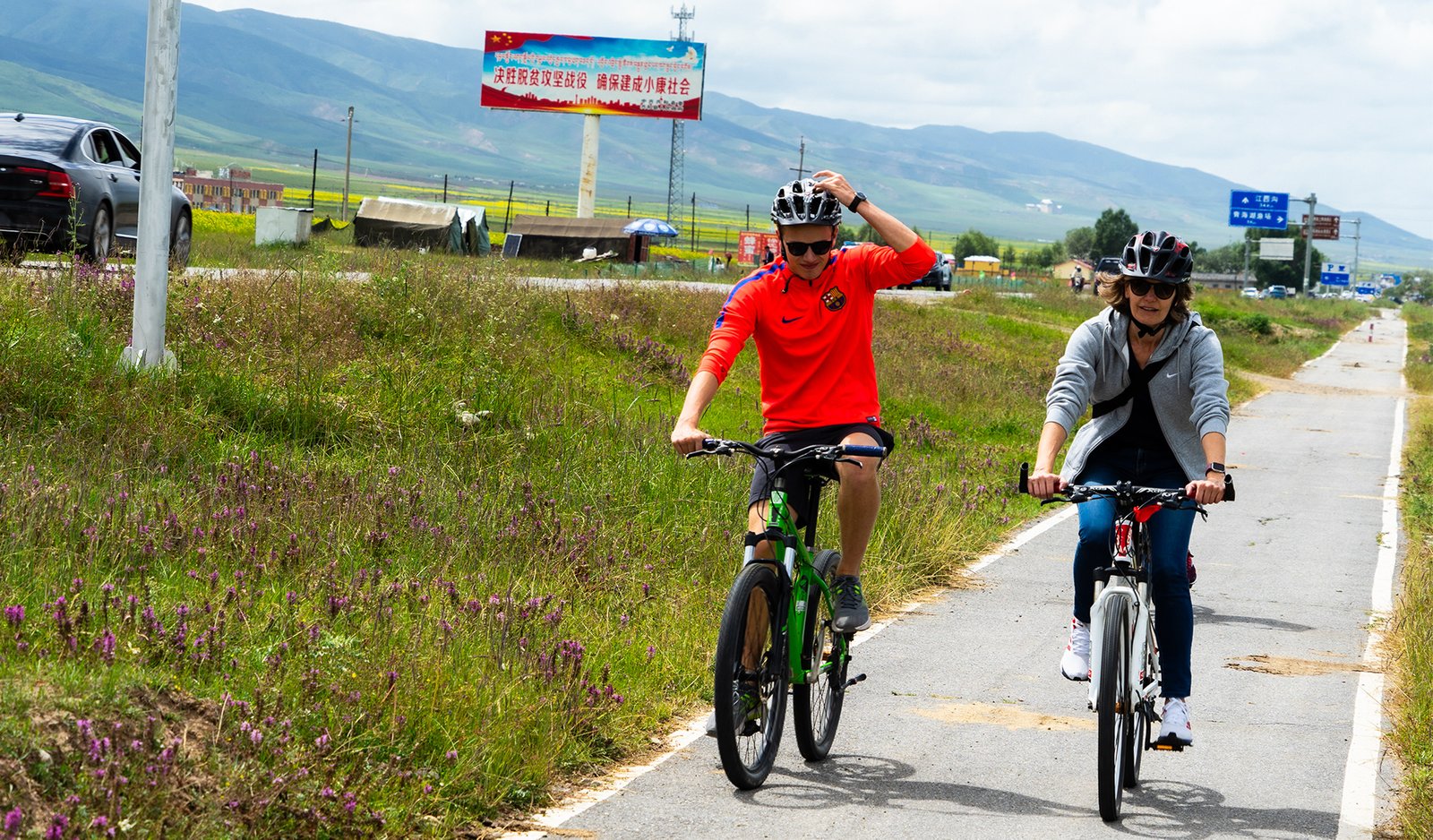
Qinghai Lake Cycling

Cycling around Qinghai Lake is a premier adventure that combines breathtaking natural scenery with a rewarding physical challenge. As the largest lake in China, situated at over 3,200 meters on the Tibetan Plateau, it offers an unforgettable experience for cycling enthusiasts from around the world.
Qinghai Lake Cycling

Qinghai Lake: The Blue Gem of the Tibetan Plateau Qinghai Lake, known as "Koko Nor" (Blue Lake) in Tibetan, is China's largest inland saltwater lake...
Medium 1-20 People
Duration 4 Days
Availability:
  • Jan
  • Feb
  • Mar
  • Apr
  • May
  • Jun
  • Jul
  • Aug
  • Sep
  • Oct
  • Nov
  • Dec

Trekking

Skiing can be a means of transport, a recreational activity or a competitive winter sport in which the participant uses skis to glide on snow. Many types of competitive skiing events are recognized by the International Olympic Committee (IOC), and the International Ski Federation (FIS).

Skiing has a history of almost five millennia. Although modern skiing has evolved from beginnings in Scandinavia, it may have been practiced more than 100 centuries ago in what is now China, according to an interpretation of ancient paintings.

The word “ski” is one of a handful of words Norway has exported to the international community. It comes from the Old Norse word “skíð” which means “split piece of wood or firewood”.

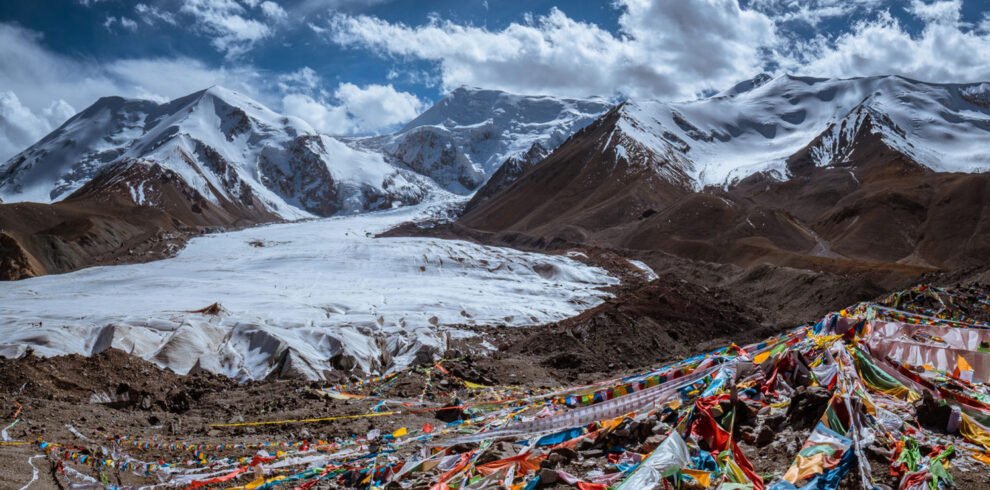
Headline: Mount Anemaqen: In the Footsteps of Gods — Pilgrimage to Tibet's Most Sacred Throne Travel Theme: Where Earth Meets Divinity — A Journey to...
Hard 1-15 People
Duration 5 Days
Availability:
  • Jan
  • Feb
  • Mar
  • Apr
  • May
  • Jun
  • Jul
  • Aug
  • Sep
  • Oct
  • Nov
  • Dec

Trekking to Tsongkha Mountain (八宝山, Babaoshan) near Xining City is a rewarding adventure that combines stunning high-altitude scenery with deep cultural significance. Here's an overview...
Hard 1-8 People
Duration 2 Days
Availability:
  • Jan
  • Feb
  • Mar
  • Apr
  • May
  • Jun
  • Jul
  • Aug
  • Sep
  • Oct
  • Nov
  • Dec
Rediscover the Historical Trekking Route from Labrang to Regong Duration: 6 Days | Distance: 95 km | Best Season: July to October | Difficulty: Moderate...
Hard 1-15 People
Duration 6 Days
Availability:
  • Jan
  • Feb
  • Mar
  • Apr
  • May
  • Jun
  • Jul
  • Aug
  • Sep
  • Oct
  • Nov
  • Dec

Other Trips

These are other trips.

Headline: Gansu-Qinghai Odyssey: Through Buddha's Realm and Plateau's Mirrored Waters Travel Theme: Where Divinity Meets Horizon — A Journey Through Sacred Art, Ancient Faith, and...
Easy 1-20 People
Duration 9 Days
Availability:
  • Jan
  • Feb
  • Mar
  • Apr
  • May
  • Jun
  • Jul
  • Aug
  • Sep
  • Oct
  • Nov
  • Dec
Headline: The Qinghai-Gansu Grand Loop: A 2,800-Kilometre Pilgrimage Through Heaven's Palette Travel Theme: Where Earth Meets Sky — A Symphony of Deserts, Lakes, and Millennia...
Duration 8 Days
Availability:
  • Jan
  • Feb
  • Mar
  • Apr
  • May
  • Jun
  • Jul
  • Aug
  • Sep
  • Oct
  • Nov
  • Dec
The Spiritual & Buddhism Journey: A Pilgrimage Through Gansu & Qinghai Embark on a profound 10-day pilgrimage through the heart of Tibetan Buddhism and ancient...
Easy 1-20 People
Duration 10 Days
Availability:
  • Jan
  • Feb
  • Mar
  • Apr
  • May
  • Jun
  • Jul
  • Aug
  • Sep
  • Oct
  • Nov
  • Dec

Journey Through the Living Traditions of Northeastern Tibet Welcome to Amdo—the northeastern jewel of the Tibetan Plateau and a region where Tibetan Buddhist culture has...
Easy 1-80 People
Duration 8 Days
Availability:
  • Jan
  • Feb
  • Mar
  • Apr
  • May
  • Jun
  • Jul
  • Aug
  • Sep
  • Oct
  • Nov
  • Dec

Travel Theme: A Tapestry of Faith, Nature, and Vibrant Culture Tagline: Where the blue sky meets the prayer flag, and every colour tells a story....
Easy 1-20 People
Duration 6 Days
Availability:
  • Jan
  • Feb
  • Mar
  • Apr
  • May
  • Jun
  • Jul
  • Aug
  • Sep
  • Oct
  • Nov
  • Dec
Headline: The Four-Province Tibetan Highlands Pilgrimage: A 20-Day Journey of Dual Purification Through Qinghai, Gansu, Sichuan, and Yunnan Travel Theme: Where the Sky Meets the...
Duration 10 Days
Availability:
  • Jan
  • Feb
  • Mar
  • Apr
  • May
  • Jun
  • Jul
  • Aug
  • Sep
  • Oct
  • Nov
  • Dec

Jiuzhaigou Valley: A Journey Through China's Fairy-tale World of Rainbows and Water Travel Theme: Where Waters Paint Rainbows — A Pilgrimage to the "Garden of...
Easy 1-20 People
Duration 7 Days
Availability:
  • Jan
  • Feb
  • Mar
  • Apr
  • May
  • Jun
  • Jul
  • Aug
  • Sep
  • Oct
  • Nov
  • Dec
Headline: Amdo Nomadic Life: Live Among the Last Herders of the Tibetan Plateau Travel Theme: Where the Yaks Roam and the Sky Has No Ceiling...
Medium 1-20 People
Duration 8 Days
Availability:
  • Jan
  • Feb
  • Mar
  • Apr
  • May
  • Jun
  • Jul
  • Aug
  • Sep
  • Oct
  • Nov
  • Dec
A Pilgrimage to the Heart of the Dharma: Walking the Path of Enlightenment on the Roof of the World Welcome to Tibet—a land where the...
Easy 1-20 People
Duration 12 Days
Availability:
  • Jan
  • Feb
  • Mar
  • Apr
  • May
  • Jun
  • Jul
  • Aug
  • Sep
  • Oct
  • Nov
  • Dec
Load More Trips