 Highlights & Characteristics of Amdo
- Stunning Natural Landscapes
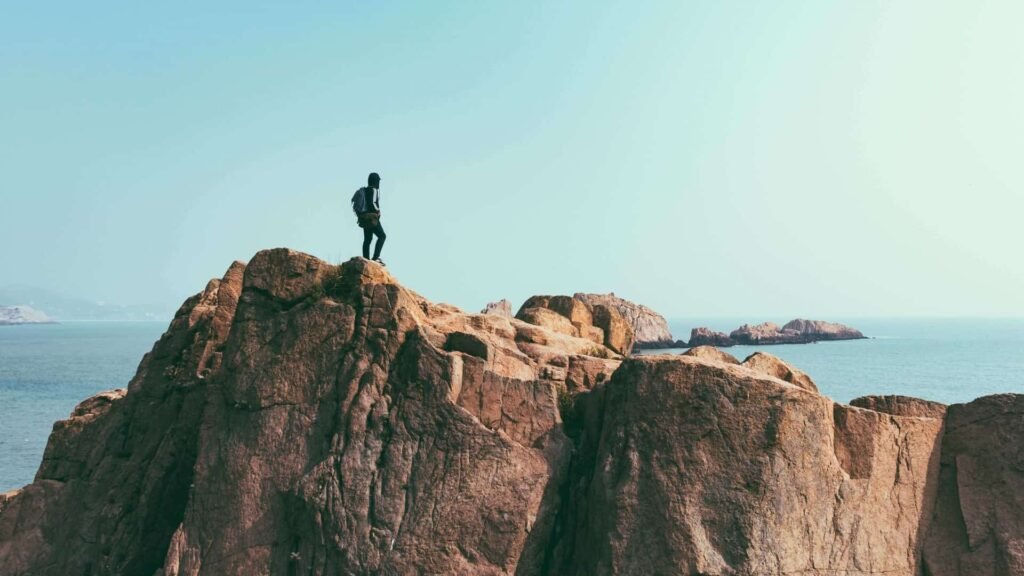
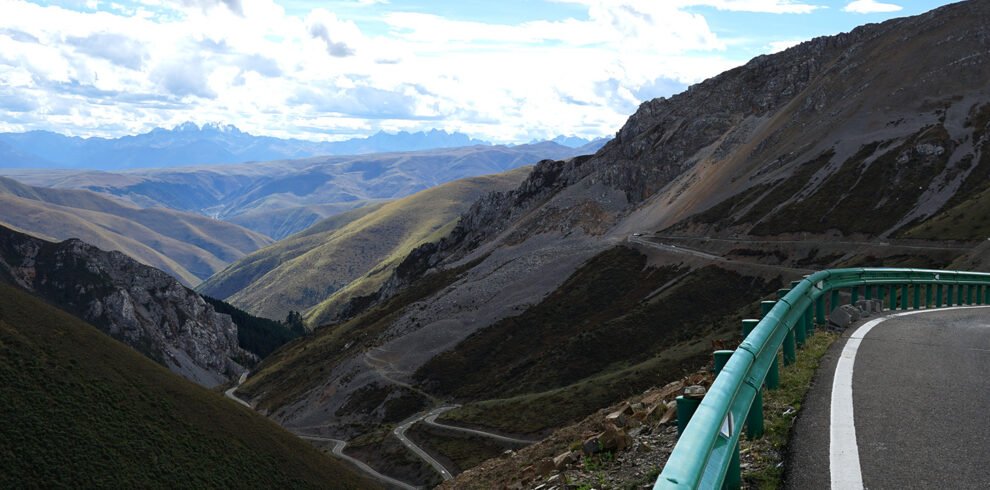
Amdo boasts some of the most diverse and picturesque scenery on the Tibetan Plateau. Highlights include:
- Grasslands and Wetlands: The region is part of the Yellow River source area, featuring expansive grasslands like those in Hongyuan and Zoigê (Ruo’ergai), which are among the largest alpine wetlands in the world.
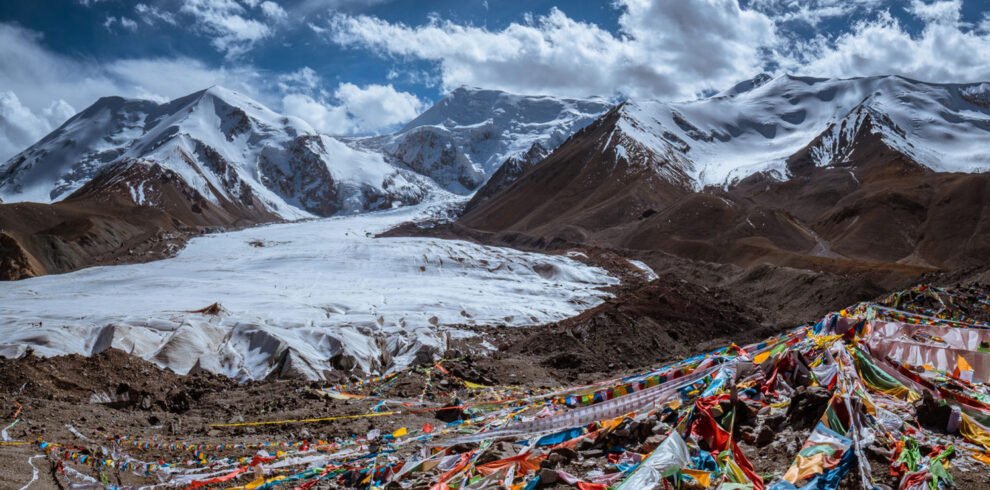
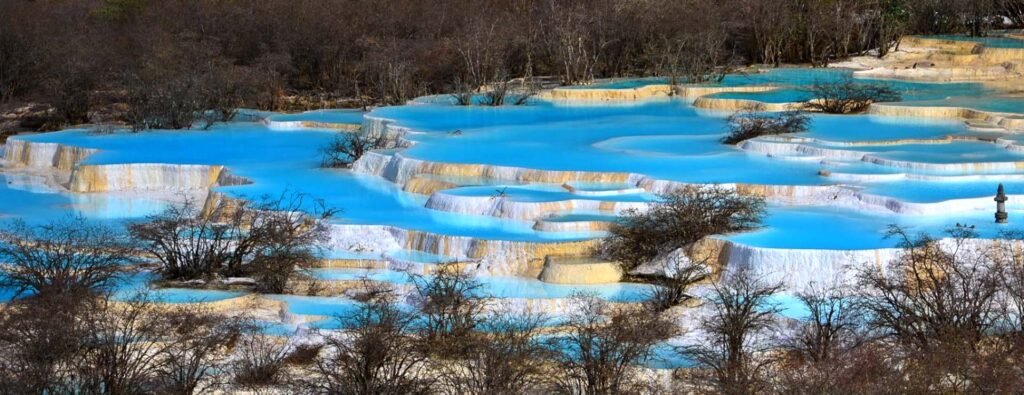
- Sacred Lakes and Mountains: Amdo is dotted with pristine lakes, such as those in Jiuzhaigou (a UNESCO World Heritage site), and sacred peaks like Mount Amnye Machen, which are integral to local pilgrimage practices.
- Biodiversity: As a key part of the “Chinese川西-滇北 biodiversity hotspot,” Amdo shelters rare species like the snow leopard, Tibetan antelope, and black-necked crane.
2. Rich Cultural Heritage
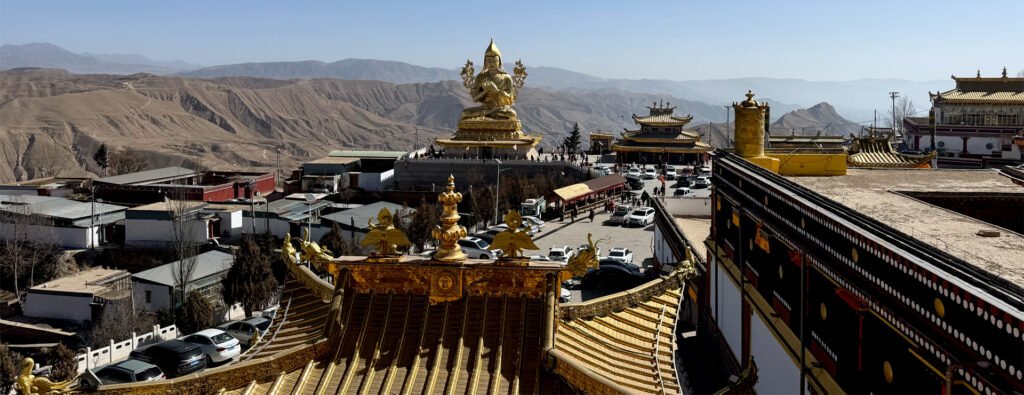
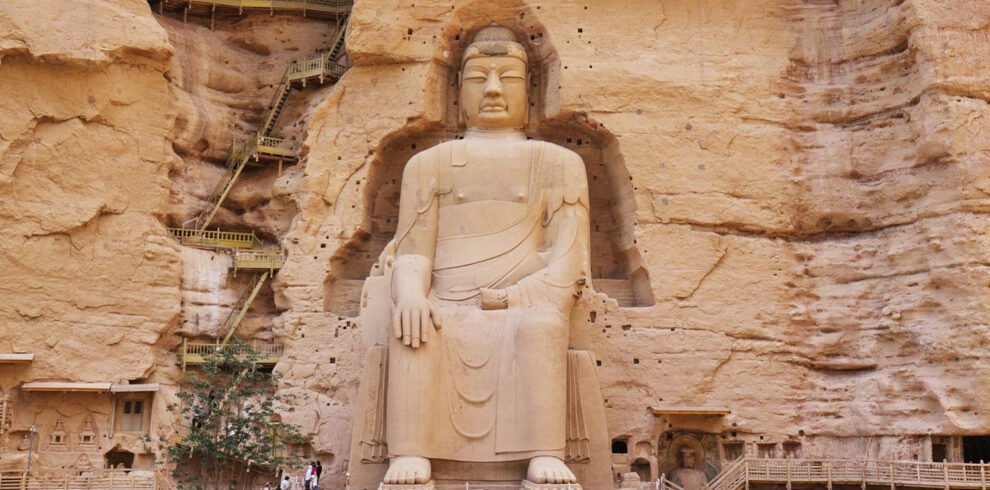
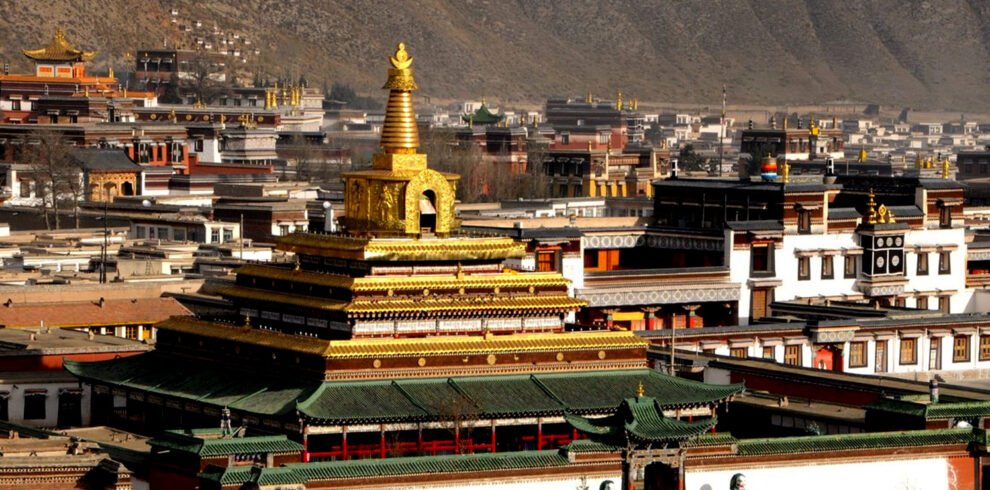
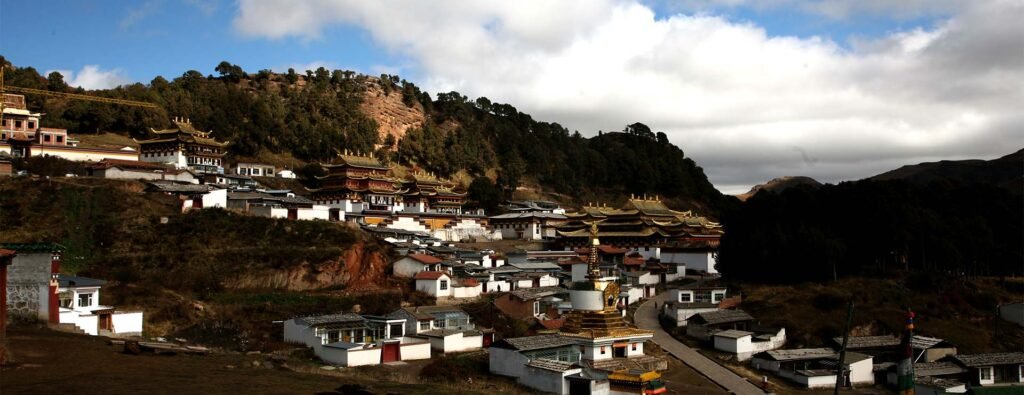
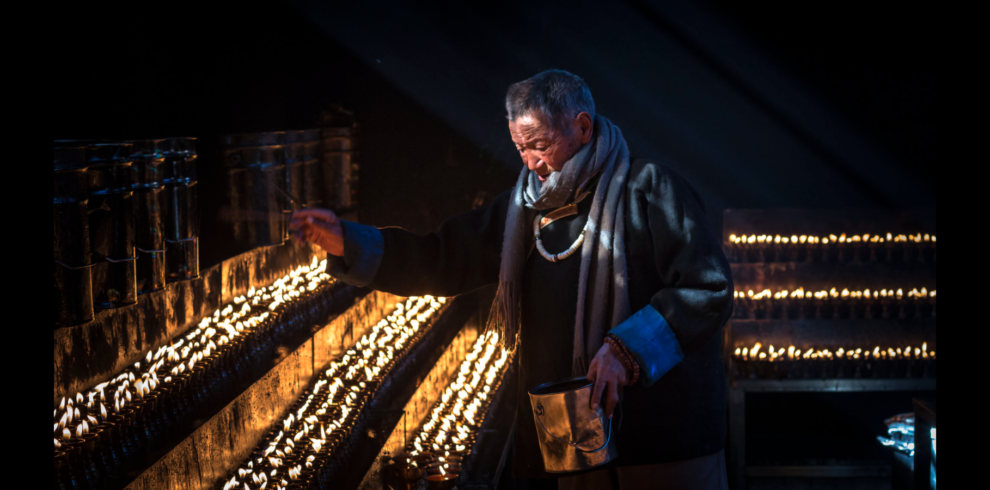
- Tibetan Buddhist Monasteries: Amdo is a cradle of Tibetan Buddhism, housing historic monasteries such as Achen Namdzung Monastery. This site is regarded as a pure land of Dzogchen (Great Perfection) teachings and played a critical role in the second dissemination of Buddhism in Tibet.
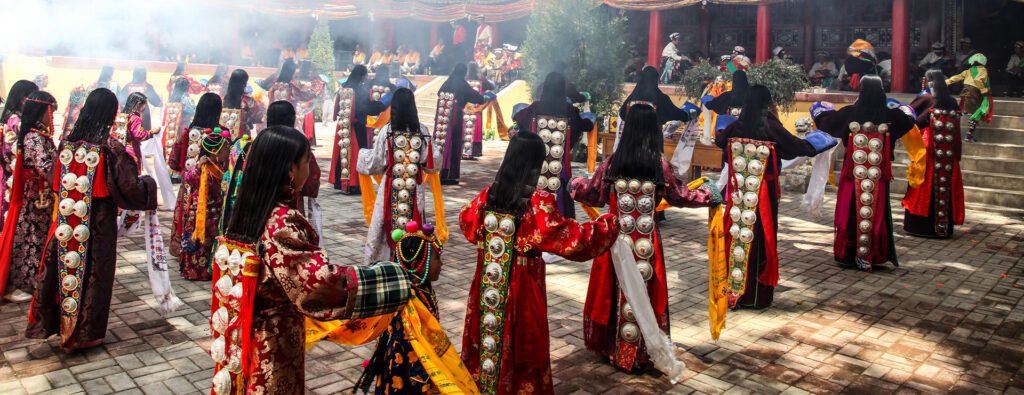
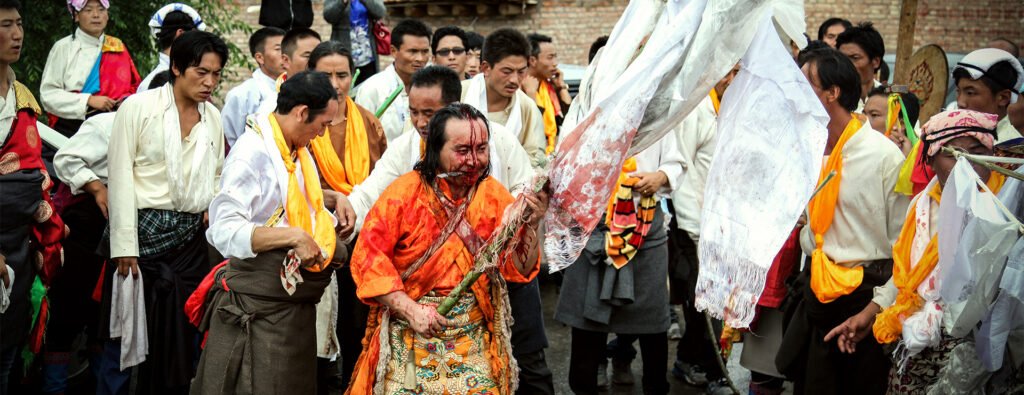
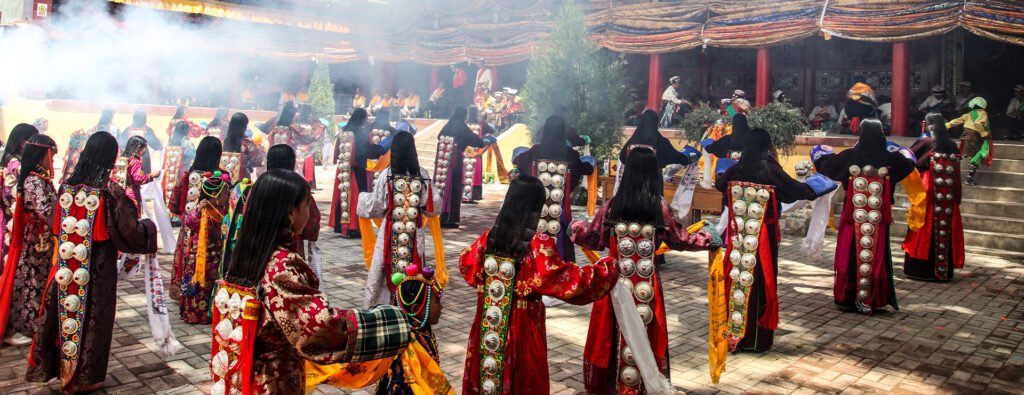
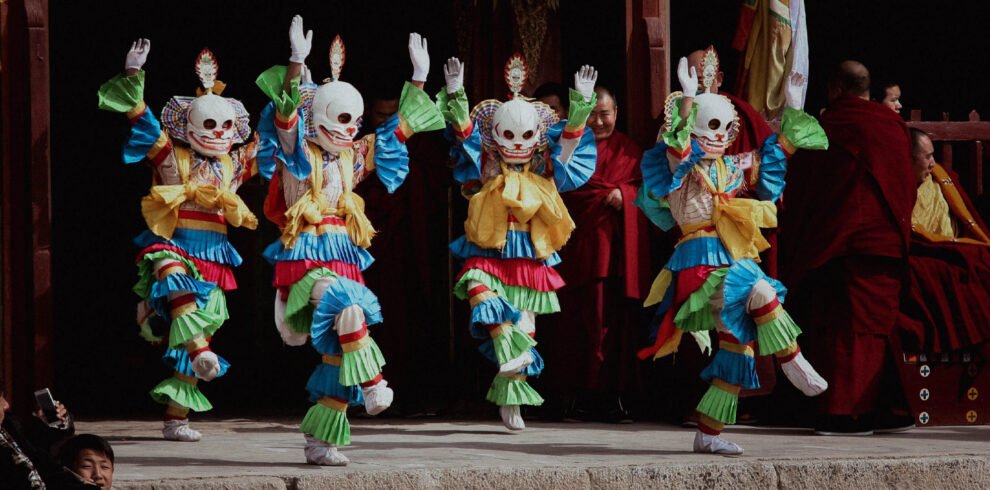
- Indigenous Traditions: The region preserves unique aspects of Amdo Tibetan culture, including traditional tribal lifestyles, Tibetan tent-making, prayer wheels, and religious artifacts.
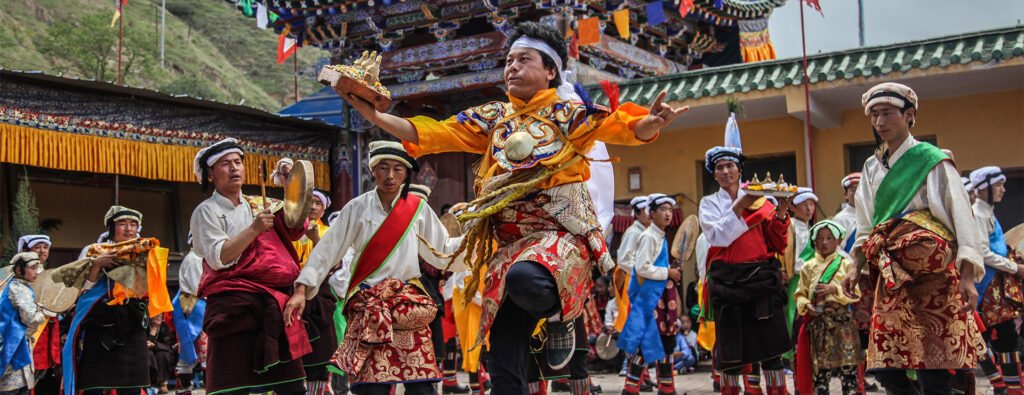
- Festivals and Practices: Travelers can witness vibrant festivals like Losar (Tibetan New Year), which involves community gatherings, prayers, and cultural performances.
- Authentic Agropastoral Life
Amdo offers a glimpse into the lives of Tibetan nomads and farmers. Visitors can experience:
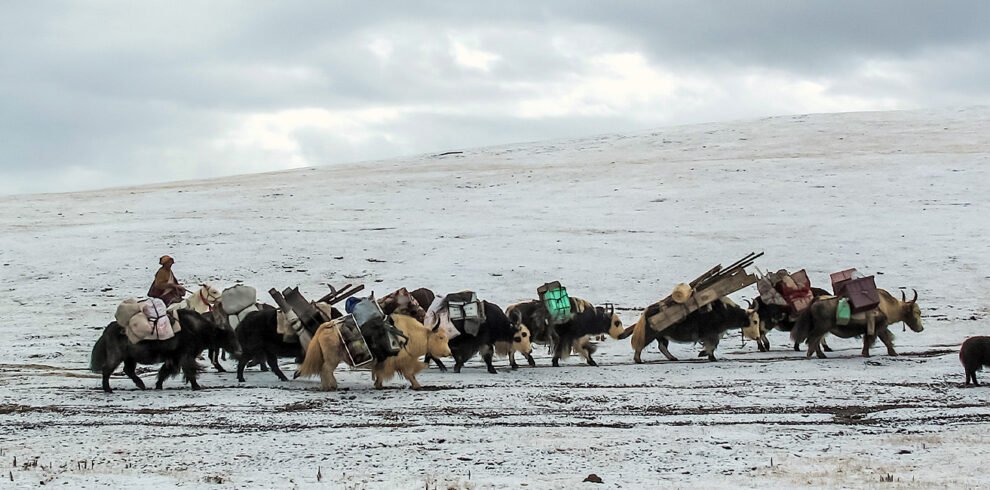
- Yak Herding: The grasslands support pastoral communities whose livelihoods revolve around yak and sheep herding.
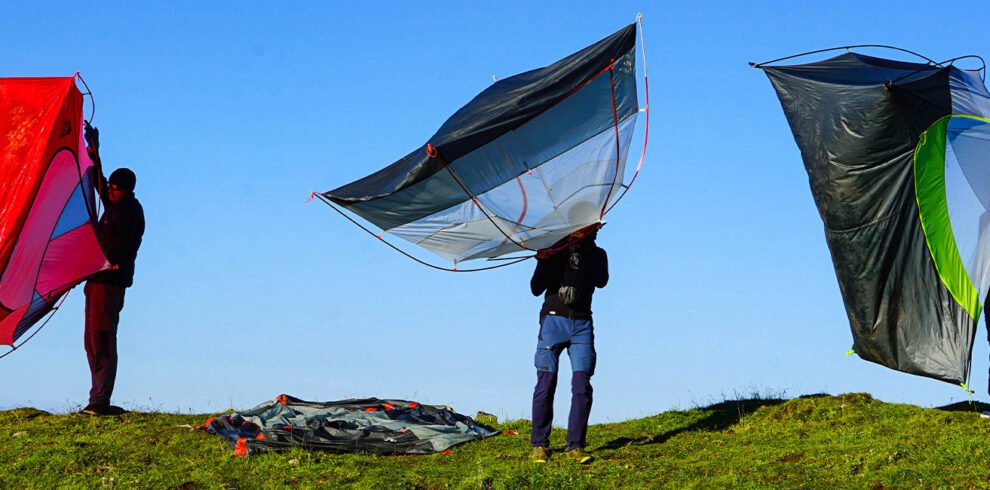
- Local Crafts: The region is known for handicrafts like handmade textiles, silver ornaments, and traditional Tibetan tents made from yak hair.
- Adventure and Eco-Tourism
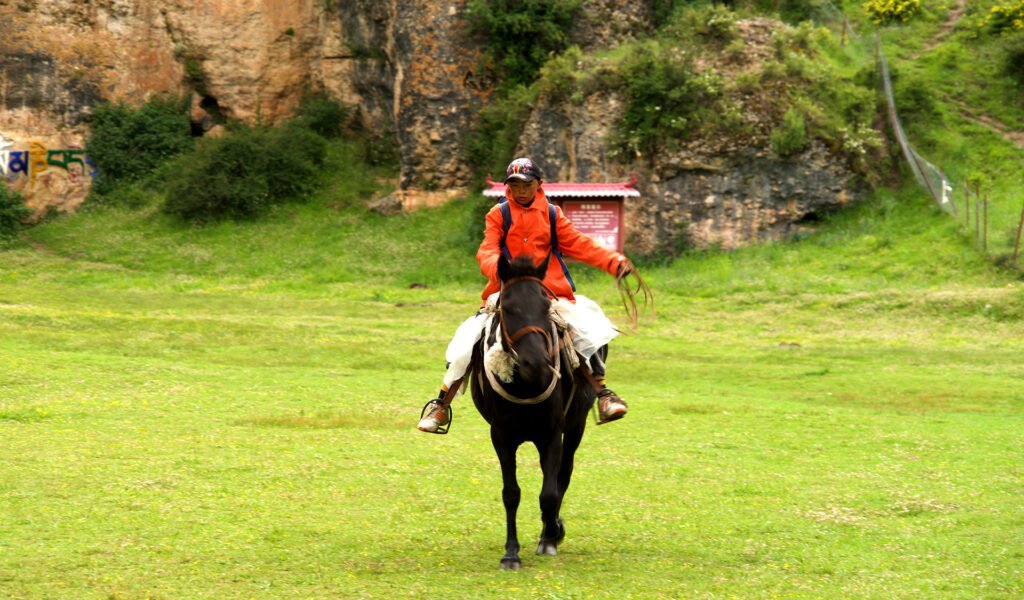
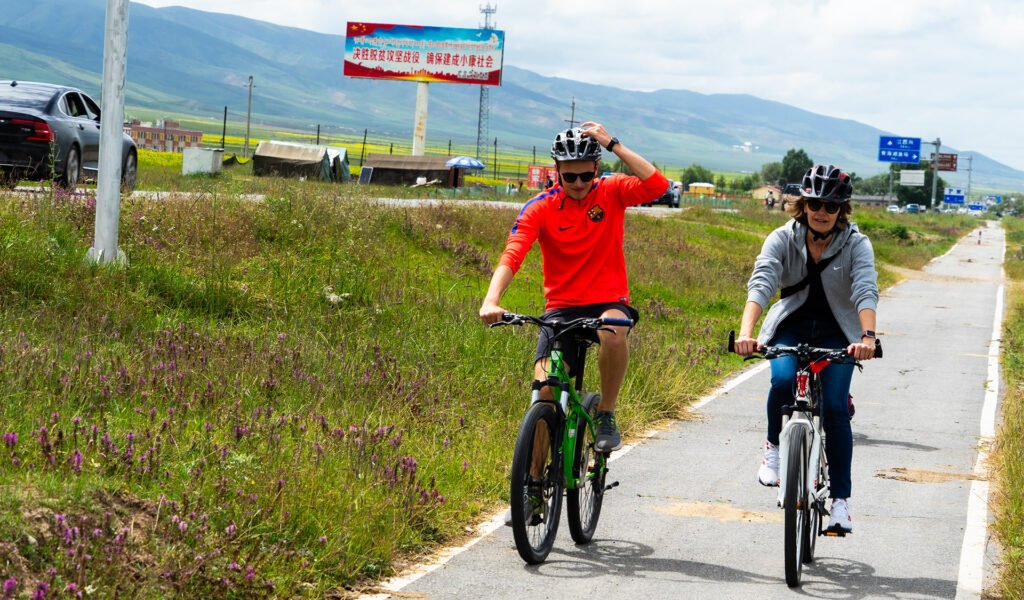
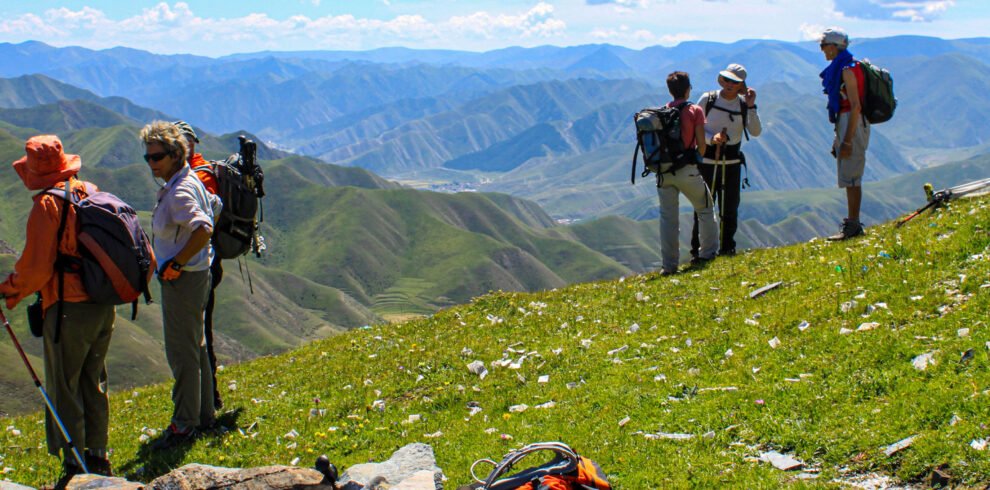
With its dramatic terrain, Amdo is ideal for hiking, horseback riding, and wildlife watching. Key destinations include:
- Jiuzhaigou Valley and Huanglong Scenic Area, renowned for colorful travertine lakes and waterfalls.
- The Qinghai-Tibet Railway, which passes through Amdo, offering breathtaking views of the plateau.
- Accessible Yet Untouched
While parts of Amdo are well-connected by road and rail, many areas remain remote and less frequented by tourists, providing an off-the-beaten-path experience. The region’s infrastructure continues to develop, with growing options for homestays and guided tours.
 Travel Tips
- Best Time to Visit: May to September, when grasslands are green and temperatures are mild.
- Local Delicacies: Try yak yogurt, butter tea, and tsampa (roasted barley flour).
- Cultural Etiquette: Always circle stupas and prayer wheels clockwise, and ask permission before photographing people or religious sites.
Amdo invites travelers to explore its sacred landscapes, vibrant culture, and timeless traditions—a truly enriching journey into the heart of Tibetan life.
The Amdo Region offers a captivating journey into Tibetan culture with its profound monastic traditions and stunning natural landscapes.
As one of the three traditional provinces of Tibet, it covers a large area of the northeastern part of the Tibetan Plateau.
Feature Description of the Amdo Region
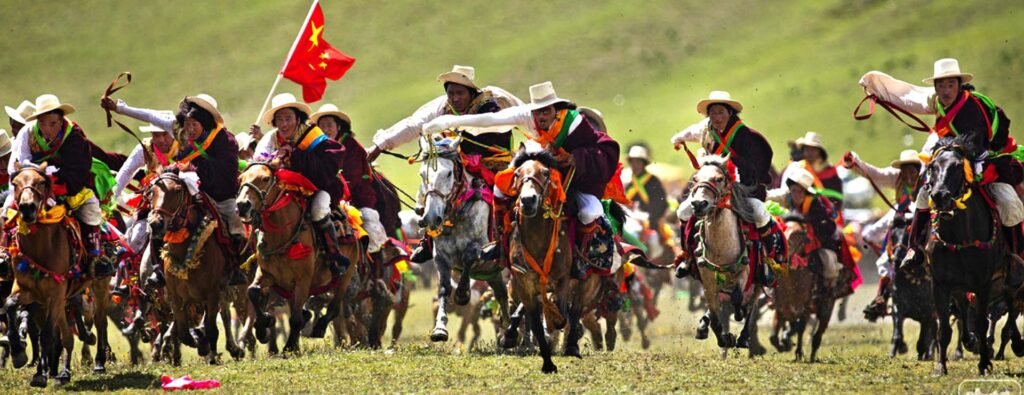
Cultural Identity: One of the three traditional Tibetan regions, historically known as the “Amdo Horse Region” for its nomadic and horse culture.
Geographic Scope: Primarily located in Qinghai Province, and includes parts of Gansu and Sichuan provinces.
Key Attractions: Tibetan Buddhist monasteries, nomadic grasslands, and dramatic plateau scenery, including the Kunlun Mountains and Kekexili Nature Reserve.
Travel Requirement: Only a standard Chinese Tourist Visa is required, with no additional Tibet Travel Permit needed.
Best Time to Visit: May to October, with the warmest and most pleasant weather from June to September.
Key Attractions and Experiences
The richness of an Amdo tour lies in its combination of deep cultural immersion and breathtaking scenery.
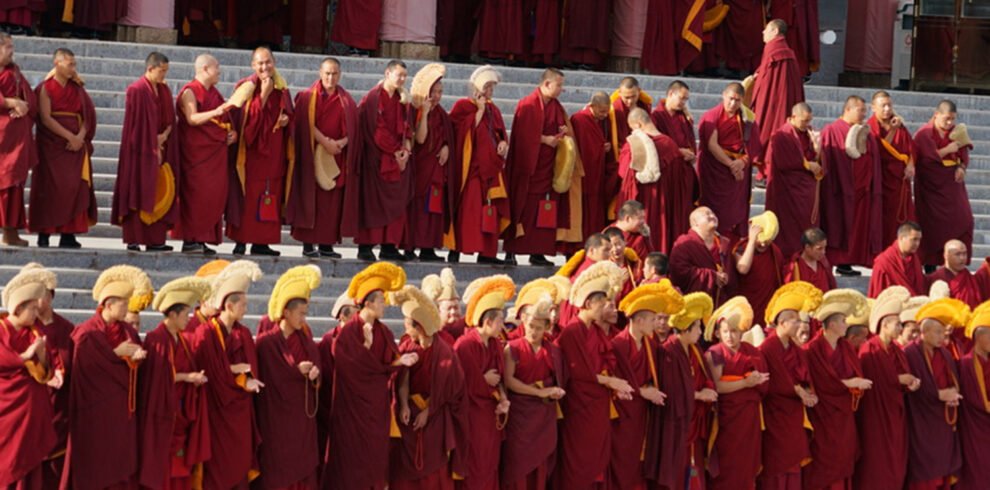
- Tibetan Monasteries: Amdo is renowned for its many important monasteries. You can visit Kumbum Monastery near Xining, Labrang Monastery near Lanzhou, and the Kirti Monasteries in Ngawa Prefecture. These are active centres of learning and offer a chance to witness Tibetan Buddhist practices.
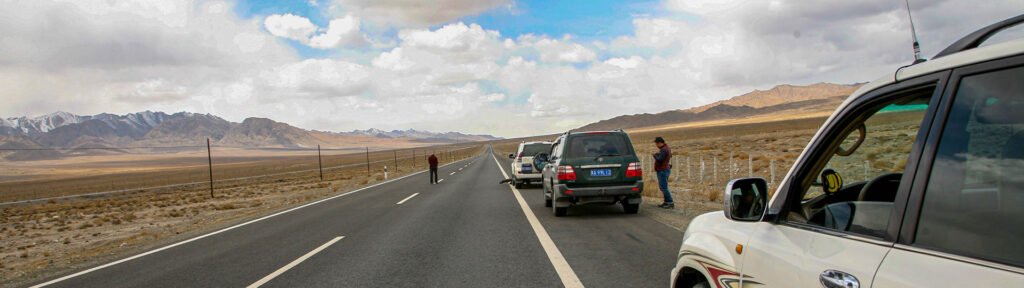
- Stunning Landscapes: The region sits on the northeastern edge of the Qinghai-Tibet Plateau. The journey presents awe-inspiring views, from the towering Kunlun Mountains to the vast, untouched grasslands of the Kekexili Nature Reserve.
- Nomadic Culture: The grasslands of Amdo are home to Tibetan nomads. You can catch a glimpse of their unique lifestyle, watching them herd yaks and living in traditional yak-hair tents that dot the summer pastures.
 Planning Your Trip
- Required Documents: Unlike travel to the Tibet Autonomous Region (TAR), touring the Amdo areas of Qinghai Province only requires a standard Chinese Tourist Visa. This makes it a more accessible option for experiencing Tibetan culture.
- Best Time to Visit: The ideal time is from May to October. The summer months, from June to September, are particularly pleasant with cooler temperatures, earning the region the nickname “Summer Vacation Capital” of China.
- Altitude Considerations: As part of the Tibetan Plateau, some areas in Amdo are at high altitude. It’s important to ascend gradually, avoid strenuous activity upon arrival, and ensure you rest adequately to acclimatize.
The Amdo Region provides a deeply authentic and logistically simpler way to connect with Tibetan culture. If you have a specific interest, such as photography, trekking, or a particular monastery, feel free to ask for more detailed suggestions.