Tibetan art and culture, while deeply unified by Tibetan Buddhism, showcase fascinating regional diversity across the Tibetan Plateau. The three traditional provinces—Ü-Tsang (often corresponding to the Tibet Autonomous Region, TAR), Kham, and Amdo—each offer travellers unique artistic expressions and cultural experiences.
Ü-Tsang (Tibet Autonomous Region – TAR): The Classical Heartland
Ü-Tsang, home to the capital Lhasa, is the spiritual and political centre of Tibetan culture. This region is characterised by its monumental architecture and classical artistic styles.
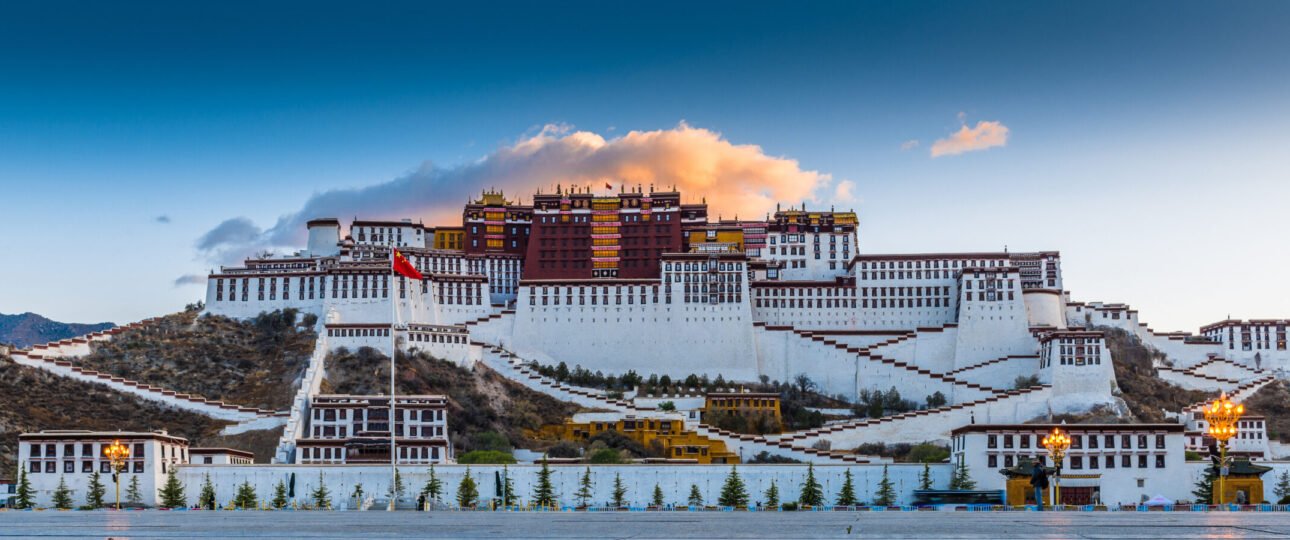
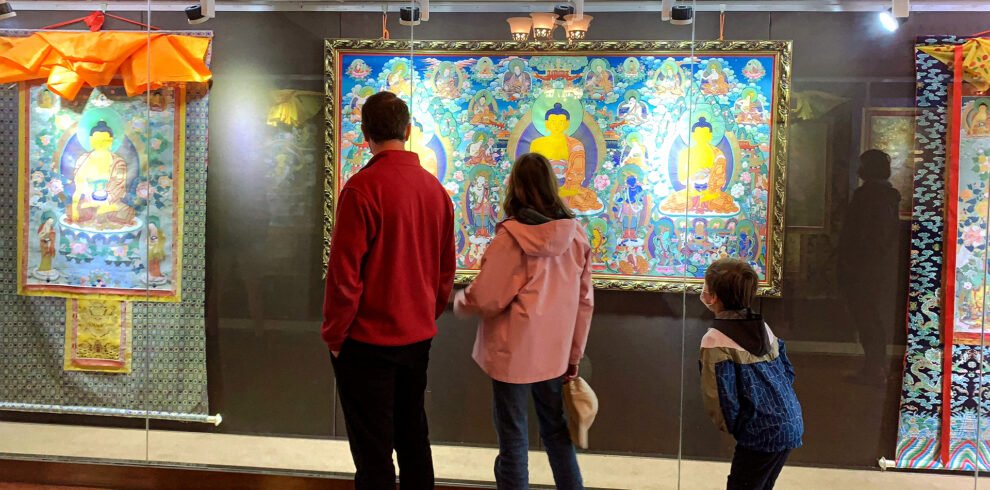
- Art & Architecture: The iconic Potala Palace in Lhasa, a UNESCO World Heritage site, exemplifies Ü-Tsang’s grand architecture, with its imposing structure blending administrative and religious functions. The art here is often considered the most traditional, with thangka paintings following strict iconometric principles and serving as essential tools for teaching and meditation. The Jokhang Temple, another sacred site, is adorned with ancient murals depicting Tibetan history and Buddhist teachings.
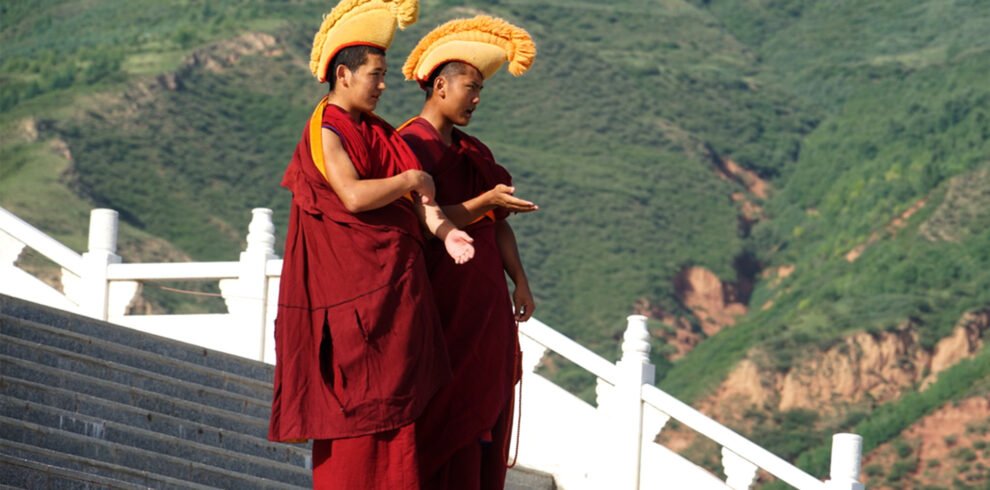
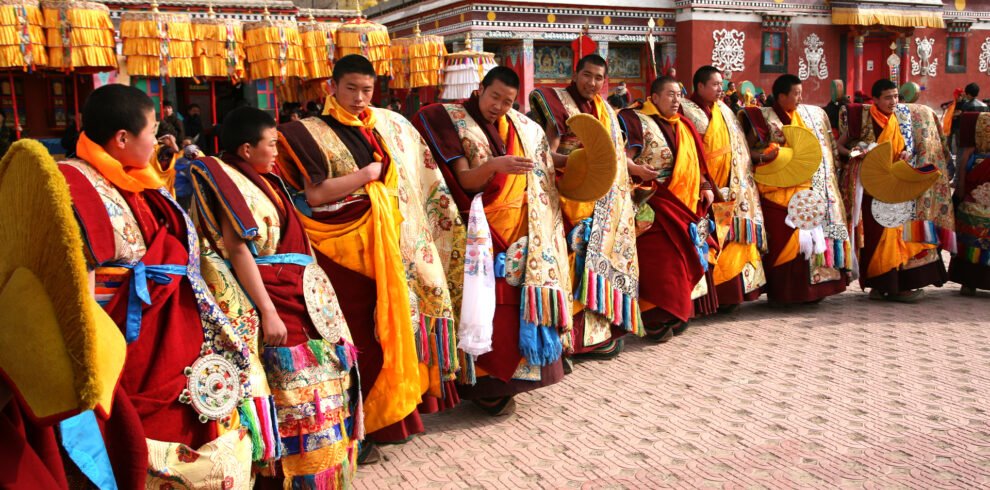
- Cultural Experience: Travelers can immerse themselves in the profound spirituality of Ü-Tsang by joining pilgrims circumambulating the Barkhor Street around Jokhang Temple or witnessing monks engage in philosophical debates at monasteries like Sera. The region is also known for its vibrant festivals, such as the Shoton (Yogurt) Festival, which features the unveiling of giant thangkas.
Kham (Eastern Tibet): The Wild and Independent Spirit
Kham, encompassing parts of western Sichuan, northern Yunnan, and eastern TAR, is known for its rugged landscapes and the fiercely independent Khampa people. The culture here is vibrant, robust, and closely tied to nomadic traditions.
- Art & Culture: Khampa culture is distinguished by its strong horse-riding traditions, colourful attire featuring fur-lined chubas(traditional robes), and ornate jewellery. The region’s artistic style is influenced by its proximity to other ethnic groups, resulting in more fluid and expressive forms. Significant religious sites include the Derge Parkhang, a printing monastery housing thousands of sacred scripture woodblocks, and the Litang Monastery, known for its impressive golden roofs.
- Cultural Experience: A visit to Kham is an adventure. Travellers can experience the thrilling Litang Horse Racing Festival, stay with nomadic families on vast grasslands, and trek through pristine valleys. The towns of Kangding and Litang offer a blend of Tibetan and Chinese influences, reflecting Kham’s role as a historical crossroads.
Amdo (Northeastern Tibet): The Artistic Sanctuary
Amdo, covering parts of Qinghai, Gansu, and Sichuan, is celebrated for its rich artistic heritage and scholarly traditions. The landscape features high grasslands and is the source of major rivers like the Yellow River and the Yangtze.
- Art & Architecture: Amdo is the heartland of Rebgong art, a style of thangka painting known for its exquisite detail, vibrant colours, and incorporation of influences from Han Chinese culture. The Tar Monastery in Qinghai is famous for its breathtaking butter sculptures, intricate creations made from dyed yak butter that require immense skill and are displayed during religious ceremonies. Architecture in Amdo often shows a harmonious blend of Tibetan and Han styles, as seen in the Longwu Monastery.
- Cultural Experience: Visitors to Amdo can observe artists at work in villages like Wutun, where painting is a household tradition. They can participate in the Maitreya Buddha circumambulation ceremony during the Lunar New Year or savour the region’s unique culinary offerings, such as sweet butter tea. The atmosphere in Amdo’s monasteries is often deeply integrated with daily community life.
Travel Tips for Cultural Appreciation
- Etiquette: When visiting monasteries, remember to dress modestly, remove hats before entering halls, and avoid pointing at Buddha statues. Always walk around sacred sites in a clockwise direction.
- Festivals: Plan your visit around major festivals like Losar (Tibetan New Year) or regional events to experience Tibetan culture at its most vibrant.
- Cuisine: Don’t miss trying local staples like tsampa(roasted barley flour), yak butter tea, and momos(Tibetan dumplings), which are adapted to the high-altitude environment.
In summary, exploring Tibetan culture through these three regions offers a journey from the classical spirituality of Ü-Tsang, through the rugged independence of Kham, to the artistic brilliance of Amdo, each providing a unique and profound window into the heart of the Himalayas.
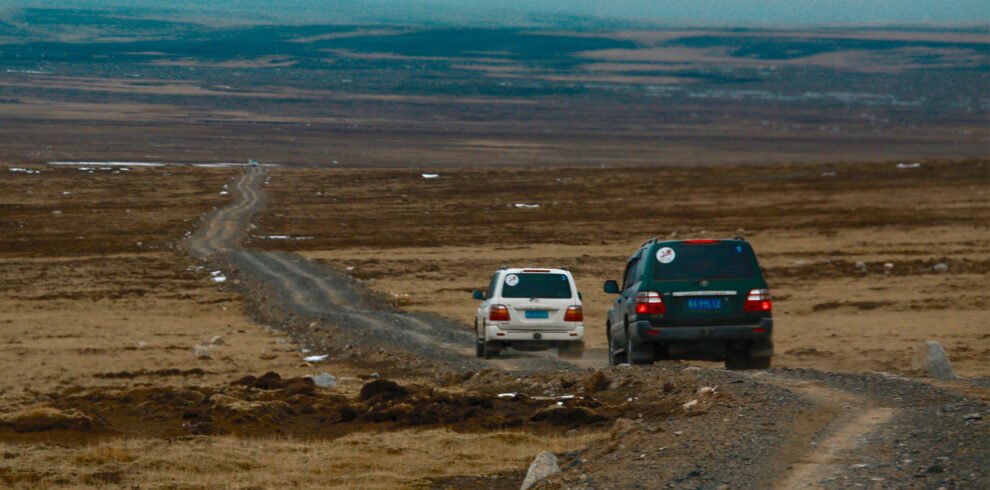
Overland Expeditions (7 Trips)
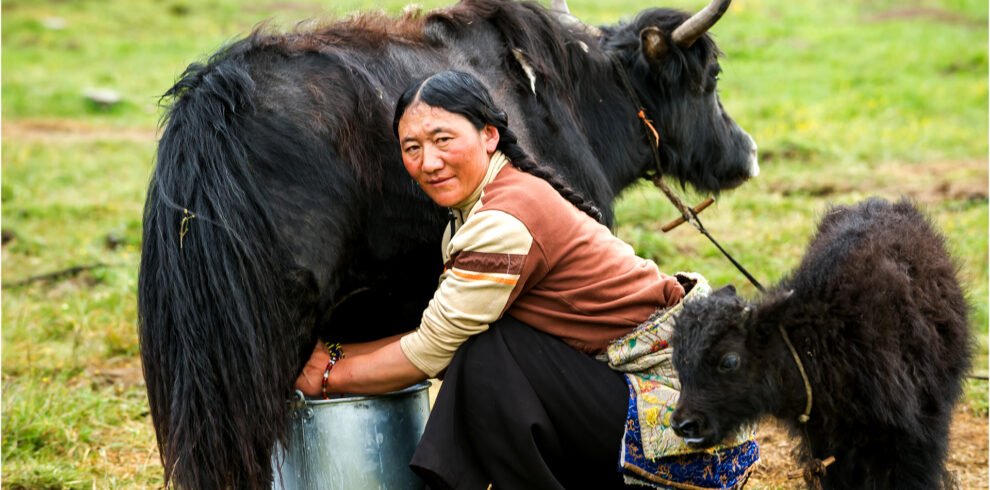
Nomadic Life Experience (2 Trips)
Art & Culture (12 Trips)
Festivals & Events (9 Trips)
Trekking & Outdoor (5 Trips)
Wellness & Retreats (1 Trip)
Heritage & History (7 Trips)
Day-Trips (2 Trips)
Wildlife & Nature (5 Trips)