Festivals
Tibet’s cultural tapestry is richly woven with festivals that blend religious devotion, natural reverence, and communal joy. For travellers, these events offer an unforgettable glimpse into the region’s spiritual and social life. Below, we explore iconic festivals from three key destinations—Lhasa, Shigatse, and Nyingchi—each with its own unique traditions and timing.
Lhasa: The Heart of Tibetan Celebrations
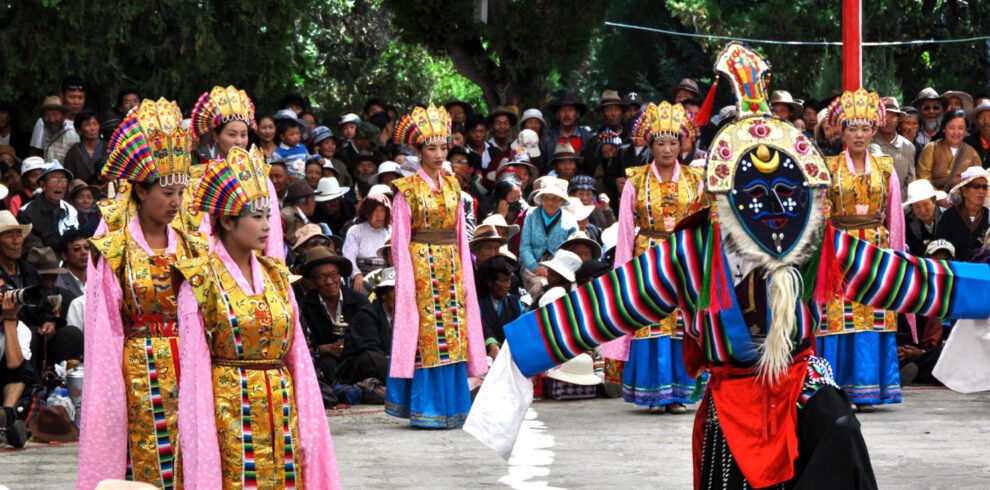
As Tibet’s capital, Lhasa hosts some of the grandest and most spiritually significant festivals. Among these, the Shoton Festival (Yogurt Festival) stands out. Held at the end of June or early July (Tibetan calendar: late sixth to early seventh month), it originated as a religious event where monks broke their summer retreat with yogurt offerings. Today, it’s famed for its vibrant Tibetan opera performances held in Norbulingka Park, alongside giant thangka (sacred cloth painting) displays. Another highlight is the Bathing Festival in September, when locals gather by rivers to bathe in waters believed to have purifying properties. For a truly immersive experience, visitors can also witness the Butter Lamp Festival in February or March, where intricate butter sculptures illuminate temples and streets.
Shigatse: Where Sport and Spirituality Meet
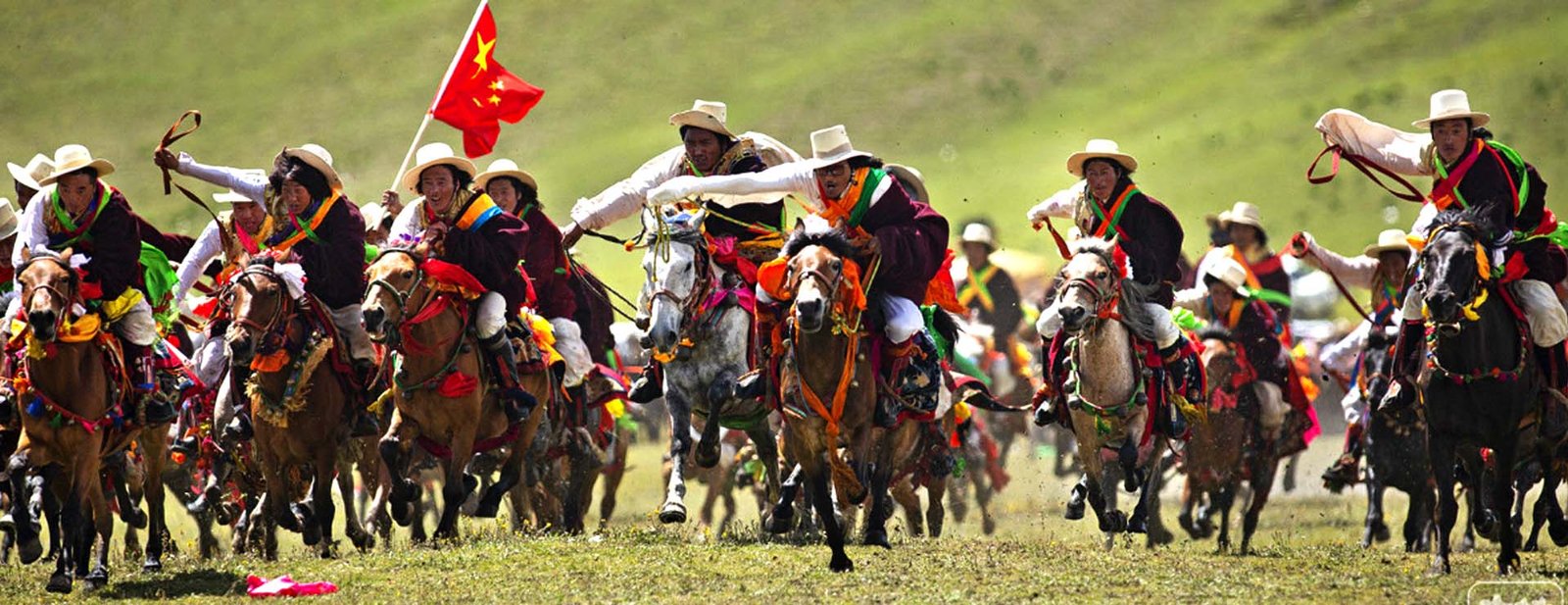
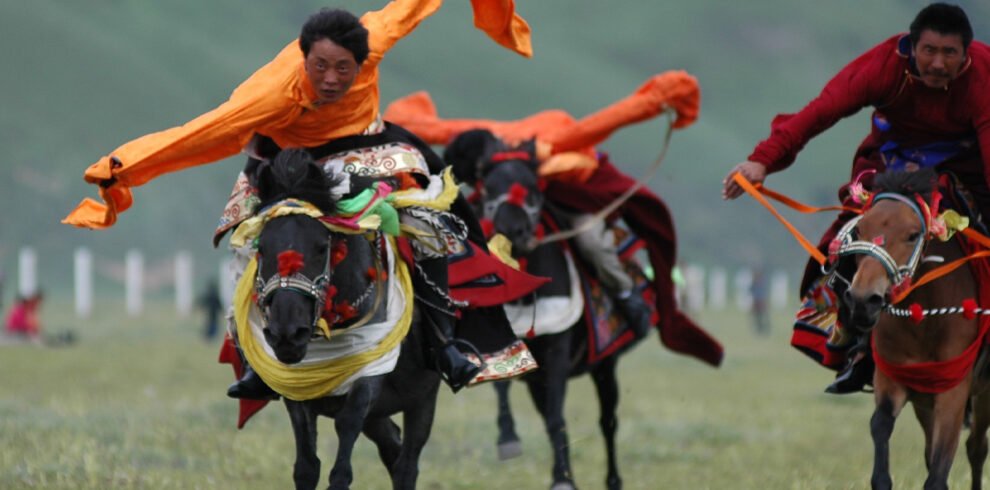
Shigatse, home to the towering Mount Everest, blends athleticism with tradition. The Gyantse Horse Race & Archery Festival, held in May or June, dates back to 1408. It features thrilling equestrian events, archery contests, and folk dances, drawing participants from across Tibet. Meanwhile, the Ongkor (Bumper Harvest) Festival in September celebrates the agricultural cycle with processions, horse racing, and rituals to pray for abundance. For adventure seekers, the Changtang Chachen Horse Race Festival in August transforms the grasslands of Nagqu into a tent city filled with horsemanship displays and cultural performances. These events offer a dynamic window into Tibetan nomadic and farming lifestyles.
Nyingchi: Nature’s Festival Sanctuary
Nesting in Tibet’s lush southeast, Nyingchi is known for its scenic beauty and seasonal festivities. The Kungbu Traditional Festival (or Kongpo Festival) takes place in November or December, commemorating ancient warriors with Kongpo dances, horse races, and archery. In spring, the Linka Festival (May–June) sees families picnic in wooded parks, singing and dancing under willow trees. Nyingchi also celebrates the Tibetan New Year on October 1st in the Kongpo area—a month earlier than other regions—with elaborate feasts and rituals. This makes it an ideal off-season destination for travellers seeking authentic cultural encounters amid blooming valleys and snow-capped peaks.
Tibet’s eastern regions of Amdo and Kham offer a spectacular window into authentic Tibetan culture through their vibrant and unique festivals. These events, deeply rooted in religious devotion and nomadic traditions, provide unforgettable experiences for travellers. Below is a guide to the key festivals in these regions.
Major Festivals in Amdo
Amdo is renowned for its rich artistic heritage and strong monastic traditions, which are prominently displayed during its festivals.
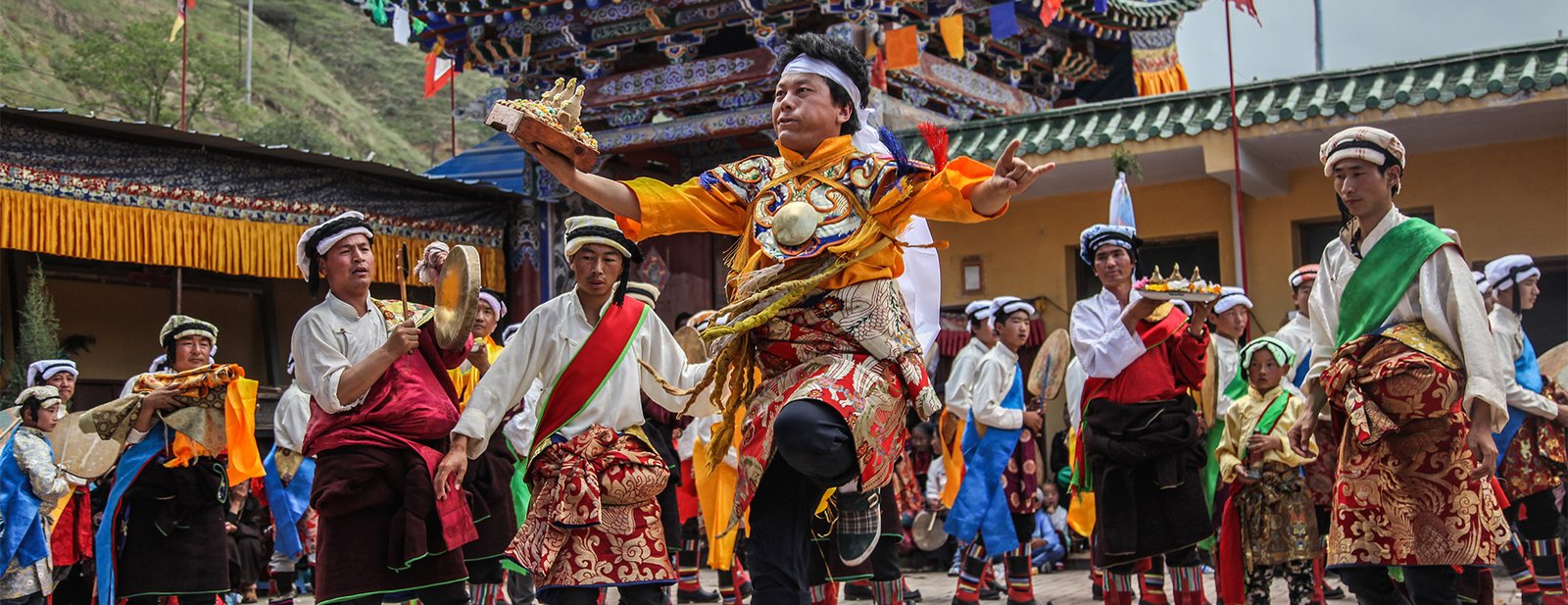
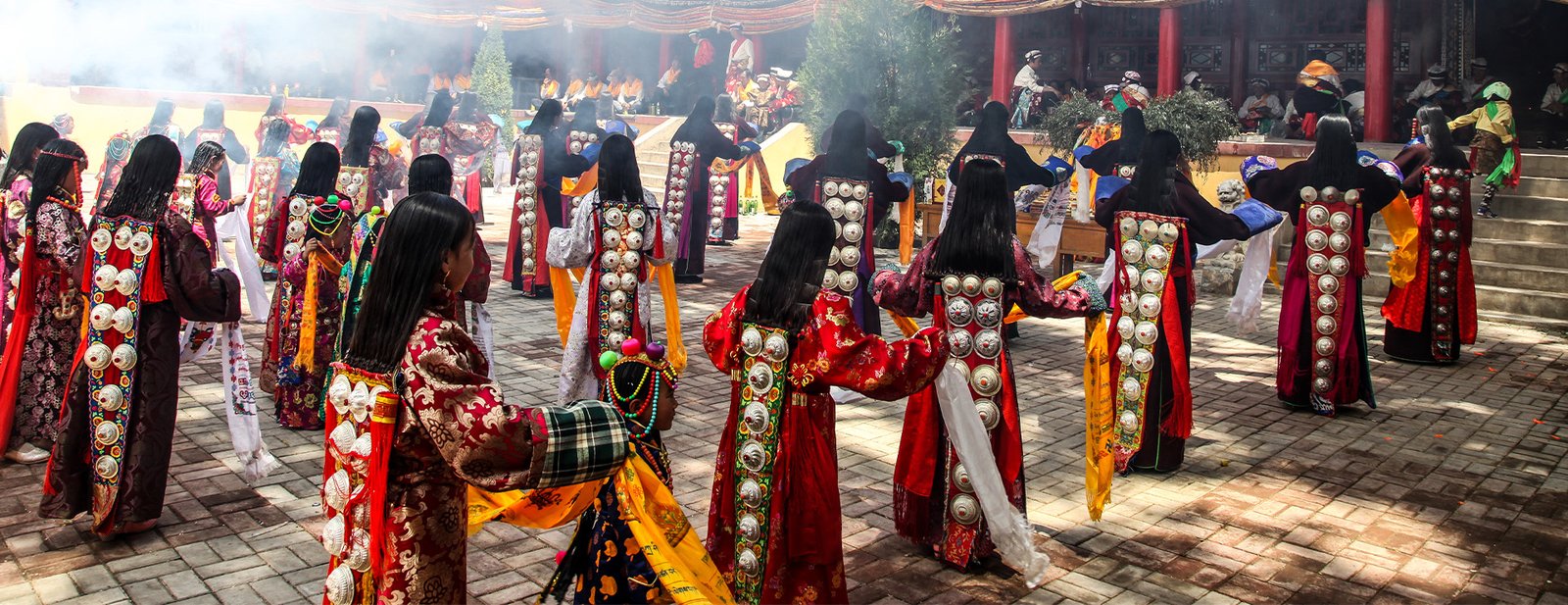
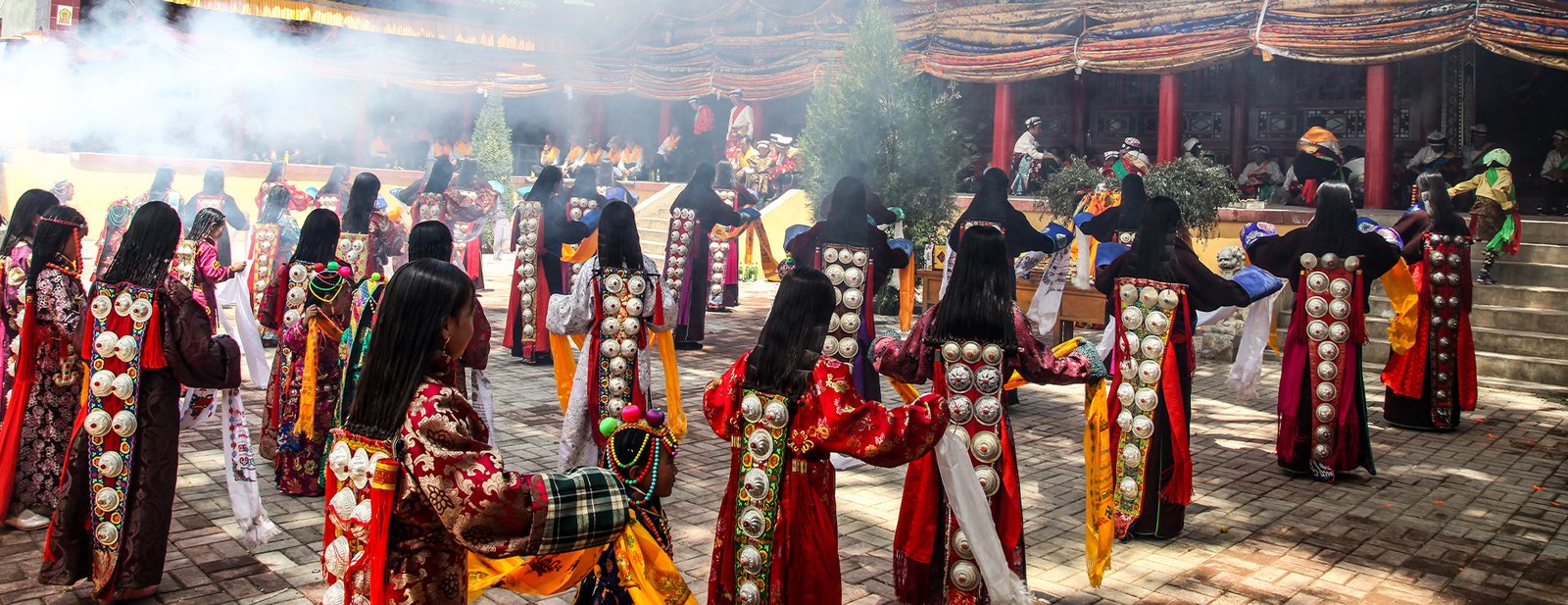
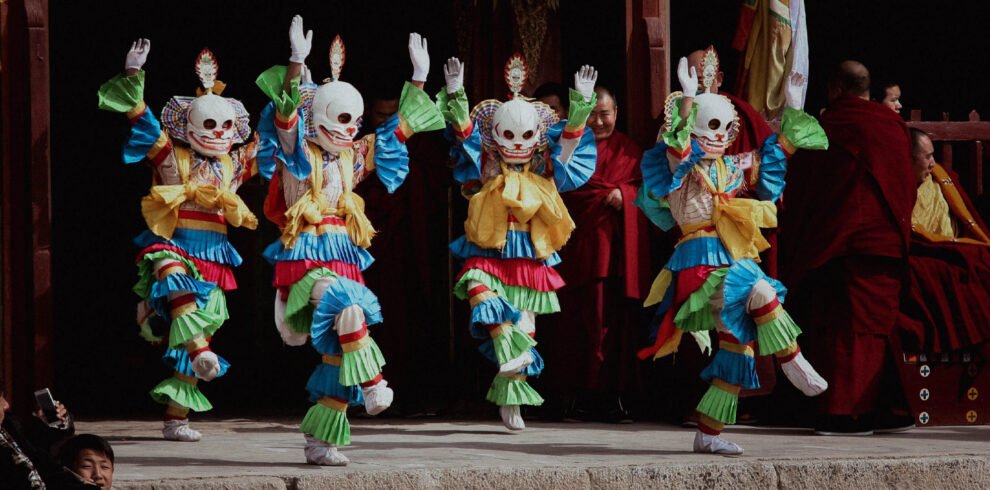
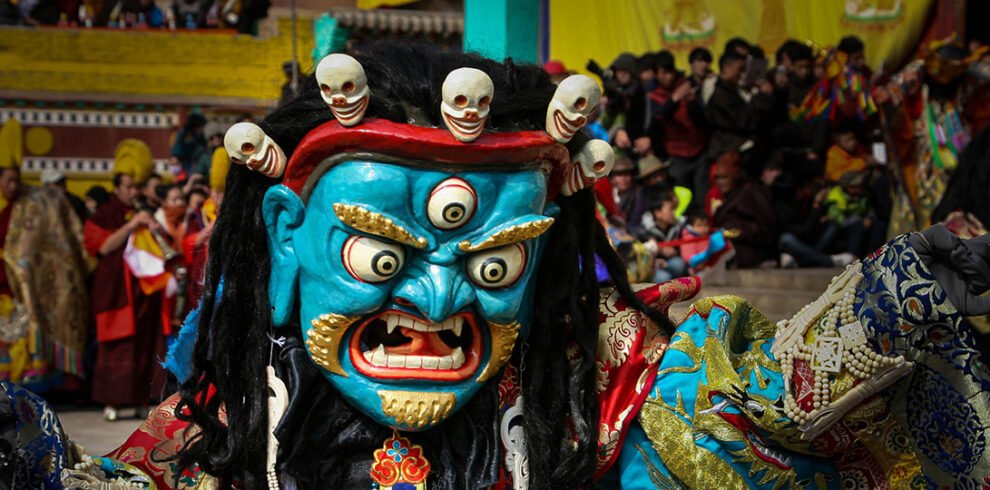
• Losar (Tibetan New Year) & Monlam Prayer Festival: Losar is the most important holiday, marked by family gatherings, elaborate feasts, and traditional dances. It is immediately followed by the Monlam Prayer Festival, particularly grand at Labrang Monastery, where thousands of monks and pilgrims participate in devotional rituals, dramatic Cham (masked dances), and the creation of intricate sand mandalas.
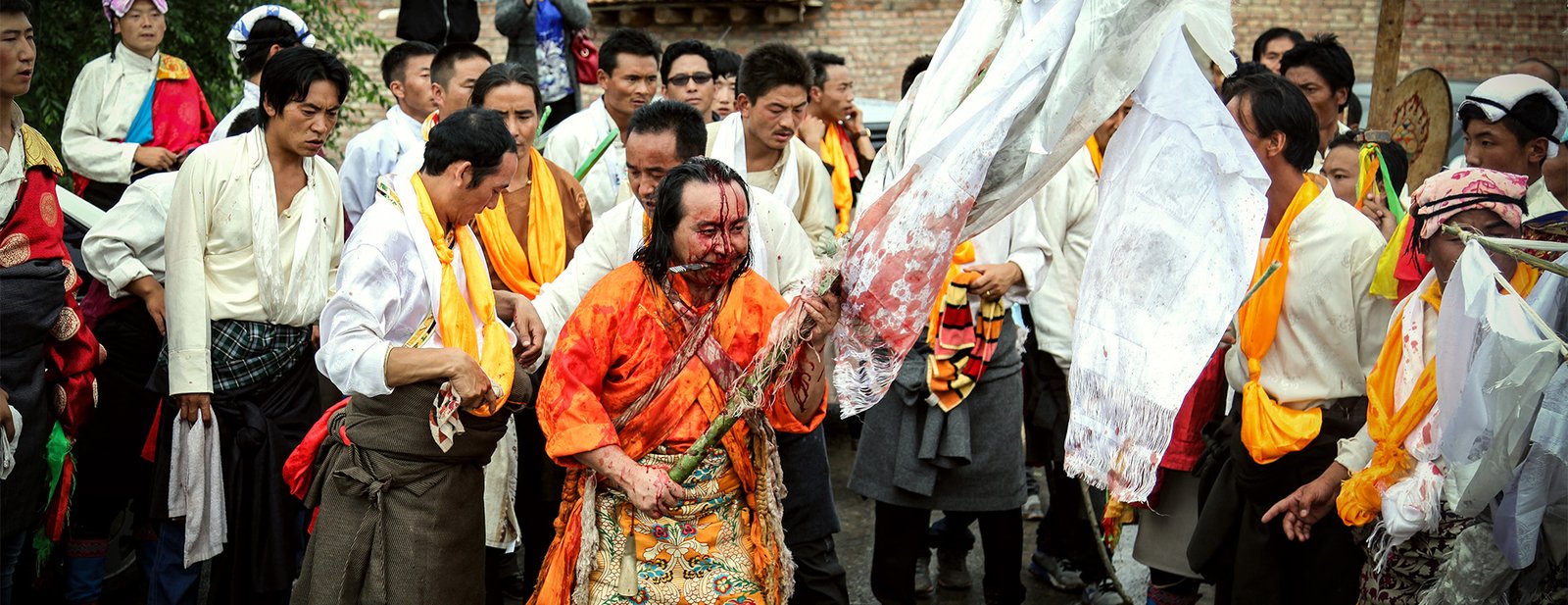
• Regong Shaman Festival (June Festival): Held in Tongren (Regong) around late July, this ancient folk festival is a mesmerising display of shamanic traditions. Participants engage in rituals like Shang Kou Qian (cheek piercing with pins) and sacred dances to pray for a good harvest and prosperity. The festival is also an excellent opportunity to witness the renowned Regong Arts, a UNESCO Intangible Cultural Heritage known for exquisite thangka paintings.
• Butter Lamp Festival: Taking place shortly after Losar, this festival commemorates Buddha’s miracles. Monasteries like Kumbum and Labrang become centres of activity, with monks creating intricate and colourful butter sculptures. The streets and temples are illuminated by thousands of butter lamps, creating a dazzling atmosphere.
Major Festivals in Kham
The Khampa people of Kham are famous for their horsemanship, vibrant costumes, and love for song and dance, all of which are celebrated in their dynamic festivals.
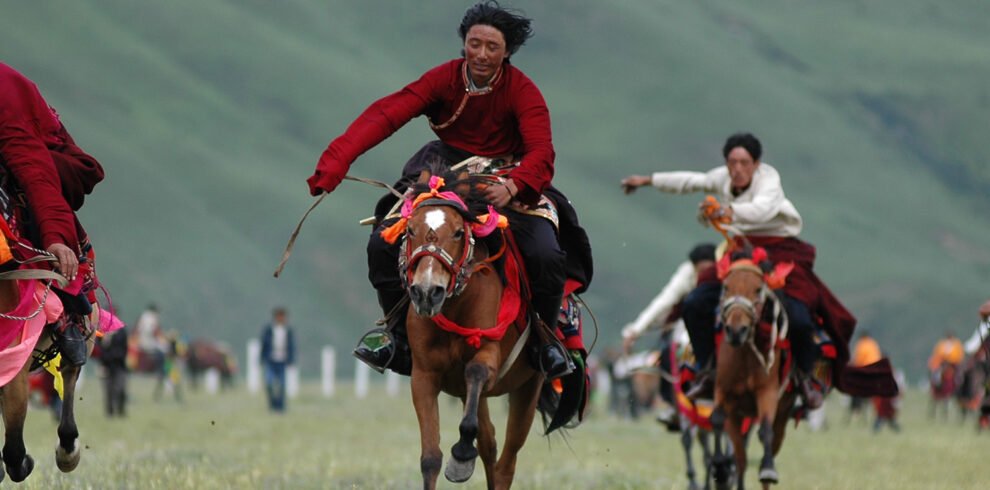
• Yushu (Jyekundo) Horse Racing Festival: This is the largest and most thrilling festival in the Kham region, typically held in late July. Located on beautiful alpine meadows, it transforms into a tent city where Khampas showcase their skills in horse racing, yak racing, archery, and Tibetan wrestling. The festival is also a fashion show of colourful traditional dress and a marathon of folk singing and dancing.
• Litang Horse Racing Festival: Another iconic event in the “Hometown of Horsemanship,” this festival in Litang County features exhilarating equestrian competitions, circle dances, and cultural shows. It is a vibrant celebration of nomadic culture and community spirit.
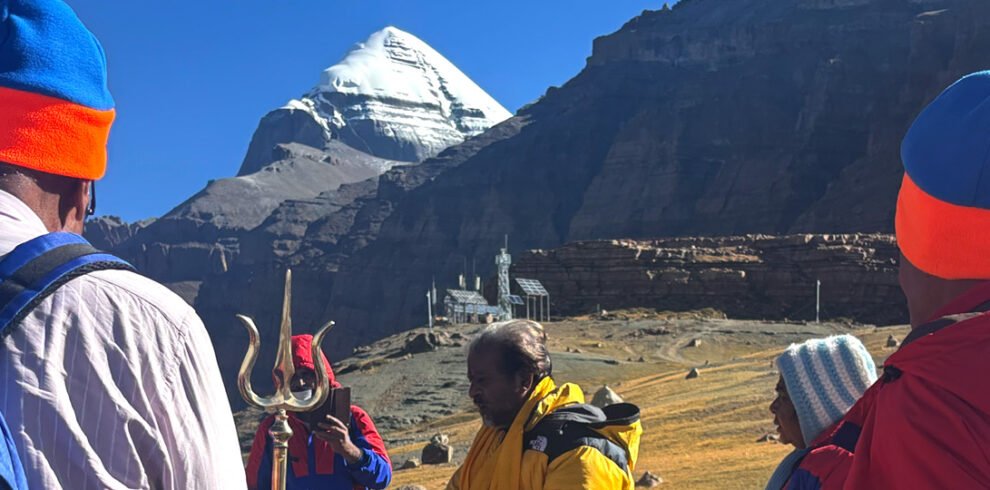
• Saga Dawa Festival: As one of the holiest periods in the Tibetan calendar, Saga Dawa (in May/June) commemorates the birth, enlightenment, and parinirvana of Buddha. While observed across Tibet, in Kham, it sees devout pilgrims engaging in prayers, charitable acts, and circumambulating sacred sites.