The Tibetan Plateau, often called the “Roof of the World,” is a premier destination for adventurers seeking a unique blend of breathtaking landscapes, profound spiritual culture, and challenging high-altitude activities. From trekking sacred pilgrimage routes to cycling across vast plateaus, the region offers a wide array of unforgettable experiences.
The table below summarizes some key adventure activities available.
| Activity Type | Difficulty Level | Best Season | Key Highlights |
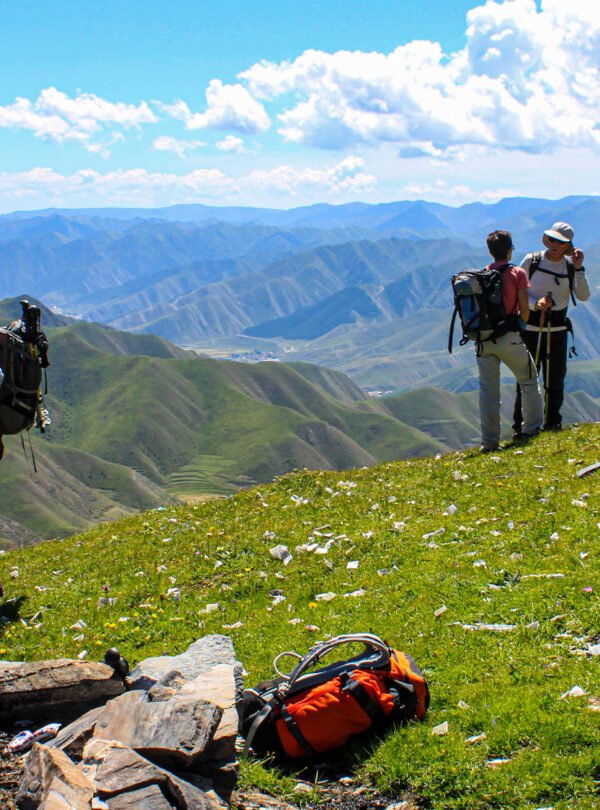
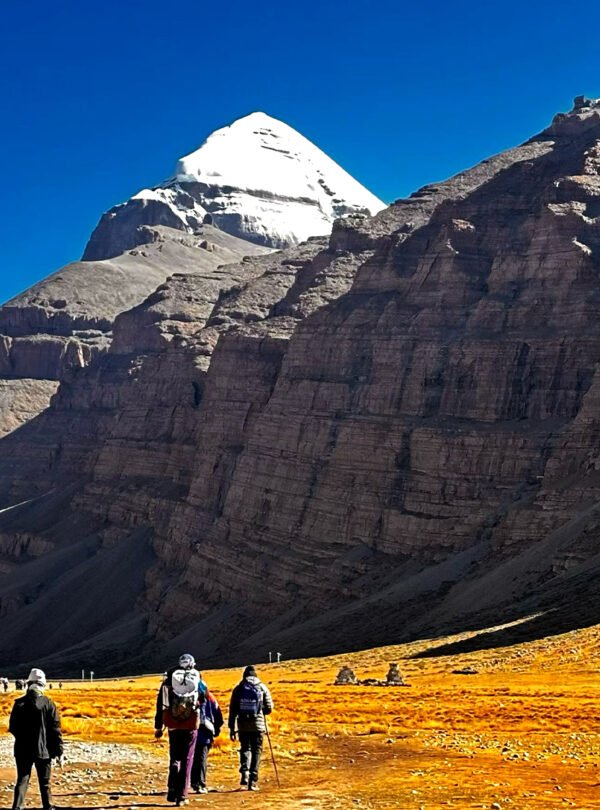
| Trekking & Mountaineering | Moderate to Challenging | Apr-Oct | Everest Base Camp, Mount Kailash Kora, Tsongkha Mountain, Labrang to Repgong |
| Overland Journeys & Self-Driving | Easy to Moderate | Apr-Jun, Sep-Oct | Lhasa to Kathmandu route, Amdo to Kham, Silk Road |
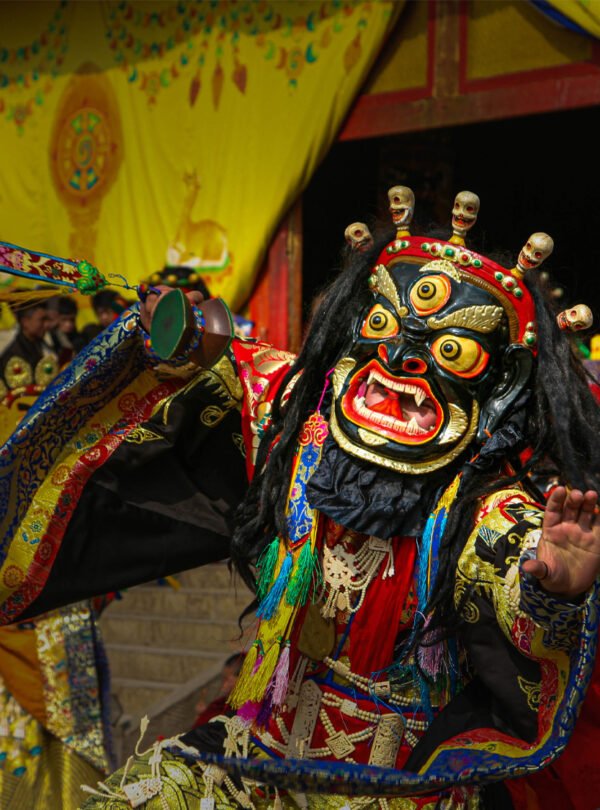
| Cultural & Spiritual | Experiences Easy | Events | Monlam, Shaman, Horse racing, Saga Dawa, Shultang, Losar festivals |
| Cycling | Moderate | May-Oct | Qinghai Lake around |
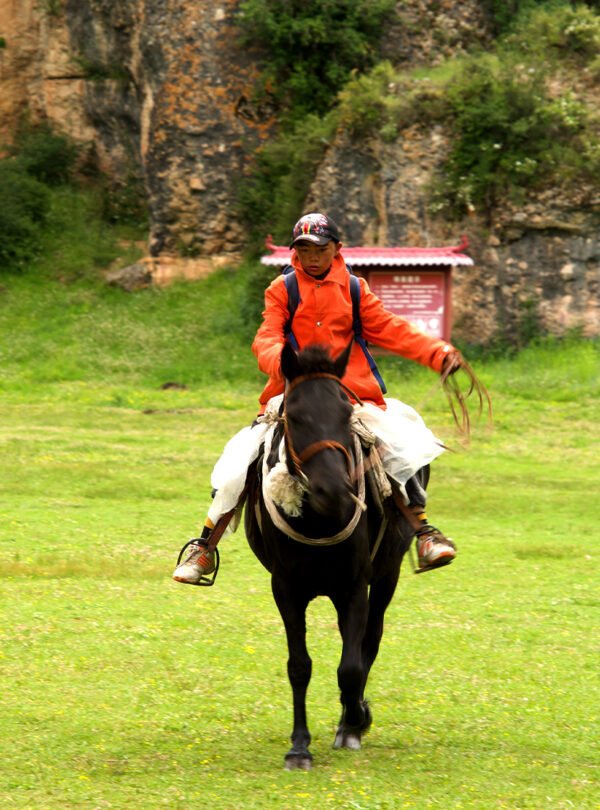
| Horsing Rading | Easy | May-Oct | Langmu Si, Grassland |

 Trekking and Mountaineering
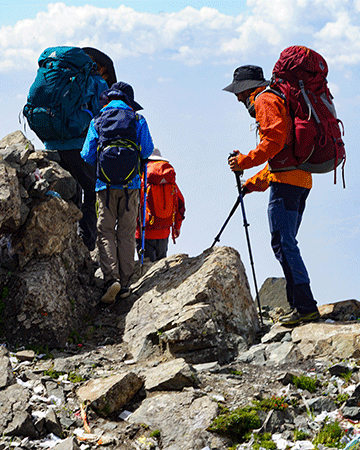
Tibet is a paradise for trekkers and mountaineers. The most iconic trek is the journey to Everest Base Camp (EBC) on the Tibetan north side, which offers spectacular views of the world’s highest peak . For a deeply spiritual trek, the Mount Kailash kora (circumambulation) is a three-day, 52-kilometer pilgrimage revered by multiple religions . Other notable routes include the Ganden to Samye trek, which links two important monasteries through stunning alpine scenery . For experienced climbers, expeditions to peaks like Shishapangma (8,027m) present a formidable challenge .
 Overland and Self-Driving Tours
Exploring Tibet by road is an adventure in itself. The classic Lhasa to Kathmandu overland journey is a world-class trip, taking you past Yamdrok Lake, glaciers, and finally to Everest Base Camp before descending to Nepal . For a more rugged 4×4 experience, the recently popularized “McDonald’s Line” (so named for its M-shaped route on the map) in eastern Tibet offers complex road conditions, dramatic gorges, and encounters with ancient Tibetan villages and non-heritage crafts .
 Biking and Motorcycling
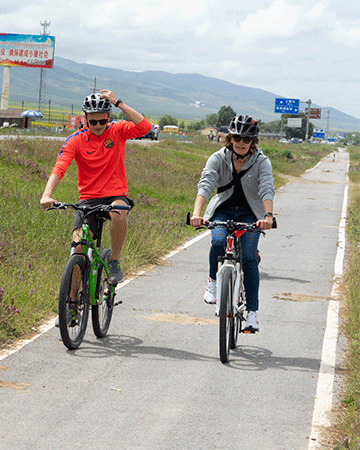
Cycling and motorcycling allow you to experience the Tibetan plateau’s vast landscapes up close. The route from Lhasa to Everest Base Camp is a highly rewarding challenge for cyclists . Motorcycling enthusiasts can enjoy greater freedom to explore remote areas like Mount Kailash, with tours providing support vehicles and permits . The ride around the turquoise waters of Namtso Lake is another popular choice .
 Cultural and Spiritual Adventures
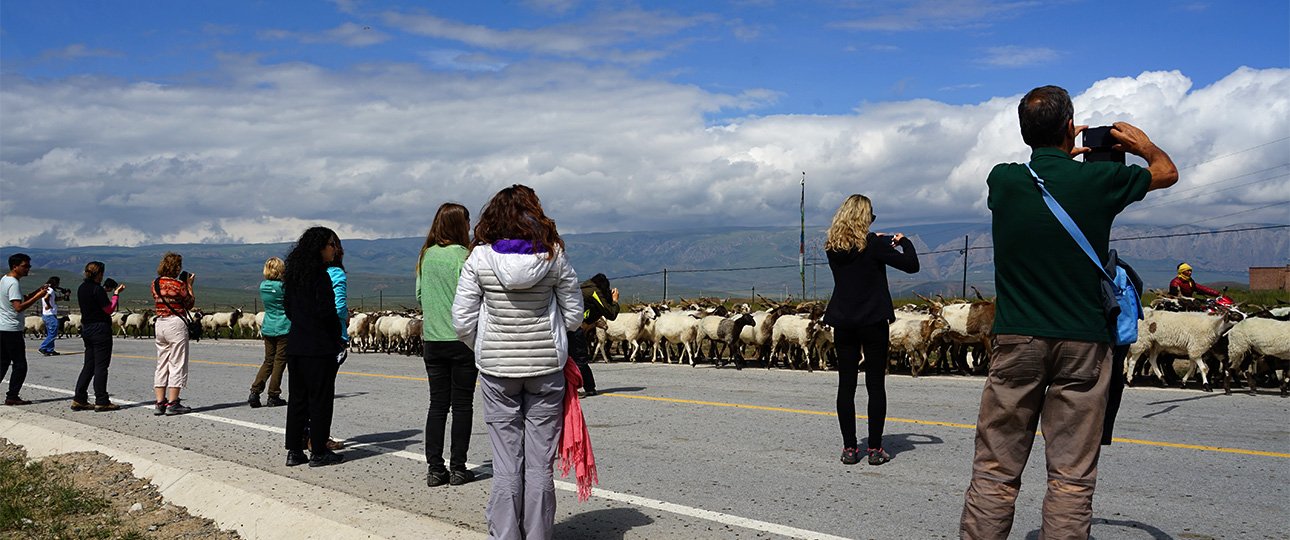
Adventure in Tibet is not solely physical; it is also a cultural and spiritual journey. Exploring the historic sites of Lhasa, including the Potala Palace and Jokhang Temple, is a must . You can time your visit with vibrant festivals, such as the Nyingchi Peach Blossom Festival in spring, when the valleys are blanketed in pink blooms . Experiences like staying with nomadic families or participating in meditation retreats offer a deeper connection to the local culture .
 Other Adventure Activities
- Water Sports: For an adrenaline rush, try white-water rafting on the Brahmapangma River (Grade III-IV rapids) or more leisurely kayaking on the Kyichu River near Lhasa .
- Wildlife Safaris: The remote Chang Tang region offers opportunities to spot unique wildlife such as Tibetan antelope and wild yaks in their natural habitat .
- High-Altitude Camping: Camping under the stars at sacred sites like Lake Manasarovar or Namtso Lake provides an immersive experience in Tibet’s pristine wilderness .
 Practical Tips for Your Adventure
- Best Time to Visit: The ideal windows are spring (April-June) and autumn (September-October), when the weather is generally stable and skies are clear .
- Required Permits: Foreign travelers must obtain a Tibet Travel Permit through a registered tour agency. Additional permits (Alien’s Travel Permit, Military Permit) are required for restricted zones like EBC and Mount Kailash .
- Altitude Sickness Prevention: Spend at least two days in Lhasa (3,650m) to acclimatize before heading to higher areas. Stay hydrated and avoid strenuous activity upon arrival .
- Safety and Preparation: Due to the high-altitude environment and unpredictable weather, proper preparation is essential. Choose a reputable tour operator, secure travel insurance that covers high-altitude activities, and pack warm layers, sun protection, and sturdy footwear .