Trekking to Tsongkha Mountain (八宝山, Babaoshan) near Xining City is a rewarding adventure that combines stunning high-altitude scenery with deep cultural significance. Here’s an overview to help you plan your journey.
Key Features of Tsongkha Mountain
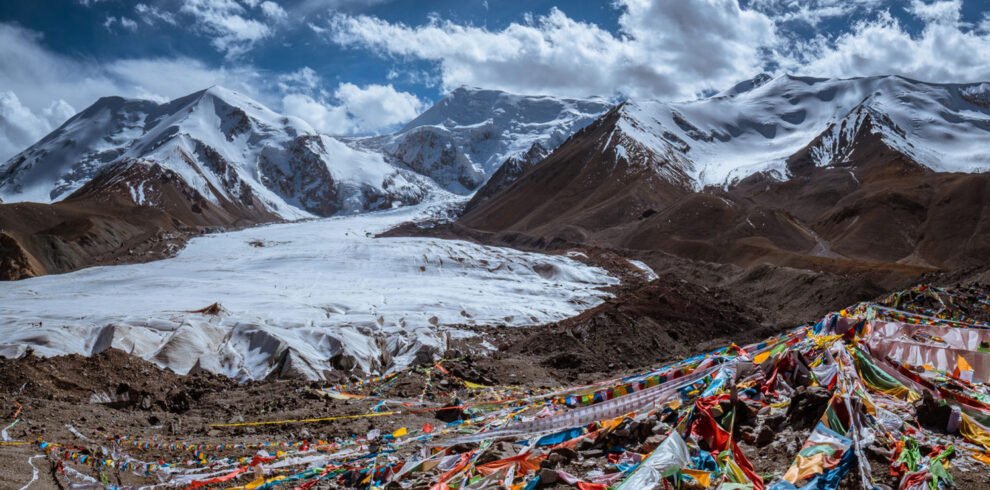
Tsongkha Mountain, also known locally as Amnye Giri, is a sacred peak in the Tsongkha region of the Laji Mountain Range. The mountain is revered in Tibetan Buddhism and is considered the protective deity of the surrounding area. Its main peak reaches an altitude of approximately 4,404 meters (14,449 feet), offering breathtaking panoramic views of the surrounding landscapes, including parts of Hualong, Guide, Huangzhong, Ping’an, and even Xining on a clear day. The name “Eight Treasures Mountain” originates from the belief that the mountain contains eight kinds of mineral treasures.
The area is known for its dramatic rocky cliffs and an alpine lake called the “Dragon King Spring” near the summit, which remains clear and full regardless of rainfall or drought. The summit is often shrouded in clouds and mist, with snow covering the peak year-round. The surrounding Xiongxian Forest Park is noted for its rich biodiversity, integrating landscapes of water, strange rocks, a sea of clouds, and temples.
The Trekking Experience
Trekking in Tsongkha Mountain is generally considered a moderate to challenging endeavour, primarily due to the high altitude. A typical trek takes 2-3 days to complete, allowing for proper acclimatisation.
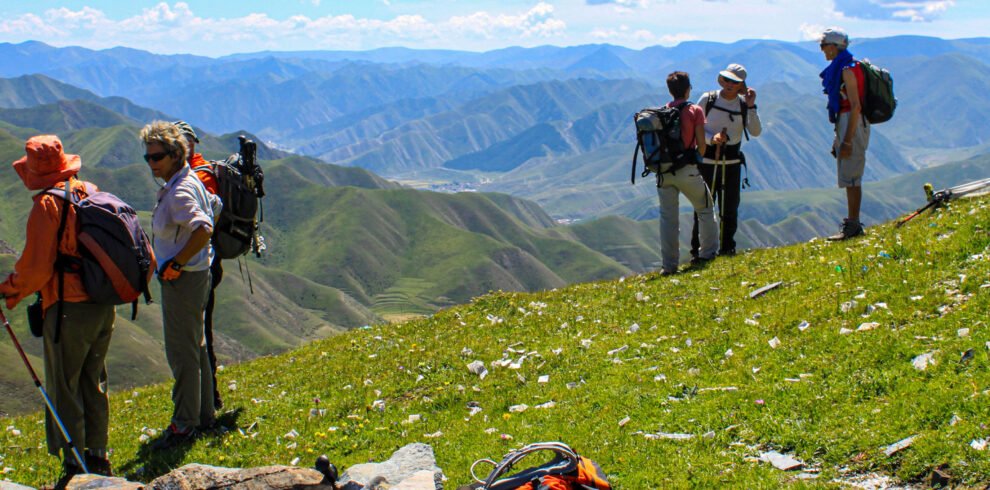
A common starting point is from the Binggou Forest Sea (Ice Gully Forest) area. The first day usually involves a hike through this beautiful valley, with an overnight stop at a campsite around 3,400-3,600 meters for acclimatisation. The summit push on the second day is demanding, involving a pre-dawn start to ascend steep slopes and scree fields. The reward is a spectacular 360-degree view from the summit ridge, overlooking the Baba River Valley and the distant peaks of the Qilian range.
The region is part of the larger Laji Mountain Range, and the trek offers diverse ecosystems, from ancient spruce forests to alpine meadows and rugged volcanic rock formations. The area is also a habitat for wildlife such as wild goats, blue sheep, and leopards.
Cultural and Spiritual Significance
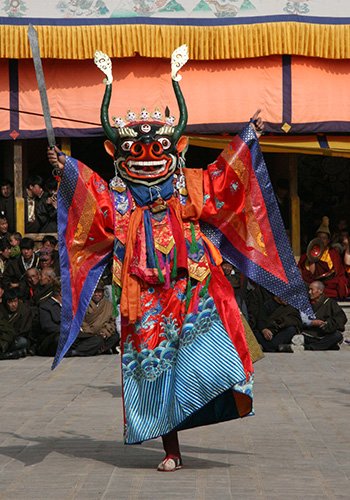
Tsongkha Mountain holds profound cultural and spiritual importance. It is deeply woven into the beliefs of the local Tibetan, Mongol, and Yugur people, who consider it the “Mountain of Gods”. The mountain is also revered as the “Screen Wall Mountain” (Zhaobi Shan) of the Gelugpa sect’s sacred Ta’er Monastery (Kumbum Monastery), which is located in the nearby region historically known as Tsongkha, the birthplace of the great Buddhist master Tsongkhapa.
At the foot of the mountain lies the famous Xiaqiong Monastery (夏琼寺), one of the oldest and most significant monasteries in Qinghai. Founded in 1349, it is where the reformer Tsongkhapa began his religious studies as a youth. The monastery houses precious artefacts and offers a deep insight into Tibetan Buddhist history.
Practical Tips for Your Trek
- Best Time to Visit: The ideal trekking season is from June to October, when the weather is relatively stable, and trails are accessible.
- Permits and Guides: Foreign travellers typically need to arrange their trip through a registered tour agency in Xining, which will handle the necessary Tibet Travel Permit and other required permits for the area. Hiring a local guide is highly recommended for navigation and cultural interpretation.
- Acclimatisation is Key: Spend at least 1-2 days in Xining (2,200m) and consider a night in a town like Qunjia (around 3,000m) before starting the ascent to minimise the risk of altitude sickness.
- Essential Gear: The weather on the plateau is unpredictable. Pack warm layers, a windproof and waterproof jacket, sturdy trekking boots, a sleeping bag suitable for sub-zero temperatures, and strong sunscreen.
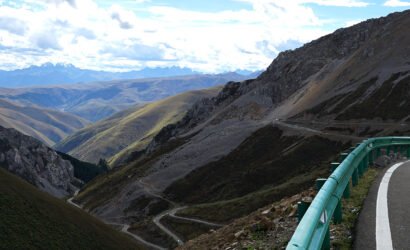
Tsongkha (Babao) Mountain, standing at a formidable 4,404 meters, dominates the landscape west of Hualong County. Often called the “Screen Mountain” of the famous Kumbum Monastery, its jagged cliffs and mysterious gorges hold a deep spiritual significance for the Tibetan and Hui communities living in its shadow. Over two days, we will venture deep into its heart, navigating the dramatic terrain of the Xianxiong Valley system. From the tranquil sounds of the Ganhetan riverbed to the panoramic views from a 3,700-meter pass, this trek is an intimate encounter with the raw power and profound silence of the Qinghai mountains.
Highlights
- The "Zhangjiajie" Effect: Marvel at the otherworldly limestone pillars, natural stone gates, and jagged cliffs that rise abruptly from the lush valley floors, creating a landscape unlike any other in Qinghai.
- Spiritual Connection: Walk in the shadow of a mountain considered sacred by locals for centuries. Feel the tranquillity and power of a peak that serves as a natural altar and the spiritual screen for one of Tibet's holiest monasteries.
- The Ascent to the Throne: Experience the physical and mental triumph of climbing to a 3,700-meter pass. The final push is tough, but the panoramic view of the "mountain palace" from the top is a memory that will last a lifetime.
- Untouched Wilderness: Traverse three pristine valleys—Ganhetan, Segorge, and Erjiapo—each offering a unique ecosystem, from riverside forests to high-altitude deserts, all teeming with the raw beauty of the Tibetan plateau.