Unlock the Mystery of Tibet’s Lost Civilisation in the Heart of the Ngari Plateau
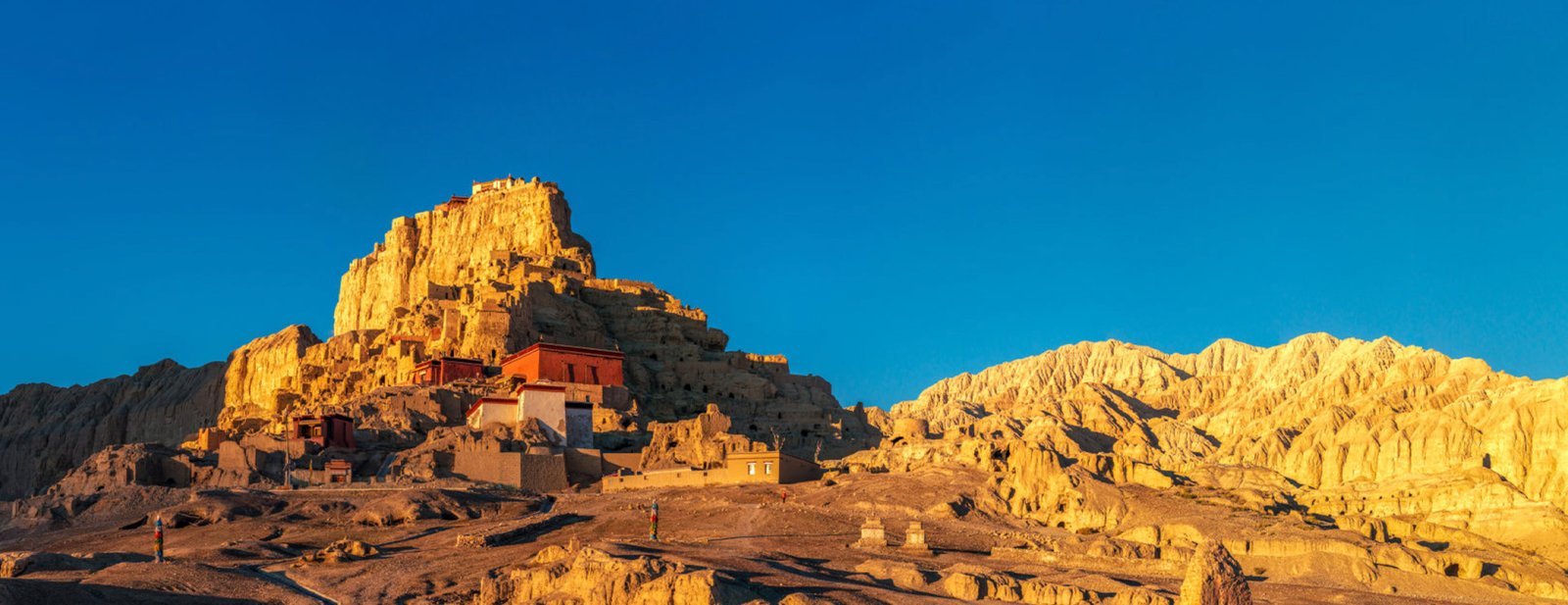
Hidden deep within the otherworldly landscape of the Zanda Earth Forest in Ngari Prefecture, the Guge Kingdom Ruins stand as one of the most enigmatic and breathtaking archaeological sites on the Tibetan Plateau. This is not merely a collection of ancient buildings; it is a ghost city carved into a 300-meter-high loess cliff, a silent testament to a once-mighty dynasty that flourished for over 700 years before vanishing into the mists of history.
Established in the 10th century by a descendant of the Tibetan King Langdarma, the Guge Kingdom became a powerful centre for Tibetan Buddhism and a vital link in the transmission of Buddhist teachings after the “Dark Age”. At its peak, it was a hub of culture, art, and trade. Yet, by the 17th century, this sophisticated kingdom mysteriously collapsed and was completely abandoned, leaving behind a sprawling complex of 445 houses, 880 caves, 58 fortresses, and 28 pagodas perched on a remote mountainside. The fate of its 100,000 inhabitants remains one of Tibet’s greatest unsolved mysteries.
Today, the ruins are a protected UNESCO World Heritage candidate site and a National Archaeological Site Park. This expedition into the heart of “Ngari, the Roof of the World,” takes you past the sacred Mount Kailash and through the surreal Zanda Earth Forest to stand at the foot of this lost civilisation. Inside the Red Temple and White Temple, you will gaze upon exquisitely preserved murals—masterpieces of Guge art that blend Tibetan, Kashmiri, and Central Asian influences, depicting Buddhist deities, mandalas, and scenes of royal life in colours so vivid they seem painted yesterday.
This journey is a pilgrimage for history buffs, archaeology enthusiasts, and adventurers seeking to connect with the soul of a vanished world. It begins and ends in Lhasa, traversing the full length of the Himalayan foothills to deliver you to a place that feels less like a historical site and more like a dream.
Guge Kingdom Key Information
Item Details
Location Zhaburang Village, Zanda County, Ngari Prefecture
Altitude Approx. 3,700m (site base)
Size 720,000 sq m: 445 houses, 880 caves, 58 fortresses
History 10th – 17th century
Ticket Price 65 RMB (peak season); additional fee for photography inside temples
Best Time to Visit May – October
Key Temples: Red Temple, White Temple
Nearby Sites Zanda Earth Forest, Tholing Monastery, Donggar Piyang Caves
Highlights
- Confront a Lost World: Explore the vast 720,000-square-meter ruins of the Guge Kingdom, climbing through ancient cave dwellings, crumbling palaces, and fortress walls on a 300-meter-high mesa.
- Decode the "Potala of the West": Discover the unique vertical layout of the city—from commoners' caves at the base to monks' temples on the middle tier and the king's palace at the summit—reflecting the rigid social hierarchy of the time.
- Gaze Upon Masterpiece Murals: Step into the dimly lit Red Temple and White Temple to witness some of the finest surviving examples of Indo-Tibetan art. These vibrant, thousand-year-old murals of tantric deities and mandalas are unparalleled in the region.
- Ponder the Unsolved Mystery: Visit the infamous "Cave of the Unburied Dead" (Corpse Cave) and contemplate the theories surrounding the kingdom's sudden and violent end—a riddle that continues to fascinate historians.
- Stand Above an Alien Landscape: Witness the Guge Ruins rise from the heart of the Zanda Earth Forest, a vast expanse of wind-carved clay formations that resemble a city of ancient skyscrapers. Sunset views here are nothing short of cinematic.
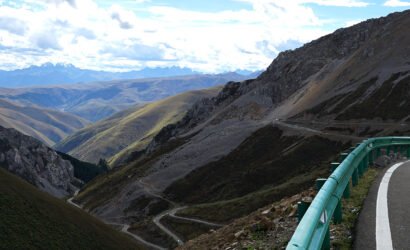
- Follow the Ancient Pilgrim Path: The journey to Guge is an epic in itself, crossing the legendary landscapes of the Himalayas, including sacred lakes, towering passes, and a visit to the base of Mount Kailash.
- Experience Local Hospitality: Stay in the village of Zhaburang at the foot of the ruins, where local families run guesthouses, offering a chance to experience the warmth of Ngari hospitality.