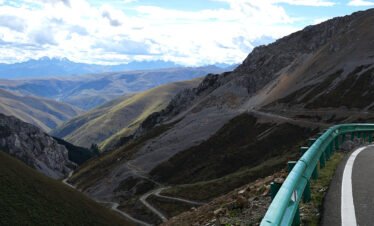
Nestled in northern Sichuan Province, Ngawa (locally known as Aba) is a crown jewel of southwest China’s tourism landscape. Blending awe-inspiring alpine scenery, world-class natural heritage sites, and time-honoured Tibetan and Qiang cultures, this prefecture offers a harmonious fusion of wilderness adventure and cultural immersion, making it a must-visit for discerning travellers.
1. World-Famous Natural Wonders
Ngawa’s natural landscapes are celebrated globally for their unparalleled beauty, featuring otherworldly geomorphology and vibrant seasonal transformations.
Key Natural Highlights
- Jiuzhaigou Valley: A UNESCO World Natural Heritage Site, Jiuzhaigou is renowned for its crystal-clear alpine lakes (hai zi), cascading waterfalls, and snow-capped peaks. The lakes, in hues of turquoise, emerald, and sapphire, change colour with light and seasons, while iconic spots like Nuorilang Waterfall and Five Flower Lake create postcard-perfect vistas. It’s a paradise for photographers and nature lovers year-round.
- Huanglong Scenic Area: Adjacent to Jiuzhaigou and also a UNESCO site, Huanglong is famous for its 3.6-kilometre-long travertine calcium carbonate pools, forming a “golden dragon” winding through the valley. The colourful pools contrast with snow-capped mountains and primaeval forests, and its average altitude of over 3,000 meters adds a sense of ethereal beauty. Autumn (Sept-Nov) is ideal here, as foliage and pool colours interweave spectacularly.
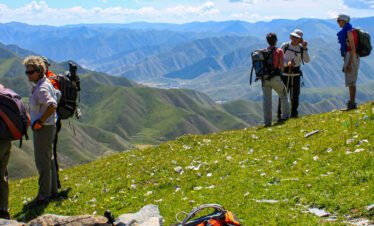
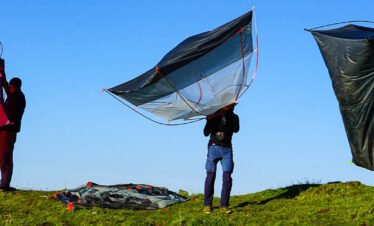
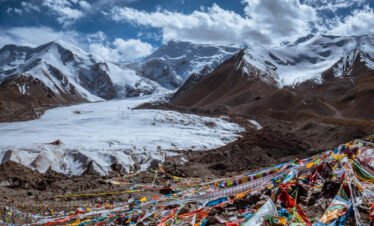
- Mount Siguniang (Four Girls Mountain): Located in Xiaojin County, this sacred mountain range (peaking at 6,250 meters) is hailed as the “Oriental Alps.” Its snow-capped peaks tower over lush meadows, gorges, and glaciers, offering excellent trekking, mountaineering, and camping opportunities. The surrounding Changping Valley and Shuangqiao Valley showcase diverse alpine ecosystems.
2. Rich Tibetan & Qiang Cultural Heritage
As a hub of ethnic diversity, Ngawa preserves intact traditions of Tibetans and Qiang people, two groups with distinct histories and lifestyles.
Key Cultural Highlights
- Taoping Qiang Village: Known as the “Mysterious Oriental Castle,” this 2,000-year-old village is a living fossil of Qiang architecture. Built with stone and yellow mud, its labyrinthine lanes, 30-meter-high watchtowers, and unique underground water network (serving as water supply and defence) astound visitors. Explore the Qiang Folk Museum, watch traditional Salang dances, and admire exquisite Qiang embroidery—a national intangible cultural heritage.
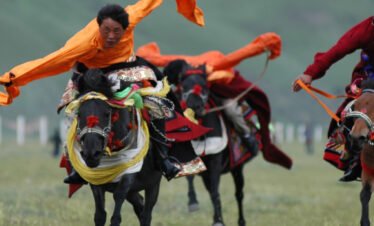
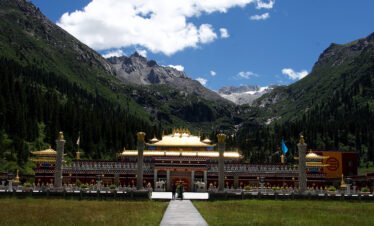
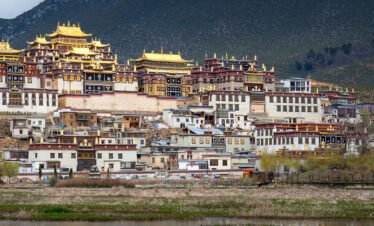
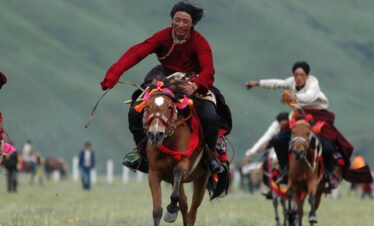
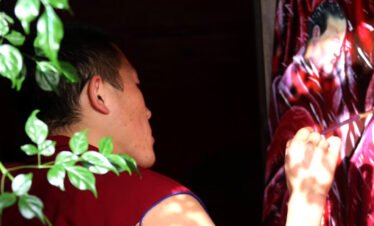
- Tibetan Monasteries & Festivals: Ngawa is a cradle of Tibetan Buddhism. Langyi Monastery, one of the largest Gelugpa monasteries in the region, hosts grand religious rituals with resonant chanting and elaborate thangka displays. Don’t miss local festivals like the Qiang New Year (late October/early November) and Tibetan Horse Racing Festivals, where you can experience authentic ethnic customs, food, and hospitality.
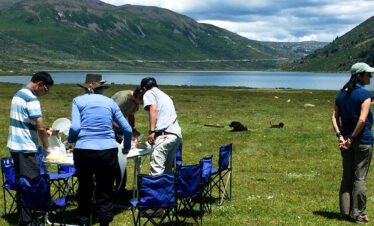
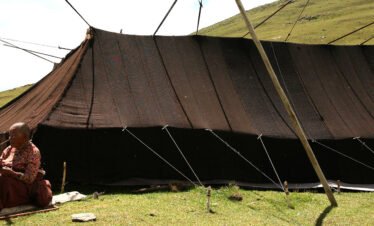
- Nomadic & Rural Life: In the northern grasslands, visit Tibetan nomadic tents, taste butter tea and tsampa, and join herders in daily activities like yak herding. The slow-paced rural life here offers a peaceful escape from urban chaos and a chance to connect with local communities.
3. Unique Travel Characteristics
- Harmony of Nature & Culture: Unlike single-themed destinations, Ngawa seamlessly combines world-class natural scenery with living ethnic cultures, allowing travellers to hike in pristine landscapes by day and immerse themselves in traditional rituals by night.
- Year-Round Appeal: Each season brings distinct charm—spring blooms in Jiuzhaigou, summer coolness in Huanglong, autumn foliage in the mountains, and winter snowscapes that turn the region into a fairyland.
- Ecological Diversity: Home to rare wildlife like giant pandas, snow leopards, and black-necked cranes, Ngawa is a biodiversity hotspot, perfect for eco-tourism and wildlife watching.
Travel Tips
- Altitude Preparation: Most scenic spots are 2,500-4,000 meters above sea level. Acclimatise slowly, carry altitude sickness remedies, and avoid strenuous activity upon arrival.
- Weather & Clothing: Temperature varies drastically between day and night. Pack warm layers, waterproof gear, and strong sun protection (UV rays are intense at high altitudes).
- Cultural Respect: Ask permission before photographing locals or religious sites. Follow Tibetan customs (e.g., circumambulate sacred sites clockwise) and Qiang etiquette when visiting villages.
- Transportation: Chengdu is the main gateway—take flights or long-distance buses to Jiuzhaigou, Huanglong, or Maerkang (prefecture capital). Internal travel is best by private car or organised tour for flexibility.