Chang Tang: Tibet’s Untamed Soul – Where Silence Meets Majesty
Nestled at 4,500+ meters in northern Tibet, Chang Tang is the world’s highest and most remote wilderness—a vast, windswept plateau where no roads, no towns, and no crowds define the landscape. Often called “Tibet’s Last Frontier” or “No Man’s Land” (though not lawless—just uninhabited), this 1.2-million-square-km expanse is a living sanctuary for wildlife and nomadic traditions. Forget crowded temples; here, the only guides are the stars, the wind, and ancient nomadic herders who’ve roamed these plains for 2,000 years.
Top Highlights: Wild, Untouched, and Sacred
| Attraction | Why It Captivates | Travel Tip |
| Chang Tang National Nature Reserve | Home to 60% of Tibet’s Tibetan antelope and rare snow leopards. A wildlife haven where yaks graze under the Milky Way. | Best visited May–Sept for clear skies and animal sightings. |
| Tso Moriri Lake | “Lake of the Moon” – a sacred turquoise jewel reflecting the Himalayas. Surrounded by ancient monasteries and nomadic yurts. | Visit during the Tso Moriri Festival (July) for cultural dances. |
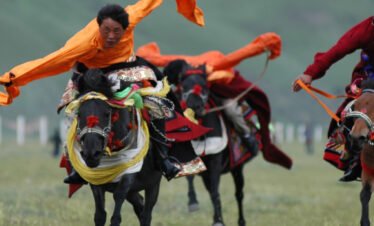
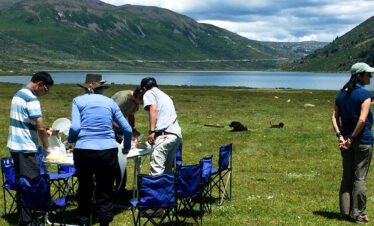
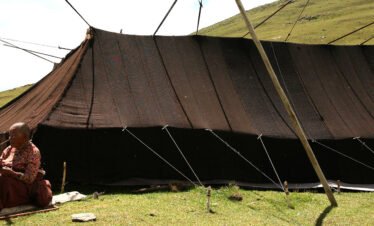
| Nomadic Culture Immersion | Live in yurts with Tibetan nomads, learn wool weaving, and sip chang (butter tea) under open skies. | Travel with a local guide—not a tour group. |
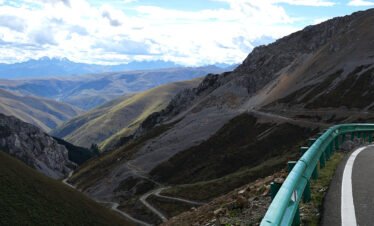
| The “Road of the Gods” | A 1,000km journey through high passes (5,000m+) where the earth breathes through rock formations. | Drive only in 4×4 vehicles; altitude sickness is real. |
Why Chang Tang Stands Out
- Zero Tourism, 100% Authenticity: No hotels, no souvenir shops—just raw, unfiltered Tibet.
- Wildlife Sanctuary: 12,000+ wild yaks, Tibetan antelope, and snow leopards thrive where humans rarely tread.
- Spiritual Solitude: At 4,500m, the silence is sacred. Prayers float on the wind, and the only footsteps are yours.
- Seasonal Magic: → May–June: Wildflowers bloom; herds migrate. → September–October: Crisp air, clear skies, and no monsoon. → Avoid winter (Nov–Mar): -20°C and blizzards.
Travel Essentials: For the True Adventurer
- Permits Required: Tibet Travel Permit + Chang Tang Special Permit (must book months ahead via licensed operators).
- Getting There: Flights to Ali (Ngari) → 8-hour drive to Chang Tang (no direct roads; only 5% of travellers reach here).
- Accommodation: Yurts with nomadic families (no hotels). Bring your own sleeping bag—it’s colder than Lhasa.
- Pro Tip: Acclimate in Shigatse first (not Lhasa). Chang Tang’s altitude demands respect—no rushing.
Wildlife in Chang Tang National Nature Reserve
Chang Tang National Nature Reserve (also known as the Chang Tang Nature Reserve) is a wildlife paradise and one of the world’s most significant high-altitude ecosystems. This vast protected area in northern Tibet is home to a remarkable array of rare and endangered species that have adapted to the extreme high-altitude environment (average elevation over 5,000 meters).
Iconic Species You Can Spot
Large Mammals
- Tibetan Antelope (Chiru): The reserve is famous for its thriving population, with numbers growing from 70,000 to over 300,000 since conservation efforts began.
- Wild Yak: One of the most iconic species of the Tibetan Plateau, with the reserve supporting over 20,000 individuals.
- Tibetan Wild Donkey (Kiang): A hardy species well-adapted to the harsh high-altitude conditions.
- Snow Leopard: The “ghost of the mountains,” this elusive big cat is a symbol of the reserve’s biodiversity.
- Tibetan Argali (Wild Sheep): The largest wild sheep species in the world.
- Brown Bear: Found in the more forested areas of the reserve.
Birds of Prey & Waterfowl
- Black-necked Crane: A sacred bird in Tibetan culture, often seen in the wetlands.
- Golden Eagle, White-tailed Eagle, and Steppe Eagle: Majestic birds of prey that soar above the plateau.
- Mongolian Vulture and Griffon Vulture: Important scavengers that help maintain ecosystem balance.
- Desert Cat: A rare small predator adapted to the arid conditions.
- Tibetan Gazelle (Chiru): A smaller, more delicate relative of the Tibetan antelope.
- Himalayan Marmot: Often seen in the grasslands.
Conservation Success
- The reserve has been instrumental in the recovery of several species:
- The Tibetan antelope population has grown from 70,000 to over 300,000
- The wild yak population has increased from less than 10,000 to over 20,000
- Snow leopard numbers have also shown positive trends
Why It’s Special
Chang Tang is not just a wildlife reserve—it’s one of the last remaining intact high-altitude ecosystems on Earth. Its vast, remote wilderness (over 298,000 square kilometres) provides a sanctuary for species that have evolved to survive in one of the most extreme environments on the planet. The reserve’s protection status has allowed these species to recover from near-extinction, making it a model for conservation efforts in fragile high-altitude ecosystems.
As one local conservationist notes: “In Chang Tang, you don’t just see wildlife—you feel the ancient connection between species and their environment, a bond that has endured for thousands of years.”