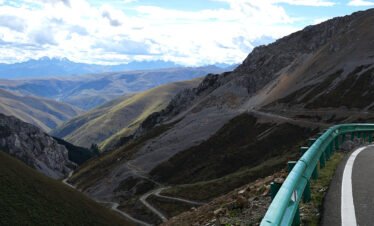
Linzhi (Nyingchi): Tibet’s “Paradise of Green Valleys”
Nestled in southeastern Tibet at a gentle 3,100 meters, Linzhi (Nyingchi) is Tibet’s lush oasis—often called the “Green Pearl of the Himalayas” or “Snow Land of Jiangnan” (the “Jiangnan” of Tibet). Unlike Lhasa’s high-altitude intensity, Linzhi boasts a mild climate, dense forests, and vibrant biodiversity, making it a refreshing escape where rhododendrons bloom in spring and golden forests blaze in autumn. It’s Tibet’s most accessible and least altitude-sickening destination—perfect for travellers seeking nature’s embrace without the thin air.
Top Highlights & Why They Shine
| Attraction | Why It Captivates | Travel Tip |
| Mount Namcha Barwa | Tibet’s “Sacred Peak” (7,782m) is often shrouded in clouds. Best viewed from Sogzang village for sunrise, “sunrise on the peak” magic. | Go at dawn for golden light on snow-capped peaks. |
| Yarlung Tsangpo Grand Canyon | World’s deepest canyon (6,009m), carved by the mighty Brahmaputra River. Lush rainforests, rare birds, and Tibetan villages along the river. | Take a river cruise for serene canyon vistas. |
| Begging Lake (Basongcuo) | “Jade of Tibet” – emerald waters framed by snow peaks and ancient monasteries. The Zangdian Monastery on its island is a spiritual highlight. | Tibet’s “Sacred Peak” (7,782m), often shrouded in clouds. Best viewed from Sogzang village for sunrise, “sunrise on the peak” magic. |
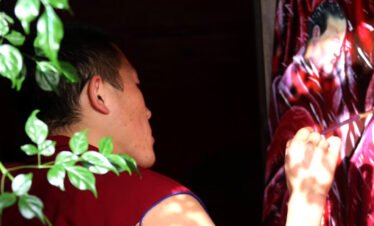
| Rulang Valley | “Tibet’s Little Jiangnan” – rolling meadows, wildflowers, and thangka (Tibetan tapestry) villages. Home to “Tibetan Stone Pot Chicken” (a must-try local dish). | Stay in a guesthouse to experience homestay culture. |
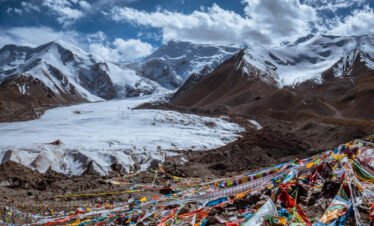
| Mide Glacier | China’s lowest-elevation marine glacier (6,800m), surrounded by ancient forests. Ice caves and turquoise glacial streams. | Best in summer (June–Sept) for safe hiking. |
Why Linzhi Stands Out
- No Altitude Sickness: At 3,100m, it’s easier to acclimate than Lhasa (3,650m). Ideal for first-time Tibet visitors.
- Four Seasons in One Trip: → Spring (Apr–May): Rhododendron blooms paint valleys pink. → Summer (Jun–Aug): Lush greenery, wildflowers, and cool temps (15–25°C). → Autumn (Sep–Oct): Golden forests, crisp air, and clear mountain views. → Winter (Nov–Mar): Snowy landscapes, fewer crowds, and spiritual quiet.
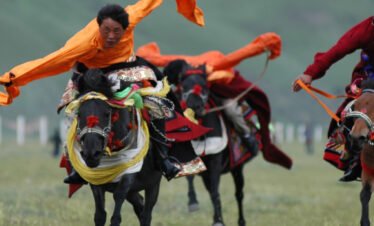
- Cultural Charm: Blend of Tibetan, Qiang, and Naxi cultures. Witness Tibetan folk dances in villages or sip butter tea by a riverside kang (heated stone bed).
Travel Essentials
- Getting There: 4-hour drive from Lhasa (240km via the Sichuan-Tibet Highway). No need for altitude acclimatisation—Lhasa is your base.
- Stay: Eco-lodges in Rulang Valley or lakeside guesthouses near Basongcuo.
- Pro Tip: Avoid monsoon season (July–Aug)—heavy rains can disrupt roads. Opt for May or Sept for perfect weather.
“Linzhi isn’t just a destination—it’s a sigh of relief. Where Tibet breathes softly, and every valley feels like a promise of peace.”